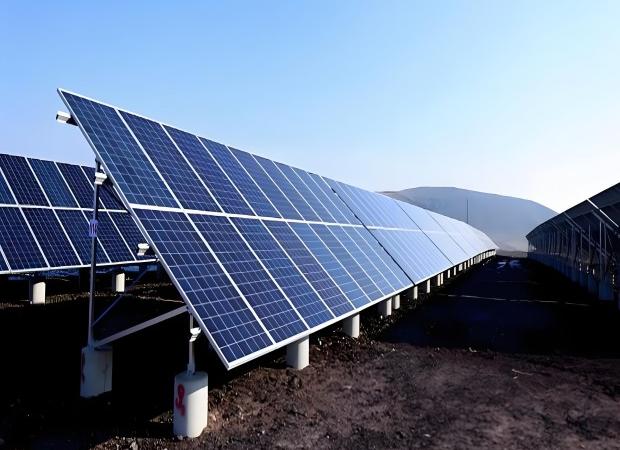
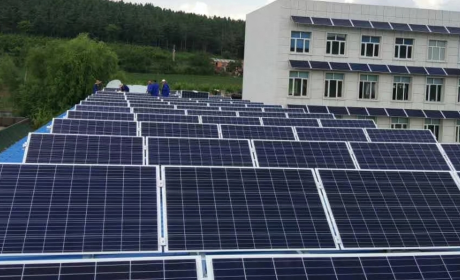
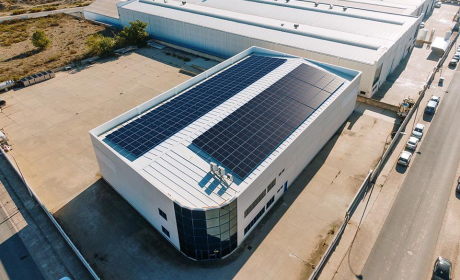
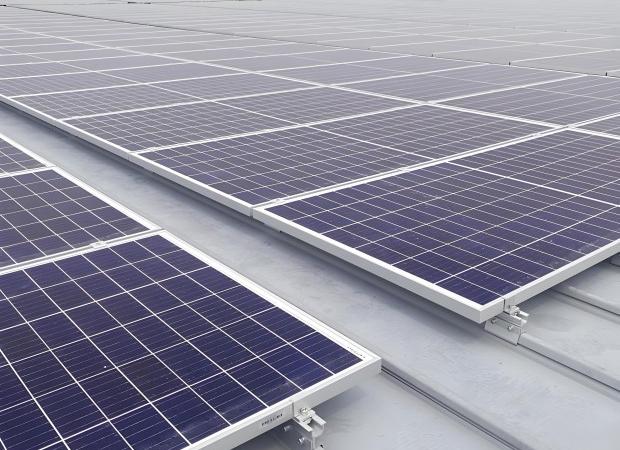
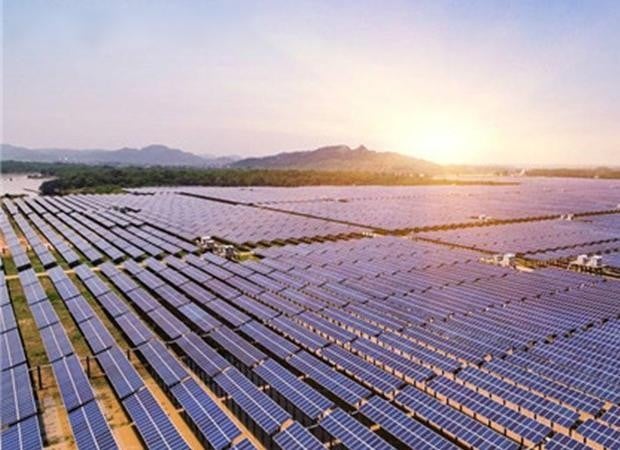
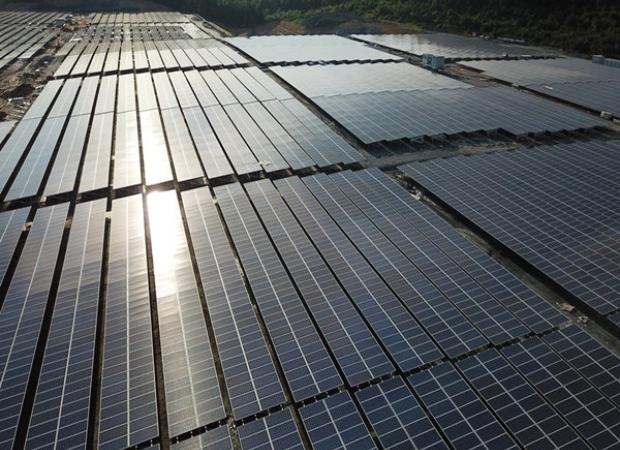
In the vast Gobi Desert of Qinghai Province, PWSOLAR Company successfully constructed and operated a 5.5 MW solar utility ground power station in 2020. This project not only injects new impetus into the development of clean energy in the local area, but also becomes a benchmark project for photovoltaic power generation in high-altitude regions. The following is an introduction from five dimensions: project background, technical solution, implementation process, operational effectiveness, and social value.
1、 Project background: The inevitable choice of plateau energy transformation
Qinghai Province has unique solar energy resources, with an average annual sunshine duration of over 3000 hours, and enormous potential for photovoltaic power generation. With the promotion of the national "dual carbon" target, the Qinghai Provincial Government has listed the clean energy industry as a key development direction, and plans to build a national clean energy industry highland by 2025. PWSOLAR actively responded to policy calls and chose to build a 5.5MW ground power station in Taratan, Gonghe County. The project is located in the core area of the world's largest photovoltaic power park, with over 20 million kilowatts of installed capacity gathered around it, forming a clean energy cluster with significant economies of scale.
2、 Technical solution: Efficient and reliable photovoltaic system design
1. Selection of photovoltaic modules
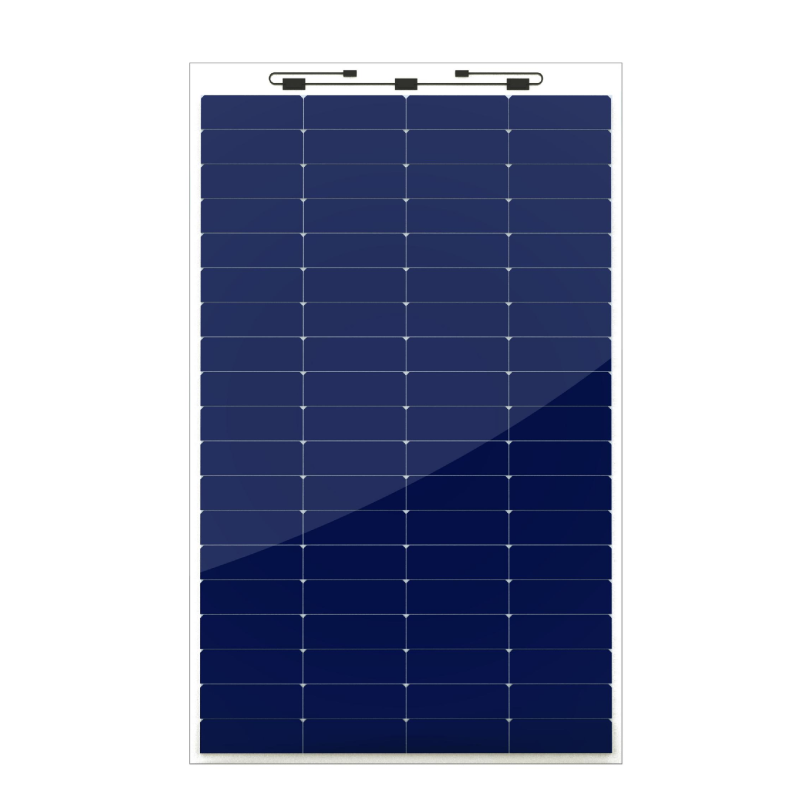
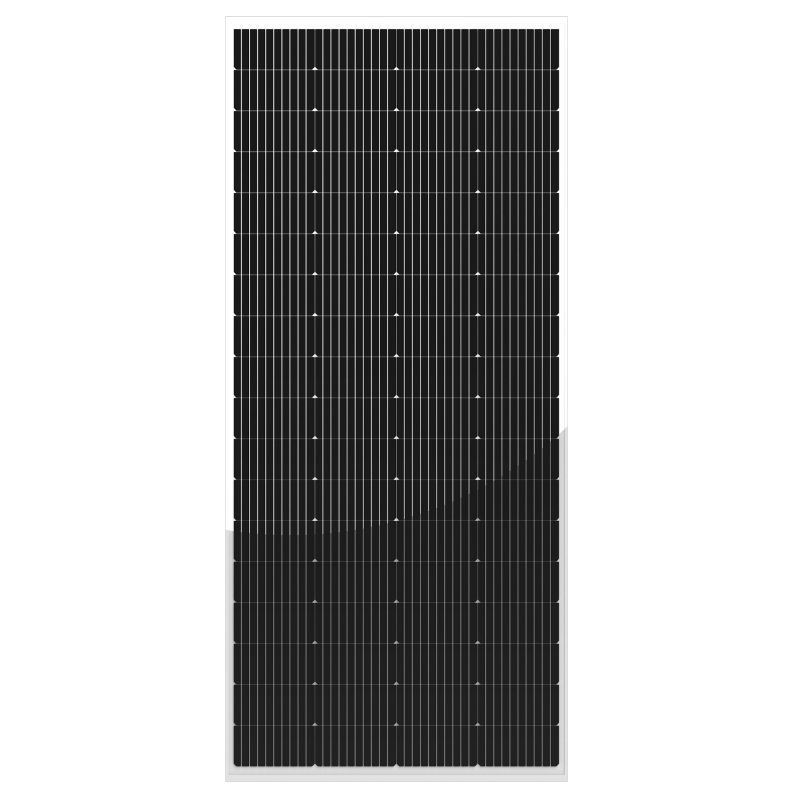
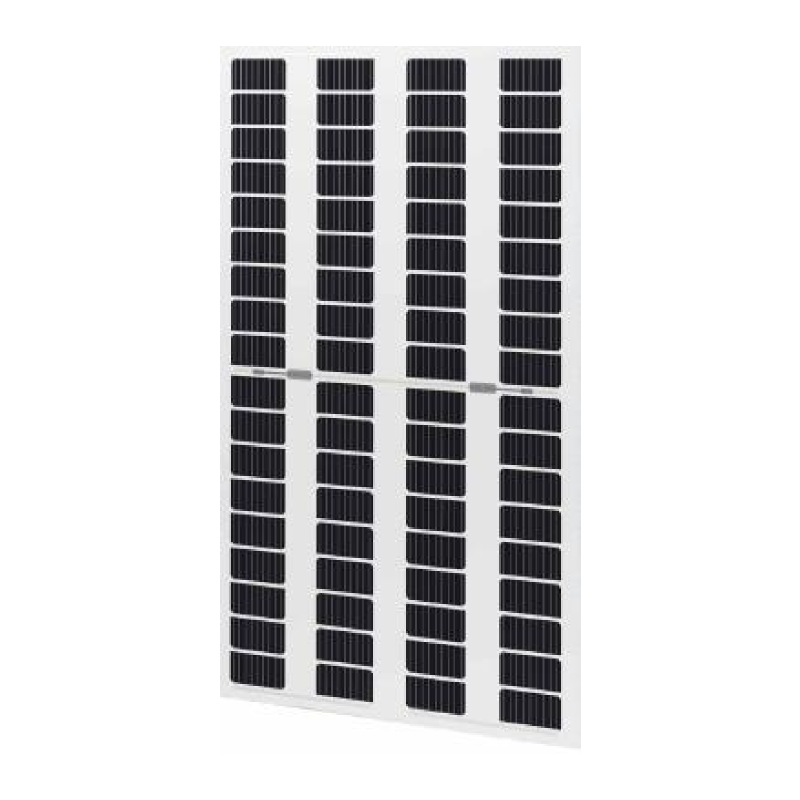
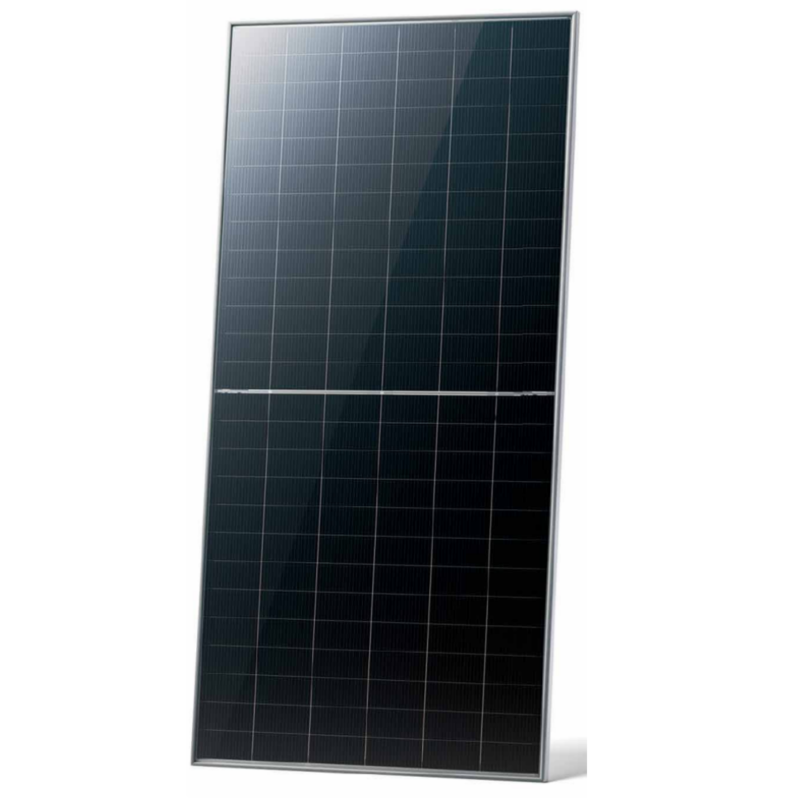
The project adopts 330 watt polycrystalline silicon solar panels, whose technical features include:
Mature process: Polycrystalline silicon technology has the advantages of low cost and high stability, suitable for large-scale ground power station applications
Plateau adaptability: The solar panels have passed rigorous environmental tests such as UV resistance and wind sand resistance, ensuring stable operation in areas above 3000 meters above sea level
System compatibility: Perfectly matched with string inverters, achieving MPPT dynamic tracking and reducing shadow occlusion losses
2. System architecture design
The power station adopts the "block generation and centralized grid connection" mode:
Square layout: Divided into 1.5 MW units, each unit is equipped with approximately 4500 330 watt solar panels, and the tilt angle is optimized according to the local latitude
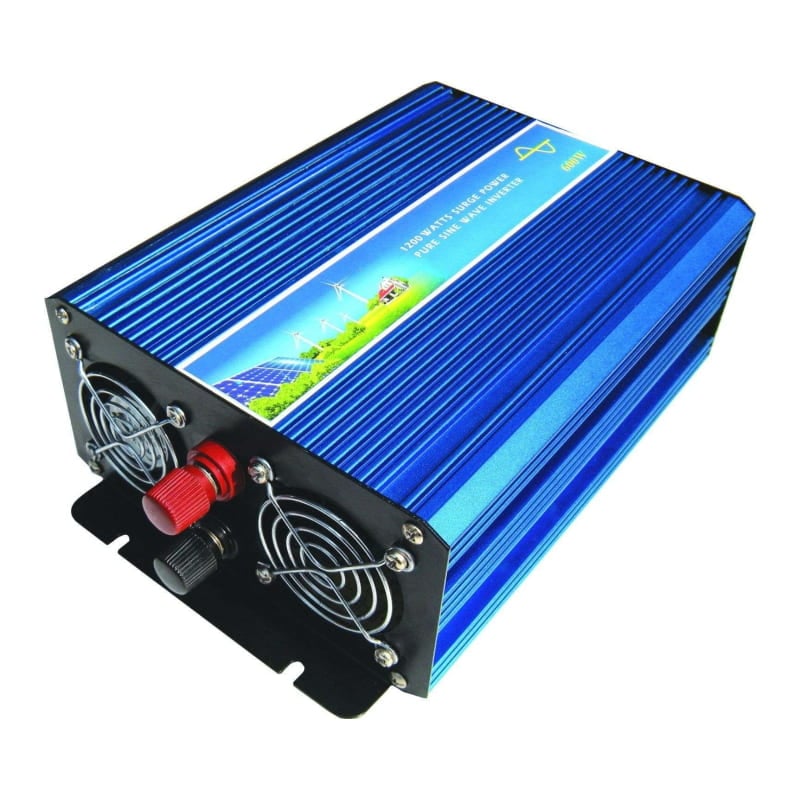
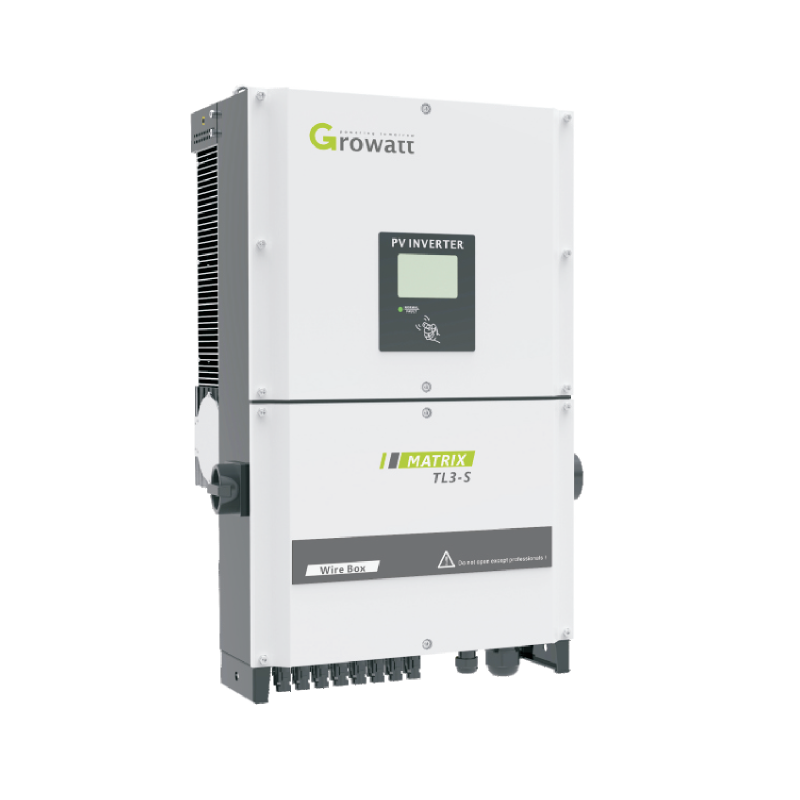
Inverter system: Huawei SUN2000 series string inverters are selected, which have multiple MPPT functions and increase power generation efficiency by more than 5%
Energy storage configuration: Reserved interface for molten salt thermal storage system, which can be upgraded to a solar thermal hybrid power station in the future to achieve continuous power supply day and night
3. Innovative technology application
Intelligent operation and maintenance platform: integrating FusionSolar monitoring system to achieve remote management functions such as fault warning and power generation analysis
Ecological restoration design: planting cold resistant grass under photovoltaic panels, increasing vegetation coverage to 80%, forming an ecological cycle model of "power generation on the board and planting under the board"
3、 Implementation process: Construction challenges in high-altitude environments
1. Construction phase
Time node: Construction started in March 2020 and grid connection was completed in August, with a construction period of only 5 months
Environmental response:
Overcoming the low temperature of minus 30 ℃, using precast concrete foundation to shorten the construction period
Install anti glare coating on solar panels for high UV environments
Solve the problem of sandstorms and install automatic cleaning robots
2. Grid connection debugging
Grid access: Connected to Longyangxia Water Photovoltaic Complementary Power Station through a 35kV line to achieve smooth output of fluctuating power sources
Performance test: After 240 hours of continuous operation verification, the system efficiency reached 82.3%, exceeding the design expectation
4、 Operational effectiveness: Win win for both economy and environment
1. Power generation performance
Annual power generation: reaching 8.8 million kilowatt hours, equivalent utilization hours of 1600 hours, exceeding the average level of Qinghai Province
Revenue model: Adopting a "full grid connection" mechanism, with an electricity price of 0.4 RMB/kWh and an annual income of 3.52 million RMB
2. Energy conservation and emission reduction
Annual emission reduction: Reduce carbon dioxide emissions by 7020 tons, equivalent to planting 380000 trees
Resource conservation: saving 3520 tons of standard coal and reducing equivalent sulfur dioxide emissions by 105 tons
3. Operation and maintenance costs
Advantages of intelligent operation and maintenance: The failure rate is less than 0.1%, and the operation and maintenance efficiency of traditional centralized inverters is improved by 80%
Electricity cost per kilowatt hour: reduced to 0.25 RMB, with market competitiveness
5、 Social Value: Demonstration Project of Multiple Benefits
1. Industry driven
Localized procurement: 60% of solar panels, brackets, and other equipment come from local enterprises in Qinghai, promoting the development of the industrial chain
Employment creation: Provide 200 positions during the construction period, and hire 15 local technical personnel stably during the operation and maintenance period
2. Environmental improvement
Desert control: The vegetation coverage rate in the project area has been increased from less than 20% to 65%, forming a "photovoltaic+ecological" restoration model
Water resource protection: adopting dry cleaning technology, saving about 25000 tons of water annually
3. Technical Demonstration
High altitude power station standards: Formulate three enterprise standards including the "Design Specification for High altitude Photovoltaic Power Stations"
International cooperation: providing technical solutions for highland countries such as Kazakhstan and Mongolia
Conclusion
The 5.5 MW ground power station project of PWSOLAR company, with 330 watt polycrystalline solar panels as the core, has created a demonstration project of "efficient power generation, ecological restoration, and industrial drive" in the Qinghai Tibet Plateau through technological innovation and model innovation. The project not only contributes significantly to the construction of the Qinghai Clean Energy Base, but also provides a replicable Chinese solution for photovoltaic development in high-altitude regions around the world. With the installed capacity of new energy in Qinghai exceeding 80 million kilowatts during the 14th Five Year Plan period, this project will continue to play its benchmark role and assist in the global energy transformation.

 EN
EN