Project Background and Significance
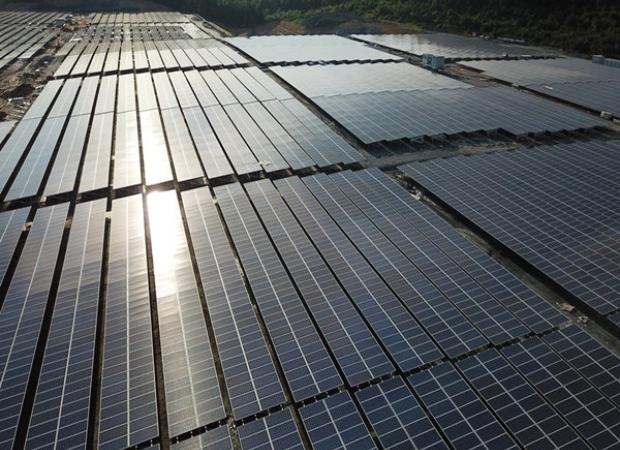
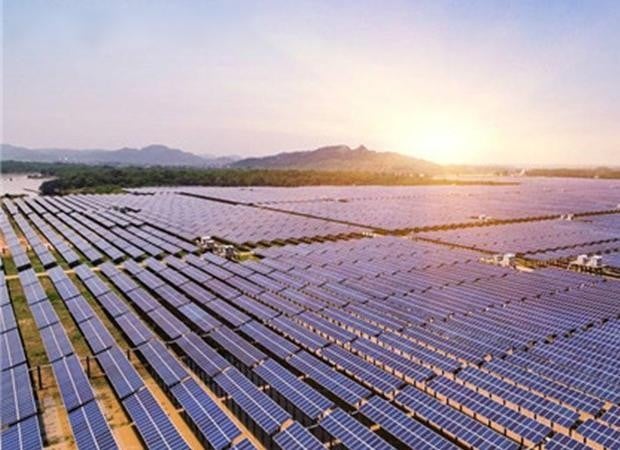
In 2018, PWSOLAR actively responded to the call of the Thai government to promote the development of renewable energy and successfully built and operated a 5-megawatt solar utility ground power station project in central Thailand. This project is an important practice of Thailand's power development plan PDP2018, aimed at increasing the proportion of renewable energy in the country, reducing dependence on fossil fuels, and providing clean energy support to local communities.
Thailand is located in the tropics, with an annual radiation of approximately 1800 kW · h/m ², and over half of the region can experience a daily radiation of 5.00-5.28 kW · h/m ², providing unique natural conditions for photovoltaic power generation. The project site selection fully considers sunshine resources, land availability, and grid access conditions to ensure maximum power generation efficiency.
Project Technical Proposal
Selection of Photovoltaic Modules
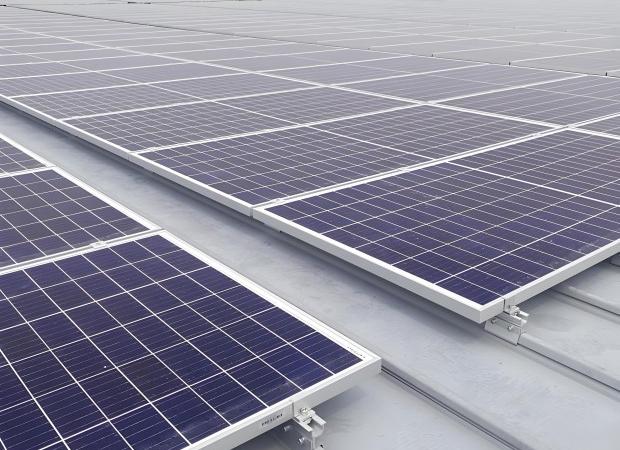
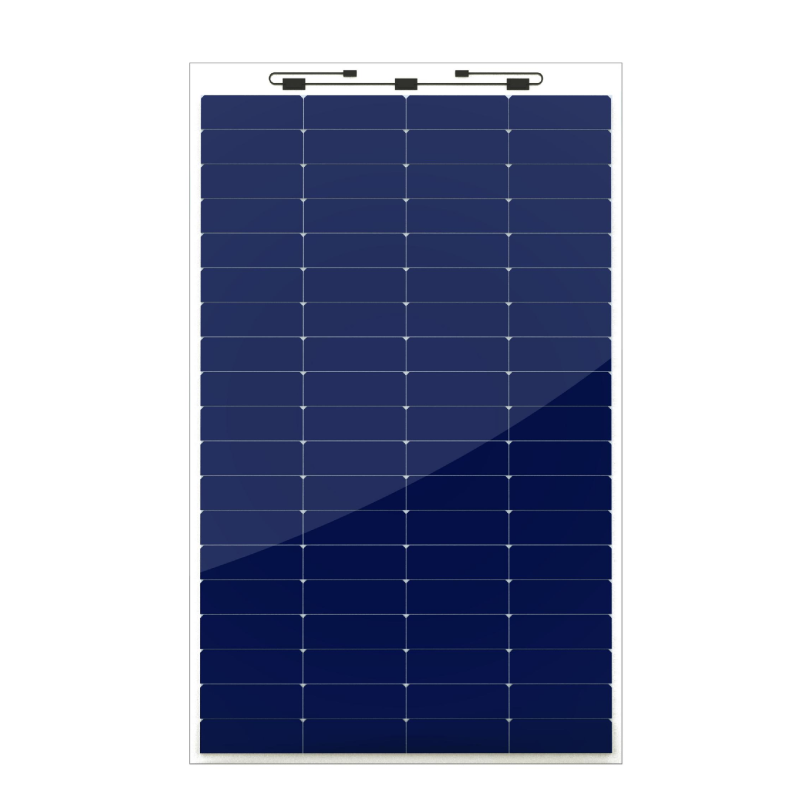
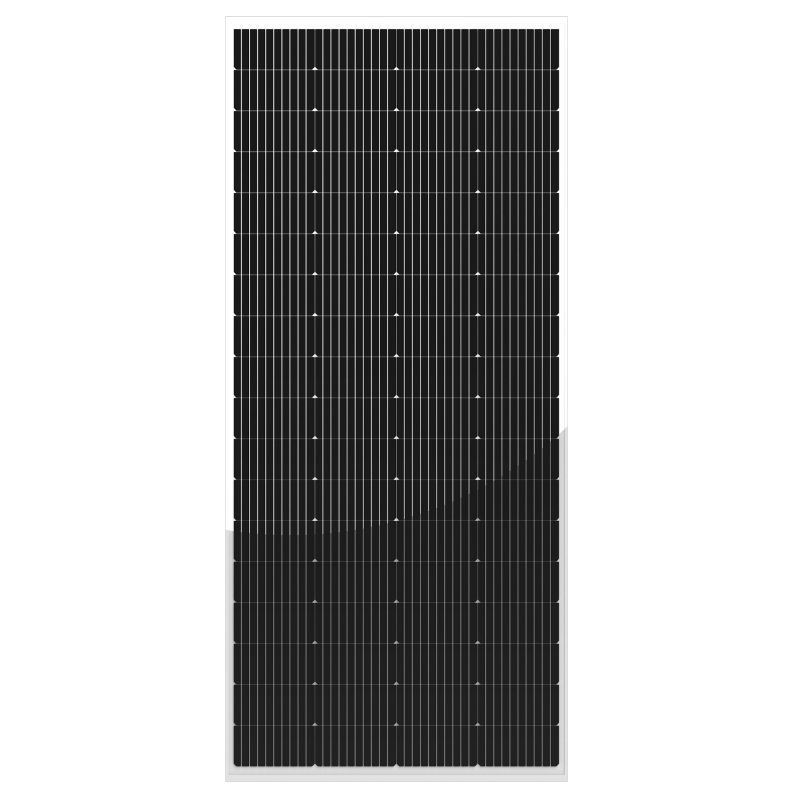
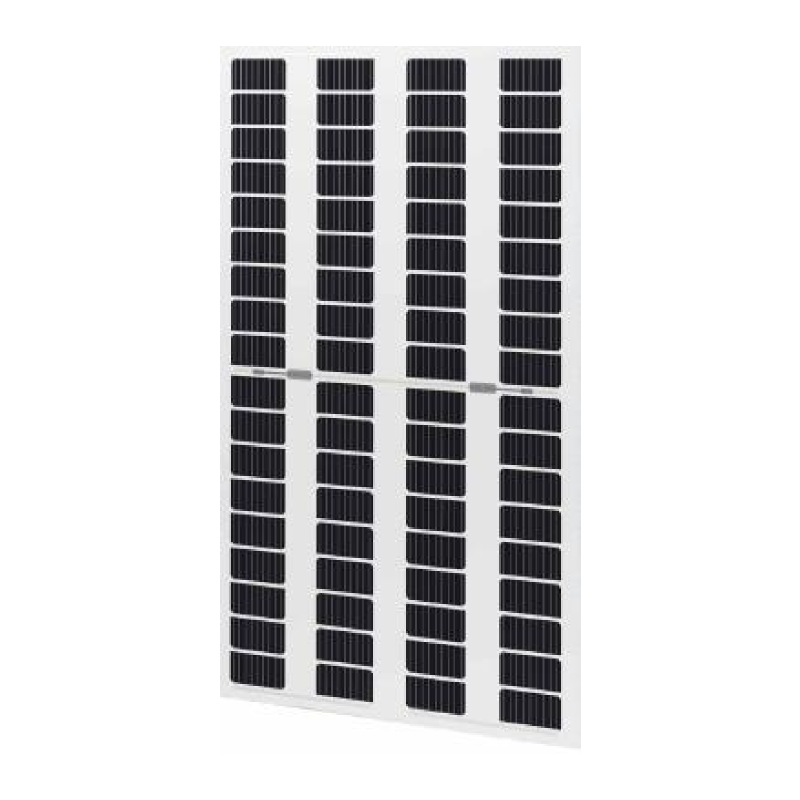
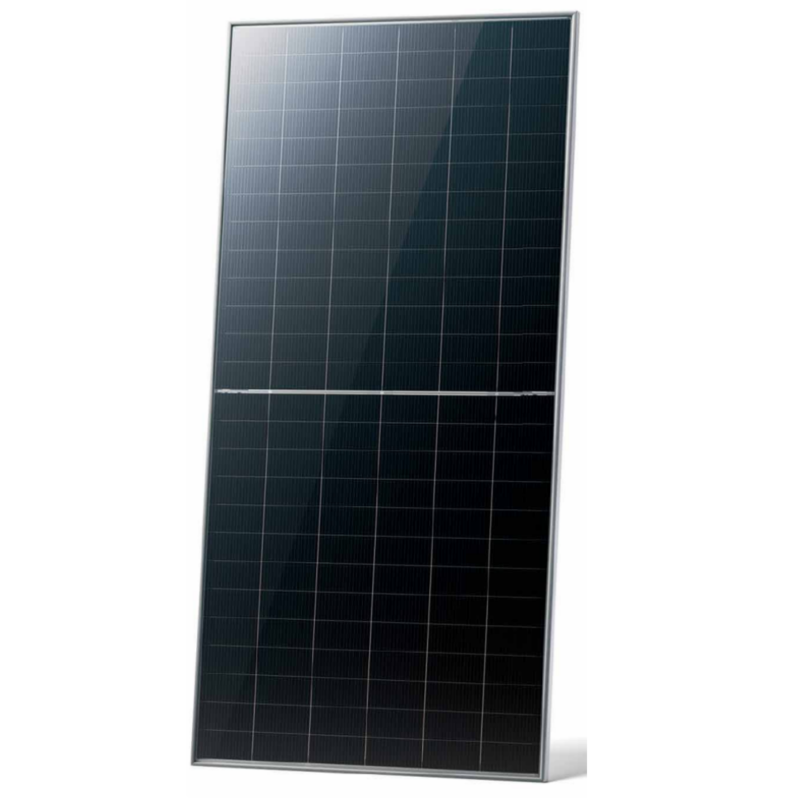
This project adopts 300 watt polycrystalline solar panels, which have the following advantages:
Mature and reliable: Polycrystalline silicon technology has been validated in the market for many years and has high stability
Outstanding cost-effectiveness: while ensuring power generation efficiency, effectively controlling project costs
Environmental adaptability: able to adapt to the high temperature and humidity climate conditions in Thailand
System Design
The project adopts a centralized photovoltaic power generation system design, with the main technical parameters as follows:
Photovoltaic array: adopts a fixed tilt angle installation method, and the tilt angle is optimized according to the local latitude design
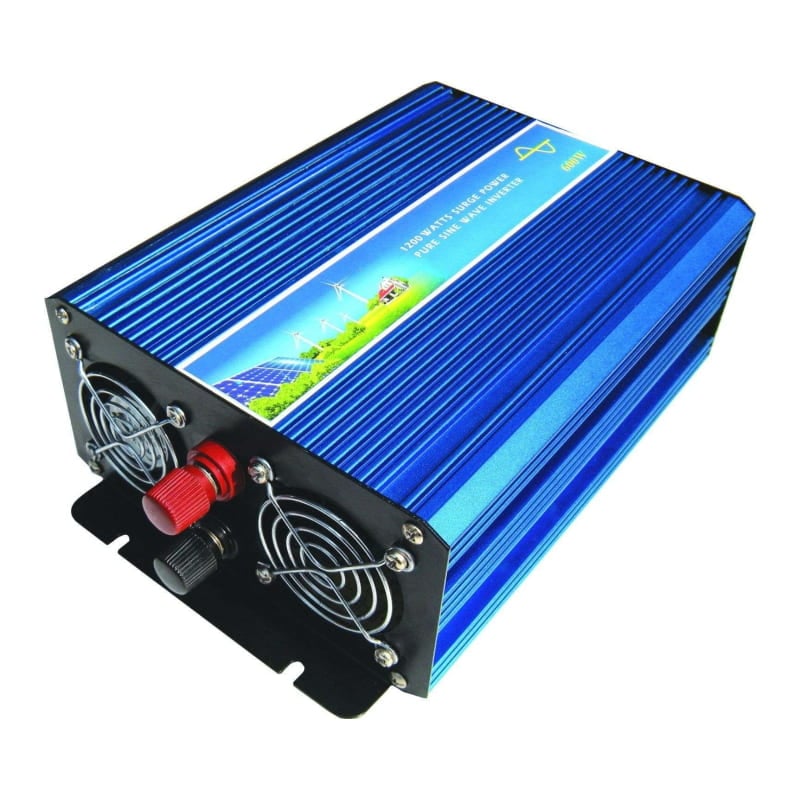
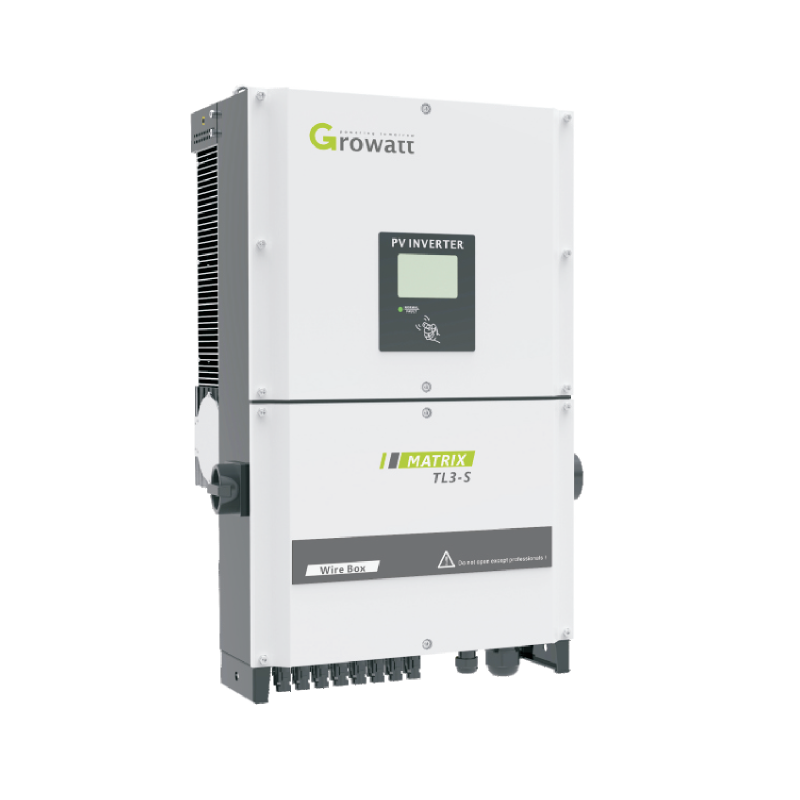
Inverter: Choose a centralized inverter to improve the overall efficiency of the system
Grid connected system: Configure smart meters to achieve bidirectional metering
Monitoring system: equipped with a remote monitoring platform to monitor the real-time operation status of the system
Project implementation process
Project Planning and Site Selection
After detailed research, the project team finally chose a location near an industrial zone in central Thailand, which has the following characteristics:
Flat land and stable geological conditions
Convenient access to the power grid and short transmission distance
There are no tall buildings blocking the surrounding area, and the sunshine conditions are superior
construction
The project adopts a modular construction method, and the main construction process includes:
Site leveling and foundation construction
Installation of photovoltaic brackets
Installation of photovoltaic modules
Installation of electrical equipment
System debugging and grid connection testing
Strictly adhere to the technical standards of the Thai Engineering Institute (EIT) during the construction process to ensure the quality of the project.
grid-connected operation
The project was successfully connected to the grid at the end of 2018, becoming a demonstration project for Thailand's solar public utility ground power station. After years of operation, the system has stable performance and the power generation efficiency has reached the design expectations.
Economic benefits of the project
investment cost
The total investment of the project is approximately 250 million Thai baht, consisting of the following components:
Photovoltaic modules: approximately 180 million Thai baht
Inverter and electrical equipment: approximately 40 million Thai baht
Installation project: approximately 20 million Thai baht
Other expenses: approximately 10 million Thai baht
Revenue Analysis
The expected annual power generation of the project is about 8 million kilowatt hours, and according to the power purchase agreement of the Electricity Generating Authority of Thailand, the annual revenue is about 32 million Thai baht. The investment payback period is about 7-8 years, and significant economic benefits can be created during the project lifecycle.
Social benefits of the project
Environmental protection
The project reduces carbon dioxide emissions by approximately 6400 tons annually, equivalent to the environmental benefits of planting 350000 trees. Contribute to Thailand's goal of reducing greenhouse gas emissions by 30% by 2030.
Employment creation
During the project construction period, approximately 200 job positions will be created, and 15 long-term job positions will be provided during the operation period, injecting vitality into the local economic development.
Technology Demonstration
The project has become a demonstration project for Thailand's solar public utility ground power station, providing valuable experience and technical reference for similar projects in the future.
Policy support and compliance
This project strictly complies with the requirements of Thailand's Electricity Development Plan (2018-2037) and the Promotion of Solar Power Generation Act, and has completed registration with the Alternative Energy Development and Energy Conservation Agency (DEDE). According to the 2018 policy, projects can enjoy import tariff preferences and corporate income tax reductions for photovoltaic modules.
Project advantages and characteristics
Efficient power generation: using 300 watt polycrystalline solar panels, stable power generation efficiency
Cost control: Effectively control project costs through large-scale procurement and localized construction
Environmentally friendly: zero emissions, zero pollution, in line with Thailand's sustainable development strategy
Policy support: Enjoy multiple renewable energy incentive policies from the Thai government
Mature technology: Adopting market validated mature technology to ensure long-term stable operation of the project
Project Outlook
With the advancement of Thailand's power development plan, PWSOLAR will continue to deeply cultivate the renewable energy market in Thailand, planning to build more solar power plant projects in Thailand in the next 3-5 years to help Thailand achieve its 2050 carbon neutrality goal.
As an important milestone for PWSOLAR in Thailand, this project not only accumulates valuable experience for the company, but also sets an example for China Thailand renewable energy cooperation. We will continue to uphold the concepts of innovation, efficiency, and environmental protection, and contribute to Thailand's energy transformation and sustainable development.

 EN
EN