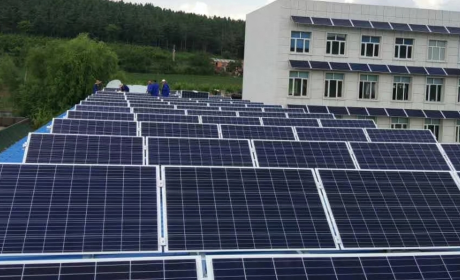
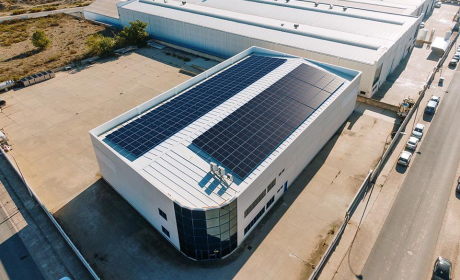
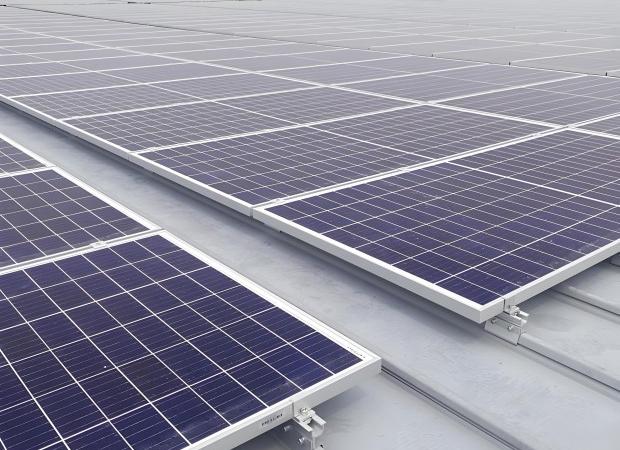
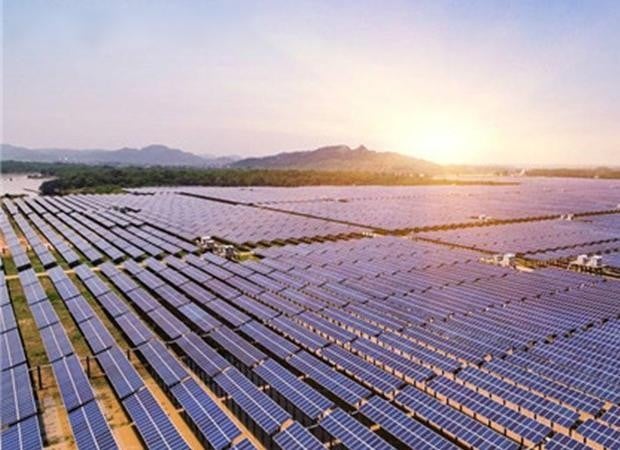
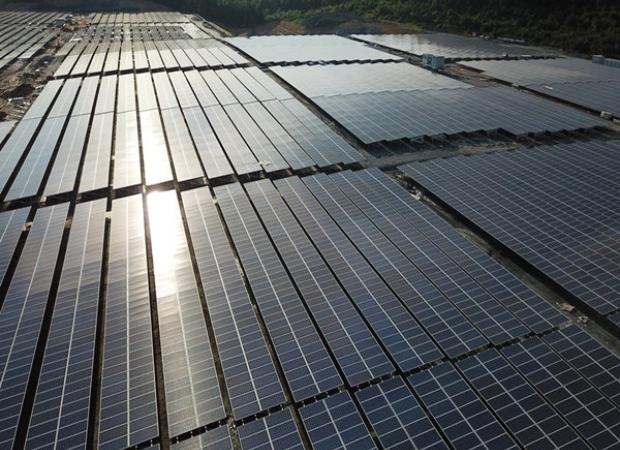
Against the backdrop of accelerated global energy transition, commercial and industrial distributed photovoltaic projects have become an important way for enterprises to achieve sustainable development. PWSOLAR has successfully implemented a commercial project for a 2 MW solar factory office building in Gansu Province, relying on its excellent technical strength and rich project experience. It uses 630 watt N-type TOPCon solar panels to provide efficient and reliable clean energy solutions for industrial and commercial users. This project not only significantly reduces the operating costs of enterprises, but also makes positive contributions to environmental protection, becoming a model for distributed photovoltaic projects in the northwest region.
Project Background and Significance
Gansu Province, as an important industrial base in northwest China, has abundant solar energy resources. According to meteorological data, the region has an average annual sunshine duration of over 2800 hours and high solar radiation intensity, providing unique natural conditions for photovoltaic power generation. With the continuous growth of global energy demand and the increasingly severe crisis of traditional energy, the development of new energy has become a global consensus. In recent years, the Chinese government has attached great importance to the development of the new energy industry and vigorously promoted the construction of renewable energy projects such as photovoltaic power generation.
PWSOLAR actively responds to national policies and will implement a 2 MW distributed photovoltaic project on the roof of a large factory office building in Gansu Province in January 2025. This project fully utilizes the idle roof resources of the factory, achieves efficient utilization of green energy, reduces enterprise operating costs, and contributes to environmental protection. The project adopts 630 watt N-type TOPCon solar panels, which have the advantages of high efficiency, low attenuation, and low temperature coefficient, providing a solid guarantee for the long-term stable operation of the project.
Project Technical Proposal
Selection of Photovoltaic solar modules
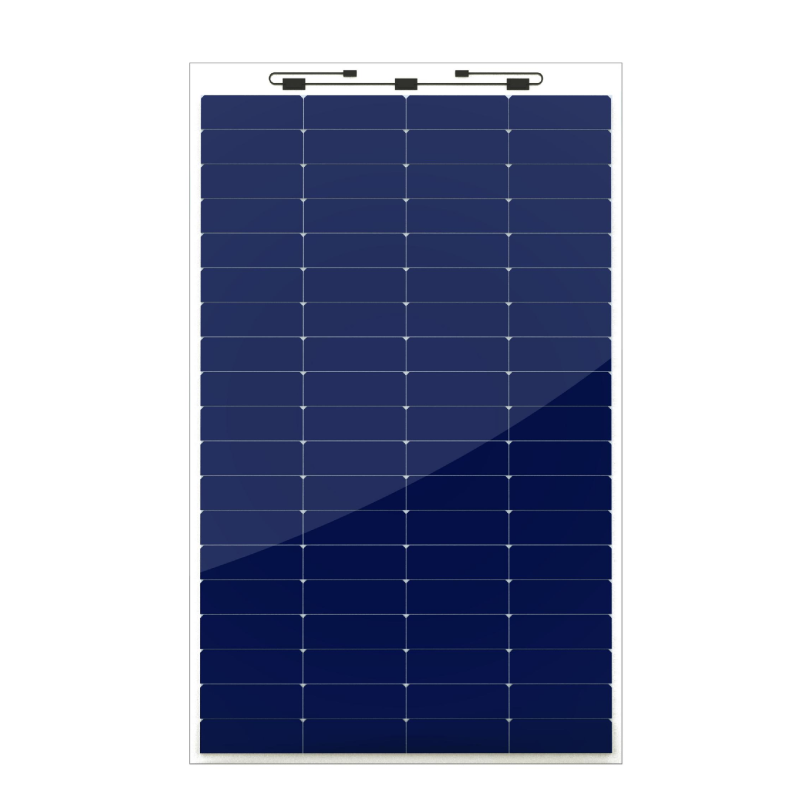
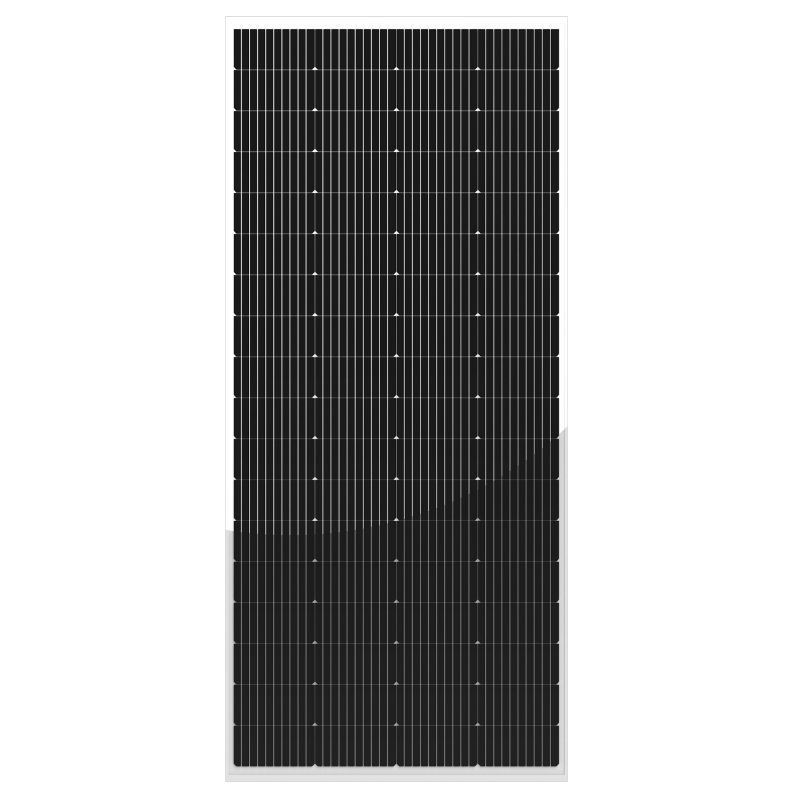
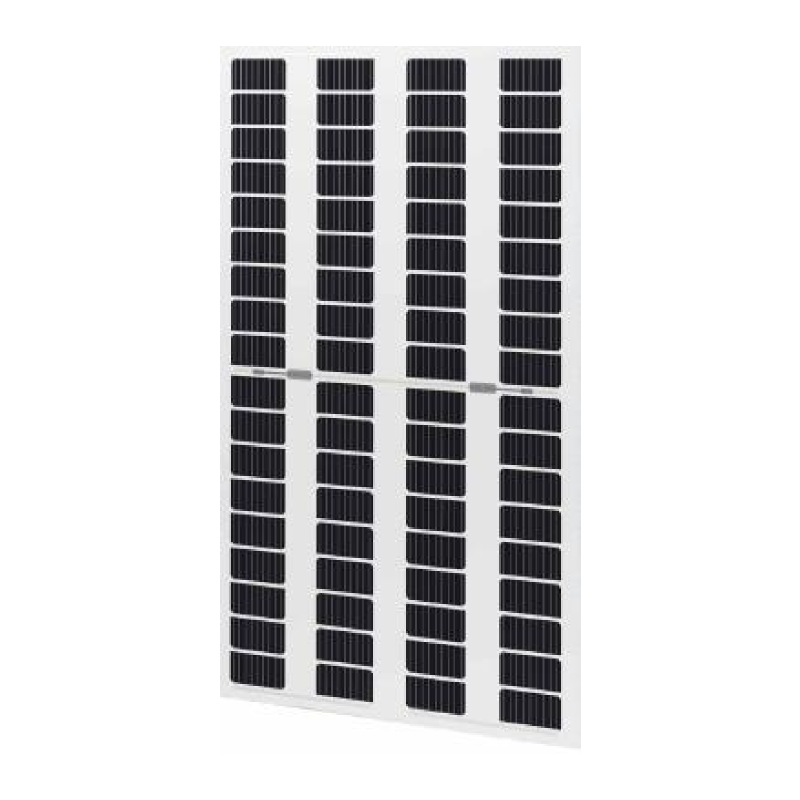
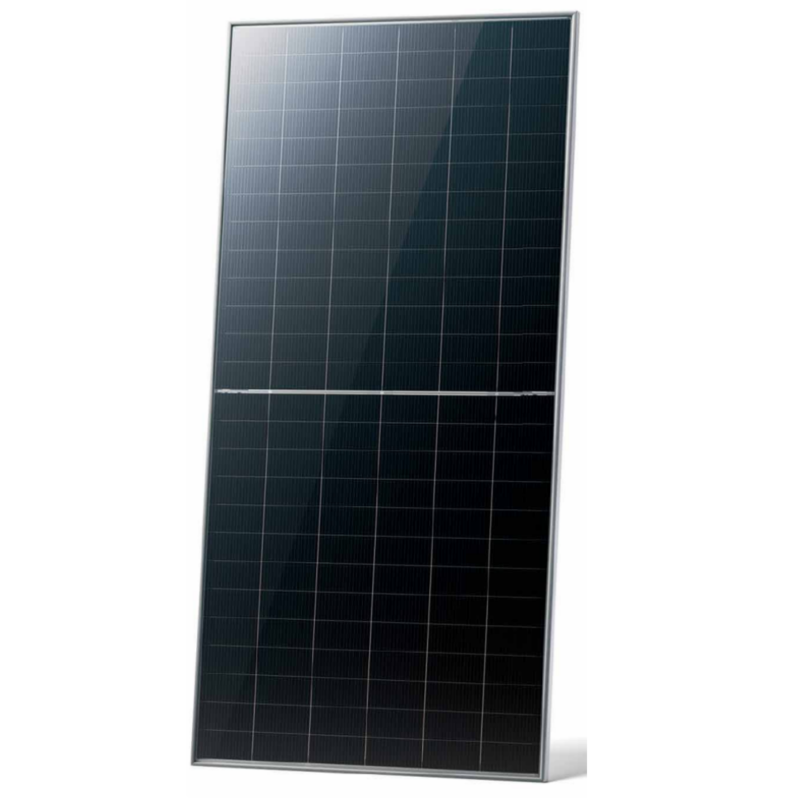
This project adopts 630 watt N-type TOPCon solar panels, which have the following significant advantages:
High efficiency: The theoretical efficiency of N-type TOPCon solar cells can reach 28.7%, and the actual production efficiency is close to 25%, the highest level in the industry. Compared to traditional P-type solar cells, N-type TOPCon solar cells perform better under low light conditions, with a significant increase in power generation.
Low attenuation: N-type TOPCon solar cells experience a 1% attenuation in the first year and a 0.4% attenuation year by year. After 30 years, the output power will not be lower than 85.1% of the original output power. This feature ensures the long-term stable operation of the project and reduces maintenance costs.
Low temperature coefficient: The temperature coefficient of N-type TOPCon solar cells is -0.30%/℃, and they can still maintain high power generation efficiency in high temperature environments. The high summer temperatures in Gansu Province are particularly important.
High double-sided rate: The N-type TOPCon solar cell has a double-sided rate of over 70%, which increases power generation by reflecting ground light. The project adopts a double-sided component design to further improve the overall efficiency of the system.
Good low light response: N-type TOPCon solar cells generate higher power under low light conditions such as cloudy days, morning, and evening, ensuring stable operation of the project under different weather conditions.
System Design
This project adopts the sales mode of "self use and surplus electricity connected to the grid", and the system design is as follows:
Photovoltaic array: Fixed tilt angle installation method is adopted, and the tilt angle is optimized according to the local latitude design. The project installed a total of 3175pcs 630 watt N-type TOPCon solar panels, with a total installed capacity of 2 megawatts.
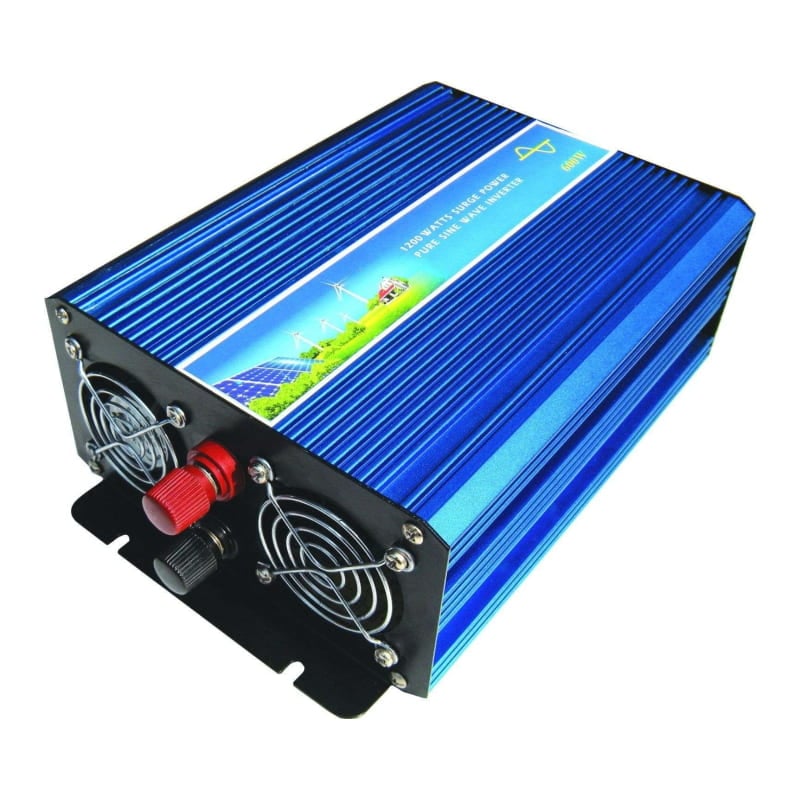
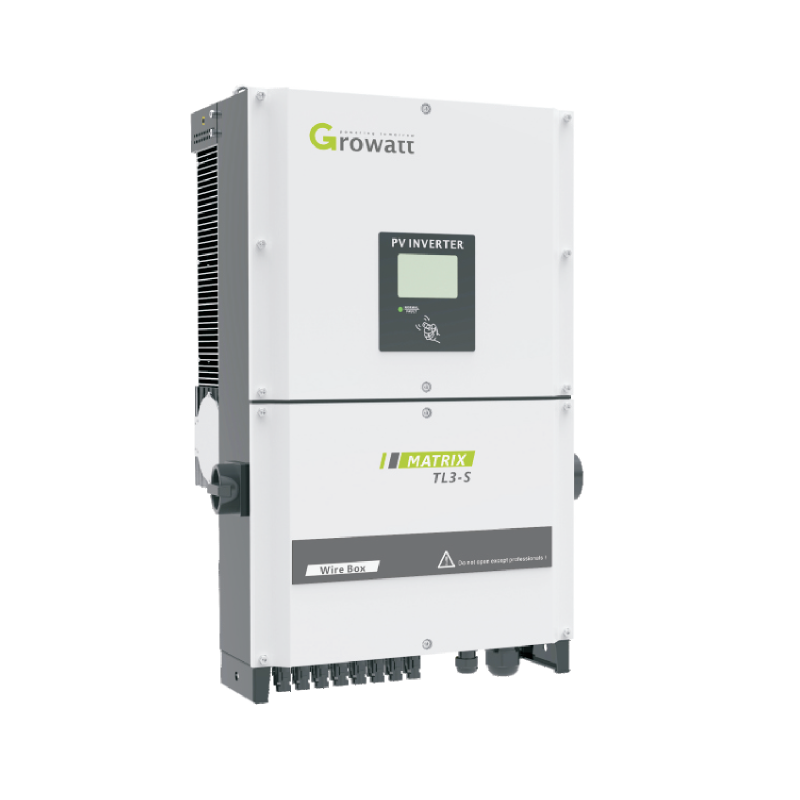
Inverter: Select string inverters to ensure efficient operation of the system. The project is equipped with 20 100 kW string inverters to achieve maximum power point tracking (MPPT) and improve the overall efficiency of the system.
Grid connected system: Configure smart meters to achieve bidirectional metering. The project adopts a 380V low-voltage grid connection method to simplify the access process and reduce investment costs.
Monitoring system: equipped with a remote monitoring platform to monitor the real-time operation status of the system. Through mobile apps and computer terminals, homeowners can view key parameters such as power generation and system efficiency at any time, achieving intelligent management.
Economic Benefit Analysis of the Project
Investment Cost
The total investment of this project is about 8 million RMB, and the specific composition is as follows:
Photovoltaic solar modules: about 5 million RMB (unit price of 630 watt N-type TOPCon solar modules is about 1580 RMB/piece)
Inverter and electrical equipment: approximately 1.5 million RMB
Installation project: approximately 1 million RMB
Other expenses: Approximately 500000 RMB (including design fees, grid connection fees, etc.)
Revenue Analysis
The expected annual power generation of this project is about 2.4 million kilowatt hours, and the revenue will be calculated according to the following two modes:
Spontaneous self use mode:
Electricity price: 0.7 RMB/kWh (commercial and industrial electricity price)
Annual revenue: 2.4 million kilowatt hours x 0.7 RMB/kilowatt hour=1.68 million RMB
Investment payback period: approximately 4.76 years
Full internet access mode:
Electricity price: 0.4 RMB/kWh (benchmark electricity price for photovoltaic in Gansu Province)
Annual revenue: 2.4 million kilowatt hours x 0.4 RMB/kilowatt hour=960000 RMB
Investment payback period: approximately 8.33 years
Taking into account all factors, this project adopts an operating model of "self use as the main source, supplemented by surplus electricity grid connection", with an expected annual revenue of approximately 1.5 million RMB and an investment payback period of approximately 5.33 years.
Energy saving and emission reduction benefits
This project saves approximately 960 tons of standard coal annually, reduces carbon dioxide emissions by approximately 2400 tons, reduces sulfur dioxide emissions by approximately 72 tons, and reduces nitrogen oxide emissions by approximately 36 tons. The project not only brings economic benefits to the enterprise, but also makes positive contributions to environmental protection, achieving a win-win situation between economic and environmental benefits.
Project Implementation Process
Project evaluation: Conduct on-site inspections to assess the roof's load-bearing capacity, orientation, and shading conditions. The roof of the factory office building in this project is a concrete structure with good load-bearing capacity, suitable for installing photovoltaic solar modules.
Scheme design: Based on the evaluation results, develop a detailed design scheme. The project adopts a sales model of "self use and surplus electricity connected to the grid" to optimize system configuration and improve power generation efficiency.
Equipment procurement: Select high-quality suppliers and purchase equipment such as 630 watt N-type TOPCon solar panels and string inverters. All equipment is certified by T Ü V to ensure reliable quality.
Construction and installation: A professional team carries out construction and installation to ensure the quality of the project. The project adopts modular design to shorten the construction period and reduce the impact on the normal operation of the factory.
Grid connection acceptance: Complete the grid connection procedures and pass the acceptance. The project adopts a 380V low-voltage grid connection method to simplify the access process and reduce investment costs.
Operation and maintenance services: Provide 25 years of operation and maintenance services to ensure the long-term stable operation of the system. PWSOLAR is equipped with a professional operation and maintenance team, which conducts regular inspections, promptly handles faults, and ensures the efficient operation of the system.
Policy Support
This project complies with multiple national and local policy supports:
Management Measures for the Development and Construction of Photovoltaic Power Stations by the National Energy Administration
Several Opinions of the State Council on Promoting the Healthy Development of the Photovoltaic Industry
Notice of the National Development and Reform Commission on Relevant Issues Concerning the Improvement of the Grid Electricity Pricing Mechanism for Photovoltaic Power Generation
Local subsidy policies in Gansu Province (depending on the location of the project)
The project enjoys multiple national and local subsidies and tax incentives, further reducing investment costs and enhancing project economic benefits.
Project Advantages
Efficient and energy-saving: Using 630 watt N-type TOPCon solar panels, the power generation efficiency is high, reducing the cost of electricity for enterprises.
Fast investment return: The investment can be recovered in 5-7 years, and the following ten years are the pure income period, bringing long-term stable returns to the enterprise.
Significant environmental benefits: reducing carbon emissions, improving environmental quality, and enhancing the green image of enterprises.
Policy support: Enjoy multiple national and local subsidies and tax incentives to reduce investment risks.
Enhance corporate image: Improve the green image of the enterprise, enhance market competitiveness, and attract more customers.
Success Cases
PWSOLAR has successfully implemented distributed photovoltaic projects in multiple factories. Here are some examples:
A certain automobile parts manufacturing factory has an installed capacity of 1.5 megawatts, an annual power generation of about 1.8 million kilowatt hours, and an annual electricity cost savings of about 1.26 million RMB.
A certain food processing enterprise has an installed capacity of 2.5 megawatts, an annual power generation of about 3 million kilowatt hours, and an annual electricity cost savings of about 2.1 million RMB.
A certain electronic manufacturing enterprise: installed capacity of 3 megawatts, annual power generation of about 3.6 million kilowatt hours, and annual electricity cost savings of about 2.52 million RMB.
Project Outlook
With the continuous advancement of photovoltaic technology and the continuous decrease in costs, industrial and commercial distributed photovoltaic projects will usher in broader development space. PWSOLAR adopts 630 watt N-type TOPCon solar panels, which have the advantages of high efficiency, low attenuation, and low temperature coefficient, and will provide more reliable and efficient clean energy solutions for industrial and commercial users.
In the future, PWSOLAR will continue to optimize project design, improve system efficiency, reduce investment costs, provide high-quality distributed photovoltaic services for more industrial and commercial users, jointly promote the development of green energy, and achieve a win-win situation of economic and environmental benefits.
Conclusion
The 2 MW solar power factory office building commercial project implemented by PWSOLAR in Gansu Province uses 630 watt N-type TOPCon solar panels to provide efficient and reliable clean energy solutions for industrial and commercial users. The project has advantages such as fast investment return, significant environmental benefits, and policy support, and is an important way to achieve sustainable development for enterprises. We look forward to collaborating with more industrial and commercial users to jointly promote the development of green energy and create a better future.

 EN
EN