1、 Market opportunities in the context of Germany's energy transition
As a benchmark for global energy transition, Germany is accelerating its "Carbon Neutrality 2045" strategy, with renewable energy accounting for over 45%. According to the revised goals of the Climate Protection Act, Germany plans to achieve a 65% carbon reduction by 2030, which is 10 percentage points higher than the EU standard. Driven by this policy, photovoltaic power generation has become the core pillar of energy structure transformation. By 2025, the newly installed photovoltaic capacity in Germany is expected to reach 15GW, of which industrial and commercial distributed projects account for over 40%.
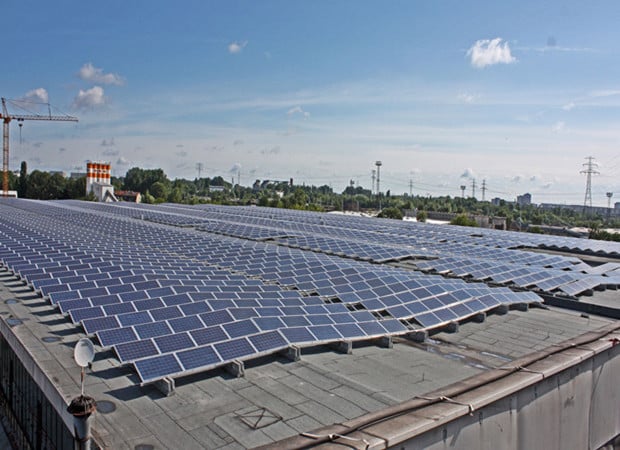
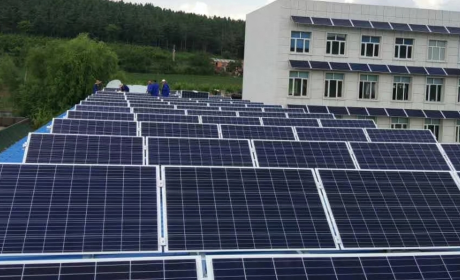
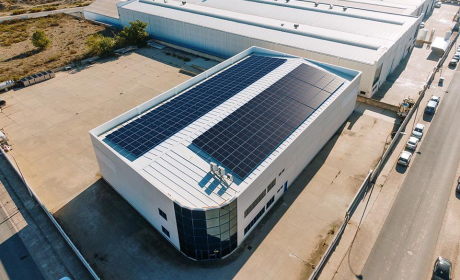
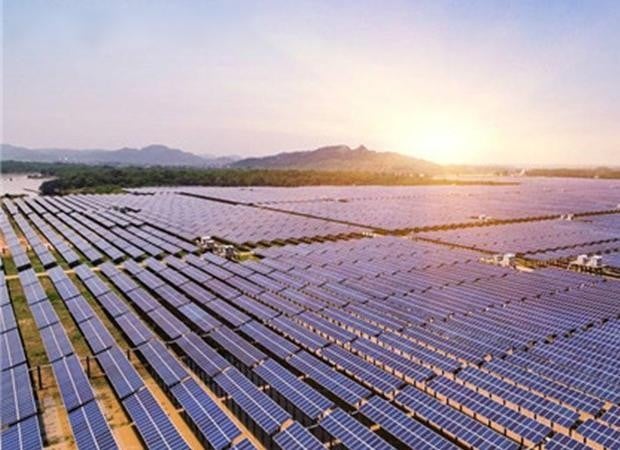
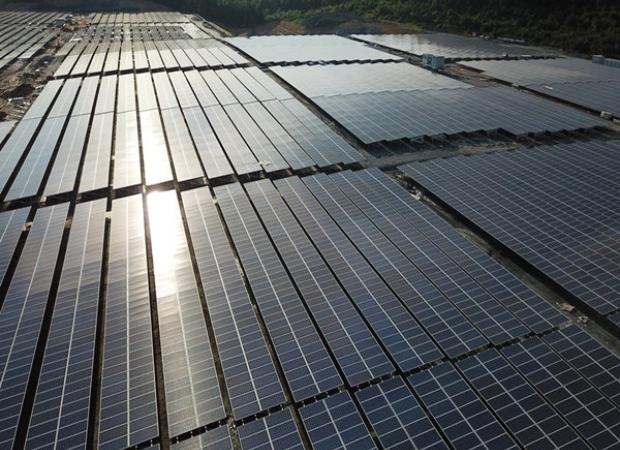
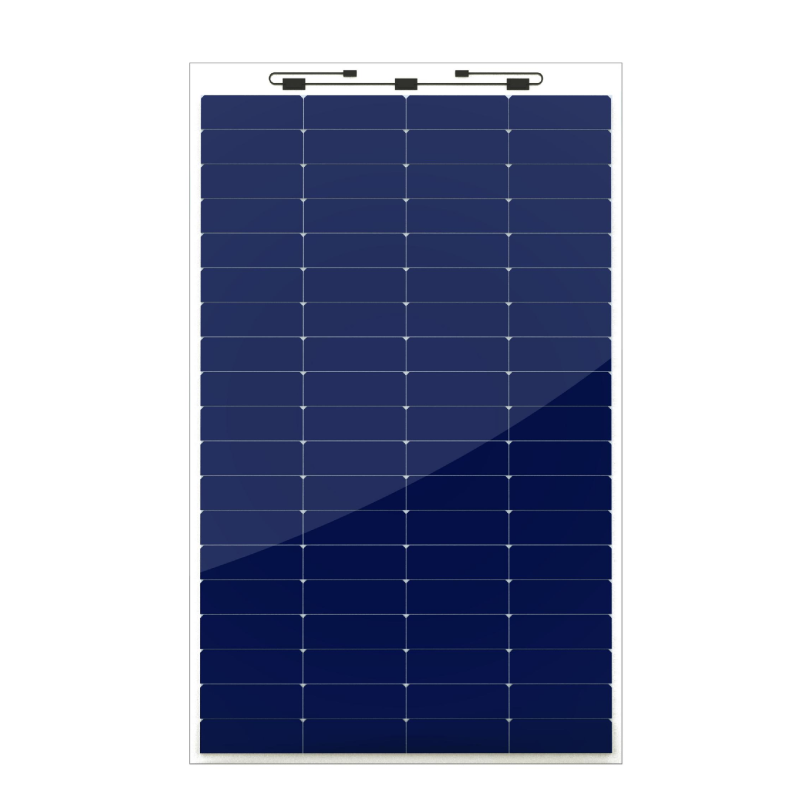
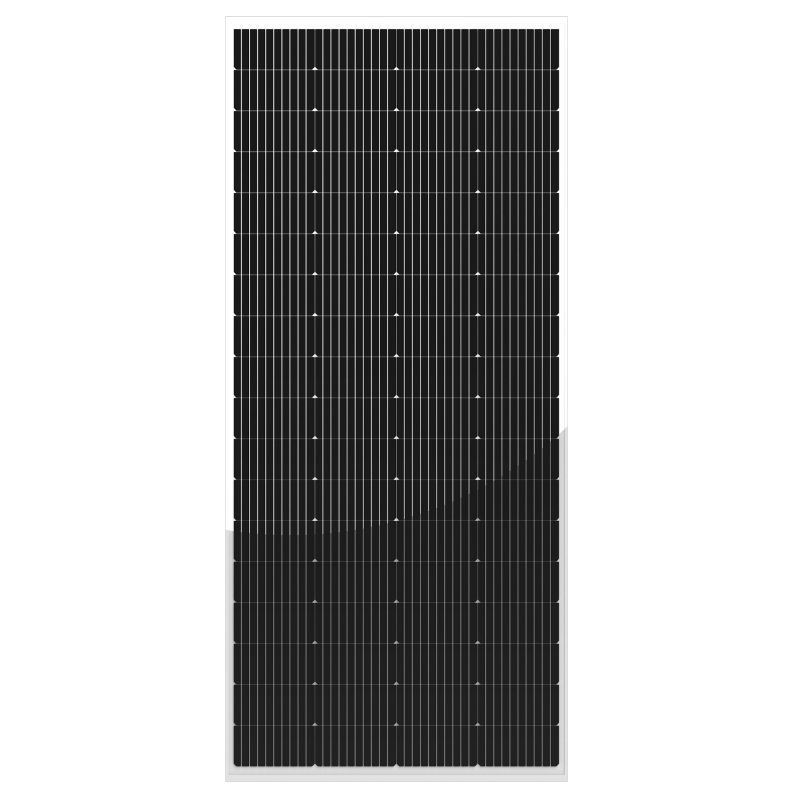
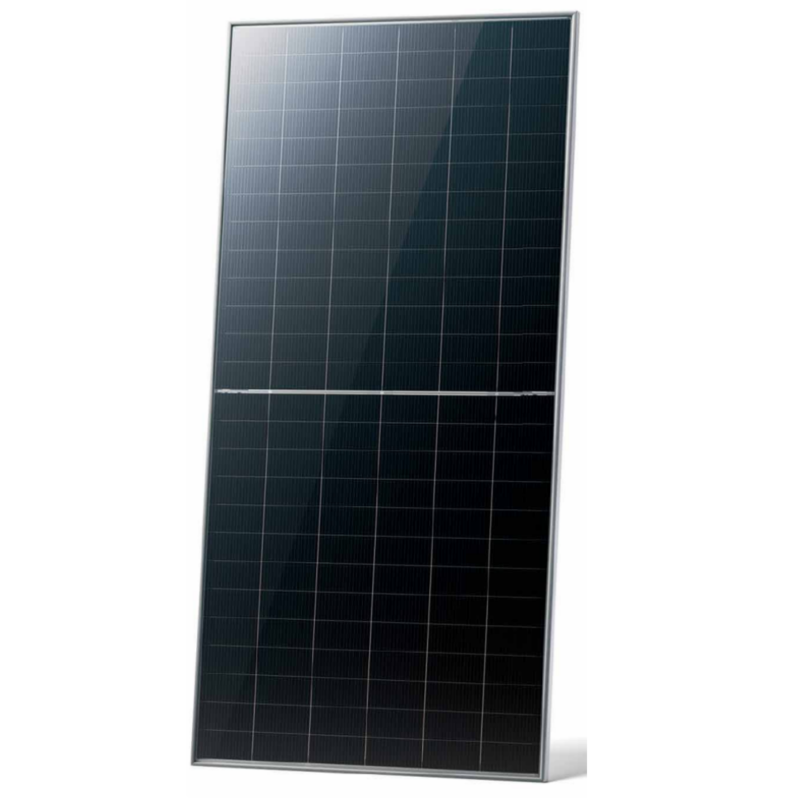
PWSOLAR has keenly seized this market opportunity and launched a 5.0MW grid connected solar system tailored to the characteristics of the German power grid. The system adopts 410 watt monocrystalline photovoltaic modules and achieves efficient power generation through the design of 108 half cells, perfectly adapting to Germany's strict grid connection standards. In a practical application in an industrial park in Brandenburg, the system generated 5.2 GWh of electricity in the first year, an increase of 8% compared to traditional components.
2、 Core technological advantage: Innovative breakthrough in 410 watt monocrystalline modules
1. Efficient power generation performance
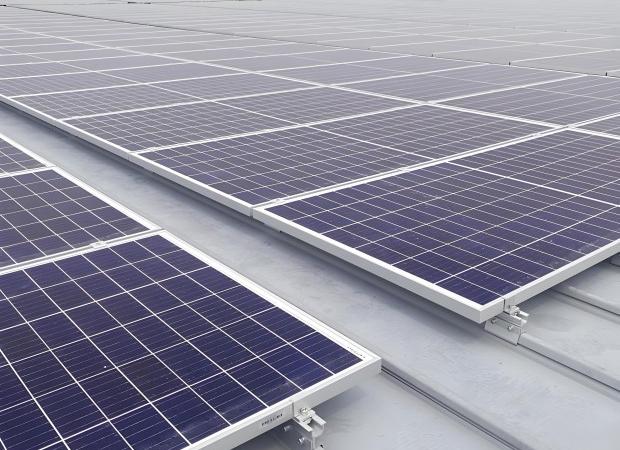
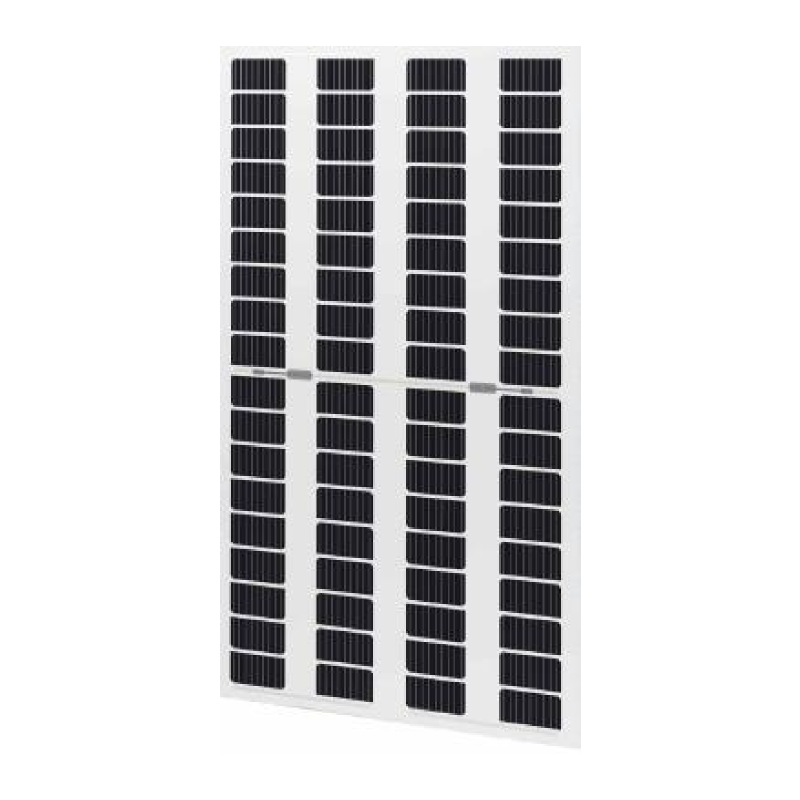
The PWSOLAR 410 watt monocrystalline module adopts PERC cell technology, with a conversion efficiency of 21.3%, and can still maintain an output power of over 85% under low irradiation conditions. Its unique double-sided power generation design allows for an additional 15% power generation gain on the back of the component, making it particularly suitable for cloudy climate environments in Germany. The test data in the Rhine Ruhr industrial zone shows that the average annual attenuation rate of this component is only 0.45%, far below the industry average.
2. Extreme environmental adaptability
In response to the climate characteristics of low temperature and high humidity in Germany during winter, PWSOLAR components adopt a triple protection design:
Mechanical structure: Tested for wind pressure of 2400Pa and snow pressure of 5400Pa to ensure structural stability during blizzard weather
Electrical performance: wide temperature range of -40 ℃ to 85 ℃, ensuring power generation efficiency in low temperature environments during winter
Protection level: IP68 junction box design, effectively preventing electrical faults caused by humid environments
3. Anti PID performance
Through battery technology optimization and material control, PWSOLAR components experience a power attenuation of no more than 2% after 1000 hours of testing under harsh conditions of 85 ℃/85% RH, far exceeding the industry standard of 5%. This feature significantly improves the long-term reliability of the system in high humidity environments in Germany.
3、 System Design: German Customization of 5.0MW Grid Connection Solution
1. Grid compatibility design
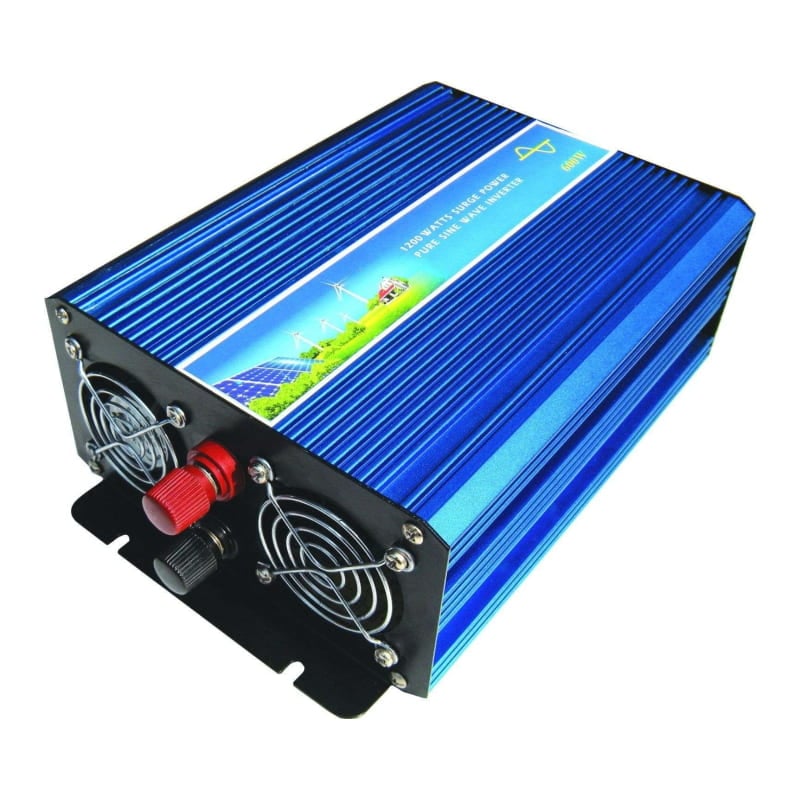
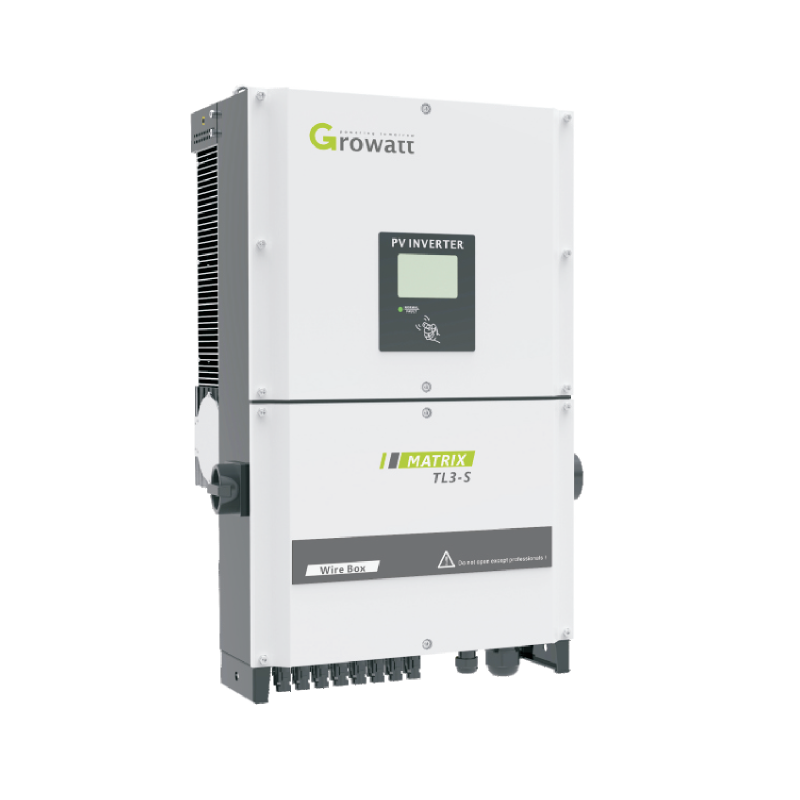
The system adopts intelligent inverters certified by T Ü V Germany, which have the following functions:
Dynamic reactive power regulation (-0.8 to+0.8 lag/lead)
Low voltage ride through (LVRT) capability
Frequency response range 48.5Hz-50.2Hz
Harmonic distortion rate THDi<3%
These features make the system fully compliant with the German BDEW grid connection standard, ensuring stable interaction with the power grid.
4、 Economic Analysis: Investment Returns in the German Market
1. Cost structure
• Taking the Brandenburg 5MW project as an example:
• Component cost: € 0.25/W (including 410 watt monocrystalline components)
• Installation cost: € 0.18/W
• Inverter cost: € 0.08/W
• Other: € 0.12/W
• Total cost: € 2.13/W
2. Revenue model
• Annual power generation: 5.2 GWh (first year)
• Electricity price: € 0.28/kWh (including EEG subsidy)
• Annual income: € 1456000
• Operation and maintenance cost: € 52000
• Annual net income: € 1404000
3. Investment return
• Static investment payback period: 6.8 years
• Internal Rate of Return (IRR): 12.3%
• 25 year total revenue: € 35.1M
5、 Successful Case: Empirical Study of 5MW Project in Germany
1. Project Overview
• Location: Industrial Zone of Brandenburg State
• Installed capacity: 5.0MW
• Component quantity: 12195 pieces (410 watt single crystal)
• Land area: 8.2 hectares
• Grid connection time: September 2024
2. Running data
• First year power generation: 5.2 GWh (exceeding the design value by 4.8%)
• System efficiency: 82.3%
• Failure rate: 0.12 times/year
• Operation and maintenance cost: € 0.010/kWh
3. Customer reviews
PWSOLAR's system performs well in the extreme winter climate of Germany, with its 410 watt module's double-sided power generation feature allowing us to generate 8% more electricity than expected. The intelligent monitoring system also greatly reduces the difficulty of operation and maintenance. Representative of the project owner
6、 Future outlook: Technological iteration and market expansion
PWSOLAR plans to launch the next generation of 450 watt+components in 2026, upgraded through the following technologies:
By adopting TOPCon battery technology, the efficiency has been increased to 22.5%
Introducing flexible packaging technology to adapt to complex roof installations
Integrated intelligent cleaning system to reduce maintenance costs
At the same time, the company is collaborating with the German Energy Agency to develop an integrated solution of "photovoltaic+energy storage", and is expected to launch a 10MW level energy storage system in 2027 to further expand the German market.
Conclusion
PWSOLAR's 5.0MW grid connected solar system has become a benchmark solution in the German industrial and commercial photovoltaic market, thanks to the excellent performance of 410 watt monocrystalline modules, customized design in Germany, and intelligent monitoring system. With the acceleration of Germany's energy transition, this system will continue to create stable returns for investors and help Germany achieve its carbon neutrality goals.

 EN
EN