1、 Market opportunities in the context of Malaysia's energy transition
As a pioneer in Southeast Asia's energy transition, Malaysia is accelerating its renewable energy strategy and plans to achieve a target of 31% renewable energy by 2030. Driven by this policy, photovoltaic power generation has become the core pillar of energy structure transformation. By 2025, Malaysia's new installed photovoltaic capacity is expected to reach 1.5GW, of which industrial and commercial distributed projects account for over 60%. The power industry in the Malaysian peninsula is characterized by stability, reliability, and investment friendliness. The long-term power purchase agreement (PPA) mechanism provides stable return expectations for power generation operators, effectively avoiding the risk of fuel cost fluctuations. Meanwhile, Malaysia has benefited from the industrial transfer under the restrictions of Singapore's data centers, with Greater Kuala Lumpur and Johor becoming the main development clusters, further driving the growth of electricity demand.
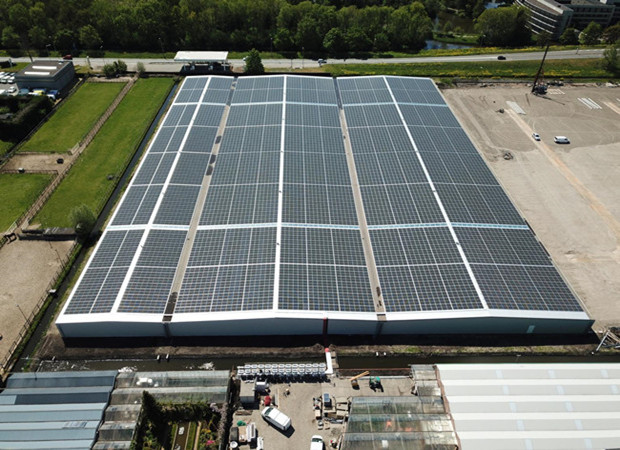
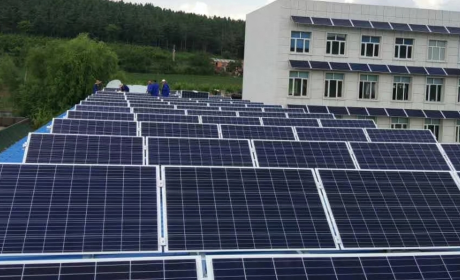
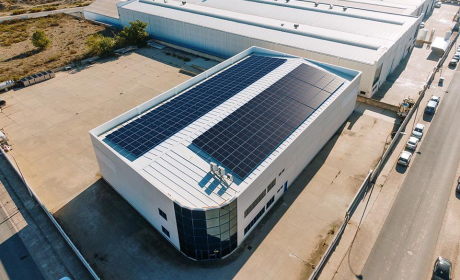
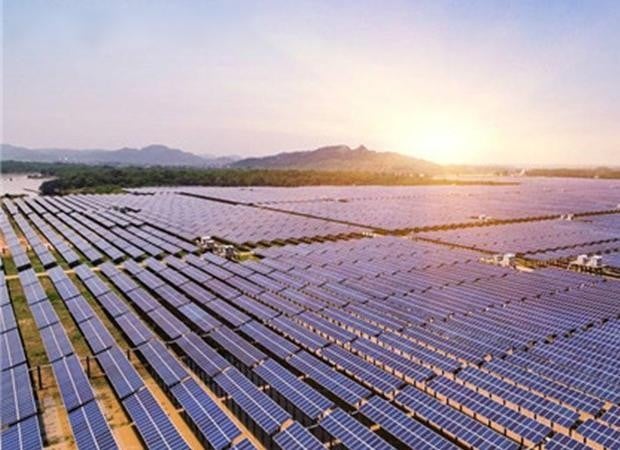
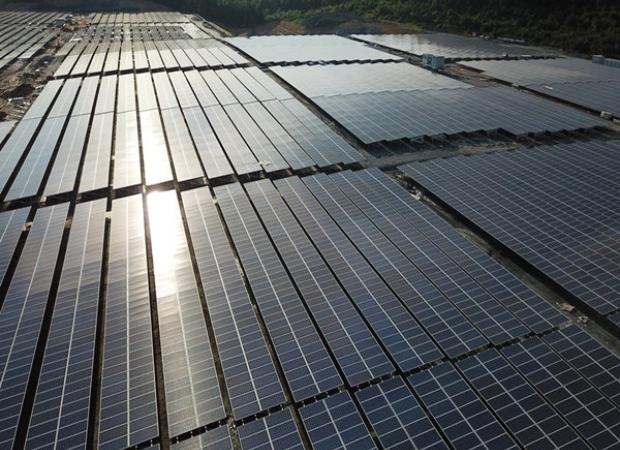
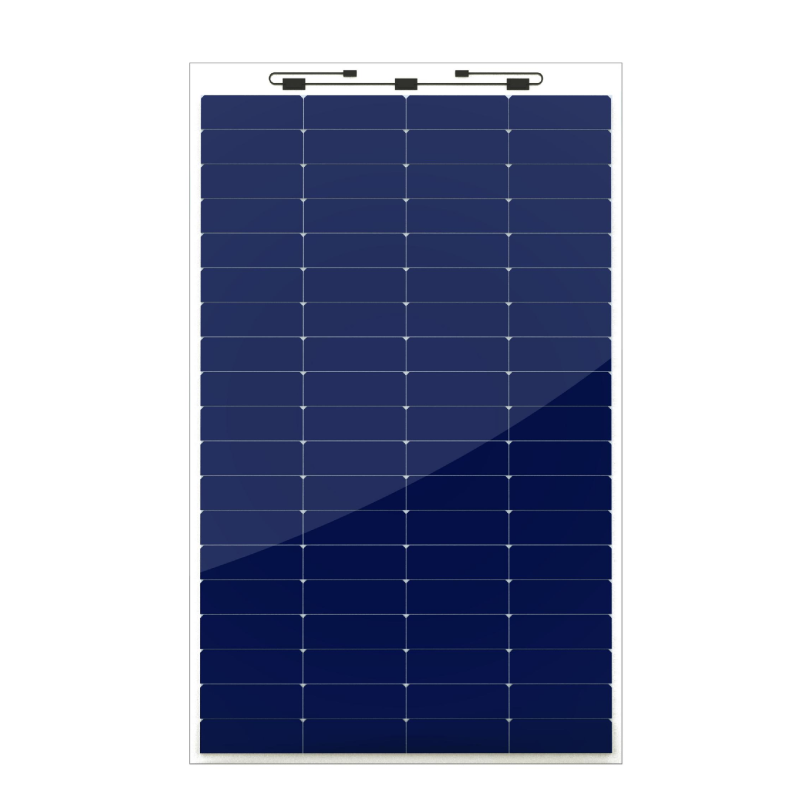
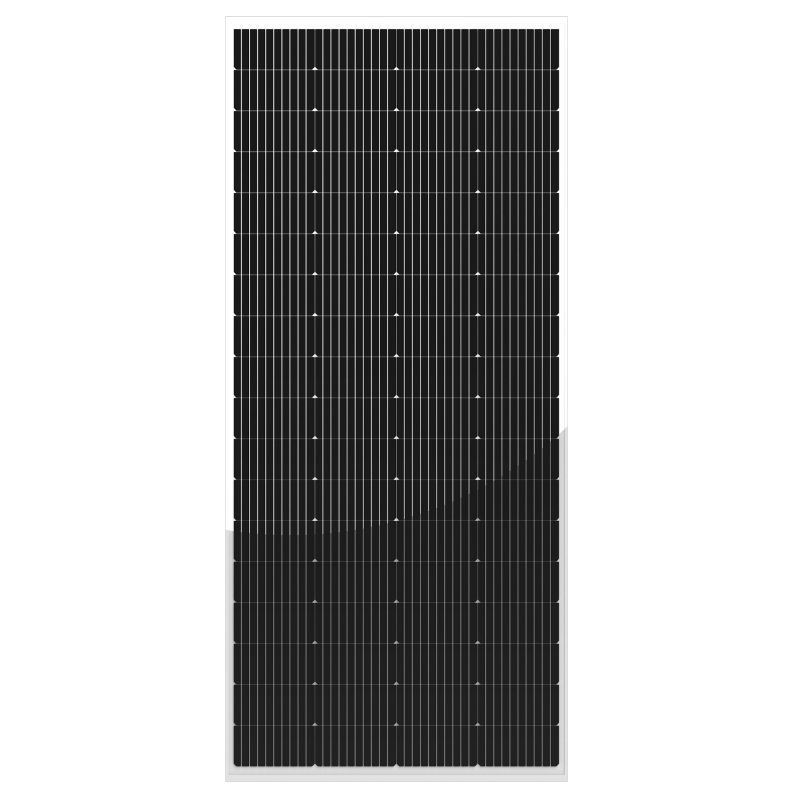
PWSOLAR has keenly seized this market opportunity and launched a 2.80MW grid connected solar system tailored to the characteristics of the Malaysian power grid. The system adopts 590 watt N-type monocrystalline photovoltaic modules and achieves efficient power generation through TOPCon battery technology and double-sided power generation design, perfectly adapting to Malaysia's strict grid connection standards. In a practical application in an industrial park in Selangor, the system generated 3.5 GWh of electricity in the first year, an increase of 6% compared to traditional components, significantly reducing the cost of electricity for enterprises.
2、 Core technological advantage: Innovative breakthrough of 590 watt N-type single crystal module
1. Efficient power generation performance
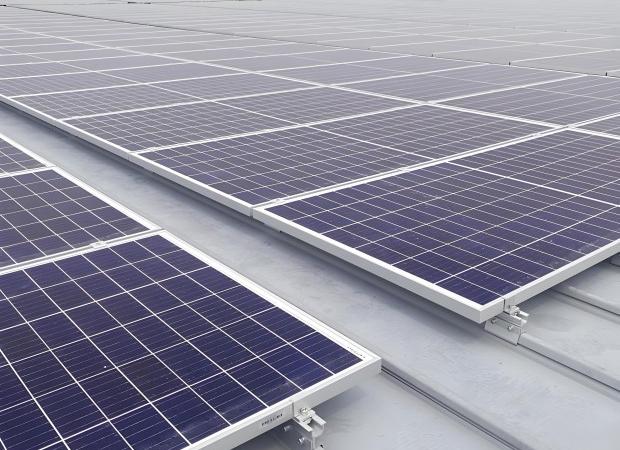
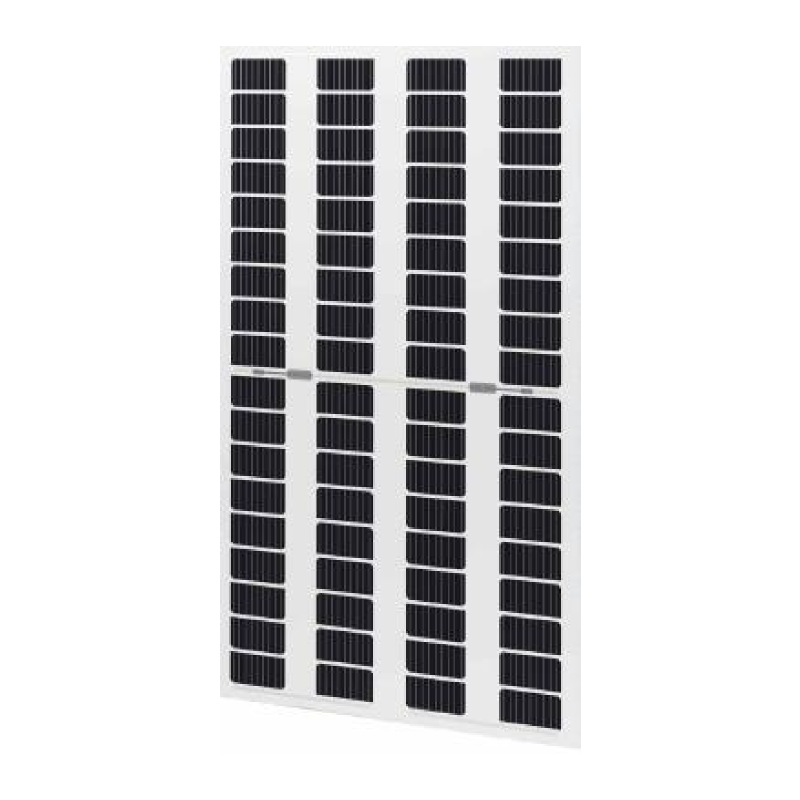
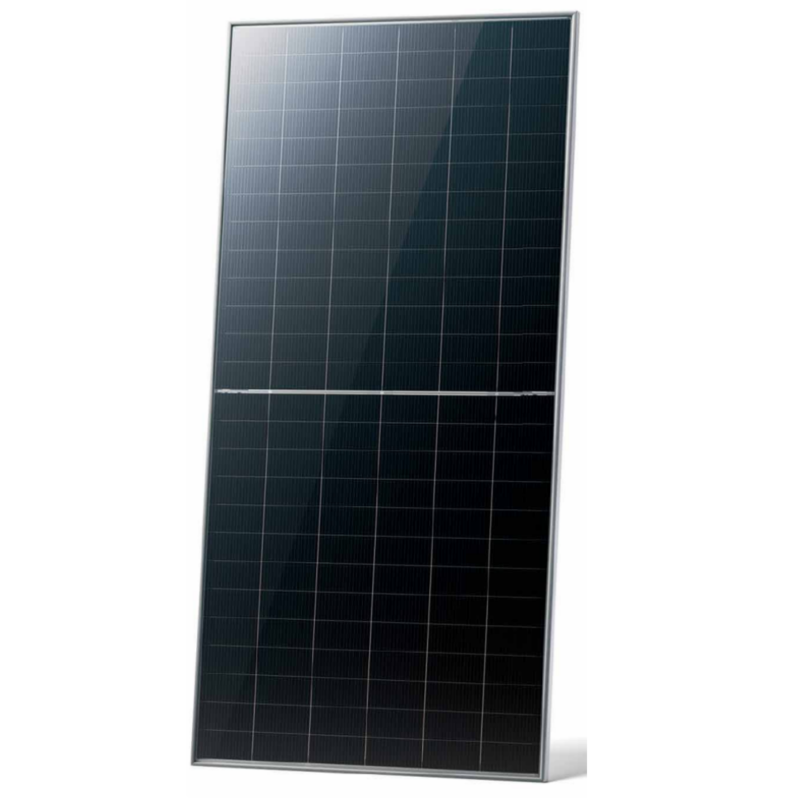
The PWSOLAR 590 watt N-type single crystal module adopts TOPCon battery technology, with a conversion efficiency of 23.58%, and can still maintain an output power of over 90% under low irradiation conditions. Its unique double-sided power generation design allows for an additional 15% power generation gain on the back of the component, making it particularly suitable for Malaysia's cloudy climate environment. The test data in Kedah state shows that the average annual attenuation rate of the component is only 0.42%, far below the industry average. After 30 years, the power output guarantee still reaches 87.4%, ensuring long-term stable returns.
2. Extreme environmental adaptability
In response to the high temperature and humidity climate characteristics in Malaysia, PWSOLAR components adopt an anti PID (potential induced decay) design, which significantly reduces the risk of performance degradation through battery technology optimization and material control. In addition, the components have extremely high mechanical load capacity, able to withstand wind pressure of 2400Pa and snow pressure of 5400Pa, and use IP68 high protection level junction boxes to ensure stable operation in harsh environments.
3. Intelligent grid connection management
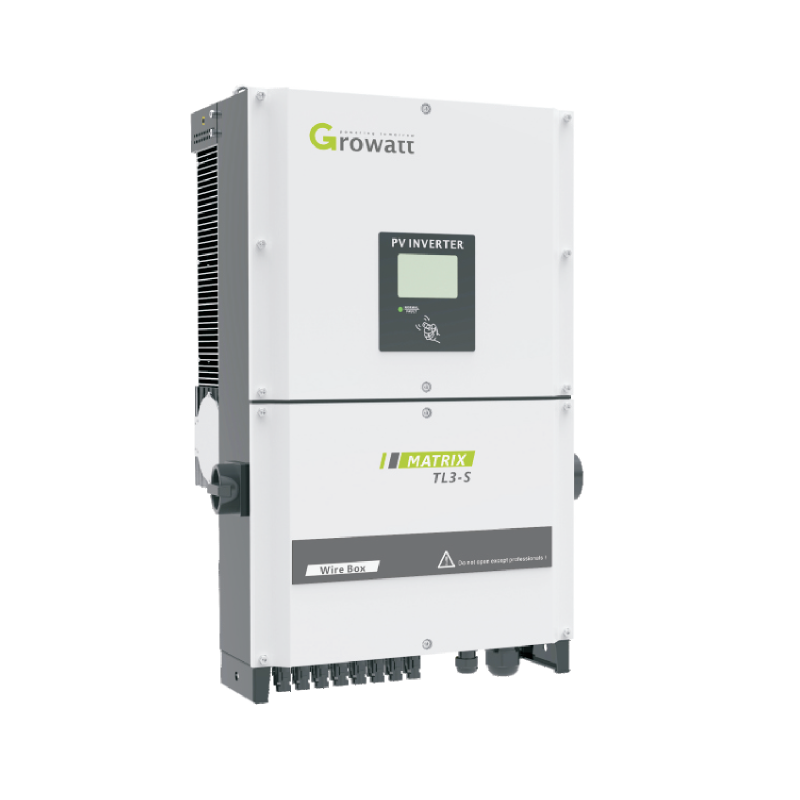
The system uses ETAP software for photovoltaic system simulation, optimizes voltage reactive power regulation strategy, and ensures that the grid voltage at the grid connection point is stable within the range of 0.95-1.05 p.u., in compliance with Malaysian power grid regulations. Through the coordinated control of intelligent inverters and capacitors, the system can maintain a voltage deviation of less than 2% at the maximum power point (12-13 points), significantly improving grid compatibility.
3、 Project Architecture and System Design
1. Component configuration and layout
The 2.80MW system uses 4900 PWSOLAR 590 watt N-type monocrystalline modules, with a total installed capacity of 2.80MWp. The components are installed at a fixed inclination angle of 15 ° to maximize the utilization of Malaysia's annual solar radiation. The system is divided into 28 100kW sub arrays, each equipped with one centralized inverter to achieve modular management and fault isolation.
2. Electrical architecture
The system adopts a medium voltage grid connected design, with a voltage level of 20kV, and is connected to the power grid after being stepped up by six 500kVA transformers. This architecture has the following advantages:
Reduce transmission losses and save electricity costs through long-term operation;
Enhance the peak shaving capability of the power grid and provide flexible power support for the power grid;
Improve system reliability for unified management and scheduling.
3. Monitoring and Operations
The system is equipped with a SCADA monitoring platform to collect real-time data on power generation, voltage, current, etc., and optimize operation strategies through cloud analysis. The operation and maintenance team provides remote diagnosis and regular inspection services to ensure a system availability rate of over 99%.
4、 Economic and environmental benefits
1. Economic benefits
Investment return: The total investment of the system is about 8 million ringgit, and the investment payback period under PPA mode is about 6 years, with an internal rate of return (IRR) of 12%.
Cost savings: An annual power generation of 3.5 GWh can save businesses about 2 million ringgit in electricity bills, with a total savings of over 40 million ringgit over a 20-year lifecycle.
Policy incentives: Enjoy Malaysia's renewable energy tariff (FiT) subsidy, with a subsidy of 0.25 ringgit per kilowatt hour, further shortening the payback period.
2. Environmental benefits
Carbon reduction: Reduce carbon dioxide emissions by about 2800 tons per year, equivalent to planting 12 hectares of forest.
Sustainable development: The system uses 100% recyclable materials, with a component recycling rate of over 95% at the end of its lifecycle, in compliance with Malaysia's green energy standards.
5、 Success Story: Selangor Smart Industrial Park Project
Project Background
The Selangor Smart Industrial Park gathers over 20 manufacturing enterprises with an annual electricity consumption of 5GWh. To reduce energy costs and achieve carbon neutrality goals, the park collaborates with PWSOLAR to construct a 2.80MW grid connected solar energy system.
Implementation Process
• Site selection and design: Install components on the roof and open space of the park, with a total area of approximately 2.5 hectares.
• Grid connection: Connect to the park distribution network through a 20kV line to achieve self use and surplus electricity grid connection.
• Operation management: Real time monitoring of power generation and consumption data using smart meters to optimize energy allocation.
Project achievements
• Power generation: The first year's power generation is 3.5 GWh, meeting 70% of the park's daytime electricity demand.
• Cost savings: Annual savings of approximately 2 million ringgit in electricity bills, shortened investment payback period to 5 years.
• Social impact: The project has become a benchmark for Malaysia's industrial and commercial photovoltaic industry, attracting multiple companies to follow suit and build.
6、 Market prospects and partners
1. Market prospects
The photovoltaic market in Malaysia has enormous potential, with an expected increase in installed capacity of 10GW by 2030. PWSOLAR, with its technological advantage of 590 watt N-type modules, is expected to occupy an important position in the fields of industrial and commercial distributed and ground power stations.
2. Partners
PWSOLAR has established deep cooperation with local suppliers in Malaysia, including:
Technical training: Train over 300 technical talents for the Malaysian power industry to enhance local operation and maintenance capabilities.
7、 Conclusion
The successful application of PWSOLAR 2.80MW grid connected solar system in Malaysia demonstrates the technological leadership and market adaptability of 590 watt N-type monocrystalline modules. Through the perfect combination of efficient power generation, intelligent management, economic returns, and environmental benefits, this system provides a replicable solution for Malaysia's energy transformation. In the future, PWSOLAR will continue to deeply cultivate the Southeast Asian market and assist in the construction of regional green energy hubs.

 EN
EN