Germany's Household Solar PV Market Boom: What's Driving 1.8GW of New Rooftop Demand in 2022
EEG reforms, rising energy prices, and N-type technology are reshaping Germany's residential solar market
|
1.8GW
Germany Rooftop PV Forecast 2022
|
200GW
Germany PV Target by 2030 (EEG 2021)
|
58GW
Germany Total PV Installed (2021)
|
#1
Europe's Largest PV Market
|
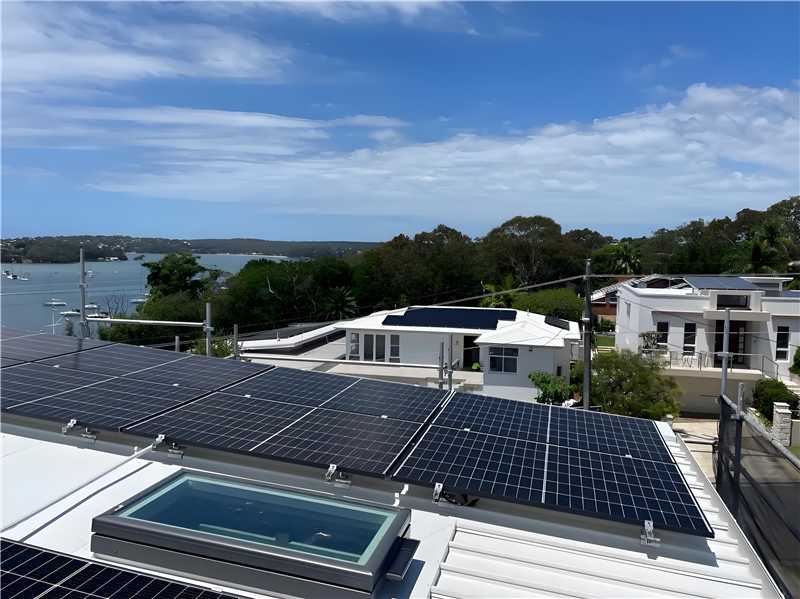
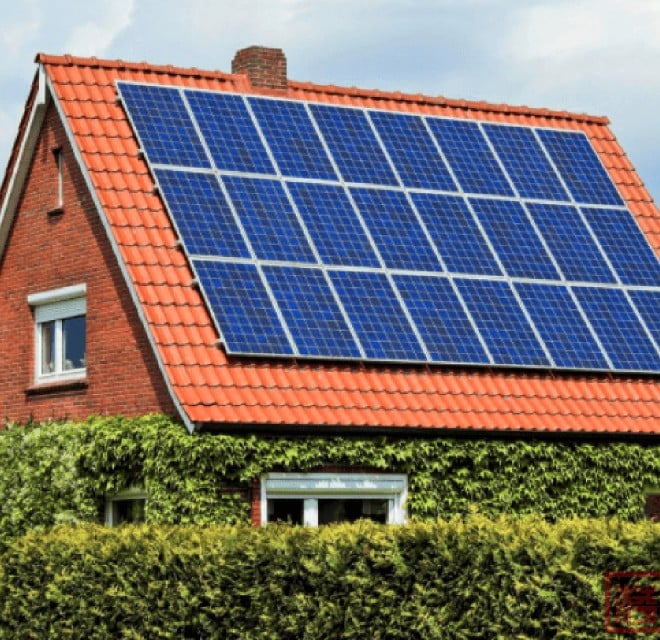
Germany's household photovoltaic market is experiencing a significant boom in 2022, driven by a combination of EEG subsidy reforms, soaring electricity prices following the Russia-Ukraine conflict, and falling module costs. The Federal Solar Industry Association (BSW Solar) forecasts 1.8GW of new residential installations in 2022 — double the prior year's pace. For solar module suppliers, Germany remains Europe's largest and most sophisticated PV market.
1. What's Driving Germany's Residential Solar Boom
-
Energy price shock: German household electricity prices surged following geopolitical disruptions — making self-generation increasingly attractive with payback periods falling below 10 years for many homes
-
EEG 2021 reforms: The updated Renewable Energy Sources Act expanded net metering, removed the 52GW cap that previously limited residential expansion, and boosted feed-in tariffs for small systems
-
Battery storage integration: Over 60% of new German residential PV systems now include battery storage — increasing self-consumption and ROI for homeowners
-
Energy independence priority: German households and SMEs are actively seeking to reduce reliance on grid electricity — driving strong demand for high-efficiency, space-limited rooftop systems
2. N-Type Technology: The Preferred Choice for German Residential
-
Limited rooftop space: German homes typically have smaller, often pitched rooftops — premium efficiency modules (24%+) maximize output per square meter
-
Low-light performance: Germany's northern climate means more diffuse light days — N-type TOPCon modules perform better than PERC under overcast conditions
-
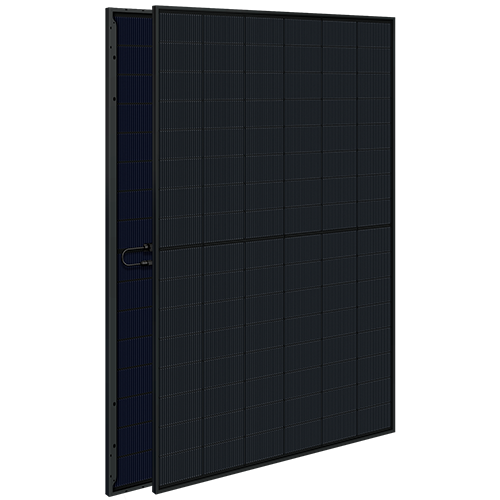
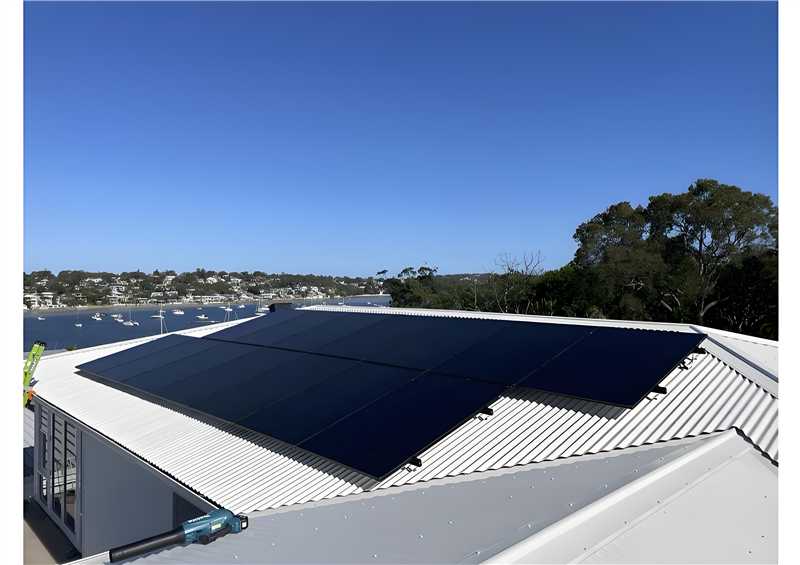
Aesthetics matter: Full-black bifacial modules are increasingly preferred in German residential markets for visual integration with dark roof tiles
-
Long warranties required: German consumers expect 25–30 year linear power guarantees — N-type's lower LID/LeTID means more reliable long-term performance
3. Germany's Path to 200GW by 2030
-
EEG 2021 target: 200GW by 2030 — requires sustained installation of 20GW+ per year across residential, C&I, and utility segments
-
Residential share growing: Government incentive structure increasingly favors consumer-owned systems with direct self-consumption
-
Strong import demand: Germany's domestic module production doesn't cover demand — certified Chinese N-type TOPCon panels with IEC/CE/UL certification are widely installed
-
Installer capacity: Germany is rapidly training new PV installers — order books are full for certified installers through 2023
Supplying Germany's Residential Solar Market? PWSOLAR Can Help
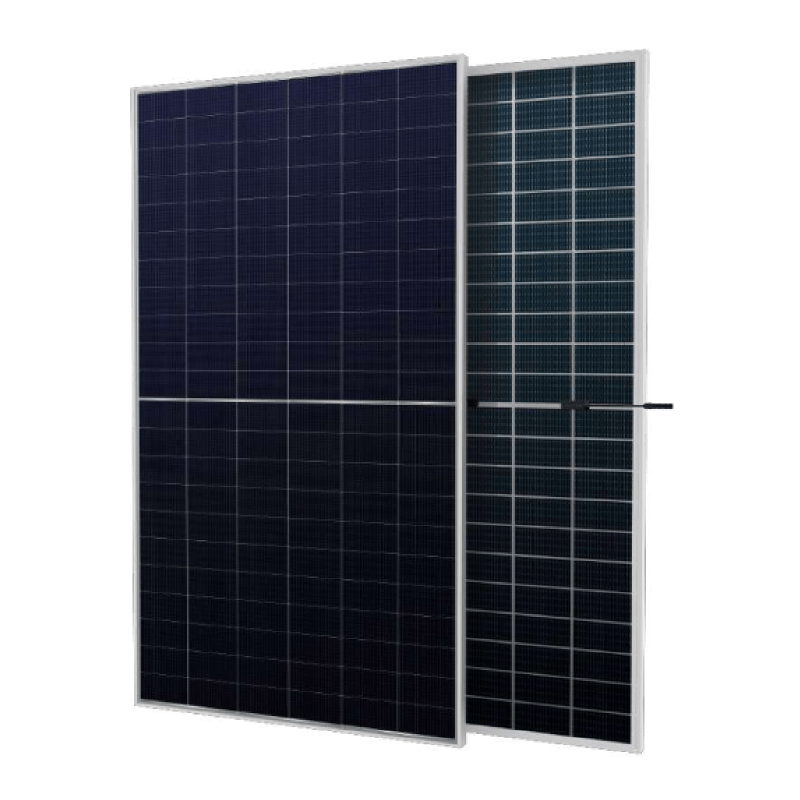
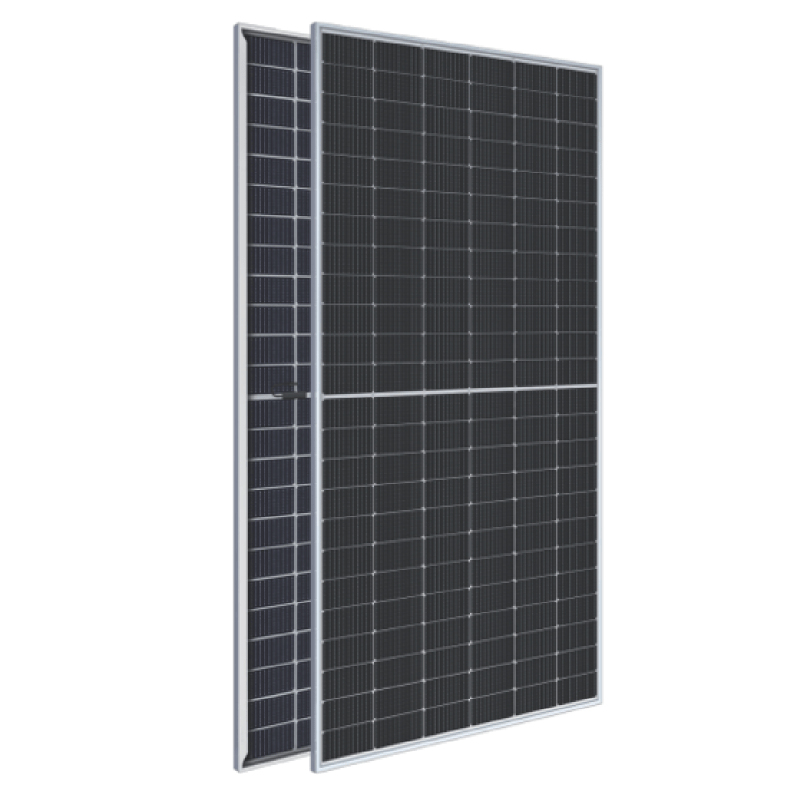
PWSOLAR's N-type TOPCon panels — including full-black bifacial variants — are certified for European residential installation and meet the efficiency, warranty, and aesthetic standards demanded by the German market.
✅ Up to 24.02% efficiency — maximum output on limited German rooftops
✅ CE, IEC 61215, IEC 61730 certified — fully compliant for German residential installation
✅ Full-black bifacial options — premium aesthetics for German residential rooftops
✅ 30-year linear power warranty — meets German consumer expectations for long-term performance
Get a Free Quote from PWSOLAR →
PWSOLAR's N-Type Solar Panel Range for European Residential
Certified for European markets — from full-black residential to high-power utility bifacial
Browse All PWSOLAR Products →

 EN
EN