Industrial Solar Power Systems: Complete Energy Solutions for Manufacturing Excellence

Get a Free Quote

Our representative will contact you soon.
Email
Name
Company Name
Message
0/1000

industrial solar power systems

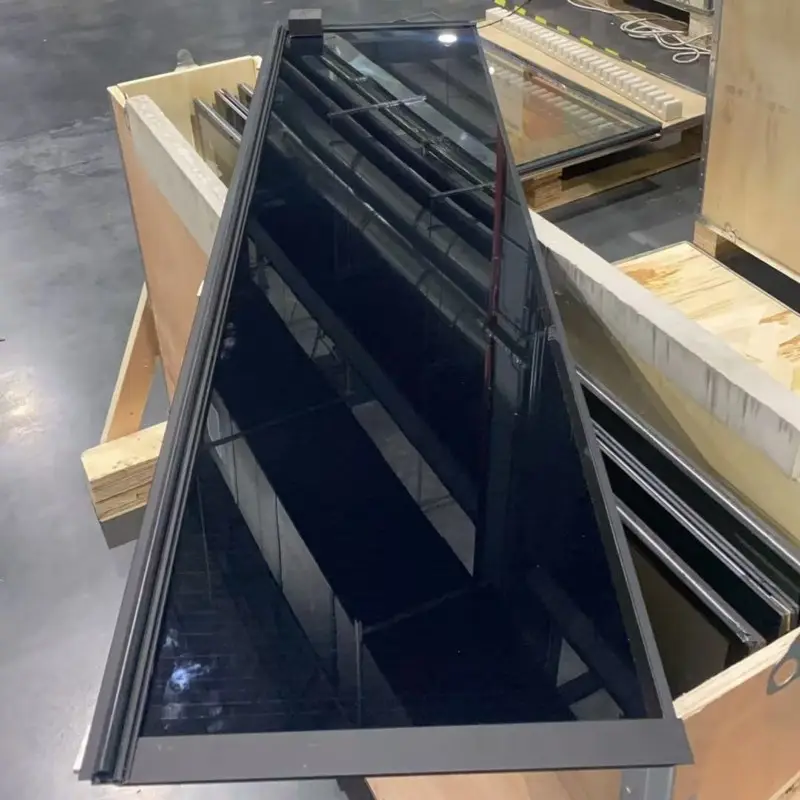
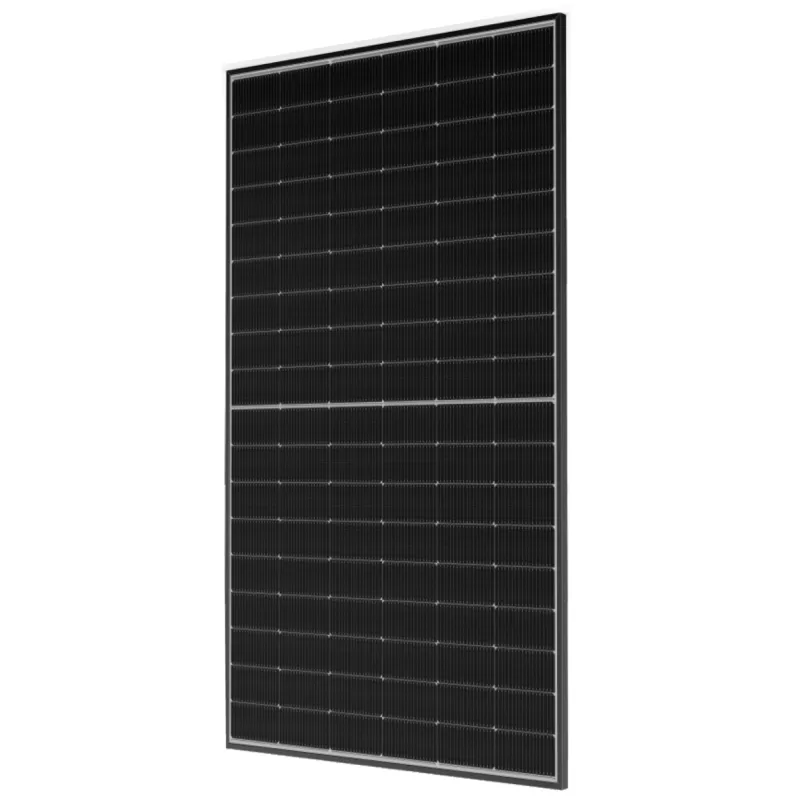
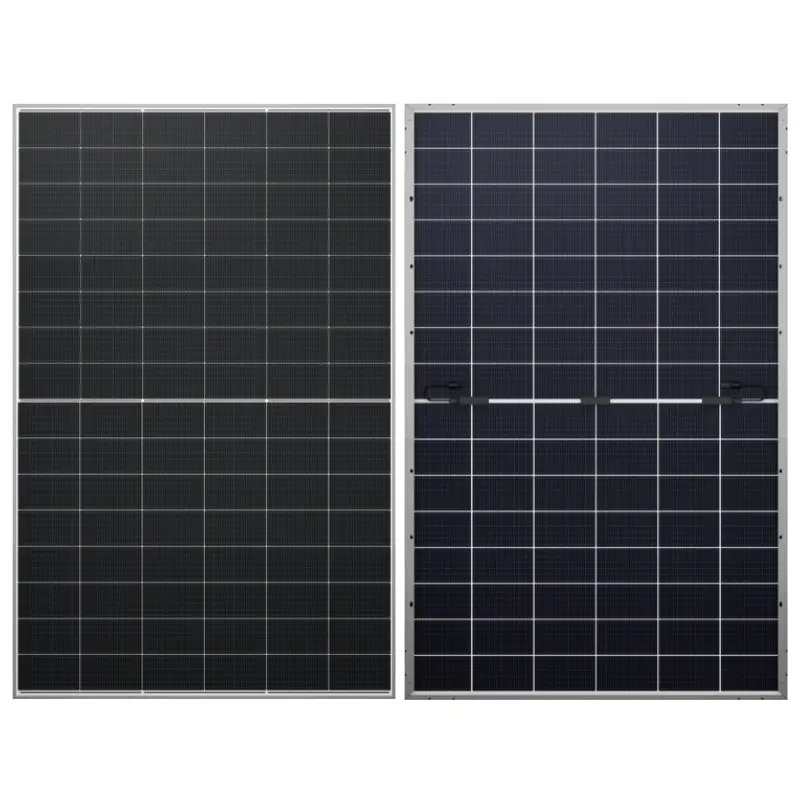
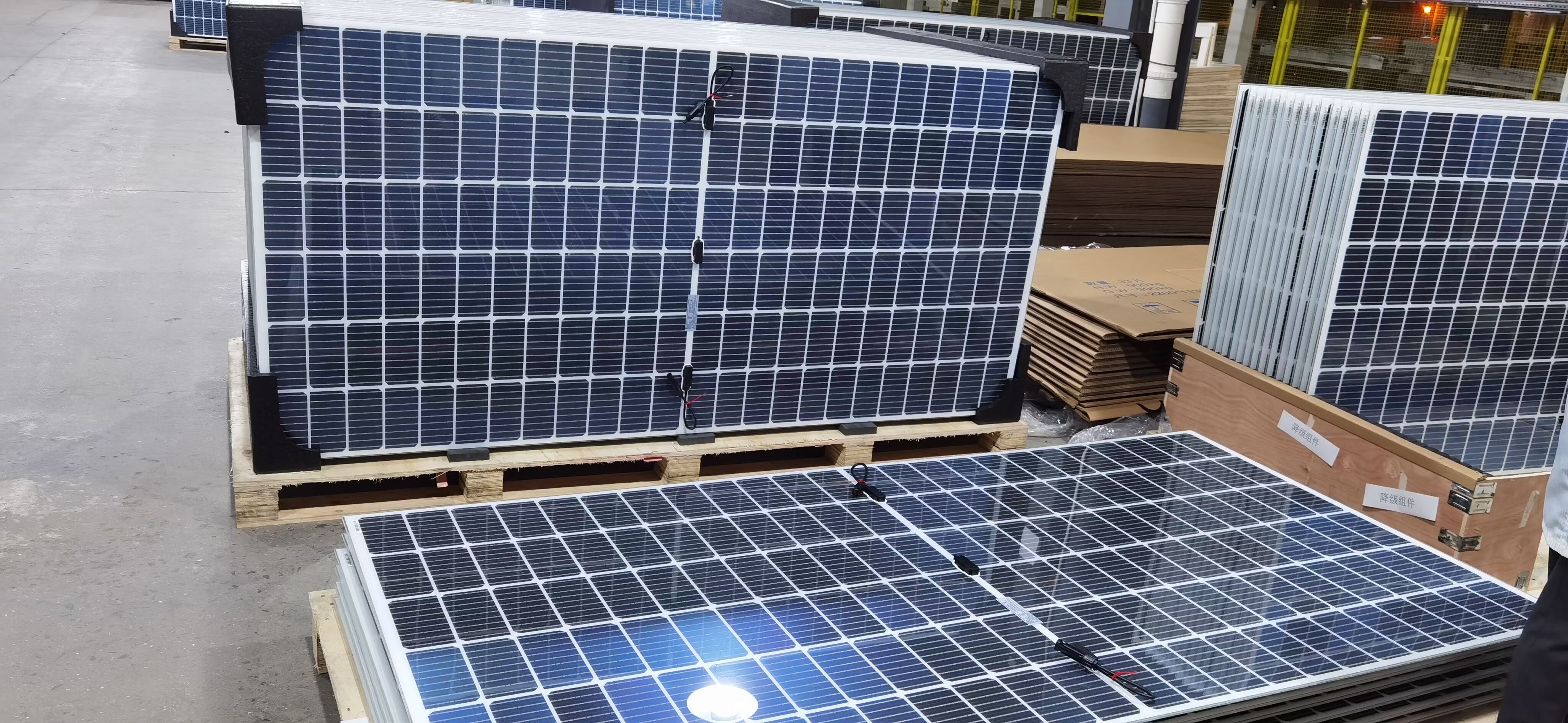
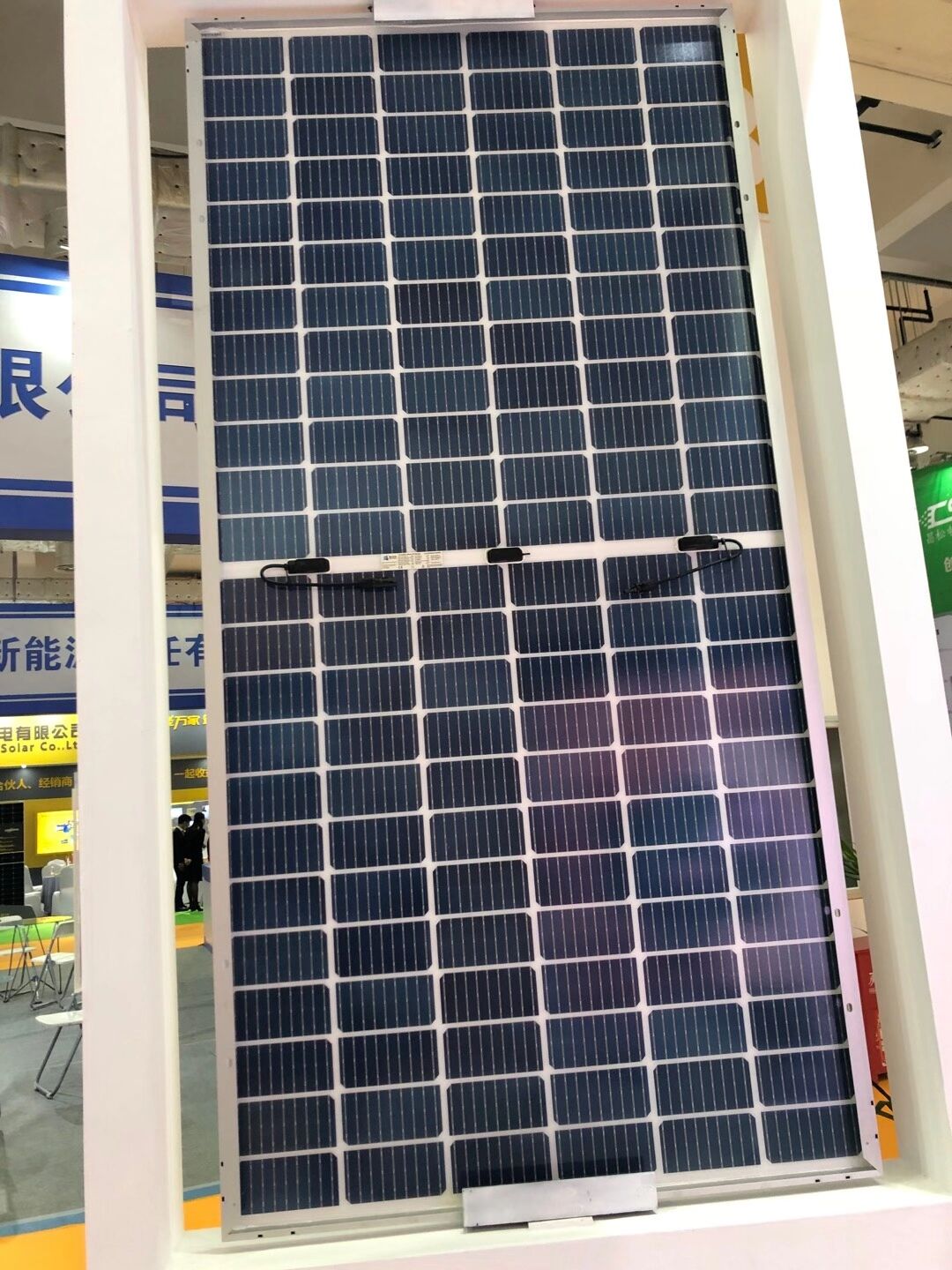
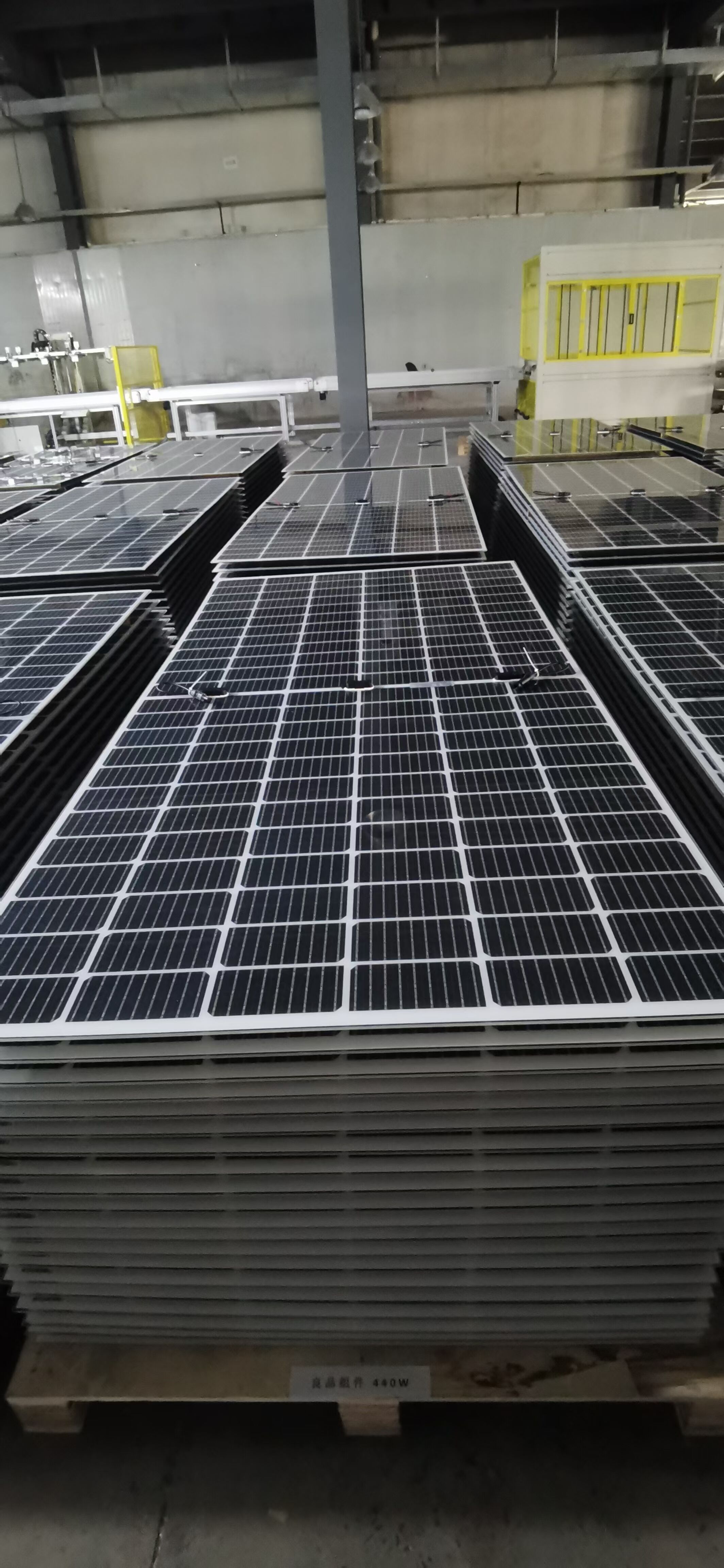
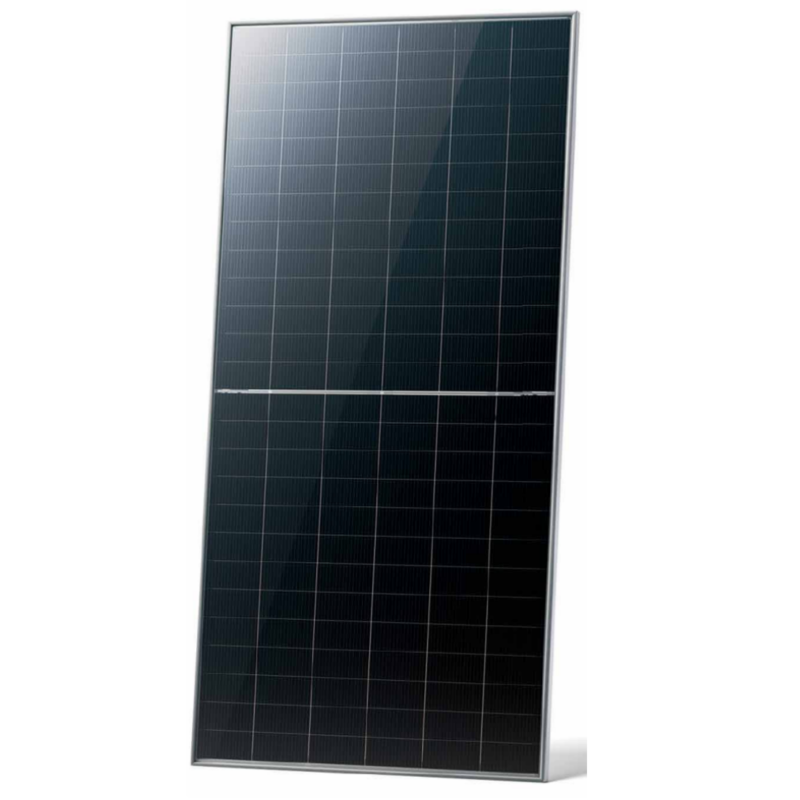
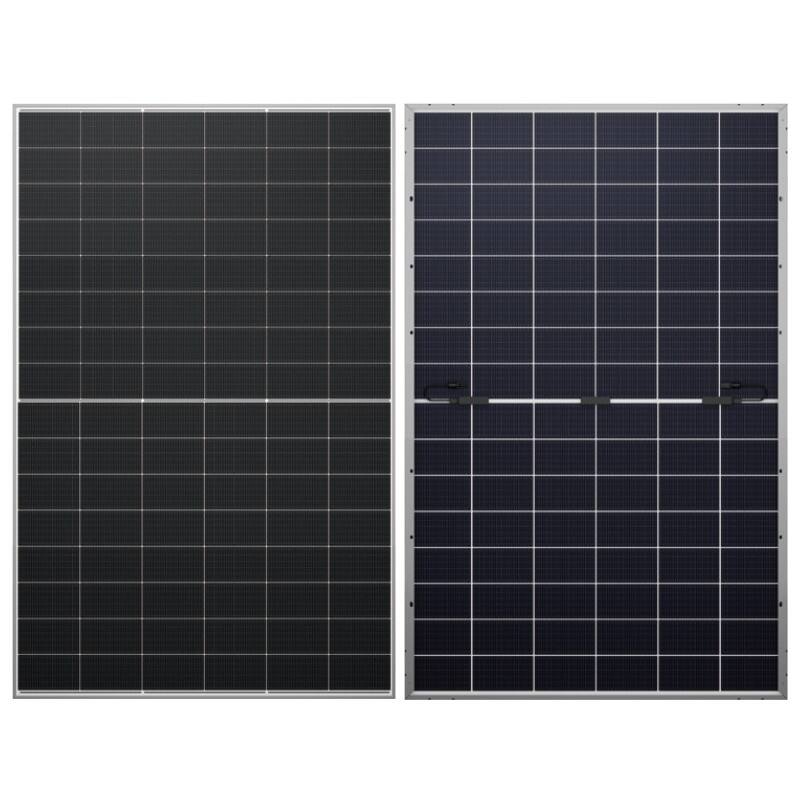
Industrial solar power systems represent a comprehensive energy solution designed to meet the substantial electricity demands of manufacturing facilities, warehouses, processing plants, and large-scale commercial operations. These sophisticated installations harness photovoltaic technology to convert sunlight into clean, reliable electricity that powers heavy machinery, production lines, and operational infrastructure. The core functionality of industrial solar power systems centers on maximizing energy output through strategically positioned solar panels, advanced inverters, and intelligent monitoring systems that optimize performance throughout varying weather conditions. These systems typically incorporate high-efficiency monocrystalline or polycrystalline solar panels capable of generating significant kilowatt-hours of electricity daily, reducing dependence on traditional grid-supplied power. The technological architecture includes sophisticated power conditioning equipment, battery storage options for energy independence, and smart grid integration capabilities that allow facilities to sell excess power back to utility companies. Industrial solar power systems feature robust mounting structures engineered to withstand harsh environmental conditions, including high winds, snow loads, and temperature fluctuations common in industrial environments. Advanced monitoring software provides real-time performance data, enabling facility managers to track energy production, identify maintenance needs, and optimize system efficiency. Applications span diverse sectors including automotive manufacturing, food processing, textiles, pharmaceuticals, mining operations, and logistics centers where consistent, cost-effective power supply directly impacts operational profitability. These installations typically range from hundreds of kilowatts to multiple megawatts in capacity, scaling to match specific facility requirements. Integration with existing electrical infrastructure requires minimal disruption to ongoing operations, while modular design allows for future expansion as energy needs grow. Industrial solar power systems contribute to corporate sustainability goals while delivering measurable financial returns through reduced utility costs and potential revenue generation from excess energy production.

New Products

Industrial solar power systems deliver immediate and long-term financial benefits that directly impact your bottom line. Companies typically reduce electricity costs by 50-90 percent within the first year of operation, generating substantial savings that improve cash flow and operational efficiency. These systems pay for themselves through utility bill reductions, often achieving full return on investment within 5-8 years while providing free electricity for 20-25 years thereafter. Federal tax incentives, state rebates, and accelerated depreciation schedules further enhance financial returns, making industrial solar power systems an attractive capital investment. Energy independence becomes reality as facilities generate their own power, protecting against volatile utility rates and unexpected price increases that can disrupt budget planning. Power outages no longer halt production when solar installations include battery storage components, ensuring continuous operations even during grid failures. This reliability proves especially valuable for time-sensitive manufacturing processes where downtime costs thousands of dollars per hour. Environmental benefits extend beyond cost savings, helping companies meet sustainability targets and improve their corporate reputation. Industrial solar power systems eliminate thousands of tons of carbon emissions annually, supporting green initiatives that attract environmentally conscious customers and investors. Marketing advantages include enhanced brand image as companies demonstrate commitment to renewable energy and environmental responsibility. Installation requires minimal ongoing maintenance, with most systems requiring only periodic cleaning and routine inspections to maintain peak performance. Modern solar panels come with 25-year warranties, providing long-term performance guarantees that protect your investment. Smart monitoring systems alert facility managers to any performance issues, enabling proactive maintenance that prevents costly repairs. Scalability allows businesses to expand their solar capacity as operations grow, adding modules without replacing existing equipment. Industrial solar power systems increase property values while reducing operational overhead, creating lasting value that benefits companies for decades. The predictable nature of solar energy costs enables accurate long-term financial planning, unlike fluctuating utility rates that create budget uncertainty. Many industrial facilities discover they can generate surplus power that can be sold back to the grid, creating an additional revenue stream that further improves investment returns.

Practical Tips

How to choose a high-performance half cell solar panel forrooftop?

23

Dec

How to choose a high-performance half cell solar panel forrooftop?

Selecting the right solar panel technology for your rooftop installation represents one of the most critical decisions in your renewable energy journey. Among the various solar panel innovations available today, half cell solar panel technology stand...
View More
How to maintain half cell solar panels to prevent local hot spots?

23

Dec

How to maintain half cell solar panels to prevent local hot spots?

Maintaining half cell solar panels properly is crucial for preventing local hot spots that can significantly reduce energy output and potentially damage your solar installation. These advanced photovoltaic modules feature innovative cell splitting te...
View More
Why are our half cell solar panels preferred by global distributors2

23

Dec

Why are our half cell solar panels preferred by global distributors2

The global solar energy market has witnessed unprecedented growth, with distributors increasingly seeking advanced photovoltaic solutions that deliver superior performance and reliability. Among the various technologies available, half cell solar pan...
View More
How to select a half cell solar panel manufacturer for bulk oirders?

23

Dec

How to select a half cell solar panel manufacturer for bulk oirders?

When planning large-scale solar installations, selecting the right half cell solar panel manufacturer becomes a critical decision that can determine the success of your project. With the growing adoption of photovoltaic technology in commercial and i...
View More

Get a Free Quote

Our representative will contact you soon.
Email
Name
Company Name
Message
0/1000

industrial solar power systems

Massive Energy Cost Reduction and Financial Performance

Massive Energy Cost Reduction and Financial Performance

Industrial solar power systems transform energy expenses from a monthly liability into a strategic asset that strengthens financial performance across all business metrics. Manufacturing facilities typically spend 15-30 percent of operational budgets on electricity costs, making energy one of the largest controllable expenses affecting profitability. When companies install industrial solar power systems, they immediately begin generating their own electricity at a fraction of utility rates, often reducing monthly power bills by 70-95 percent depending on system size and energy consumption patterns. This dramatic cost reduction translates directly to improved profit margins, enhanced cash flow, and increased competitiveness in global markets where energy costs significantly impact product pricing. The financial impact extends beyond simple utility bill reduction through multiple revenue enhancement mechanisms. Many industrial facilities generate excess electricity during peak sunlight hours, which can be sold back to utility companies through net metering agreements, creating additional income streams that accelerate return on investment timelines. Industrial solar power systems also provide protection against rising utility rates, which have increased an average of 2.5 percent annually over the past decade, creating predictable energy costs that enable accurate long-term financial planning and budgeting. Tax advantages significantly enhance the financial appeal of industrial solar power systems through federal investment tax credits, accelerated depreciation schedules, and state-specific incentives that can offset 30-50 percent of initial installation costs. These financial incentives, combined with dramatic utility bill reductions, typically result in complete return on investment within 6-8 years, followed by 15-20 years of essentially free electricity that continues generating savings. The predictable, maintenance-free nature of industrial solar power systems creates stable cash flow projections that improve business valuation and financial stability, making companies more attractive to investors and lenders who value sustainable, cost-effective operations.
Unmatched Reliability and Energy Security for Critical Operations

Unmatched Reliability and Energy Security for Critical Operations

Industrial solar power systems provide unprecedented energy security that protects mission-critical operations from power disruptions, utility failures, and grid instability that can cost manufacturers millions in lost production time. Unlike grid-dependent facilities that remain vulnerable to blackouts, equipment failures, and infrastructure problems beyond their control, companies with industrial solar power systems gain energy independence that ensures continuous operations regardless of external power grid conditions. This reliability proves especially crucial for manufacturing processes that cannot be interrupted without significant financial consequences, such as steel production, chemical processing, pharmaceutical manufacturing, and semiconductor fabrication where power interruptions can destroy expensive materials and compromise product quality. Modern industrial solar power systems incorporate advanced battery storage technology that maintains power supply during nighttime hours and weather-related disruptions, effectively creating a private power grid that operates independently of utility infrastructure. These battery systems can provide backup power for hours or even days, depending on configuration and energy requirements, ensuring that critical equipment continues operating while competitors experience costly shutdowns. The modular nature of industrial solar power systems enhances reliability through redundancy, as multiple panel arrays and inverter systems provide backup capacity if individual components require maintenance or replacement. Smart monitoring technology continuously tracks system performance, weather conditions, and energy production levels, automatically adjusting operations to maintain optimal power generation while identifying potential issues before they impact operations. This proactive approach to energy management significantly reduces the risk of unexpected power failures that can disrupt production schedules and damage expensive equipment. Industrial solar power systems also provide protection against utility rate volatility and supply chain disruptions affecting traditional energy sources, enabling companies to maintain stable operational costs regardless of external market conditions affecting fossil fuel prices, transportation costs, or regulatory changes impacting utility companies.
Advanced Technology Integration and Scalable Performance Optimization

Advanced Technology Integration and Scalable Performance Optimization

Industrial solar power systems leverage cutting-edge photovoltaic technology and intelligent control systems that maximize energy generation while seamlessly integrating with existing facility infrastructure and operational requirements. These sophisticated installations utilize high-efficiency solar panels with conversion rates exceeding 22 percent, significantly outperforming older generation technology while occupying less roof or ground space to achieve the same energy output. Advanced micro-inverters and power optimizers ensure that each solar panel operates at peak efficiency regardless of shading conditions, equipment maintenance, or individual panel performance variations that might affect overall system output. Smart monitoring and control systems provide real-time visibility into energy production, consumption patterns, and system performance metrics through user-friendly dashboards that enable facility managers to optimize operations and identify opportunities for additional energy savings. These industrial solar power systems can be programmed to prioritize specific equipment or production areas during peak demand periods, ensuring that critical operations receive uninterrupted power while less essential systems adapt to available energy supply. Integration capabilities extend to existing building management systems, allowing solar power generation to coordinate with HVAC systems, lighting controls, and production equipment for maximum efficiency and energy utilization. The scalable architecture of industrial solar power systems enables companies to start with smaller installations that meet current energy needs while maintaining the flexibility to expand capacity as operations grow or energy requirements increase. This modular approach allows businesses to spread installation costs over multiple phases while immediately beginning to realize energy savings from operational system components. Future-ready design ensures compatibility with emerging technologies such as electric vehicle charging stations, energy storage upgrades, and smart grid connectivity that will become increasingly important as renewable energy adoption accelerates. Industrial solar power systems also incorporate predictive maintenance capabilities that use artificial intelligence and machine learning algorithms to anticipate component replacement needs, schedule preventive maintenance during optimal weather windows, and maximize system uptime while minimizing operational disruptions to facility operations.
Inquiry Inquiry Industrial Solar Power Systems: Complete Energy Solutions for Manufacturing Excellence Industrial Solar Power Systems: Complete Energy Solutions for Manufacturing Excellence Industrial Solar Power Systems: Complete Energy Solutions for Manufacturing Excellence

Get a Free Quote

Our representative will contact you soon.
Email
Name
Company Name
Message
0/1000