
 EN
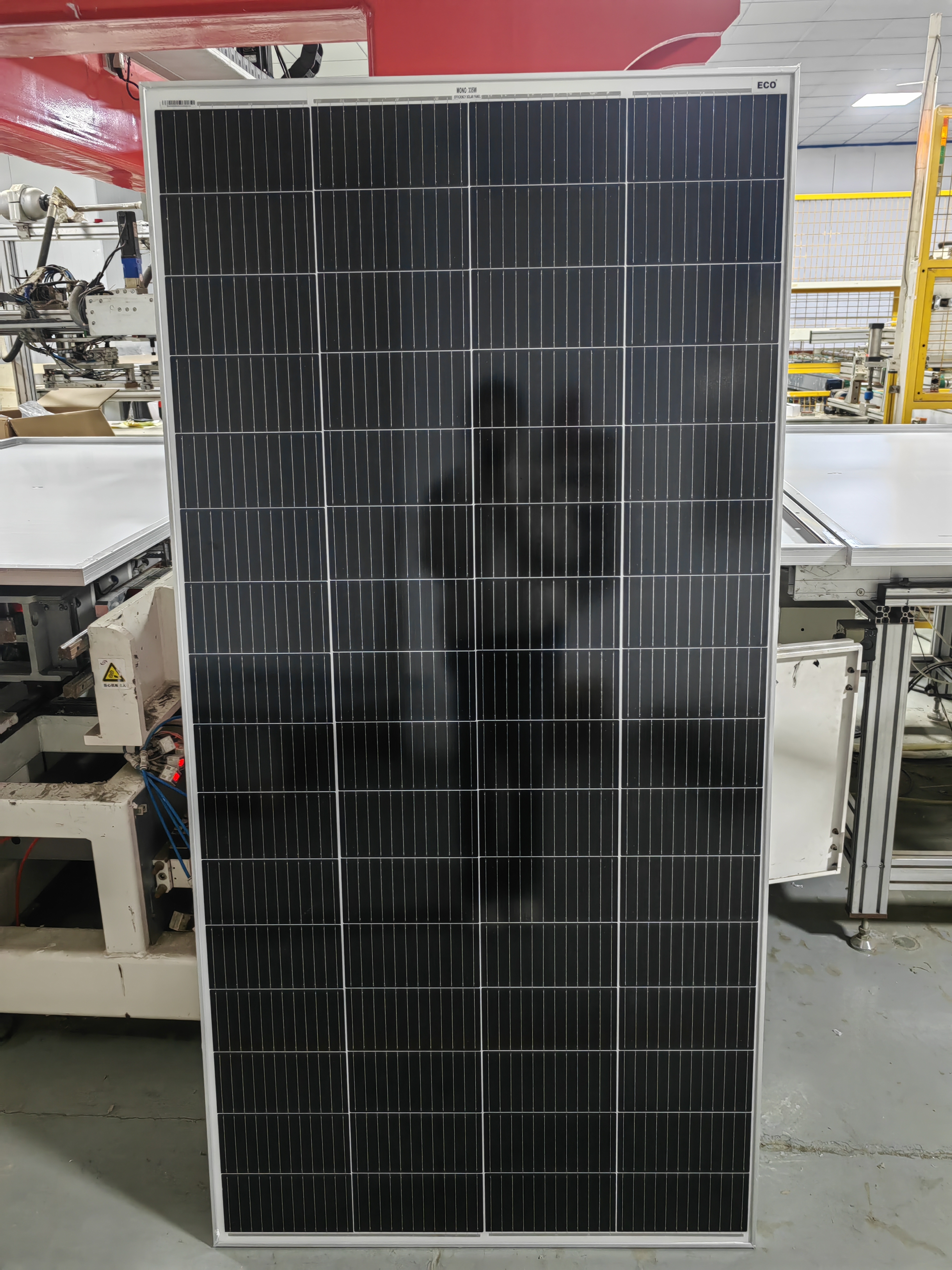
Low-light environments present unique challenges for energy generation, and choosing the right solar panel technology can make the difference between success and failure. Traditional crystalline solar panel designs often struggle in cloudy skies, shade, and diffuse light conditions, leaving property owners frustrated with inconsistent power output. Thin film solar panel systems, however, have emerged as the preferred solution for these challenging scenarios, offering superior performance where conventional solar panel technologies fall short. Understanding why thin film solar panel designs excel in low-light areas is essential for anyone planning an energy system in regions with limited direct sunlight.
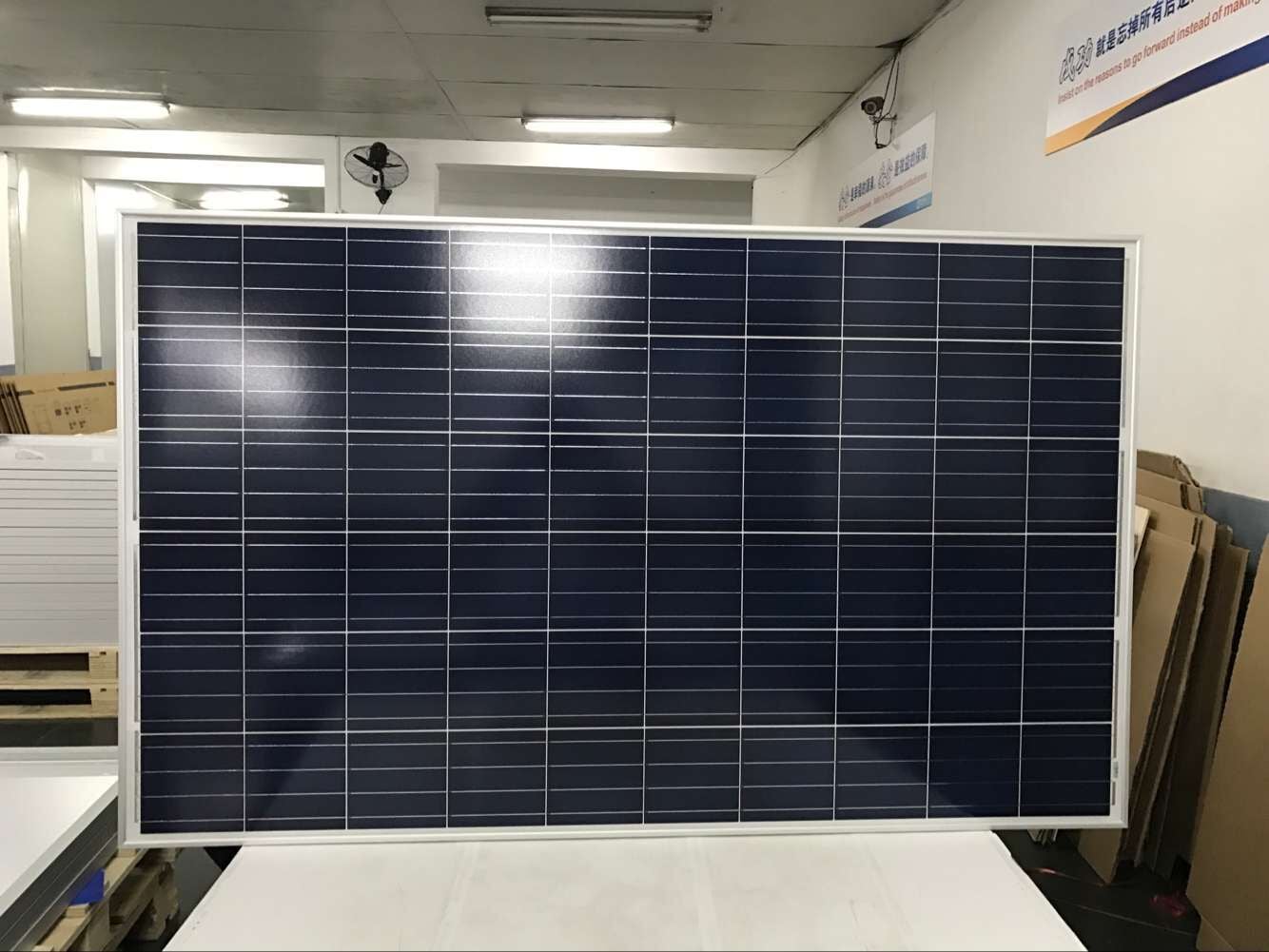
The fundamental advantage of thin film solar panel technology lies in its unique light-capturing mechanism and material composition. Unlike rigid crystalline solar panel modules that depend heavily on direct beam radiation, thin film solar panel systems harness diffuse light far more effectively, converting indirect rays into usable electricity. This characteristic makes thin film solar panel installations particularly valuable in industrial zones, urban areas with tall buildings, regions experiencing seasonal cloud cover, and northern latitudes where direct sunlight is scarce during winter months.
How Thin Film Solar Panels Capture Diffuse Light More Effectively
Superior Light Penetration and Absorption Properties
Thin film solar panel technology uses amorphous silicon, cadmium telluride, or copper indium gallium selenide materials applied in extremely thin layers to a substrate. This design allows the thin film solar panel to absorb a broader spectrum of light wavelengths compared to crystalline solar panel alternatives. When sunlight scatters through clouds or reflects off surfaces in low-light conditions, the thin film solar panel maintains higher energy conversion efficiency because its material structure naturally captures these dispersed photons. The thin film solar panel demonstrates what researchers call 'better spectral response' to diffuse radiation, meaning more of the available light energy gets converted to electricity regardless of angle or intensity.
In practical terms, a thin film solar panel installed in a location receiving only 2 to 3 hours of useful sunlight daily will generate more power than a conventional crystalline solar panel in the same environment. This performance advantage stems directly from how thin film solar panel material interacts with low-intensity light. The amorphous structure of many thin film solar panel systems creates numerous light-trapping pathways, ensuring that even weak, scattered photons contribute to electrical generation. Industrial facilities in northern Europe, coastal regions with frequent fog, and mountainous areas with persistent cloud cover have successfully deployed thin film solar panel systems for this exact reason.
Temperature Coefficient and Low-Light Performance
Temperature coefficient represents how efficiently a solar panel operates as surrounding temperatures rise. Traditional crystalline solar panel modules experience significant efficiency drops in hot conditions, losing approximately 0.4 to 0.5 percent of their rated output per degree Celsius above 25°C. Thin film solar panel technology, conversely, maintains more stable output across temperature ranges, with typical temperature coefficients of negative 0.2 percent per degree Celsius or better. This means a thin film solar panel system operates more consistently throughout the day, particularly during early morning and late afternoon hours when low-light conditions coincide with cooler temperatures. The thin film solar panel advantage extends beyond simple efficiency percentages—it delivers reliable power during the exact hours when businesses and homes need supplemental energy generation.
Real-World Applications and Performance Scenarios
Industrial and Commercial Deployment Contexts
Manufacturing plants, warehouses, and data centers frequently operate in low-light conditions due to building density, geographic location, or operational requirements. A thin film solar panel installation in such environments provides measurable energy cost reduction without requiring major structural modifications. Because thin film solar panel modules generate acceptable power even in overcast conditions, they eliminate the need for extensive site clearing or building repositioning. The thin film solar panel technology performs reliably in partial shade scenarios where crystalline solar panel arrays would experience significant power loss due to the bypass diode effect. Companies deploying thin film solar panel systems report consistent daily energy generation patterns regardless of seasonal weather changes, leading to more predictable operational budgets and improved sustainability metrics.
Residential and Rural Applications
Homeowners in regions with limited sunlight exposure find that thin film solar panel installations deliver better returns on investment compared to crystalline alternatives. A thin film solar panel system on a north-facing roof in northern climates still captures meaningful energy from diffuse skylight, whereas a crystalline solar panel installation in the same location would produce minimal output. Rural properties surrounded by trees, buildings, or terrain features benefit tremendously from thin film solar panel technology because the thin film solar panel handles partial shade gracefully. Off-grid applications, remote monitoring stations, and agricultural operations across cloudy regions have adopted thin film solar panel solutions as their primary renewable energy infrastructure. The thin film solar panel versatility extends to portable and semi-flexible applications where traditional rigid crystalline solar panel designs would prove impractical.
Economic and Environmental Value of Low-Light Solar Panel Solutions
Cost Efficiency and Long-Term Investment Returns
While thin film solar panel systems typically have lower per-watt efficiency ratings than premium crystalline solar panel alternatives, the total cost of ownership frequently favors thin film solar panel technology in low-light scenarios. A thin film solar panel installation requires less area per kilowatt of capacity compared to crystalline solar panel arrays in diffuse-light environments, potentially reducing mounting hardware, wiring, and installation labor costs. The solar panel system designed for low-light deployment experiences superior degradation resistance, meaning thin film solar panel modules maintain their output rating longer than competing technologies. Over a twenty-year operational lifespan, a thin film solar panel system consistently outperforms investment scenarios based on crystalline solar panel alternatives in regions averaging less than four hours of peak sunlight daily.
Environmental Benefits and Sustainability Impact
Selecting thin film solar panel technology for low-light areas extends renewable energy feasibility to previously underutilized locations, expanding the geographic scope of solar energy deployment. Thin film solar panel manufacturing typically requires less material per unit of installed capacity than crystalline solar panel production, reducing resource extraction and manufacturing emissions. The thin film solar panel approach enables energy independence for communities and industries in traditionally challenging climates, reducing reliance on fossil fuels and transmission infrastructure. Deploying thin film solar panel systems across diverse geographic regions democratizes renewable energy access, ensuring that properties in cloudy climates contribute meaningfully to carbon reduction goals. The environmental advantage of thin film solar panel technology becomes particularly significant when multiplied across thousands of installations in northern latitudes and high-altitude regions where conventional crystalline solar panel systems prove economically unviable.
FAQ
Why does thin film solar panel technology outperform crystalline panels in cloudy conditions?
Thin film solar panel materials possess superior spectral response to diffuse light, capturing a broader wavelength range compared to crystalline solar panel designs. The thin film solar panel structure naturally traps and absorbs scattered photons that crystalline solar panel cells would reflect or transmit without converting to electricity. Additionally, thin film solar panel systems exhibit lower temperature coefficients, maintaining stable output during cool, overcast days when low-intensity light prevails.
What is the typical efficiency difference between thin film and crystalline solar panels?
Under standard testing conditions with direct sunlight, crystalline solar panel modules typically achieve 18 to 22 percent efficiency, while thin film solar panel systems range from 10 to 14 percent. However, this efficiency gap narrows significantly in low-light environments where thin film solar panel technology may actually exceed crystalline solar panel performance by 15 to 30 percent due to superior diffuse-light capture characteristics. The practical output difference depends entirely on the specific geographic location and weather patterns where the thin film solar panel system operates.
Are thin film solar panels suitable for residential installations in cloudy regions?
Yes, thin film solar panel installations deliver excellent results for residential applications in consistently cloudy regions, northern latitudes, and areas with significant shade obstacles. A thin film solar panel system on a residential property typically generates 20 to 40 percent more annual energy compared to crystalline solar panel alternatives in low-light geographic zones. The thin film solar panel choice reduces payback periods and improves return on investment for homeowners in regions where conventional crystalline solar panel solutions would prove economically marginal.
