
 EN
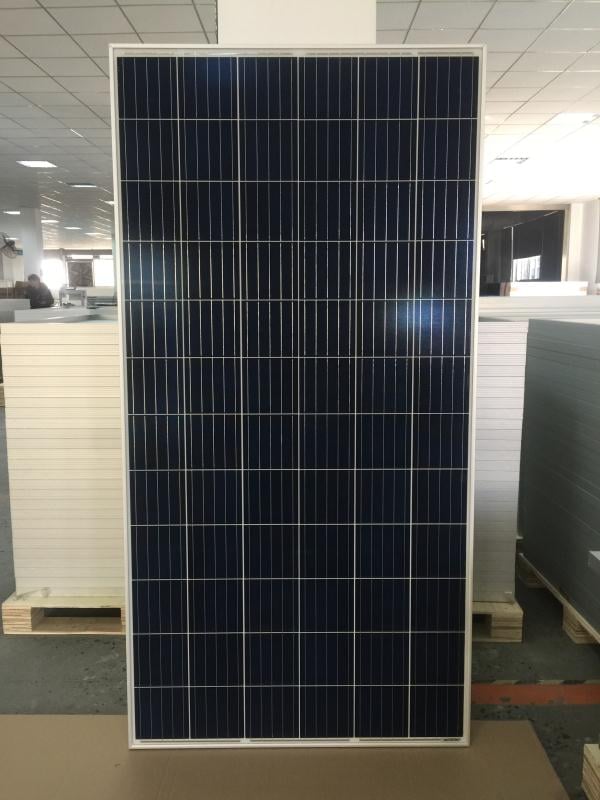
When selecting a solar panel for residential or commercial applications, understanding the performance differences between thin film and crystalline technologies is essential. A solar panel choice directly impacts energy production, long-term return on investment, and system reliability. Both thin film solar panel designs and crystalline configurations offer distinct advantages and trade-offs that merit careful evaluation before making a purchase decision. This comparison examines how a solar panel performs across multiple performance metrics to help you make an informed choice.
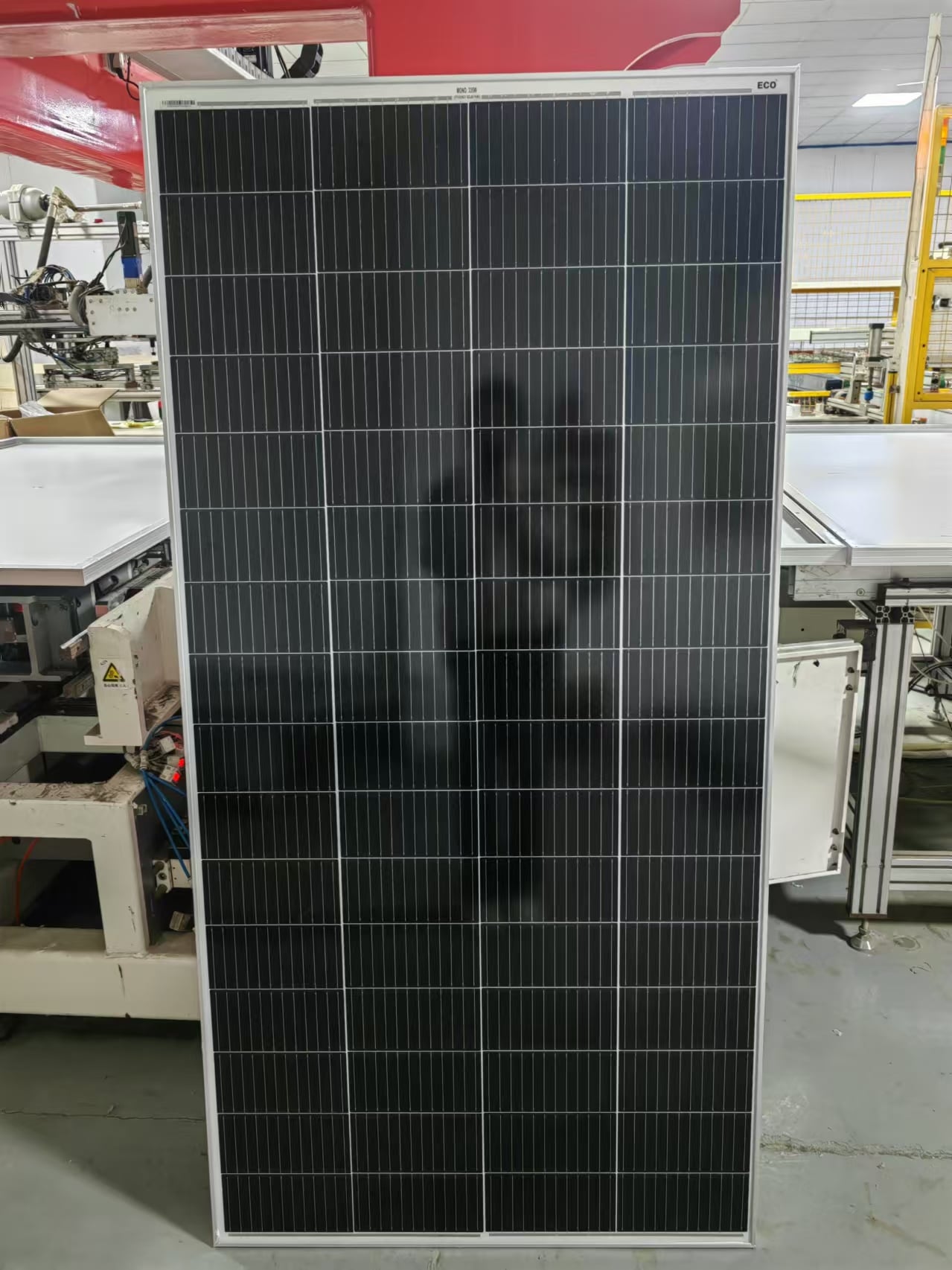
The market offers multiple solar panel technologies, each with distinct operational characteristics. A thin film solar panel uses a semiconductor material deposited in ultra-thin layers, while crystalline solar panel designs employ silicon wafers arranged in a rigid structure. Understanding how each solar panel technology performs under real-world conditions helps determine which option best suits your specific energy needs, available space, and budget constraints.
Efficiency and Power Output Differences
Crystalline Solar Panel Efficiency Rates
Crystalline solar panel technology consistently delivers higher laboratory efficiency ratings, typically ranging from 18% to 22% for monocrystalline variants. This means that a crystalline solar panel converts a larger percentage of incoming sunlight into usable electricity compared to competing technologies. For grid-tied residential installations where roof space is limited, the superior efficiency of a crystalline solar panel often justifies the higher initial cost. A solar panel with crystalline construction generates more power per square foot, reducing the total number of units needed to meet energy targets.
Thin Film Solar Panel Output Performance
A thin film solar panel typically achieves efficiency ratings between 10% and 12%, making it less efficient than crystalline alternatives under standard test conditions. However, a thin film solar panel exhibits better performance in specific scenarios, including low-light environments, elevated temperatures, and diffuse light conditions. When ambient temperature increases, a thin film solar panel maintains better relative output compared to crystalline units, which experience greater efficiency degradation. In regions with frequent cloud cover or extensive shade during portions of the day, a thin film solar panel can narrow the performance gap considerably.
Temperature Coefficient and Environmental Performance
Heat Sensitivity of Solar Panel Types
Temperature coefficient significantly influences how a solar panel performs throughout changing seasons and across different climates. Crystalline solar panel units typically carry a negative temperature coefficient around -0.5% per degree Celsius, meaning output drops noticeably as temperatures rise. A thin film solar panel demonstrates superior thermal stability with temperature coefficients near -0.25% per degree Celsius, allowing the unit to maintain output levels more effectively in hot climates. For installations in desert regions or areas with intense summer heat, a thin film solar panel's temperature resilience provides a meaningful performance advantage that partially offsets its lower baseline efficiency.
Low-Light Performance Advantages
A thin film solar panel excels when sunlight is diffuse or indirect, such as on overcast days or in partially shaded locations. The semiconductor structure of a thin film solar panel allows electrons to move more efficiently through indirect light compared to the crystalline solar panel's rigid silicon lattice. For buildings surrounded by trees, nearby structures, or in regions with frequent cloud cover, a thin film solar panel consistently outperforms crystalline technology in real-world conditions despite lower rated efficiency. Industrial and commercial facilities where consistent production matters more than peak output often benefit significantly from a thin film solar panel's stable low-light behavior.
Durability, Space Requirements, and Installation Considerations
Physical Durability and Longevity
Crystalline solar panel designs employ rigid glass and aluminum framing that provides excellent mechanical strength and weather resistance. A crystalline solar panel typically carries 25-year warranties with predictable degradation rates around 0.5% annually. A thin film solar panel construction differs fundamentally, using flexible substrates that are lighter and more impact-resistant but potentially subject to different failure modes. A thin film solar panel may experience accelerated degradation in certain environments, though modern manufacturing has significantly improved durability. When evaluating long-term performance, a solar panel's warranty terms and expected degradation rates must align with your facility's operational timeline and maintenance budget.
Space and Installation Flexibility
A thin film solar panel's lower weight and flexibility allow installation on curved surfaces, thin roofing membranes, and structures where crystalline units cannot be mounted safely. A solar panel manufactured with thin film technology integrates more easily into building-integrated photovoltaic (BIPV) applications, providing both energy generation and architectural function. Conversely, a crystalline solar panel requires robust mounting infrastructure due to its weight but offers simpler installation on standard residential and commercial racking systems. For new construction projects where architectural integration is desired, a thin film solar panel provides design flexibility that crystalline alternatives cannot match.
Cost Analysis and Return on Investment
Initial Capital and System Economics
A crystalline solar panel typically costs less per watt than a thin film solar panel, making it the more economical choice for space-unconstrained installations. However, when calculating total system cost including racking, wiring, and labor, the difference narrows considerably. A thin film solar panel often requires fewer structural reinforcements and permits faster installation due to lighter weight, offsetting some material cost disadvantages. For applications requiring significant footprint efficiency, a solar panel's effective cost per watt of usable output must account for the space required, not simply purchase price.
Performance-Based Value Calculation
A solar panel's true value emerges over its operational lifetime through cumulative energy production. A crystalline solar panel generates more electricity over 25 years in sunny climates, delivering superior lifetime return on investment. A thin film solar panel performs better in challenging environmental conditions, potentially generating more total energy in coastal, cloudy, or hot-climate regions. Before selecting a solar panel type, modeling your facility's specific climate patterns, seasonal variations, and shade conditions produces the most accurate long-term performance forecast.
FAQ
Which solar panel type generates more power overall?
Crystalline solar panel technology produces higher power density under standard test conditions, typically 15-20% more output per unit area. However, a thin film solar panel can match or exceed this performance in low-light, high-temperature, or heavily shaded environments. The answer depends entirely on your specific installation location, climate, and available space. A solar panel's suitability is determined by matching its performance characteristics to your actual operating conditions rather than laboratory ratings alone.
Can a thin film solar panel replace crystalline installations?
A thin film solar panel serves as a viable alternative in specific scenarios but requires different system design approaches. If your installation space is abundant and direct sunlight is reliable, a crystalline solar panel typically remains the better choice. A thin film solar panel becomes preferable when space is limited, temperatures run high, light is diffuse, or integration with building surfaces is required. Each solar panel technology addresses different optimization priorities, so direct replacement is not always practical or economically justified.
What maintenance differences exist between solar panel types?
Both crystalline and thin film solar panel systems require similar maintenance routines including periodic cleaning and connection inspections. A thin film solar panel's flexible substrate may be more susceptible to mechanical damage during cleaning, requiring gentler techniques. A crystalline solar panel's rigid structure tolerates more aggressive cleaning methods but bears greater wind and hail stress. Regardless of which solar panel type you select, regular monitoring of electrical output and visual inspection of the installation remains essential for sustained performance throughout the system's operational life.
