
 EN
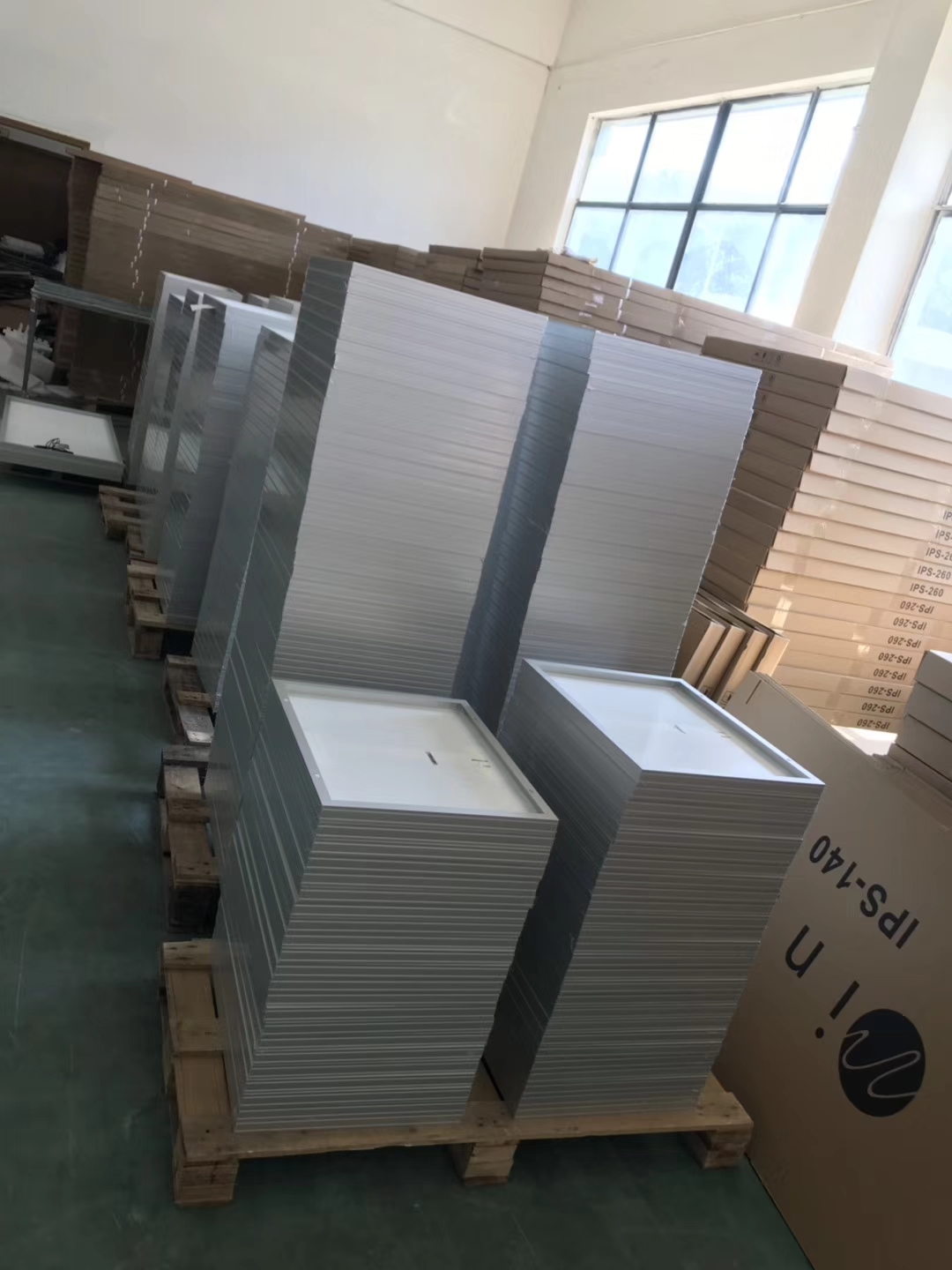
Selecting the right solar panel for commercial glass walls requires a strategic understanding of building-integrated photovoltaic (BIPV) technology. BIPV transparent solar panels are engineered to replace or enhance conventional glazing while generating electricity, making them an ideal solution for modern commercial architecture. Unlike traditional rooftop solar panel installations, transparent solar panels must balance energy production with aesthetic appeal, structural integrity, and daylighting requirements. This specialized category of solar panel technology has become increasingly important for businesses seeking to combine sustainability with architectural functionality.
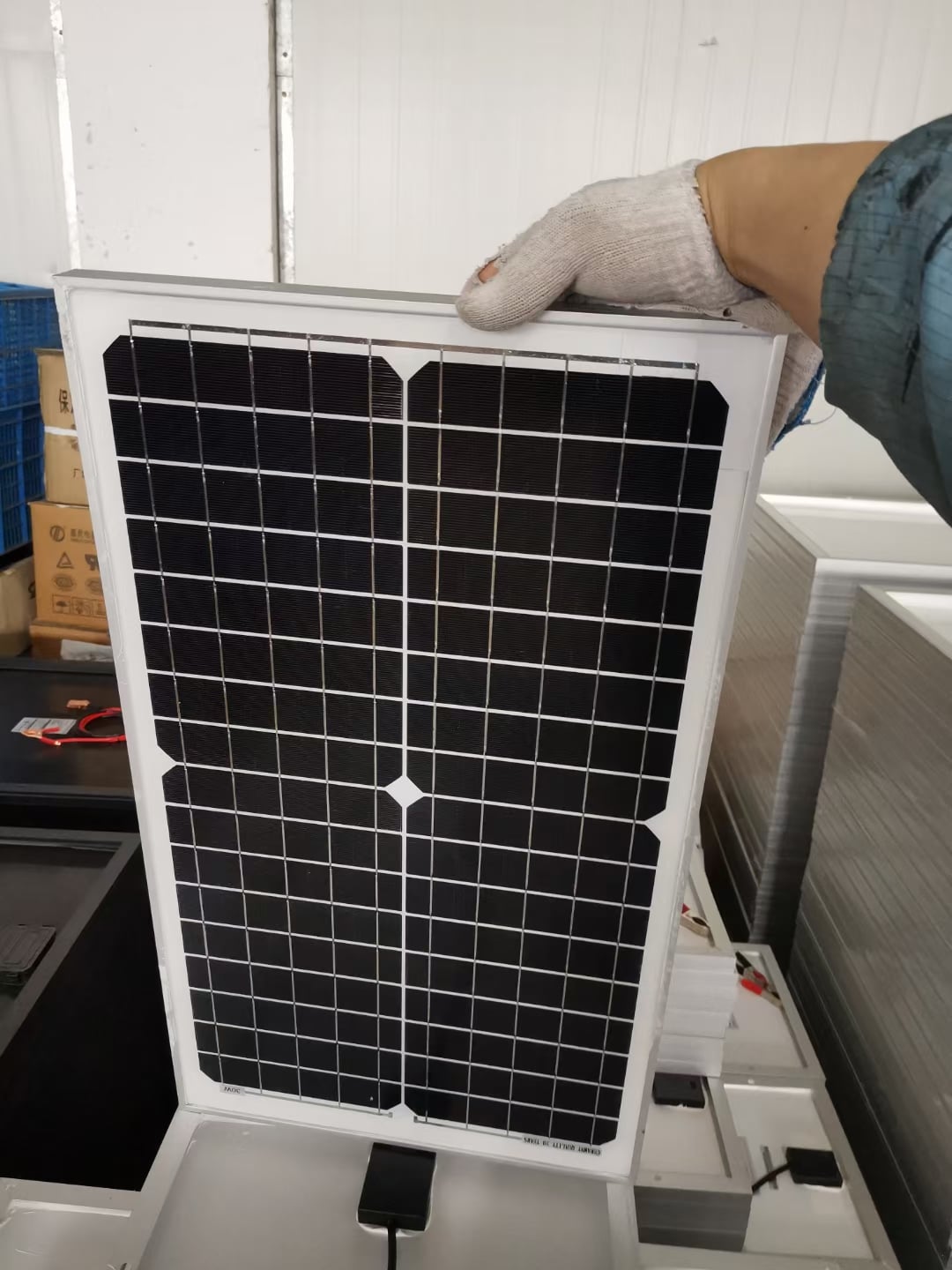
Transparent solar panels designed for commercial glass walls operate through advanced monocrystalline or bifacial technology that allows light transmission while capturing solar energy. When evaluating a solar panel for your commercial facade, you must consider efficiency ratings, light transmission percentages, structural load capacity, and compatibility with existing building systems. The decision to implement a transparent solar panel on commercial glass walls represents both a capital investment and a long-term commitment to renewable energy generation. Understanding the technical specifications and selection criteria ensures your chosen solar panel delivers maximum return on investment while maintaining building aesthetics and occupant comfort.
Key Technical Specifications for Commercial Solar Panel Selection
Efficiency Ratings and Power Output
The efficiency of your chosen solar panel determines how much electricity it generates per square meter of installed area. Modern transparent solar panels typically deliver between 10% to 18% efficiency, lower than traditional opaque solar panel models but significantly higher than early-generation BIPV products. When selecting a solar panel for commercial glass walls, verify that the efficiency rating aligns with your building's energy generation targets. A high-efficiency solar panel reduces the total area required for installation, which directly impacts both structural considerations and upfront costs. Commercial buildings often prioritize solar panel models with certified efficiency ratings from independent testing laboratories.
Light Transmission and Aesthetic Performance
Light transmission percentage defines how much natural daylight passes through the solar panel, directly affecting interior lighting conditions and occupant experience. A transparent solar panel with 50% to 70% light transmission maintains natural illumination while generating electricity, making it suitable for commercial glass walls in office environments. When choosing a solar panel for aesthetic-sensitive applications, balance between energy output and visual clarity becomes critical. The solar panel's appearance, color consistency, and grid pattern should align with your building's design language. Architects and building managers must collaborate to select a solar panel that satisfies both performance and design requirements for commercial facades.
Installation and Structural Considerations
Load Capacity and Building Integration
Commercial glass walls must support the additional weight of integrated solar panels without compromising structural safety. Each solar panel installation requires engineering analysis to verify that the building's glass support systems, mullions, and structural frame can accommodate the added load. A properly specified solar panel system includes detailed load calculations, stress testing, and certification documents. Most modern commercial buildings can accommodate transparent solar panel installations, but retrofitting older structures requires professional structural assessment. The solar panel's mounting system must distribute loads evenly across the glass facade and connect securely to the building's underlying frame.
Electrical Integration and Code Compliance
Installing a solar panel on commercial glass walls demands integration with building electrical systems, safety disconnects, and monitoring equipment. Each solar panel must connect through properly rated inverters, combiner boxes, and switchgear that comply with local electrical codes and safety standards. The solar panel system should include arc-fault protection, grounding systems, and fail-safe mechanisms to prevent electrical hazards. Commercial installations typically require licensed electricians and inspections by local building authorities before the solar panel system becomes operational. Documentation and certification for the installed solar panel system protects both the building owner and future occupants.
Performance Optimization and Maintenance Factors
Environmental Durability and Weather Resistance
BIPV transparent solar panels for commercial glass walls must withstand extreme weather conditions, UV exposure, thermal stress, and mechanical vibrations. High-quality solar panel products feature tempered glass layers, corrosion-resistant frames, and edge sealing that prevent water infiltration and material degradation. A durable solar panel maintains electrical performance and structural integrity throughout its 25 to 30-year service life. When evaluating solar panel options, confirm that the manufacturer provides comprehensive weather testing data and long-term performance warranties. Environmental factors like wind load, snow accumulation, and thermal expansion significantly impact the solar panel's lifespan and reliability.
Monitoring, Maintenance, and Performance Tracking
Commercial solar panel systems require ongoing monitoring to identify performance degradation, electrical faults, or maintenance needs early. Advanced monitoring systems track each solar panel's output, detect partial shading, and alert facility managers to anomalies that reduce energy generation. Regular cleaning schedules, typically 2 to 4 times annually depending on location, maximize the solar panel's light transmission and electrical output. A transparent solar panel on commercial glass walls may accumulate dust, pollen, or environmental debris that reduces performance without visible signs. Preventive maintenance protocols ensure the solar panel system achieves its designed energy yield and extends equipment lifespan.
FAQ
What is the average lifespan of a BIPV transparent solar panel for commercial applications?
A properly installed and maintained BIPV transparent solar panel typically operates for 25 to 30 years, matching the lifespan of traditional rooftop solar panel systems. Most manufacturers provide performance warranties guaranteeing 80% to 90% of the rated output after 25 years. The solar panel's actual lifespan depends on environmental conditions, installation quality, and maintenance frequency. Quality materials, proper ventilation, and regular cleaning extend the solar panel's operational life and maintain consistent energy generation.
How much electricity does a transparent solar panel generate compared to traditional opaque solar panels?
A transparent solar panel generates 30% to 50% less electricity than an equivalent-area traditional opaque solar panel due to light transmission requirements and lower efficiency ratings. However, the solar panel's ability to replace conventional glazing means that installation costs and structural upgrades are offset by eliminating dual material systems. The solar panel's electrical output, while lower per square meter, still provides significant energy generation across large commercial facade areas. Building designers must evaluate the solar panel's performance within the context of total building energy needs rather than comparing isolated efficiency metrics.
Can a solar panel be retrofitted onto existing commercial glass walls, or does it require new construction?
A solar panel can be retrofitted onto existing commercial glass walls, but the installation complexity and feasibility depend on the current building structure, glass system design, and underlying support capacity. Retrofitting a solar panel requires structural assessment, potential reinforcement of existing mullions and frames, and careful coordination with existing building systems. New construction projects often integrate solar panel systems more cost-effectively during initial design and engineering phases. The solar panel retrofit decision should weigh installation costs, business disruption, and performance benefits against waiting for planned glass renovation or new construction opportunities.
Table of Contents
- Key Technical Specifications for Commercial Solar Panel Selection
- Installation and Structural Considerations
- Performance Optimization and Maintenance Factors
-
FAQ
- What is the average lifespan of a BIPV transparent solar panel for commercial applications?
- How much electricity does a transparent solar panel generate compared to traditional opaque solar panels?
- Can a solar panel be retrofitted onto existing commercial glass walls, or does it require new construction?
