
 EN
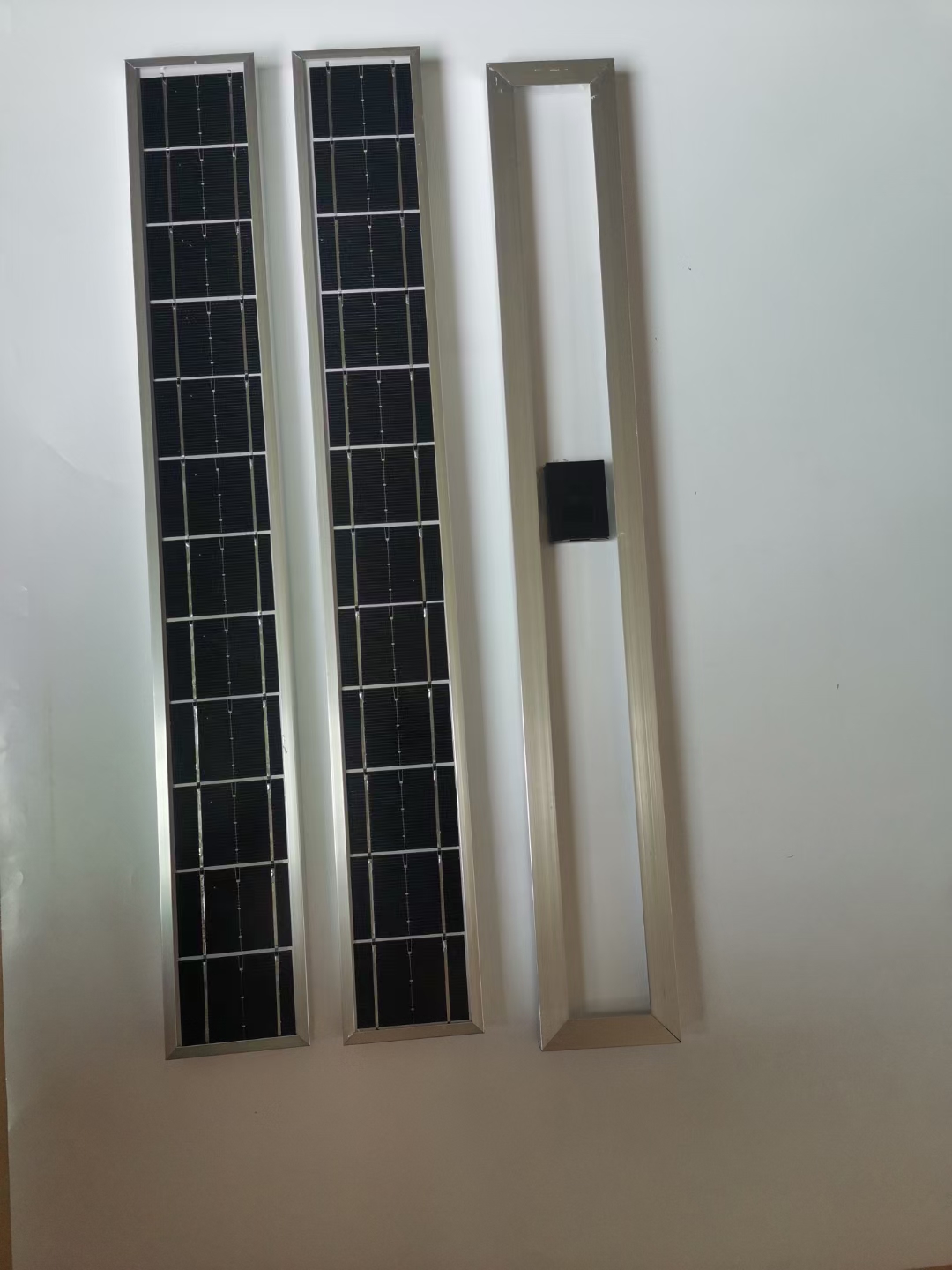
The integration of renewable energy into modern architecture represents one of the most significant shifts in sustainable building design today. Building-integrated photovoltaics, or BIPV, have emerged as a transformative technology that allows structures to generate electricity while maintaining aesthetic appeal and functionality. The transparent solar panel stands at the forefront of this revolution, offering architects and developers a way to harness solar energy without sacrificing design flexibility or natural light penetration. This innovative approach to energy generation is reshaping how we think about green buildings and their role in reducing carbon emissions across urban environments.
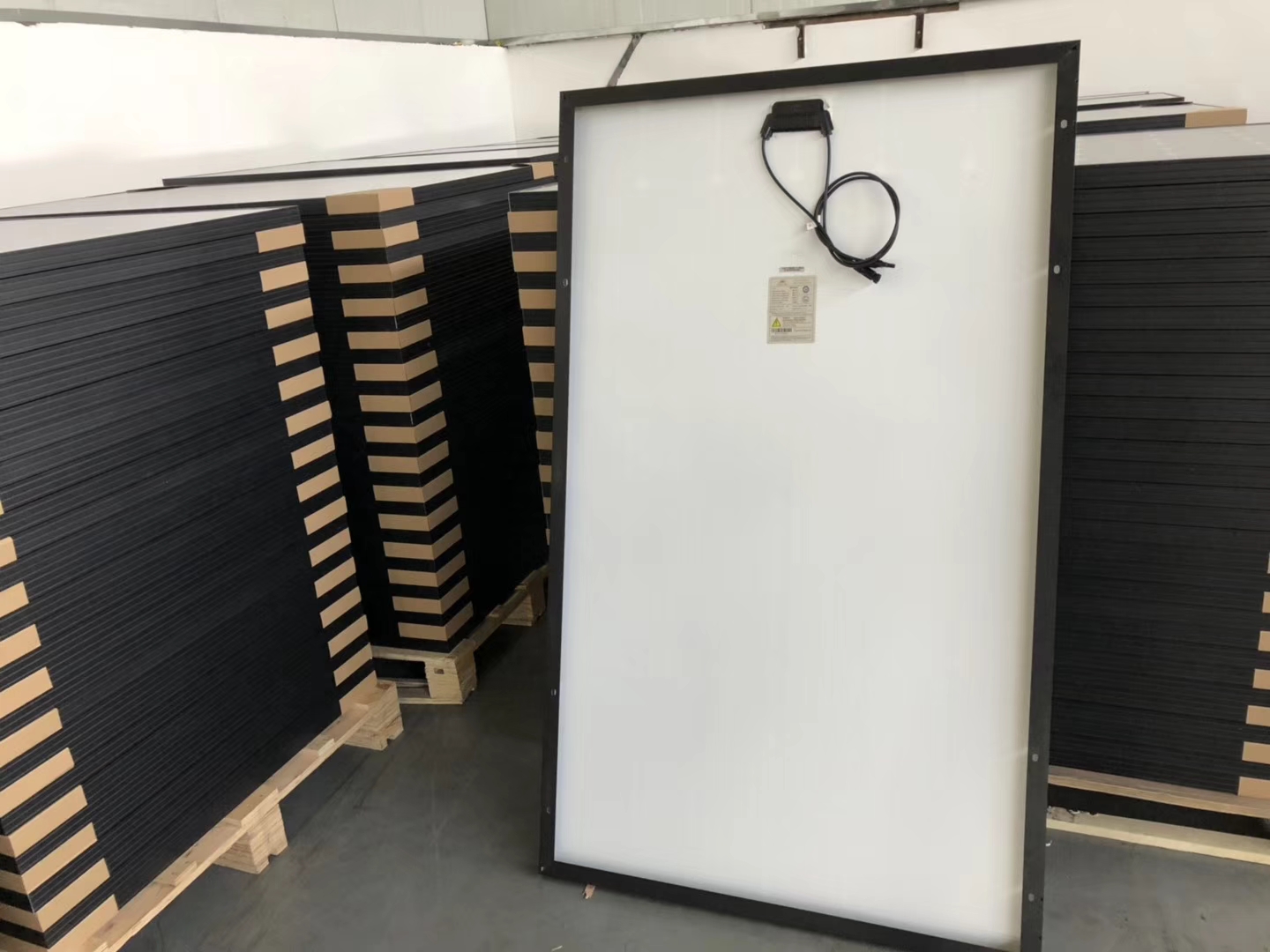
As environmental concerns intensify and regulatory requirements for energy efficiency tighten, the transparent solar panel has become more than a niche product—it has become essential infrastructure for forward-thinking building projects. Unlike conventional rooftop solar panel installations, BIPV transparent solar panel technology integrates directly into building envelopes, facades, and windows, transforming passive architectural elements into active energy generators. This dual functionality creates opportunities for buildings to achieve net-zero energy status while improving occupant comfort and reducing operational costs. The shift toward BIPV transparent solar panel adoption reflects a broader industry recognition that sustainable buildings must balance environmental performance with practical design constraints and user experience.
Why BIPV Transparent Solar Panels Define Modern Green Building Design
Redefining the Role of Building Envelopes
Traditional green building design often treats energy generation and architectural aesthetics as competing priorities. The transparent solar panel eliminates this false choice by serving dual purposes simultaneously. A transparent solar panel can be integrated into window systems, skylights, and curtain walls, allowing buildings to generate electricity while maintaining visual connectivity to the outdoors. This integration transforms the building envelope from a passive barrier into an active energy production system. For architects working on green buildings, the transparent solar panel represents a liberation from the constraint of choosing between beautiful, naturally lit interiors and efficient renewable energy generation.
Enhancing Building Performance and Occupant Wellbeing
Green buildings prioritize occupant health and productivity alongside environmental performance. The transparent solar panel supports this holistic approach by maintaining daylighting quality while filtering solar heat gain in strategic ways. Unlike opaque rooftop solar panel systems that eliminate natural light transmission, a transparent solar panel allows occupants to maintain connection with daylight cycles, which research consistently links to improved sleep patterns, mood, and cognitive function. The solar panel integrated into facade systems can also reduce cooling loads through selective light transmission, lowering mechanical HVAC demands. This multifaceted benefit of the transparent solar panel directly addresses why green buildings increasingly prioritize occupant experience alongside energy metrics.
How the Transparent Solar Panel Contributes to Net-Zero Energy Targets
Maximizing Available Surface Area for Energy Generation
The primary advantage of deploying a transparent solar panel system lies in dramatically expanding the effective surface area available for energy capture. Conventional rooftop solar panel arrays are limited to roof surfaces that, in many urban buildings, are already occupied by mechanical equipment, HVAC systems, and structural elements. A transparent solar panel, by contrast, can cover extensive facade areas, multiple story-height curtain walls, and skylight systems that would otherwise generate zero electricity. In dense urban environments where rooftop space is constrained, the transparent solar panel becomes the critical differentiator between achieving net-zero targets and falling short. Buildings utilizing vertical facade-mounted transparent solar panel arrays can generate 20 to 40 percent additional energy compared to rooftop-only solar panel installations of equivalent nameplate capacity.
Integration with Smart Building Management Systems
Modern green buildings depend on sophisticated energy management systems to optimize consumption and generation in real time. The transparent solar panel, when strategically distributed across multiple facade orientations, provides diversified generation profiles throughout the day. A south-facing transparent solar panel produces peak output during midday hours, while east-facing and west-facing variants generate power during morning and afternoon periods. Smart building controls can coordinate heating, cooling, and electrical loads with this distributed generation pattern. Furthermore, transparent solar panel systems that incorporate switchable glazing technology allow occupants to adjust solar heat gain and light transmission dynamically. This responsiveness means that a transparent solar panel network becomes not merely an energy source but an integrated component of the building's demand-side and supply-side optimization strategy, directly supporting why green buildings increasingly adopt such integrated renewable energy approaches.
Why Transparent Solar Panel Technology Attracts Green Building Investment
Regulatory Alignment and Future-Proofing
Building energy codes and green certification standards continue to evolve toward stricter renewable energy mandates. Many jurisdictions now require new buildings to source 50 to 80 percent of annual energy from renewable sources, with projections heading toward 100 percent renewable targets by 2030 or 2035. A transparent solar panel system provides developers and building owners with a proven pathway to meet these escalating regulatory requirements. Unlike conventional solar panel systems that require dedicated roof space and may not be compatible with certain architectural styles or site constraints, the flexible deployment options of the transparent solar panel make compliance achievable across diverse project types. This regulatory tailwind is why green buildings increasingly feature prominent transparent solar panel installations, particularly in high-performance office, hospitality, and institutional sectors where visibility and demonstrable sustainability matter for stakeholder relationships and operational licensing.
Economic Returns and Life-Cycle Value
The business case for transparent solar panel adoption has strengthened significantly as manufacturing costs have declined and efficiency improvements have continued. While a transparent solar panel system typically costs more per watt than conventional opaque solar panel products, the total installed cost advantage often favors BIPV systems when factoring in avoided costs for traditional facade materials, additional HVAC sizing, and electrical infrastructure. A transparent solar panel replaces what would otherwise be purchased as conventional glazing, allowing project budgets to capture the glazing cost offset against the solar panel premium. Over the 25 to 30 year life of the building, the energy revenue stream from the transparent solar panel generates positive net present value in most temperate and sunny climates. Energy efficiency improvements driven by optimized heating and cooling loads further enhance economic performance. This financial reality explains why institutional investors, REITs, and corporations developing or renovating green buildings now treat the transparent solar panel as a standard specification rather than an optional premium feature.
FAQ
What efficiency levels can a modern transparent solar panel achieve?
Contemporary transparent solar panel technologies achieve electrical conversion efficiencies ranging from 6 to 18 percent, depending on the specific technology platform and light transmission requirements. Traditional opaque silicon solar panel panels achieve 18 to 22 percent efficiency, but transparent solar panel designs intentionally sacrifice some light absorption capacity to maintain daylight transmission. The best-in-class transparent solar panel products combine high light transmission (typically 50 to 80 percent visible light transmission) with competitive electrical output. For green building applications, the relevant metric is not raw efficiency alone but rather the combined economic and performance value delivered by maintaining occupant comfort while generating renewable energy, where the transparent solar panel typically outperforms opaque alternatives when full lifecycle and user experience costs are included.
Can a transparent solar panel system work in climates with limited sunlight?
While a transparent solar panel system generates maximum output in sunny climates, it remains viable and economically attractive in regions with moderate sunlight availability and high cloud cover. A transparent solar panel benefits from both direct beam radiation and diffuse sky radiation, meaning it continues generating electricity on overcast days. In northern European, North American, and similar climates with significant seasonal variation, the transparent solar panel still typically generates sufficient energy to offset its lifecycle costs, particularly when combined with other efficiency measures and when high electricity rates make renewable generation economically justified. The transparent solar panel's ability to maintain simultaneous functionality as a facade material with durability comparable to conventional glazing means it remains a sound long-term investment even in less-than-ideal solar resource areas, especially for buildings that prioritize sustainability certification and regulatory compliance.
How does a transparent solar panel impact thermal comfort compared to conventional windows?
A transparent solar panel absorbs a portion of solar radiation that would otherwise pass through conventional clear glazing, which reduces summer cooling loads in most climates. Modern transparent solar panel products incorporate selective spectral filtering that preferentially blocks infrared radiation while transmitting visible light, creating a net cooling benefit in warm seasons. During winter months, a transparent solar panel permits sufficient solar heat gain to contribute meaningfully to passive heating strategies. The overall thermal comfort impact depends on facade orientation, climate zone, and the specific transparent solar panel technology deployed, but comprehensive building simulations consistently demonstrate that well-designed transparent solar panel systems improve thermal comfort and reduce mechanical system demand compared to baseline non-solar glazing alternatives. This performance characteristic is one reason why transparent solar panel systems align naturally with green building design principles that emphasize passive design strategies and reduced mechanical dependency.
