
 EN
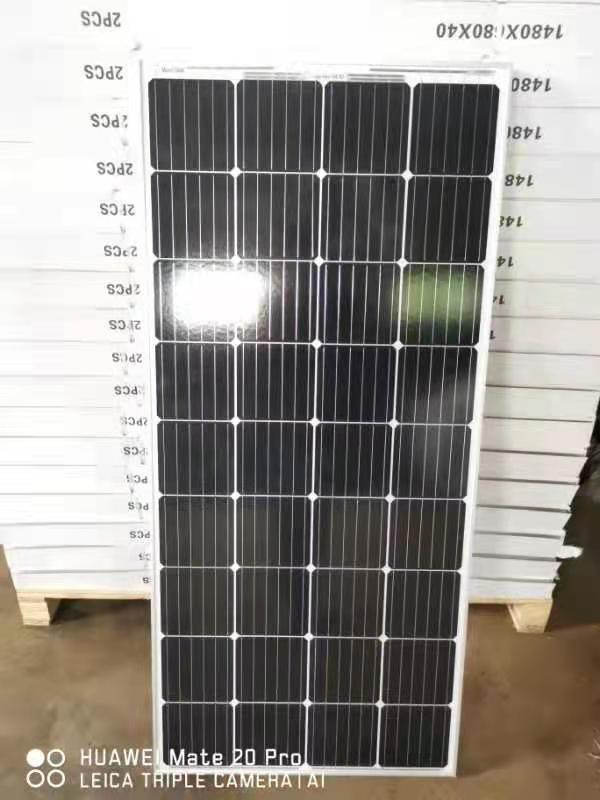
When purchasing wholesale small watt solar panels, efficiency stands as the single most decisive factor separating a smart investment from a costly mistake. A solar panel converts sunlight into usable electricity, and the efficiency rating determines how much of that sunlight actually becomes power you can use. For businesses buying in bulk, even small percentage differences in efficiency compound dramatically across hundreds or thousands of units, directly affecting profitability, system reliability, and long-term energy independence. Understanding why efficiency matters isn't just technical knowledge—it's essential business strategy.
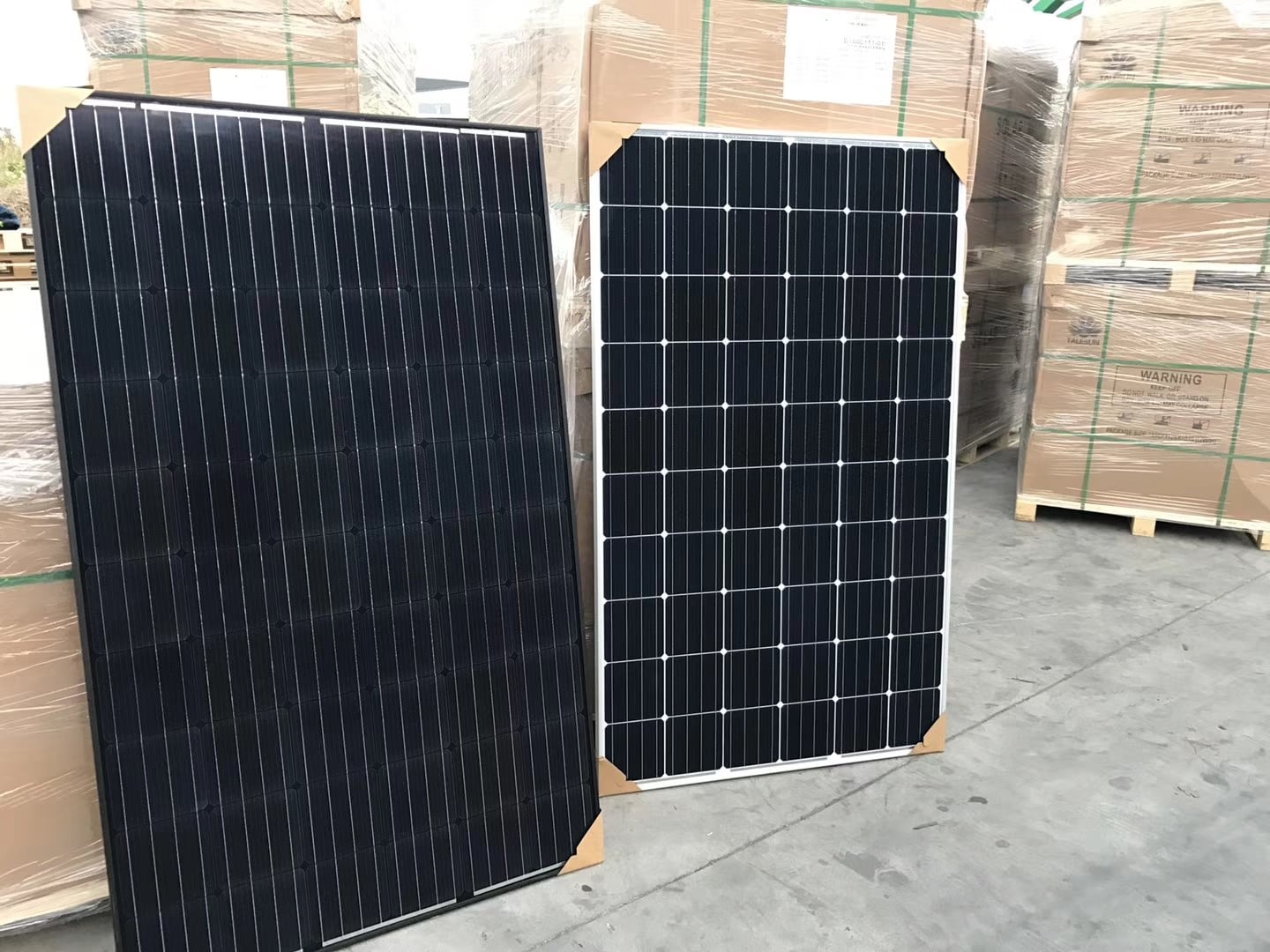
Efficiency in a solar panel directly influences your return on investment and system performance. A higher-efficiency solar panel generates more watts per square meter of installation space, meaning you need fewer panels to reach your energy targets. This translates to lower infrastructure costs, reduced installation labor, and faster payback periods. For wholesale buyers especially, selecting high-efficiency models early in your procurement process prevents costly retrofits, eliminates performance gaps, and builds customer confidence in your product offering.
The Efficiency Advantage in Energy Output
How Efficiency Determines Real-World Power Generation
Every solar panel carries an efficiency rating, typically ranging from 15% to 22% for mainstream commercial models. This rating means that percentage of incoming solar energy converts to usable electricity. When you compare two models occupying identical footprints, the higher-efficiency solar panel delivers meaningfully more power under the same sunlight conditions. For wholesale operations managing inventory across multiple projects, this gap multiplies quickly: a 20% efficient solar panel versus a 16% model means 25% more output per unit, dramatically shifting project economics.
The efficiency advantage compounds across installations. If you're supplying solar panel solutions to ten different sites, each deploying 100 units, choosing the more efficient solar panel variant means delivering 25% more total energy capacity without adding physical footprint. This capability allows your customers to meet energy targets faster and with simpler installation logistics. Higher output also means your customers experience better performance during partial-shade conditions, cloudy days, and early-morning or late-evening hours when sunlight intensity drops.
Energy Density and Space Optimization
Commercial and industrial facilities often face space constraints. A high-efficiency solar panel maximizes the use of available rooftop, ground-mount, or canopy areas. This energy density advantage becomes critical when square footage is limited or expensive. Wholesale buyers serving projects with tight spatial requirements specifically seek higher-efficiency solar panel models because they can meet energy budgets without requiring expansion. The efficiency metric essentially translates roof space into revenue, making it a direct factor in project viability and customer satisfaction.
Financial Impact and Return on Investment
Total Cost of Ownership and Bulk Purchasing
When purchasing solar panels wholesale in small watt configurations, the per-unit cost often appears competitive, but efficiency determines actual value delivered. A cheaper, lower-efficiency solar panel may seem attractive initially, yet the lower energy output extends project timelines and increases total system costs—because you need more panels, more mounting hardware, more wiring, and more installation labor to compensate. Buyers frequently underestimate this hidden cost multiplication. A high-efficiency solar panel, though potentially higher in base price, achieves faster payback and higher lifetime revenue because it produces more electricity per installed unit.
Wholesale purchase decisions ripple across an entire business model. If you're a distributor reselling solar panel solutions to installers or end-users, offering efficient models gives you competitive advantage and customer loyalty. Higher-efficiency solar panel offerings reduce customer complaints about underperformance, lower warranty claims, and build your reputation as a trusted partner. The financial advantage extends beyond individual projects into brand equity and repeat business.
Lifecycle Energy Calculations
The true measure of solar panel value isn't the purchase price—it's kilowatt-hours generated over the system's 25 to 30-year lifespan. A premium paid for a high-efficiency solar panel vanishes within 3 to 5 years as it generates surplus electricity compared to lower-efficiency alternatives. Wholesale buyers who model lifecycle energy output discover that efficiency premiums are among the best-spending decisions in renewable energy projects. The solar panel that costs 10% more but delivers 25% more energy clearly creates superior lifetime economics.
Reliability, Durability, and Long-Term Performance
Manufacturing Standards Behind Efficient Solar Panels
Higher-efficiency solar panels typically originate from manufacturers who invest heavily in production quality and material selection. Achieving superior efficiency requires precision in cell alignment, anti-reflective coatings, and semiconductor purity. These same rigorous standards translate to better weatherproofing, improved resistance to environmental degradation, and more consistent performance under stress. When selecting wholesale solar panel inventory, efficiency becomes a proxy for overall manufacturing discipline. A truly efficient solar panel likely also features superior bypass diodes, better solder joints, and more robust encapsulation.
The reliability connection matters profoundly to wholesale operations. When you deploy a solar panel to hundreds of installations, defect rates directly impact your support costs, warranty expenses, and customer relationships. High-efficiency solar panel models from serious manufacturers carry lower failure rates because the same expertise that drives efficiency also drives durability. Over a 25-year period, the reliability advantage of a high-efficiency solar panel saves thousands in replacement costs and emergency service calls.
Performance Degradation and Long-Term Value
All solar panels degrade over time, typically losing 0.5% to 0.8% of their efficiency annually. A high-efficiency solar panel that begins at 21% efficiency remains more productive than a lower-efficiency model even after 15 years of gradual decline. This sustained performance advantage makes efficiency a critical criterion for projects with long asset lifespans or deferred replacement schedules. Wholesale buyers serving customers in remote locations or facilities with high replacement costs particularly value this long-term performance stability of efficient solar panel technology.
FAQ
What efficiency percentage should I target when purchasing wholesale solar panels?
For wholesale small watt solar panels, efficiency ratings of 18% or higher represent a solid baseline for modern commercial-grade installations. Monocrystalline solar panel models typically achieve 19% to 22% efficiency, while polycrystalline solar panels range from 16% to 18%. The specific target depends on your project requirements, available budget, and customer expectations. If your installations face space limitations or require maximum output density, prioritize solar panel models in the 20% to 22% range. For cost-sensitive applications where space is abundant, 18% to 19% efficiency still delivers strong returns.
How much more output does a higher-efficiency solar panel actually deliver?
A 20% efficient solar panel produces approximately 25% more power than a 16% solar panel of identical size under equal sunlight. This relationship scales linearly across your wholesale inventory: if you're purchasing 500 units, choosing the more efficient solar panel model means 25% additional total energy capacity without adding any physical footprint. Over a 25-year system lifespan, this output difference translates to hundreds of thousands of additional kilowatt-hours and proportional revenue increases for your customers.
Is paying more for high-efficiency solar panels worth the investment cost?
Yes, investing in higher-efficiency solar panels almost always delivers superior lifetime economics. While an efficient solar panel may cost 5% to 15% more upfront, it generates 20% to 30% more electricity over its lifespan, creating payback periods of 3 to 5 years instead of 7 to 10 years. For wholesale operations, this efficiency advantage translates to faster customer satisfaction, stronger project economics, and reduced warranty costs. The solar panel efficiency premium is among the highest-return investments in any solar energy system.
