
 EN
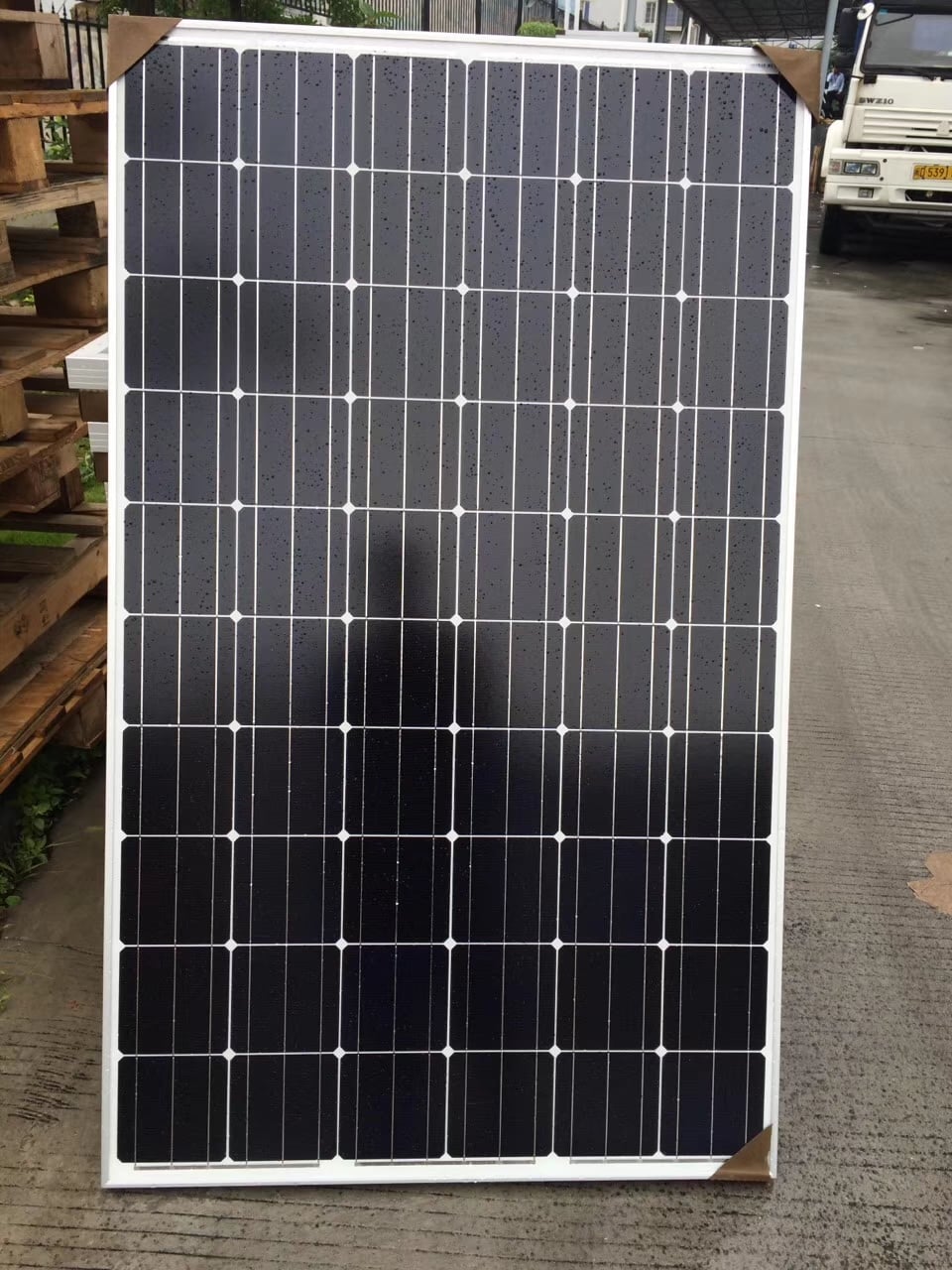
Utility-scale solar installations demand equipment that combines maximum energy production with exceptional durability and long-term value. Bifacial double glass solar panels represent a strategic investment for utility projects seeking to optimize returns while minimizing operational risks. These advanced solar panel systems capture energy from both front and rear surfaces, generating significantly more electricity per installation footprint than traditional monofacial alternatives. Understanding why bifacial double glass solar panels have become the preferred choice for utility developers requires examining their technical advantages, financial benefits, and practical performance characteristics across diverse installation environments.
The decision to deploy bifacial double glass solar panels in utility projects goes beyond simple equipment selection. This choice reflects a commitment to operational excellence, risk mitigation, and sustainable performance over the 25 to 30-year lifespan of the installation. Utility managers and project developers increasingly recognize that the premium investment in bifacial double glass solar panel technology delivers measurable returns through enhanced energy generation, reduced maintenance costs, and improved grid reliability. This article explores the compelling business and technical reasons behind this strategic shift toward bifacial double glass solar panel deployment in utility-scale operations.
Superior Energy Generation and Bifacial Technology
Dual-Surface Energy Capture with Solar Panel Innovation
Bifacial solar panel technology fundamentally changes how utility installations capture solar energy. Unlike traditional single-surface designs, a bifacial solar panel generates electricity from both its front side facing the sun and its rear surface exposed to ground-reflected light. This dual-surface configuration increases energy output by 15 to 25 percent compared to equivalent monofacial systems, depending on ground albedo conditions. For utility projects, this performance advantage translates directly into higher kilowatt-hour production without requiring additional land or mounting infrastructure. The solar panel's rear-facing capability means that reflected light from gravel, concrete, or other light-colored ground surfaces contributes meaningfully to total energy generation.
Double Glass Construction for Enhanced Durability
Double glass solar panel construction encapsulates bifacial solar panel technology within a protective framework that extends operational lifespan and reduces failure rates. Traditional solar panel designs use a glass front combined with a polymer backsheet that degrades over time through exposure to heat, moisture, and ultraviolet radiation. Double glass solar panel architecture replaces this polymer layer with tempered glass, creating a completely sealed module resistant to environmental stressors. Utility operators benefit from this durability because double glass solar panel modules maintain consistent performance throughout their service life. The reduced degradation rate means that a double glass solar panel installation retains 90 percent or more of its original efficiency at year 25, whereas traditional solar panel backsheets may degrade at twice this rate.
Financial Returns and Cost Efficiency
Maximized Energy Revenue Throughout Project Lifespan
The financial case for bifacial double glass solar panel investments centers on enhanced revenue generation over extended periods. A solar panel system producing 20 percent more electricity annually generates proportionally higher revenue in utility-scale power purchase agreements. For a 100-megawatt utility installation, this performance advantage equates to millions of dollars in additional revenue over the project's operational life. The solar panel's superior rear-surface generation extends this benefit consistently across seasons and weather conditions. Utility developers recognize that bifacial double glass solar panel technology creates competitive advantages in competitive bidding processes, allowing projects to secure long-term power purchase contracts at favorable rates.
Reduced Maintenance and Replacement Costs
Double glass solar panel construction dramatically reduces unplanned maintenance and module replacement expenses that erode utility project margins. Traditional solar panel systems require more frequent inspections and interventions because backsheet degradation leads to moisture ingress and cell failure. Bifacial double glass solar panel modules, by contrast, maintain sealed integrity for decades with minimal intervention. The solar panel's enhanced durability means fewer warranty claims, reduced field service costs, and higher predictable returns. Utility operators value this cost stability because it simplifies long-term financial forecasting and reduces contingency reserves required for equipment failures. A solar panel fleet based on double glass construction generates lower lifecycle costs despite higher initial capital expenditure.
Environmental Performance and Grid Reliability
Consistent Performance Across Diverse Environmental Conditions
Utility projects must perform reliably across variable climate zones, from humid coastal regions to dry desert environments. Bifacial double glass solar panel technology delivers consistent performance because the sealed double glass design resists moisture penetration and thermal cycling stress. Traditional solar panel systems show greater performance degradation in high-humidity environments where moisture penetrates backsheet materials and causes corrosion. A bifacial solar panel maintains predictable output regardless of local humidity, temperature variation, or seasonal weather patterns. Utility planners benefit from this environmental resilience when deploying projects across diverse geographical regions or when committing to long-term power delivery guarantees. The solar panel's stable performance profile supports dependable grid integration and fulfills renewable energy targets reliably.
Sustainability and System Longevity
Bifacial double glass solar panel installations advance utility sustainability goals by maximizing energy output from fixed land areas. Higher efficiency per unit area means utilities can meet renewable energy targets while consuming less real estate, reducing environmental impact and community concerns. Double glass solar panel construction extends equipment lifespan, reducing the frequency of module replacement and associated waste streams. The solar panel technology's superior durability aligns with circular economy principles by keeping equipment in productive service for maximum duration. Utility operators increasingly value this environmental alignment because it supports corporate sustainability commitments and regulatory compliance with growing clean energy mandates.
FAQ
How does bifacial solar panel technology increase energy output for utility projects?
Bifacial solar panel design captures electricity from both front and rear surfaces of each module. The rear-facing side generates additional power from ground-reflected sunlight, increasing total output by 15 to 25 percent compared to traditional monofacial modules. For utility installations, this dual-surface solar panel capability means higher kilowatt-hour production without expanding land requirements or installation footprint. Ground color, installation height, and local albedo conditions influence the bifacial solar panel's rear-surface performance, with optimal results occurring on light-colored surfaces like gravel or concrete.
Why is double glass construction important for long-term utility solar panel reliability?
Double glass solar panel design eliminates polymer backsheet materials that degrade through moisture absorption and ultraviolet exposure. A solar panel built with glass-to-glass construction maintains integrity for 25 to 30 years because glass resists environmental degradation far superior to traditional backsheets. This durability reduces failure rates, minimizes warranty claims, and extends consistent performance throughout the project's operational life. For utility operators managing large installations, the reduced maintenance requirements and stable output profiles make double glass solar panel investments financially attractive despite initial cost premiums.
What financial benefits does bifacial double glass solar panel technology provide to utility developers?
Bifacial double glass solar panel investments deliver financial returns through multiple channels. Enhanced energy generation increases annual revenue in long-term power purchase agreements, improving project economics. Reduced maintenance and replacement costs lower operating expenses throughout the asset life. The solar panel's superior durability and consistent performance support competitive bidding advantages and enable securing favorable contract terms. For utility projects competing in renewable energy markets, bifacial double glass solar panel technology creates differentiated returns that justify the initial capital premium and deliver measurable financial value to project sponsors and utility operators.
