
 EN
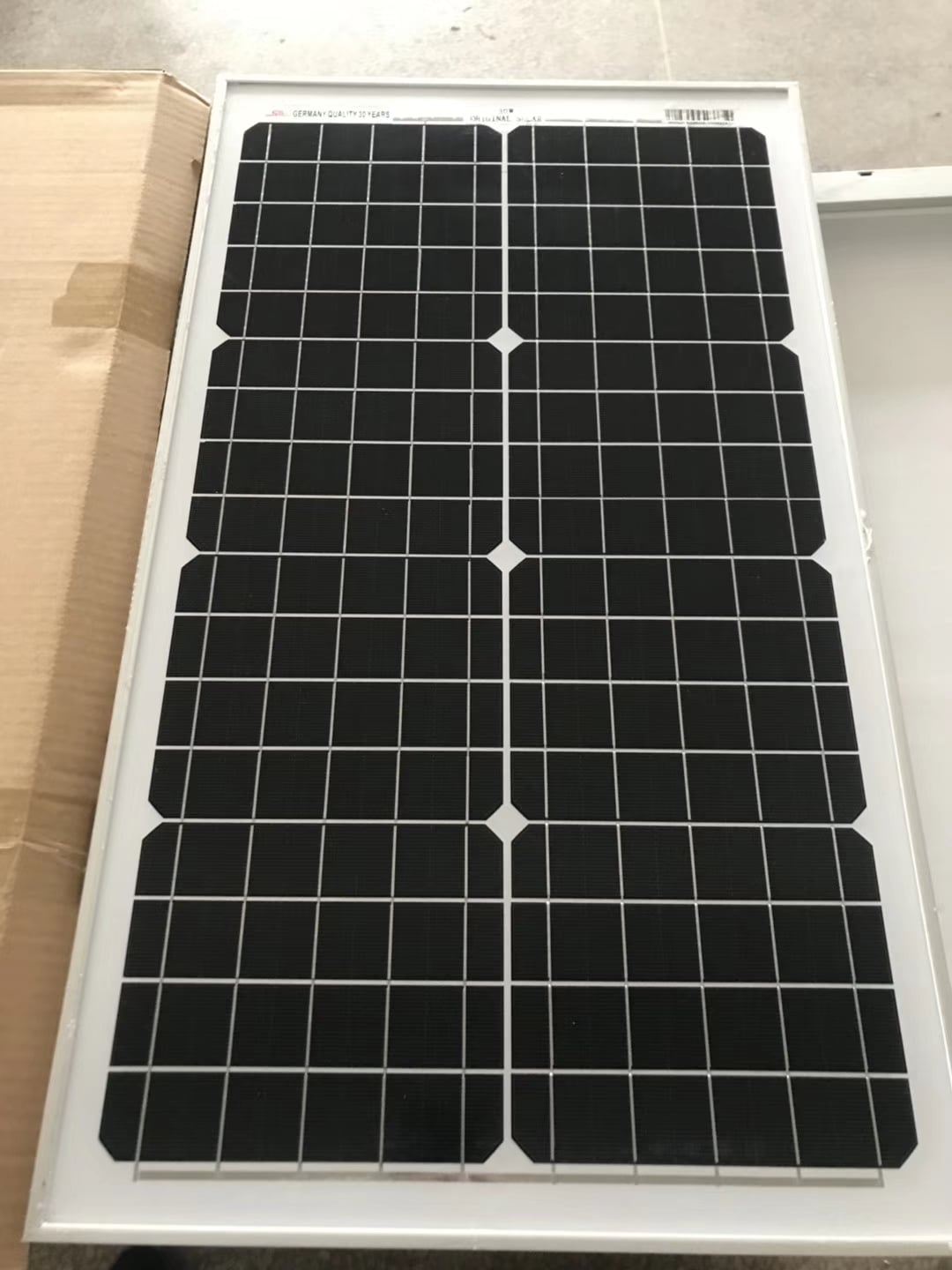
Understanding the financial benefits of modern solar panel technology is essential for any business evaluating renewable energy investments. Bifacial double glass solar panels represent a significant advancement in solar energy capture, offering multiple pathways to enhanced return on investment. Unlike traditional single-sided solar panel designs, these innovative systems harness energy from both front and rear surfaces, substantially increasing power generation per installation footprint. For organizations seeking to maximize their solar panel performance while minimizing long-term operational costs, bifacial double glass configurations deliver measurable financial advantages that compound over the system's operational lifetime.

The ROI case for bifacial double glass solar panel systems strengthens when considering installation location, maintenance requirements, and energy yield consistency. These advanced solar panel modules employ double glass encapsulation to protect internal components from environmental degradation, extending operational lifespan and reducing replacement frequency. The bifacial architecture captures reflected and diffuse light from ground surfaces, snow, or adjacent structures, generating 15–25 percent additional energy compared to monofacial alternatives. This enhanced energy production directly translates into faster payback periods and stronger long-term cash flow for commercial and industrial solar panel deployments.
Energy Yield Enhancement and Performance Advantages
Maximizing Output Through Bifacial Design
The primary ROI driver for bifacial double glass solar panel installations is their superior energy production capacity. Traditional single-sided solar panel modules generate electricity only from front-facing sunlight, leaving the rear surface inactive. Bifacial solar panel technology captures both direct sunlight and reflected radiation from the ground, mounting structures, and surrounding surfaces. This dual-surface capture mechanism means a single bifacial double glass solar panel generates substantially more kilowatt-hours per square meter annually compared to conventional solar panel types. In commercial settings where roof or ground space is premium, this increased output per solar panel unit directly improves financial returns.
The performance premium of bifacial double glass solar panel systems becomes most pronounced in specific environmental conditions. Installations in high-albedo environments—such as areas with light-colored roofing materials, snow-covered landscapes, or white-painted ground surfaces—see the most dramatic energy gains from bifacial solar panel configurations. Even standard installations benefit from rear-surface energy capture, as the double glass solar panel structure optimizes light reflection and reduces thermal losses. This performance consistency makes bifacial double glass solar panel investments predictable and favorable for long-term ROI forecasting.
Durability and Longevity Benefits
Beyond raw energy output, the double glass construction of bifacial solar panel modules significantly extends operational lifespan. Traditional solar panel designs use plastic backsheets that degrade under ultraviolet exposure and thermal cycling. Double glass solar panel encapsulation eliminates this vulnerability, providing a robust barrier against moisture ingress, corrosion, and material degradation. Extended durability directly reduces the total cost of ownership for bifacial double glass solar panel systems, as replacement frequency decreases dramatically over a 25–30 year period. This longevity advantage transforms the ROI calculation, distributing initial capital costs across a longer operational window and improving year-by-year financial performance of each bifacial double glass solar panel installation.
Cost Reduction and Operational Efficiency
Lower Maintenance and Replacement Costs
The structural integrity of double glass solar panel configurations delivers substantial operational cost savings that enhance overall ROI. Traditional single-glass solar panel designs experience higher failure rates due to backsheet degradation, particularly in harsh climates with extreme temperature fluctuations or high humidity. Bifacial double glass solar panel modules eliminate these failure vectors through robust encapsulation, reducing unplanned maintenance and emergency replacements. For utility-scale and commercial installations where downtime carries significant economic penalties, the reliability of bifacial double glass solar panel systems provides tangible risk mitigation. Lower maintenance budgets directly increase net returns on bifacial double glass solar panel capital investments.
Predictable performance also reduces operational complexity for bifacial double glass solar panel system managers. Advanced solar panel monitoring and diagnostic tools work seamlessly with the consistent output profiles of bifacial double glass configurations, enabling proactive maintenance scheduling rather than reactive repairs. This shift from reactive to predictive maintenance lowers labor costs and extends equipment lifespan further. The cumulative effect of reduced maintenance expenditures, lower replacement frequency, and predictable performance makes bifacial double glass solar panel systems exceptionally attractive from a total-cost-of-ownership perspective.
Accelerated Payback Periods
The financial acceleration enabled by bifacial double glass solar panel technology directly shortens investment payback timelines. Higher annual energy production from bifacial double glass solar panel modules increases annual revenue or energy offset, while extended lifespan and reduced maintenance decrease total ownership costs. These dual economic drivers compress the payback period significantly compared to conventional solar panel investments. Many commercial bifacial double glass solar panel installations achieve payback within 5–7 years, compared to 8–10 years for standard solar panel systems. Earlier capital recovery improves cash flow management and allows organizations to redirect resources toward additional renewable energy projects or core business expansion.
Strategic Financial Metrics and Long-Term Value
Levelized Cost of Energy Optimization
The levelized cost of energy (LCOE) metric provides a comprehensive financial framework for evaluating bifacial double glass solar panel investments. LCOE integrates capital costs, maintenance expenses, operational costs, and total energy production across the system lifecycle. Bifacial double glass solar panel systems deliver superior LCOE performance because they generate more energy while reducing per-unit ownership costs through extended durability. This combination positions bifacial double glass solar panel technology as increasingly cost-competitive against fossil fuel alternatives and conventional solar panel options. Lower LCOE directly translates to stronger internal rates of return and more attractive project economics for corporate sustainability initiatives and renewable energy portfolios.
Organizations comparing investment options find that bifacial double glass solar panel configurations often rank highest in financial efficiency metrics. The enhanced energy yield per installation combined with reduced lifecycle costs creates a compelling financial narrative. Grid-connected commercial installations benefit particularly strongly from bifacial double glass solar panel economics, as they can leverage time-of-use energy pricing and demand charge reduction. The financial advantage of bifacial double glass solar panel systems becomes even more pronounced when coupled with energy storage solutions or smart grid integration capabilities, further amplifying ROI potential.
Long-Term Value Accumulation
Beyond initial payback periods, bifacial double glass solar panel investments generate compounding financial benefits throughout their extended operational lives. As electricity rates increase over time, the energy produced by bifacial double glass solar panel systems gains proportionally greater economic value. A solar panel installation that produces consistent output for 30 years captures increasingly valuable energy in later operational years. This inflation-resistant characteristic makes bifacial double glass solar panel investments particularly valuable for long-term portfolio planning. The reliability and performance consistency of bifacial double glass solar panel technology make financial projections more accurate, improving stakeholder confidence in renewable energy investment decisions.
FAQ
How much additional energy can bifacial double glass solar panels generate compared to conventional options?
Bifacial double glass solar panels typically generate 15–25 percent more energy annually than standard monofacial solar panel modules, depending on environmental conditions, surface albedo, and installation angles. This performance advantage stems from the bifacial architecture capturing both direct sunlight and reflected radiation from ground surfaces and surrounding structures. High-albedo environments such as snowy regions or light-colored rooftops maximize the energy advantage of bifacial double glass solar panels. Even in standard installations, consistent rear-surface energy capture provides measurable output improvements that compound significantly over decades of operation.
What is the typical payback period for bifacial double glass solar panel investments?
Commercial bifacial double glass solar panel installations typically achieve payback periods of 5–7 years, compared to 8–10 years for conventional solar panel systems. This acceleration results from higher annual energy production and reduced lifetime maintenance costs. Specific payback timelines depend on local electricity rates, available incentives, installation scale, and environmental factors affecting bifacial double glass solar panel performance. Organizations in regions with high electricity costs and favorable solar resources often see payback periods at the shorter end of this range, while other markets may experience slightly longer timelines.
Why does double glass construction improve the ROI of bifacial solar panels?
Double glass encapsulation eliminates plastic backsheet degradation that shortens the lifespan of conventional solar panel modules. This robust construction extends operational life to 30+ years, reduces unplanned maintenance and emergency replacements, and lowers total cost of ownership. Bifacial double glass solar panel systems maintain consistent performance throughout their extended lifespans, reducing operational risk and improving financial predictability. The combination of extended durability, reduced maintenance expenses, and reliable energy production creates a superior ROI profile for bifacial double glass solar panel investments across commercial, industrial, and utility-scale applications.
