
 EN
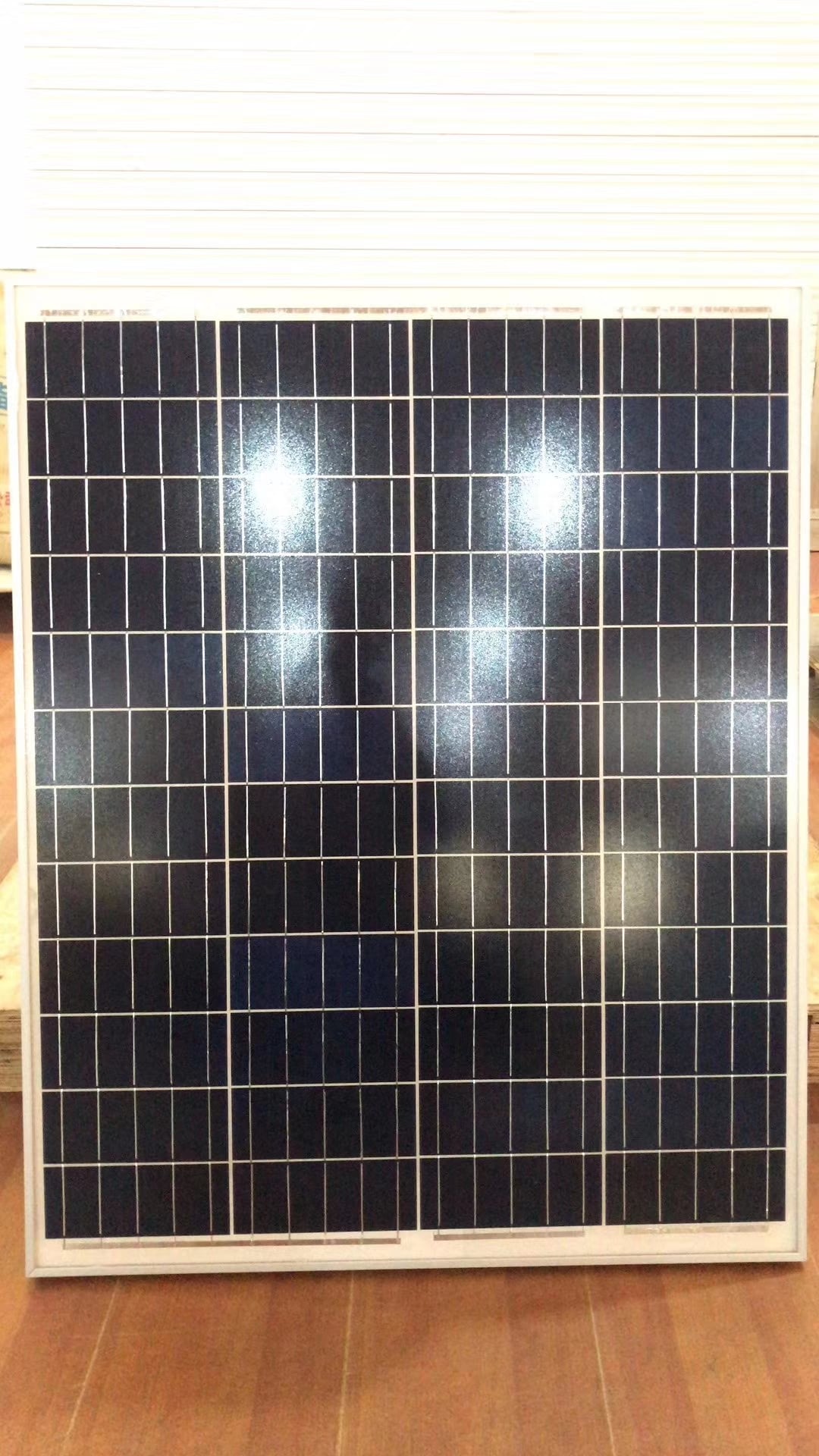
Bifacial double glass solar panels represent a significant investment in renewable energy generation, and their performance in snowy regions demands specialized maintenance strategies. Unlike traditional monofacial solar panels, bifacial designs capture sunlight from both front and rear surfaces, making them particularly sensitive to snow accumulation and environmental contaminants. Understanding how to properly maintain your solar panel system during winter months is essential for preserving efficiency, extending equipment lifespan, and maximizing your return on investment in cold climates.
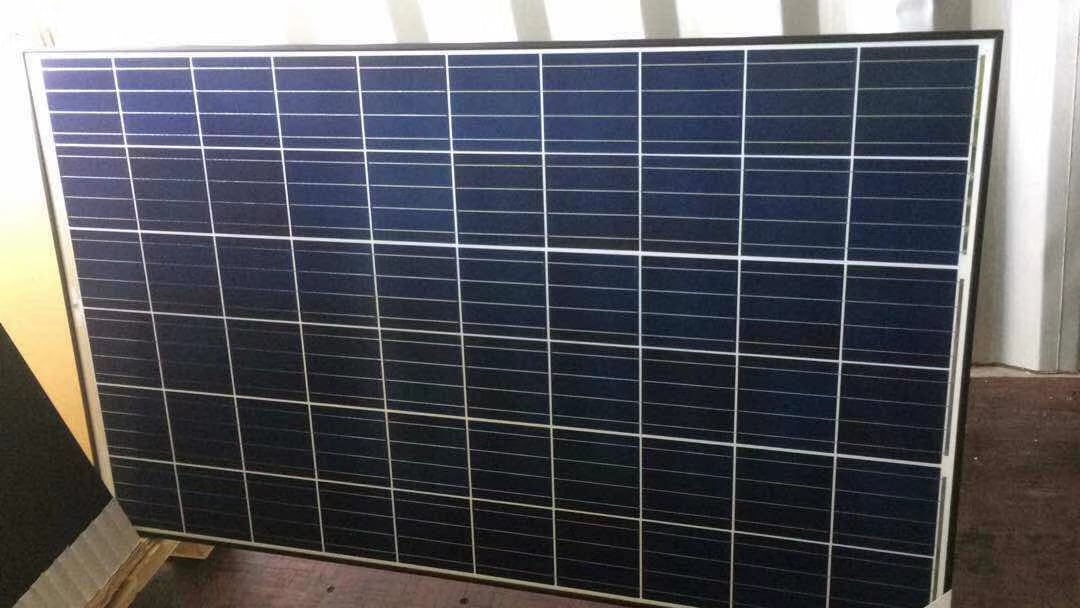
Winter maintenance for your solar panel installation requires a proactive approach tailored to snowy conditions. Snow, ice buildup, and reduced sunlight intensity create unique challenges that differ substantially from maintenance requirements in temperate climates. By implementing targeted maintenance protocols, you can ensure your solar panel system continues generating power efficiently throughout the winter season while protecting the integrity of your equipment.
Understanding Snow Impact on Bifacial Solar Panels
How Snow Affects Solar Panel Performance
Snow accumulation directly reduces the effective surface area of your solar panel, blocking both direct and indirect light from reaching the photovoltaic cells. The rear-facing surface of bifacial solar panels is especially vulnerable because reflected snow light from the ground—normally a performance advantage—becomes blocked by the snow layer itself. Heavy snow cover can reduce solar panel output by fifty to eighty percent, depending on accumulation thickness and cloud cover. Temperature drops associated with snowy weather actually improve solar panel electrical efficiency, but this benefit is quickly negated by light obstruction from snow and ice.
Risk Factors for Bifacial Solar Panels in Winter
Bifacial solar panel systems face distinct risks in snowy regions beyond simple performance reduction. The dual-surface design means more exposure area for ice formation, and uneven snow melting on the front surface can create safety hazards if ice falls. Weight distribution becomes critical because accumulated snow places mechanical stress on mounting brackets and structural supports differently than on single-surface solar panel installations. Water intrusion during freeze-thaw cycles threatens the integrity of the double glass enclosure, potentially leading to corrosion of internal electrical components. Understanding these specific risks helps you prioritize maintenance tasks and prevent costly equipment damage.
Essential Maintenance Strategies for Your Solar Panel System
Safe Snow and Ice Removal Techniques
Removing snow from your solar panel requires careful technique to avoid damaging the glass surface or electrical connections. Never use metal tools or pressure washers on your solar panel, as these can scratch the tempered glass or force water into sealed areas. Instead, use soft-bristled brushes, foam-squeegee tools, or specialized snow-removal rakes designed for solar panel installations. For your bifacial solar panel system, begin from the top edge and work downward, allowing snow to slide naturally rather than pushing it across the surface. If ice has bonded to the solar panel, allow it to melt naturally in sunlight rather than applying heat directly. Many installers recommend removing snow only when accumulation exceeds half an inch, as lighter snow often slides off naturally due to the smooth glass surface and panel tilt angle.
Regular Inspection and Preventive Maintenance
Monthly inspections during winter months help you catch maintenance issues before they escalate into serious problems. Check your solar panel mounting hardware for corrosion, ice buildup in fasteners, and any visible separation between panels and frames. Inspect electrical connections at the junction boxes for moisture infiltration, which appears as condensation or crystalline deposits. For bifacial solar panel systems, examine both the front and rear glass surfaces for cracks, discoloration, or delamination that might indicate water intrusion. Document any changes in solar panel output using your monitoring system; significant unexplained reductions often signal hidden ice formation or equipment malfunction. After major storms or freeze-thaw cycles, perform more thorough inspections to identify stress cracks or micro-fractures that could worsen over time.
Cleaning and Debris Management
Dust, pollen, and particulate matter trapped under melting snow reduce the efficiency of your solar panel system significantly. Once snow has melted from your solar panel surfaces, use distilled water and soft cloths to gently clean away accumulated residue. Avoid tap water because mineral deposits can leave films that reduce light transmission to your solar panel cells. For bifacial solar panel installations, pay special attention to the rear surface, which often sits closer to ground level and accumulates more debris. Clear gutters and drainage areas around your solar panel mounting structure to prevent water pooling that could lead to ice formation. In regions with persistent dust or salt spray from de-icing roads, cleaning frequency may need to increase every two to four weeks during winter rather than the typical quarterly schedule.
Long-Term System Health and Performance Optimization
Monitoring and Data Analysis
Your solar panel monitoring system provides critical data for identifying maintenance needs before performance degradation becomes severe. Compare monthly output from your solar panel system against historical data and weather records; unexplained drops often indicate snow cover, ice formation, or equipment failure. Track performance differences between clear days and overcast days to establish baseline expectations for your bifacial solar panel system during winter. Many solar panel systems now include alerts that notify you of performance anomalies in real-time, allowing rapid response to emerging problems. By analyzing this data systematically, you can predict when maintenance will be most beneficial and schedule professional service during optimal weather windows.
Structural and Electrical System Care
The structural integrity of your solar panel mounting system directly impacts safety and longevity in snowy regions. Excessive snow weight can overstress the mounting framework, especially if snow removal is delayed or performed unevenly. Check bolt torque values on your solar panel mounting system annually, as thermal cycling during winter loosens fasteners gradually. Electrical connections expand and contract with temperature fluctuations, potentially creating micro-movements that increase resistance over time. For bifacial solar panel systems, verify that the gap between the rear glass and mounting rails remains clean and free of ice buildup, as thermal bridging through ice can create moisture condensation. Consider professional inspection every two years to assess wear patterns specific to your climate and detect issues invisible to homeowner-level assessment.
Preventive Upgrades and Enhancements
Installing heating cables on your solar panel can automatically melt snow and ice accumulation, though this adds complexity and cost to your system. Some advanced bifacial solar panel systems include hydrophobic coatings that encourage snow to slide off naturally, reducing manual maintenance requirements. Anti-ice films or surface treatments can be applied to your solar panel glass to reduce ice adhesion, though these require professional installation and periodic renewal. Adjustable mounting racks that allow for steeper winter angles can help snow slide off your solar panel more readily, though this requires system redesign. Evaluating these upgrades requires comparing installation costs against the value of increased winter energy production specific to your snowy region's conditions.
FAQ
How often should I clean bifacial solar panels during winter?
During winter months in snowy regions, inspect your solar panel system weekly and clean after major storms or visible debris accumulation. Under normal conditions, monthly cleaning suffices; however, after freeze-thaw cycles or periods of salt spray from de-icing roads, increase frequency to every two weeks. Monitor your solar panel output data to guide cleaning decisions—if performance drops without corresponding snow cover, cleaning is warranted. Each solar panel system responds differently based on local weather patterns, so adjust your schedule based on actual performance data rather than fixed calendars.
Can I use hot water to melt ice from my solar panels?
Avoid applying hot water directly to your solar panel glass in freezing conditions, as rapid temperature changes can cause thermal shock and crack tempered glass. The sudden heating can also damage electrical components beneath the glass and force water into sealed areas. Instead, allow your solar panel to warm naturally in sunlight, or use gentle heating cables installed by professionals. For urgent situations, apply room-temperature water from a hose if available, but this should be a last resort for severely compromised systems affecting safety.
What signs indicate serious damage to bifacial solar panels?
Visible cracks, discoloration, or delamination of the double glass layers suggest serious damage to your solar panel requiring immediate professional inspection. Sudden performance drops exceeding fifty percent that don't correlate with weather changes often indicate internal electrical damage from water intrusion. Burning smells, sparking sounds at connection points, or visible corrosion on metal components demand immediate system shutdown and professional service. Any structural sagging or visible separation between your solar panel frame and mounting brackets indicates mounting stress that could threaten safety and require urgent repairs.
