
 EN
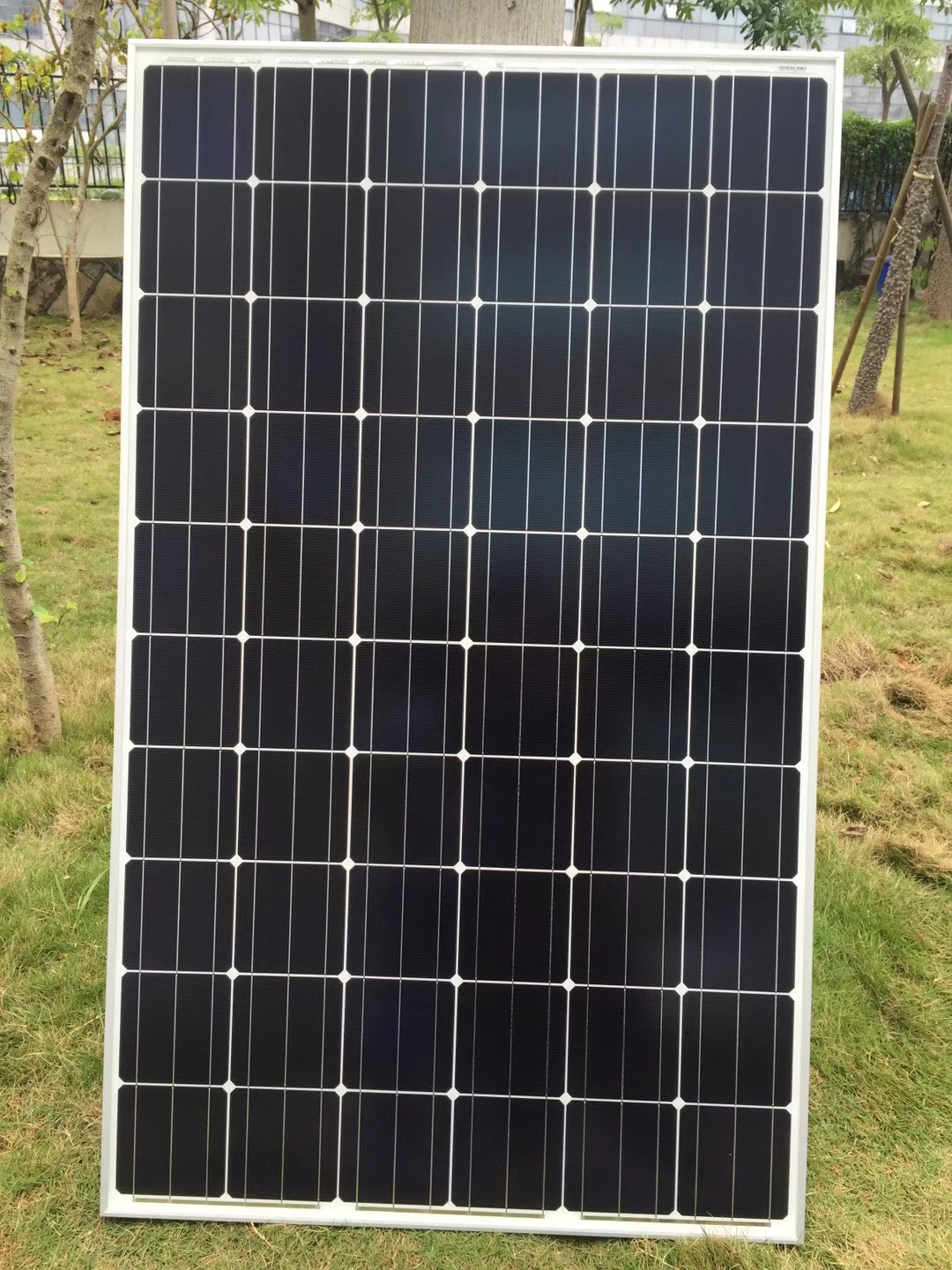
The choice of a solar panel technology fundamentally shapes the performance and longevity of any commercial energy installation. Bifacial double glass solar panels represent a significant advancement in photovoltaic engineering, designed specifically to address the demands of large-scale B2B energy projects. These solar panels capture light from both front and rear surfaces, combined with protective double glass construction, delivering measurable gains in energy generation and system resilience. Understanding why bifacial double glass solar panels outperform conventional alternatives requires examining their technical architecture, efficiency characteristics, and real-world deployment benefits.
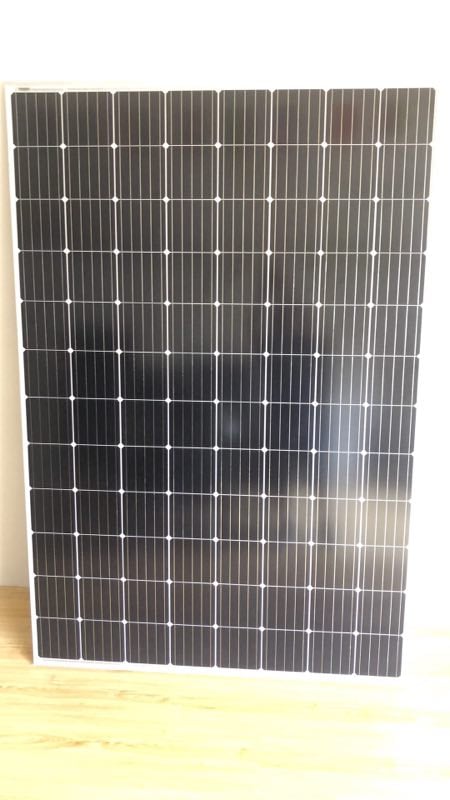
In industrial and commercial settings, a solar panel must deliver consistent output over decades while withstanding environmental stress, thermal cycling, and potential mechanical damage. Bifacial double glass solar panel technology was engineered to meet these exacting requirements. The dual-surface light capture mechanism of bifacial solar panel design allows facilities to extract additional energy from reflected ground radiation, while the double glass enclosure protects internal components from moisture, salt spray, and physical impact—critical factors in extending the functional life of any solar panel installation.
How Bifacial Double Glass Solar Panel Technology Works
Dual-Surface Light Capture Mechanism
A bifacial solar panel captures sunlight on both its front and rear surfaces simultaneously. Unlike monofacial solar panel designs that utilize only the front-facing photovoltaic cells, bifacial technology incorporates rear-facing cells that absorb reflected and diffuse light bouncing from ground surfaces, surrounding structures, and the atmosphere. This dual-capture mechanism means that a single solar panel can generate additional electricity without increasing the physical footprint of the installation. In commercial settings with light-colored roofing materials or white painted ground surfaces, the albedo effect amplifies the rear-side contribution, allowing a solar panel to operate at higher total output capacity compared to conventional technologies.
Double Glass Construction and Environmental Protection
The double glass enclosure of a bifacial double glass solar panel replaces the traditional polymer backsheet with a second layer of tempered glass. This construction choice delivers multiple protective advantages. First, the double glass solar panel resists moisture ingress far more effectively than polymer alternatives, preventing corrosion of internal contacts and busbar degradation. Second, the tempered glass provides superior resistance to salt spray, UV radiation, and thermal stress. Third, a bifacial double glass solar panel exhibits enhanced mechanical resilience against hail, wind loads, and accidental impact during installation or maintenance. These protective layers are essential for maintaining the performance warranty and real-world reliability of a solar panel deployed in harsh industrial environments.
Efficiency and Performance Advantages of Bifacial Double Glass Solar Panels
Superior Energy Yield Per Unit Area
The efficiency advantage of bifacial double glass solar panel technology translates directly to measurable business outcomes. A bifacial solar panel typically generates 10–25 percent additional energy compared to a monofacial solar panel of identical size, depending on ground albedo, mounting height, and local climate conditions. For B2B installations where roof or land space is constrained, this efficiency multiplier reduces the number of individual solar panels required to meet energy targets, thereby lowering installation costs, reducing structural load requirements, and accelerating return on investment timelines. Industrial facilities deploying bifacial double glass solar panel arrays across warehouses, manufacturing plants, or solar farms capture these gains systematically across thousands of units.
Temperature Coefficient and Thermal Stability
Temperature management directly influences the real-world performance of a solar panel. Bifacial double glass solar panel designs benefit from improved thermal management characteristics compared to conventional alternatives. The air gap between the two glass layers in a bifacial double glass solar panel acts as insulation, reducing internal cell temperature rise during peak sunlight hours. Lower operating temperatures translate to higher electrical output, since the photovoltaic conversion efficiency of a solar panel decreases as internal temperature increases. This thermal advantage of a bifacial double glass solar panel becomes especially valuable in hot climates or high-latitude summer conditions where conventional solar panel arrays experience significant efficiency losses. Over a 25-year system lifespan, this cumulative thermal benefit represents substantial additional energy generation and revenue.
Industrial Reliability and Longevity of Bifacial Double Glass Solar Panels
Extended Warranty Coverage and Degradation Resistance
Manufacturers confidence in bifacial double glass solar panel technology is reflected in extended warranty structures. Leading suppliers offer 25–30 year performance guarantees on a bifacial double glass solar panel, backed by laboratory testing that demonstrates exceptional resistance to light-induced degradation and moisture-related failures. The double glass construction of a bifacial solar panel eliminates moisture ingress pathways that compromise conventional solar panel lifespan, while the bifacial architecture distributes electrical stress more evenly across the cell structure. Industrial buyers selecting a bifacial double glass solar panel for long-term energy infrastructure investments benefit from this technical maturity and manufacturers' demonstrated commitment to product longevity. The predictability of a solar panel with a 30-year warranty enables accurate financial modeling and stable long-term energy cost forecasting.
Performance Under Real-World Deployment Conditions
Field performance data from commercial bifacial double glass solar panel installations confirms the theoretical advantages observed in laboratory conditions. Rooftop installations on manufacturing facilities, ground-mounted solar farms, and carport structures all demonstrate that bifacial solar panel arrays maintain higher output ratios during overcast conditions compared to monofacial alternatives, due to their enhanced sensitivity to diffuse and reflected light. In regions with high humidity, salt-laden atmospheres, or frequent dust and debris exposure, the double glass solar panel construction shows dramatically slower degradation rates. These real-world results validate bifacial double glass solar panel technology as a strategic choice for B2B energy projects requiring maximum reliability, predictable long-term output, and minimal maintenance intervention throughout the system lifecycle.
FAQ
What is the typical efficiency gain of bifacial solar panel systems compared to monofacial installations?
Bifacial solar panel systems typically generate 10–25 percent additional energy compared to monofacial alternatives, depending on ground albedo, mounting configuration, and geographic location. This efficiency premium arises from the rear-surface light capture capability of bifacial solar panel technology. Higher albedo surfaces, such as white roofing or painted concrete, amplify the rear-side contribution to a bifacial solar panel's total output. Industrial installations in sunny climates with reflective ground surfaces often achieve the upper end of this efficiency range, making bifacial double glass solar panel investments particularly attractive for energy-intensive facilities seeking maximum output density.
How does double glass construction protect a solar panel from environmental degradation?
Double glass solar panel construction replaces the traditional polymer backsheet with tempered glass, creating a dual-layer protective barrier against moisture, UV radiation, and salt spray. This design prevents water vapor ingress into the cell encapsulation, which is the primary failure mode for conventional monofacial solar panel arrays in high-humidity or coastal environments. A bifacial double glass solar panel deployed in harsh industrial conditions maintains electrical integrity and performance output far longer than a solar panel with polymer backsheets. Laboratory accelerated aging tests confirm that double glass solar panel technology exhibits negligible moisture-related degradation even after extended exposure to accelerated humid conditions.
Are bifacial double glass solar panels suitable for all B2B installation types?
Bifacial double glass solar panels deliver maximum value in installations with adequate ground clearance and reflective surfaces, such as rooftop arrays on light-colored membranes, ground-mounted solar farms, or carport structures. In constrained installations with limited rear-side exposure or low-albedo surfaces, the efficiency premium of bifacial solar panel technology may be reduced. However, even in suboptimal albedo conditions, the superior durability and warranty longevity of a bifacial double glass solar panel justify the investment for most B2B energy projects prioritizing long-term reliability and predictable output. Consulting with solar energy engineers ensures optimal solar panel selection for your specific facility geometry and environmental conditions.
