
 EN
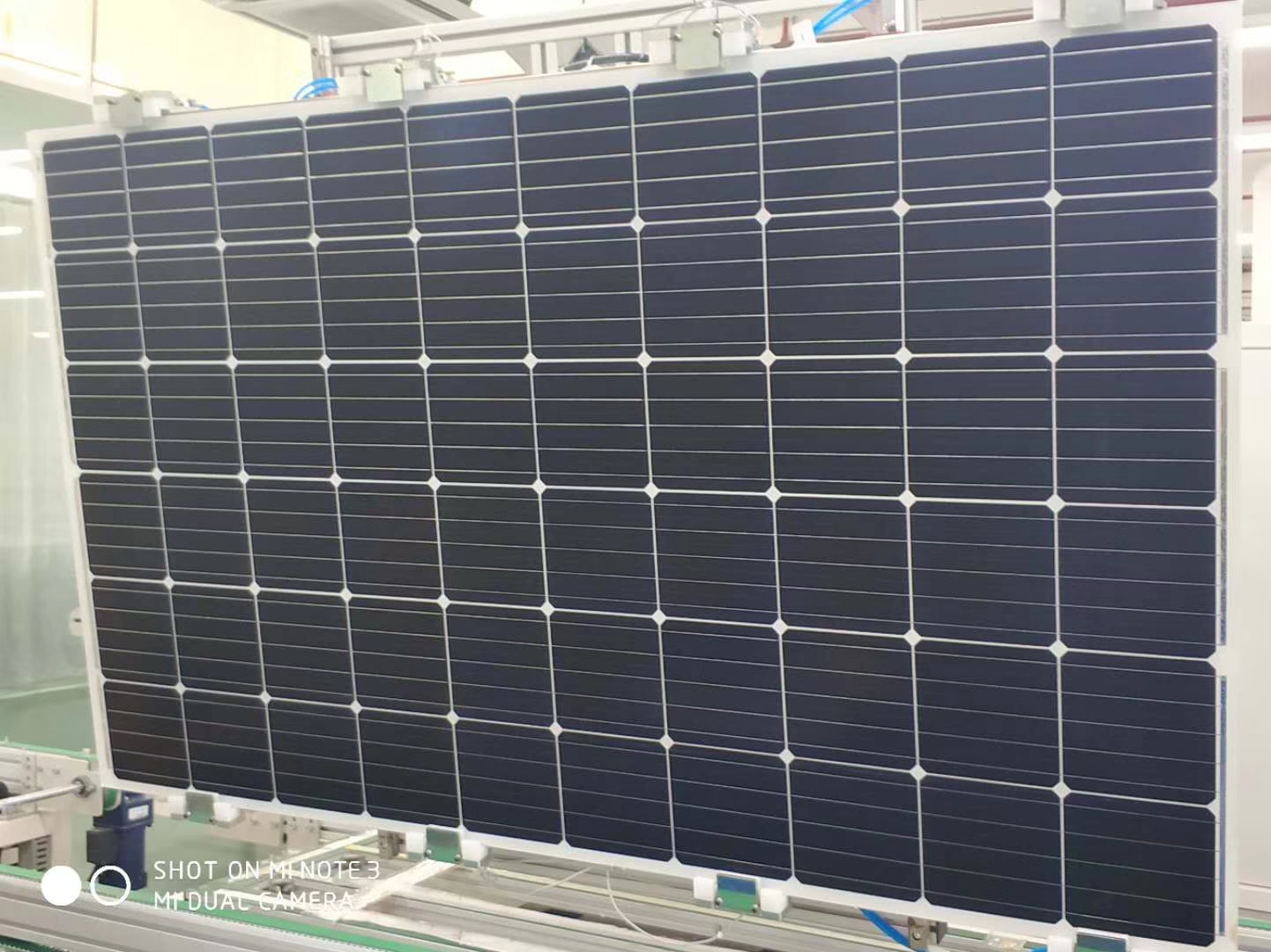
Selecting the right solar panel supplier for your bidding process requires careful evaluation of technical specifications, manufacturing capabilities, quality certifications, and long-term reliability. The choice of a bifacial solar panel supplier directly impacts project performance, warranty coverage, system efficiency, and overall return on investment. A strategic supplier selection process ensures you receive competitive pricing without compromising on the quality and durability of your solar panel installation. Understanding the key criteria for evaluating potential solar panel suppliers will help you make informed decisions that align with your project timeline and budget constraints.
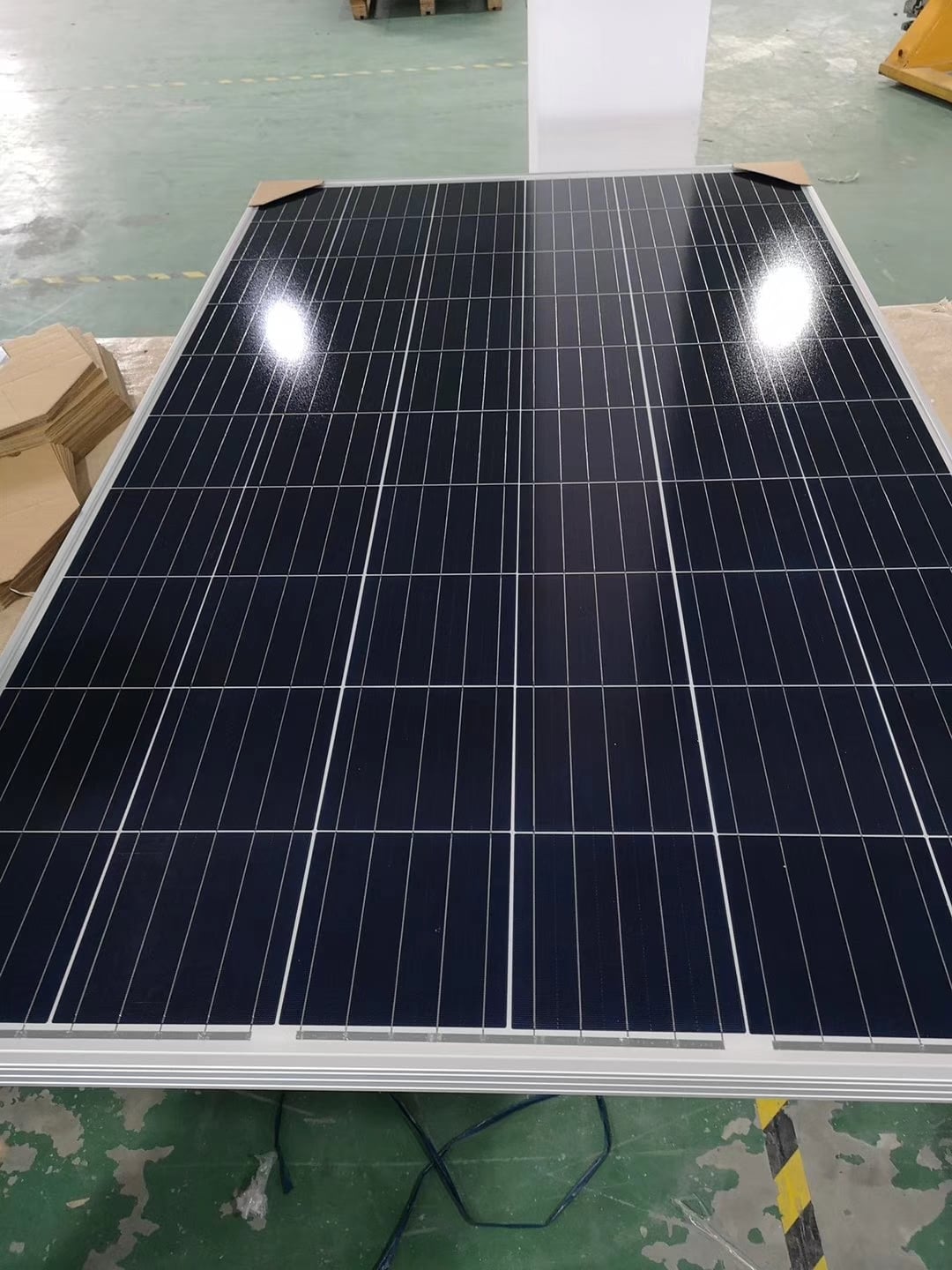
When evaluating bifacial solar panel suppliers, begin by verifying that each solar panel supplier holds internationally recognized certifications such as IEC 61215, IEC 61730, and ISO 9001. These certifications demonstrate that the solar panel manufacturer maintains rigorous quality control standards and adheres to global safety protocols. Request detailed performance documentation including power output ratings, temperature coefficients, and degradation rates for their solar panel products. The bifacial solar panel technology requires suppliers with proven expertise in glass-glass manufacturing processes, so verify their production capacity and track record with similar projects.
Technical Specifications and Performance Standards
Understanding Bifacial Solar Panel Output Ratings
Bifacial solar panel efficiency depends on both front-side and rear-side energy generation, making it essential to understand how suppliers measure and report output. A reliable solar panel supplier will provide detailed specifications including nameplate capacity, bifaciality factor, and performance under various albedo conditions. Request independent laboratory test reports validating the solar panel manufacturer's claimed efficiency ratings. Compare the performance guarantees across multiple solar panel suppliers to identify which offers the most favorable power output potential for your specific installation environment. The rear-side solar panel gain can vary significantly based on mounting structure and ground reflectance, so ensure your supplier provides guidance on system design optimization.
Double Glass Construction and Durability Assessment
Double glass solar panel construction offers superior moisture resistance and extended lifespan compared to traditional materials, but quality varies significantly among suppliers. Evaluate each solar panel supplier's manufacturing tolerances, edge sealing processes, and encapsulant materials used in their solar panel products. Request failure rate data and warranty claim histories to understand how their solar panel products perform in real-world conditions. The durability of a bifacial solar panel directly correlates with the supplier's manufacturing precision, so request samples or conduct site visits to inspect production quality. Verify that the solar panel supplier uses high-quality glass with low iron content to maximize light transmission through their solar panel technology.
Supplier Reliability and Business Stability
Evaluating Financial Stability and Production Capacity
Before committing to a solar panel supplier, conduct thorough due diligence on their financial health and production infrastructure. Request audited financial statements, production capacity documentation, and supply chain resilience plans from each solar panel supplier candidate. A stable solar panel manufacturer ensures consistent product availability and timely delivery throughout your project timeline. Verify that the solar panel supplier maintains adequate inventory buffers and has diversified sourcing for critical components. Check industry databases and trade references to confirm the solar panel supplier's reputation for on-time delivery and customer service responsiveness.
Warranty Coverage and After-Sales Support
Comprehensive warranty terms from your solar panel supplier protect your long-term investment and provide recourse if defects emerge. Compare warranty durations, coverage scope, and claim procedures across multiple solar panel suppliers in your bidding process. A reputable solar panel supplier should offer at least 10-12 year product warranties and 25 year linear performance guarantees. Verify that the solar panel supplier has established repair and replacement facilities in your region to minimize downtime. Request references from existing customers of the solar panel manufacturer to assess their actual warranty claim experience and support responsiveness.
Pricing Strategy and Competitive Bidding Process
Requesting Detailed Solar Panel Bid Quotations
When requesting bids from solar panel suppliers, provide detailed specifications including total quantity, delivery timeline, packaging requirements, and any volume discounts. A professional solar panel supplier will provide itemized quotations breaking down unit costs, bulk discounts, freight charges, and payment terms. Request that each solar panel supplier clearly specify the model designation, power rating, certifications, and warranty terms included in their bid. Obtain bids from at least three qualified solar panel suppliers to establish competitive market pricing and identify the best value proposition. Ensure all solar panel supplier bids are comparable by standardizing the specifications and delivery requirements across all quotations.
Evaluating Cost Versus Long-Term Value
The lowest-cost solar panel supplier is not necessarily the best choice when lifecycle costs are considered. Calculate the levelized cost of electricity produced by each solar panel supplier's products over the system lifetime using reliable performance data. Factor in degradation rates, warranty limitations, maintenance requirements, and replacement costs into your total cost analysis. A solar panel supplier offering slightly higher initial pricing but superior performance and durability may deliver significantly better returns over 25-30 years. Request financial modeling assistance from your solar panel supplier to demonstrate how their products compare to competing options on a lifecycle basis.
Technical Documentation and Certification Verification
Requesting Comprehensive Technical Documentation
Each solar panel supplier should provide detailed datasheets, installation manuals, and system integration guidelines for their solar panel products. Verify that the solar panel supplier includes electrical specifications, mechanical loading ratings, and thermal performance data necessary for system design. Request safety certifications covering electrical safety, fire safety, and environmental compliance for the bifacial solar panel design. A professional solar panel supplier will have readily available technical documentation in multiple languages and formats suitable for engineering review. Ensure the solar panel manufacturer provides CAD drawings and interconnection diagrams to support your system design and installation planning.
Independent Testing and Certification Review
Request independent laboratory test reports from recognized testing organizations for each solar panel supplier candidate. Verify that bifacial solar panel products have been tested under realistic albedo conditions to validate rear-side energy generation claims. Review the solar panel supplier's certifications for compliance with regional electrical codes and grid connection standards. Contact certification bodies directly to confirm that the solar panel supplier maintains current certification status without restrictions or conditions. Cross-reference the solar panel manufacturer's performance claims with independent test data to identify any discrepancies that might affect your project performance expectations.
FAQ
What certifications should I verify for a reliable solar panel supplier?
A credible solar panel supplier should hold IEC 61215 for electrical safety, IEC 61730 for safety, and ISO 9001 for quality management. These certifications demonstrate that the solar panel manufacturer operates under rigorous international standards and maintains consistent production quality. Request current certification documentation and verify the certifications directly with the issuing bodies to ensure the solar panel supplier remains compliant.
How can I assess the performance of bifacial solar panel technology from different suppliers?
Compare independent laboratory test results showing power output, efficiency ratings, and bifaciality factors for each solar panel supplier's products. Request performance data under various albedo conditions and temperature ranges to understand how the bifacial solar panel will perform in your specific climate. Ask the solar panel supplier for references from similar installations to verify real-world performance claims and system reliability.
What should I consider when comparing pricing from multiple solar panel suppliers?
Evaluate solar panel supplier bids on a levelized cost of electricity basis rather than unit price alone. Calculate the total lifecycle cost including performance guarantees, warranty terms, degradation rates, and maintenance requirements for each solar panel supplier option. A solar panel supplier with higher initial costs may offer superior long-term value through better efficiency, durability, and warranty coverage over the system's 25-30 year lifespan.
