
 EN
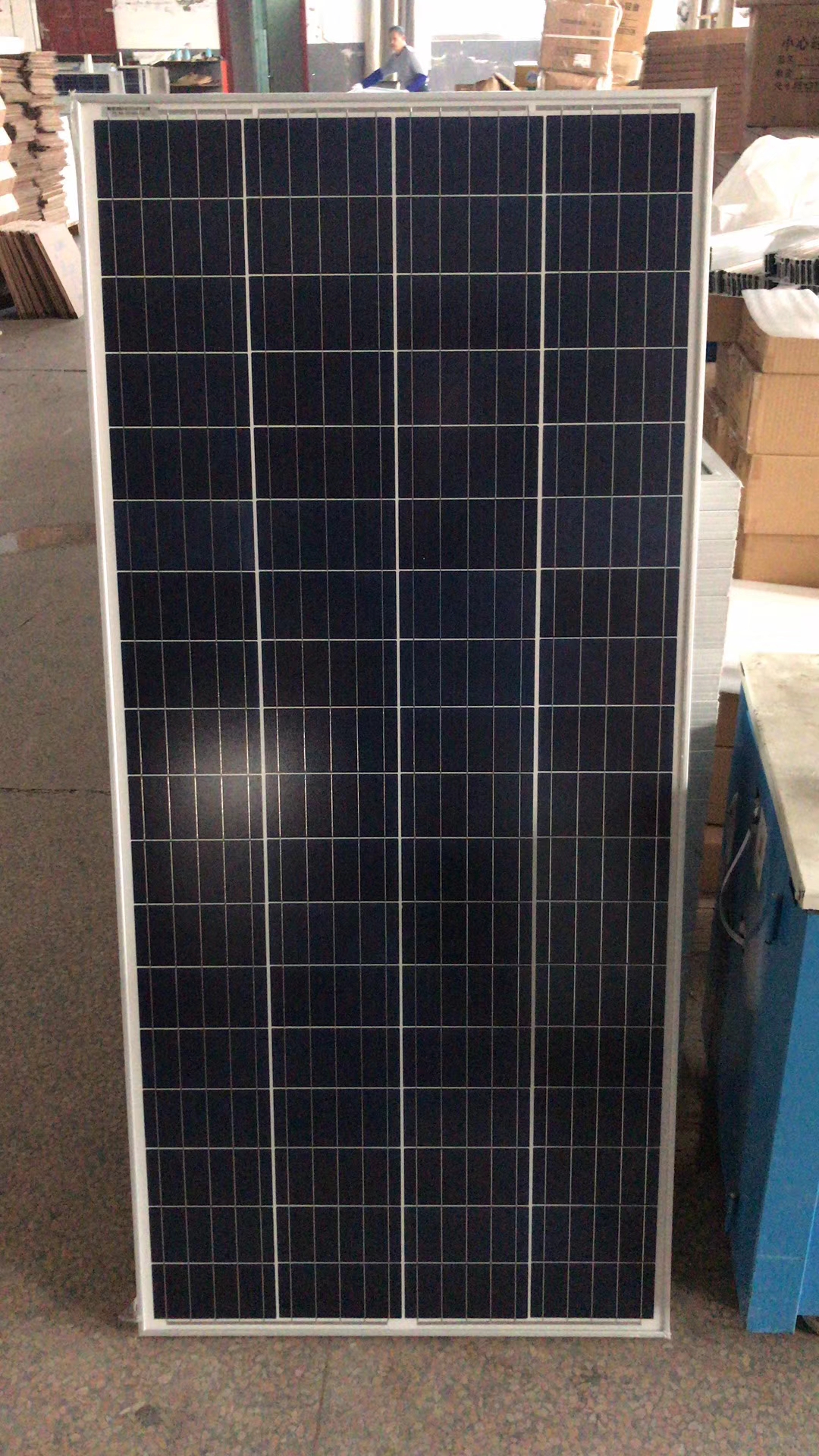
Bifacial double glass solar panels represent a significant advancement in photovoltaic technology, delivering superior durability and extended operational lifespan compared to conventional single-glass alternatives. These modern solar panel systems are engineered with reinforced glass layers on both front and back surfaces, creating a robust protective barrier that shields the internal components from environmental stress, moisture infiltration, and thermal cycling. For commercial and industrial installations seeking long-term energy production reliability, understanding the specific durability benefits of bifacial double glass solar panel configurations is essential for maximizing return on investment and minimizing maintenance costs over the system's 25 to 30-year operational horizon.
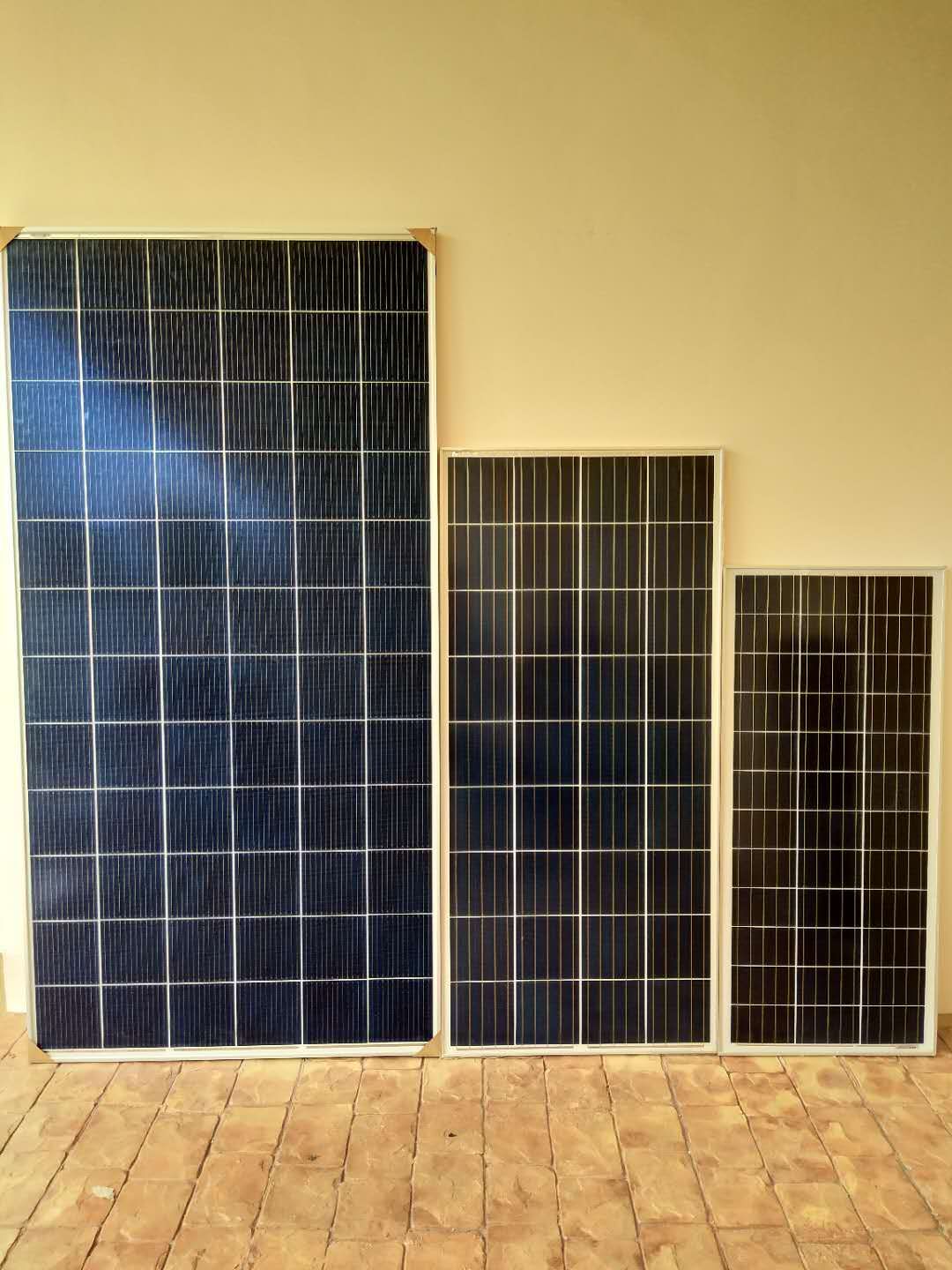
The bifacial double glass solar panel design fundamentally transforms how photovoltaic systems withstand harsh climatic conditions, environmental contaminants, and mechanical stress. By incorporating dual glass encapsulation, these solar panel units achieve a level of environmental protection that traditional polymeride-backed alternatives cannot match. This architectural improvement translates directly into extended panel durability, reduced degradation rates, and predictable energy output performance across decades of continuous operation in demanding industrial, utility-scale, and residential applications worldwide.
Environmental Protection and Weather Resistance
Glass Encapsulation and Moisture Barriers
The bifacial double glass solar panel structure creates an impermeable barrier against moisture ingress, which represents one of the primary degradation pathways in conventional solar panel designs. Traditional single-glass solar panel systems utilize a polymer backsheet that gradually absorbs atmospheric moisture, leading to delamination, corrosion of electrical interconnects, and accelerated cell degradation. In contrast, bifacial double glass solar panel configurations employ borosilicate glass on both surfaces, which provides zero moisture permeability and eliminates the absorption mechanisms that compromise long-term performance. This moisture-resistant architecture ensures that bifacial double glass solar panel installations maintain structural integrity and electrical performance even in high-humidity coastal environments, tropical climates, and regions prone to heavy precipitation.
Thermal Cycling and Stress Relief
Thermal cycling—the repeated expansion and contraction caused by temperature fluctuations between day and night, and across seasons—represents a critical durability challenge for solar panel systems. The bifacial double glass solar panel design distributes thermal stress more evenly across the glass-glass interface, compared to conventional solar panel systems where stress concentrates at the polymer-silicon boundary. This enhanced stress distribution in bifacial double glass solar panel technology reduces micro-fracture initiation, minimizes solder joint fatigue, and extends the operational lifespan of internal electrical components. Studies demonstrate that bifacial double glass solar panel systems experience significantly lower degradation rates during accelerated thermal cycling tests, validating their superior resilience in temperature-variable climates where conventional solar panel alternatives show accelerated performance loss.
Mechanical Strength and Impact Resistance
Load-Bearing Capacity and Structural Rigidity
Bifacial double glass solar panel technology delivers exceptional mechanical robustness through dual-layer glass construction, which provides superior resistance to mechanical stresses including wind loading, snow accumulation, and installation-related handling impacts. The bifacial double glass solar panel configuration creates a rigid box-like structure that distributes mechanical loads across both surfaces, compared to conventional solar panel designs where loads concentrate on a single front glass layer backed by a flexible polymer material. This structural advantage means bifacial double glass solar panel systems can withstand higher wind pressures, support heavier snow loads in alpine installations, and tolerate rough handling during transportation and installation without sustaining internal damage. For utility-scale solar panel farms, rooftop installations in storm-prone regions, and industrial applications where environmental stresses are severe, the mechanical durability of bifacial double glass solar panel systems provides tangible operational advantages and reduced warranty claim rates.
Hail Impact and Extreme Weather Performance
One of the most compelling durability advantages of bifacial double glass solar panel technology is its proven resistance to hail impact, a common cause of catastrophic failure in conventional solar panel systems. The bifacial double glass solar panel structure features tempered borosilicate glass with optimized thickness and annealing processes specifically designed to absorb and distribute impact energy without sustaining penetrating fractures. Testing protocols confirm that bifacial double glass solar panel installations demonstrate survival rates exceeding 99 percent under standard hail impact testing, whereas traditional single-glass solar panel systems frequently exhibit penetration failures and cell damage. This hail resilience translates into reduced insurance claims, lower long-term maintenance costs, and consistent energy generation performance in geographies where hailstorms are recurrent seasonal events.
Long-Term Performance Stability and Degradation Resistance
Reduced Annual Degradation and Efficiency Preservation
The enhanced material science embedded in bifacial double glass solar panel design directly correlates with reduced annual degradation rates, a critical performance metric that determines total energy production over the system's operational lifetime. Conventional solar panel systems experience annual degradation rates between 0.8 and 1.2 percent, driven by moisture ingress, encapsulant yellowing, and interconnect corrosion. Bifacial double glass solar panel systems consistently demonstrate degradation rates below 0.5 percent annually, primarily because the glass-glass encapsulation prevents moisture-driven degradation mechanisms entirely. Over a 25-year operational period, this performance advantage accumulates substantially: a bifacial double glass solar panel system retains approximately 88 to 90 percent of original rated capacity at end-of-life, compared to 75 to 80 percent for conventional alternatives. This differential translates into approximately 10 to 15 additional percentage points of lifetime energy production for bifacial double glass solar panel installations, representing significant financial value for utility operators, commercial property owners, and industrial facilities.
Bifacial Gain and Durability Synergy
Beyond traditional front-surface energy capture, bifacial double glass solar panel technology incorporates back-surface light absorption, which increases overall energy generation by 8 to 25 percent depending on mounting configuration and ground reflectivity. The bifacial double glass solar panel architecture not only enables this bifacial gain advantage but also ensures that the rear glass surface maintains optical clarity and electrical performance over decades despite exposure to ground contaminants, dust accumulation, and environmental weathering. The rear glass layer in bifacial double glass solar panel systems resists yellowing, maintains antireflective properties, and prevents moisture from compromising rear-side electrical contacts, ensuring that bifacial gain benefits persist throughout the system's operational life. This durable bifacial functionality makes bifacial double glass solar panel installations particularly economical for ground-mounted utility-scale farms, elevated roof systems, and industrial installations where the secondary energy contribution justifies higher initial capital investment through extended performance stability.
Chemical Resistance and Environmental Contaminant Management
Protection Against Corrosion and Chemical Attack
Industrial environments, coastal regions, and agricultural zones expose solar panel systems to aggressive chemical atmospheres including salt spray, fertilizer particulates, and acidic precipitation. The bifacial double glass solar panel design provides superior chemical resistance because borosilicate glass inherently resists acid attack, salt corrosion, and alkaline degradation pathways that compromise polymer-backed conventional solar panel alternatives. In coastal marine environments where salt spray accelerates corrosion of aluminum frames and electrical components, bifacial double glass solar panel installations suffer significantly fewer interconnect failures and frame degradation issues compared to standard solar panel systems. The bifacial double glass solar panel configuration extends equipment lifespan in chemically aggressive environments, justifying higher material costs through reduced replacement frequency and maintenance interventions.
Encapsulant Stability and Long-Term Reliability
The encapsulant material sandwiched between glass layers in bifacial double glass solar panel systems experiences minimal moisture exposure and thermal stress, enabling superior long-term chemical stability compared to conventional solar panel designs where the encapsulant absorbs moisture and undergoes accelerated degradation. Bifacial double glass solar panel encapsulants maintain optical transmission properties, electrical insulation characteristics, and mechanical integrity across the 25 to 30-year operational period, ensuring consistent performance throughout the system's productive lifetime. For industrial applications requiring predictable energy production and minimal maintenance intervention, the chemical durability embedded in bifacial double glass solar panel technology provides substantial operational advantages and cost savings.
FAQ
How do bifacial double glass solar panels compare to traditional single-glass alternatives in terms of durability?
Bifacial double glass solar panels offer substantially superior durability compared to traditional single-glass alternatives through moisture-resistant dual-glass construction, enhanced thermal stress distribution, and improved structural rigidity. While conventional solar panel systems experience annual degradation rates of 0.8 to 1.2 percent driven by moisture ingress and encapsulant breakdown, bifacial double glass solar panel systems consistently achieve degradation rates below 0.5 percent annually. This performance advantage results in approximately 10 to 15 percent additional lifetime energy production for bifacial double glass solar panel installations over 25-year operational periods, translating into significant financial benefits for commercial and industrial operators.
What specific environmental conditions highlight the durability advantages of bifacial double glass solar panels?
Bifacial double glass solar panels demonstrate exceptional durability in high-humidity coastal environments, temperature-variable climates with severe thermal cycling, regions prone to hailstorms, chemically aggressive industrial atmospheres, and salt-spray marine zones. The glass-glass encapsulation in bifacial double glass solar panel designs prevents moisture ingress that conventionally causes delamination and corrosion, while the dual-surface structure distributes mechanical stresses more effectively than single-glass alternatives. In hail-prone geographies, bifacial double glass solar panel systems achieve survival rates exceeding 99 percent under standard impact testing, compared to much lower success rates for traditional solar panel configurations.
Are bifacial double glass solar panels worth the higher initial investment from a durability perspective?
For most commercial, industrial, and utility-scale installations, bifacial double glass solar panels justify higher initial capital investment through extended operational lifespan, reduced degradation rates, minimized maintenance costs, and superior performance stability across 25 to 30-year operational horizons. The additional lifetime energy production from bifacial double glass solar panel systems, combined with lower warranty claim rates and reduced replacement frequency, typically delivers positive return on investment within 5 to 8 years of operation. Installations in environmentally challenging locations—coastal regions, industrial zones, or high-stress climate areas—achieve particularly compelling economic returns through the durability benefits of bifacial double glass solar panel technology.
Table of Contents
- Environmental Protection and Weather Resistance
- Mechanical Strength and Impact Resistance
- Long-Term Performance Stability and Degradation Resistance
- Chemical Resistance and Environmental Contaminant Management
-
FAQ
- How do bifacial double glass solar panels compare to traditional single-glass alternatives in terms of durability?
- What specific environmental conditions highlight the durability advantages of bifacial double glass solar panels?
- Are bifacial double glass solar panels worth the higher initial investment from a durability perspective?
