
 EN
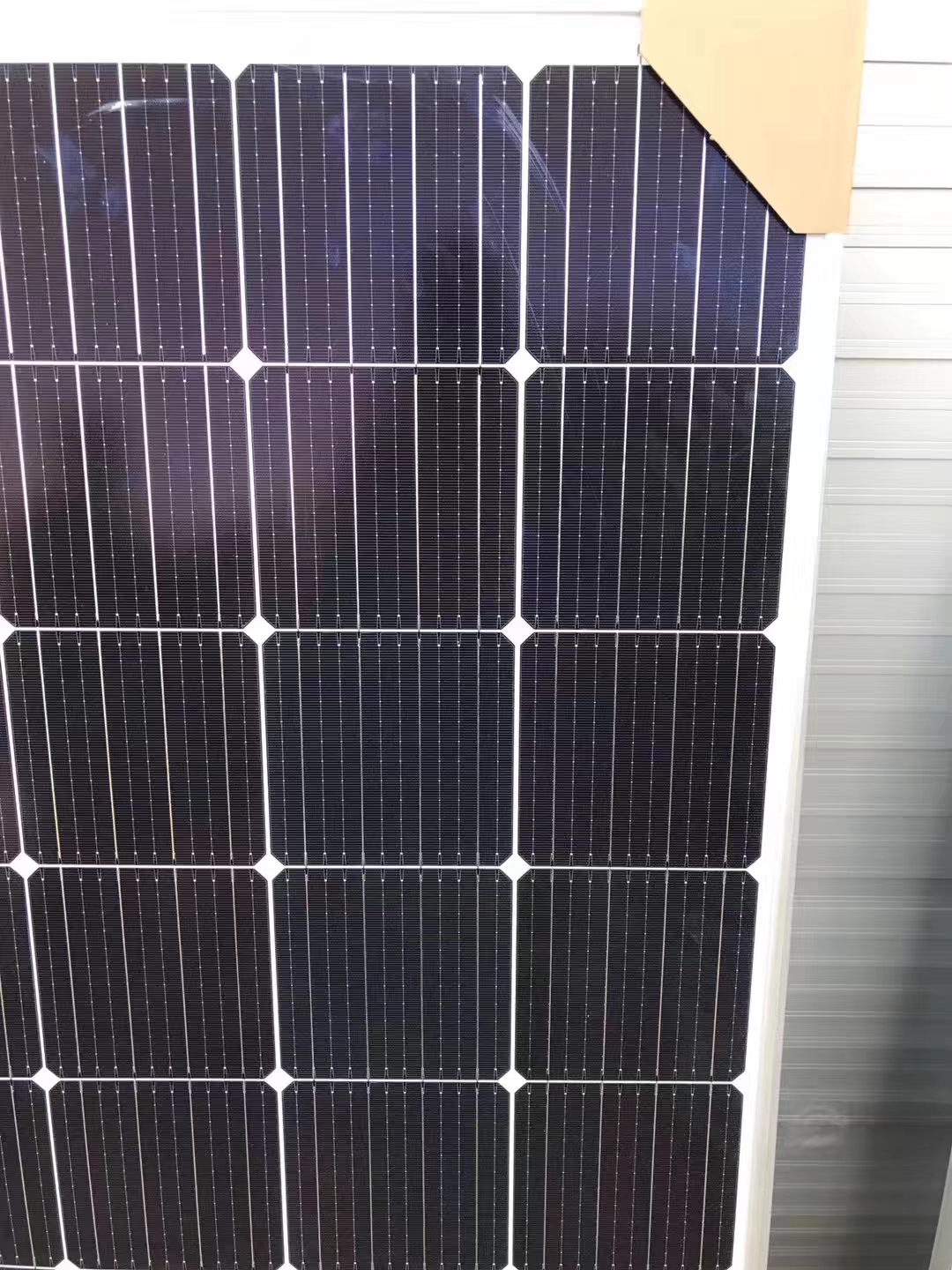
Modern energy production demands innovation at every level, and the evolution of the solar panel represents one of the most significant technological breakthroughs in renewable energy. Traditional monofacial designs capture sunlight from the front surface only, leaving substantial energy potential untapped. Bifacial double glass solar panel technology changes this equation by harnessing light from both sides of the module, leveraging the albedo effect to dramatically increase energy output. This dual-surface approach transforms how we think about solar panel efficiency and installation strategy in both utility-scale and commercial applications.
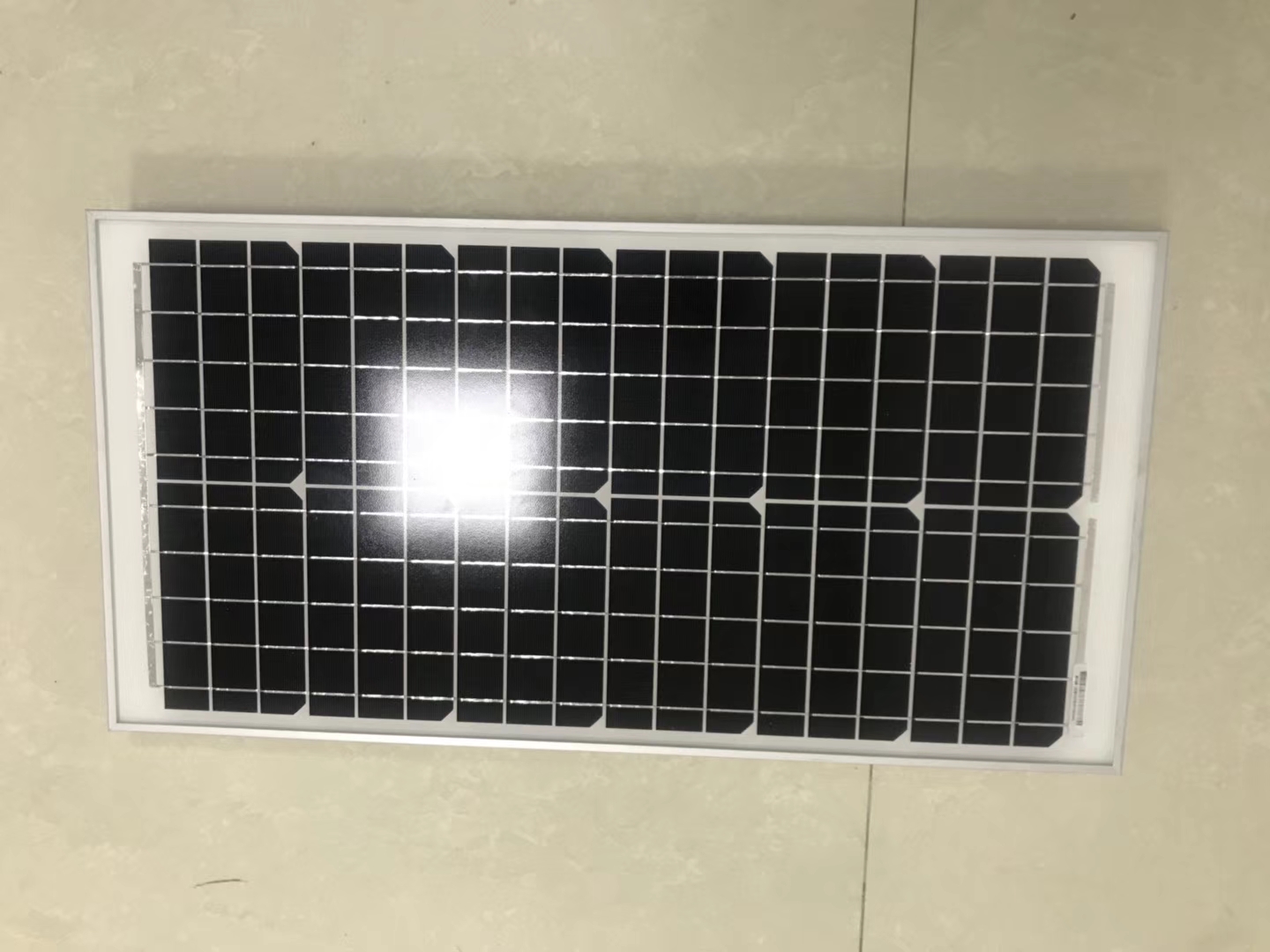
The fundamental principle behind bifacial double glass solar panel technology lies in understanding how reflected light can be converted into electrical energy. Albedo, the measure of reflectivity from surfaces like ground, snow, water, and surrounding structures, creates a secondary light source that traditional solar panel designs completely ignore. When a bifacial solar panel is positioned with adequate ground clearance or installed on reflective surfaces, the rear-facing cells capture this diffused and reflected radiation, creating a multiplicative effect on total energy generation. Double glass construction protects both the front and rear cell layers, ensuring durability and long-term performance in demanding environmental conditions.
Understanding Albedo and Bifacial Solar Panel Technology
The Albedo Effect in Solar Panel Performance
Albedo represents the fraction of incoming solar radiation reflected by a surface back into the atmosphere. Different materials exhibit varying albedo coefficients; for example, fresh snow reflects approximately 80 to 90 percent of incident light, while green grass reflects only 20 to 30 percent. When a bifacial solar panel is installed above reflective surfaces, it captures a portion of this reflected energy through rear-facing photovoltaic cells. The effectiveness of a solar panel in capturing albedo light depends on ground clearance height, surface reflectivity, panel tilt angle, and seasonal variations. Installing a bifacial solar panel on a white roof or light-colored mounting structure can increase energy yield by 10 to 25 percent compared to standard monofacial designs.
How Double Glass Construction Maximizes Light Capture
Double glass solar panel construction incorporates tempered glass on both the front and rear surfaces, encapsulating photovoltaic cells and protective materials between dual transparent layers. This design enables the rear-facing cells within a bifacial solar panel to receive and process reflected light efficiently while protecting internal components from moisture, dust, and mechanical damage. The rear glass layer is typically textured or treated to optimize light transmittance and reduce glare while preventing debris accumulation. A bifacial double glass solar panel maintains superior structural integrity in high-wind environments, coastal zones with salt spray exposure, and regions experiencing significant temperature fluctuations, making it ideal for long-term outdoor deployment.
Design Features That Enhance Albedo Light Capture
Optimal Panel Architecture for Rear-Side Performance
The physical design of a bifacial double glass solar panel directly influences its ability to harness reflected light from surrounding surfaces. Unlike traditional solar panel configurations that feature opaque backsheets, bifacial designs employ transparent or semi-transparent rear surfaces that permit light penetration to reach the rear cell layer. The spacing between the mounting frame and underlying surfaces determines ground clearance, which directly affects the volume of reflected light accessible to the rear-facing cells. Industry standards recommend minimum mounting heights of 1 to 2 meters for ground-mounted bifacial solar panel systems to maximize albedo light collection while maintaining structural stability and facilitating maintenance access.
Surface Reflectivity and Environmental Factors
The surrounding environment profoundly impacts how effectively a bifacial solar panel captures reflected light. White concrete surfaces, light-colored gravel, sand, and snow-covered ground all contribute to increased albedo values that boost solar panel performance. Water surfaces including reservoirs and ponds can reflect substantial light quantities, making them excellent installation sites for bifacial solar panel systems. Conversely, dark asphalt, dense vegetation, and dirt reduce reflected light availability and consequently diminish the performance advantage of bifacial technology. Smart facility planners strategically select installation locations and sometimes apply reflective coatings to ground-mounting areas specifically to enhance the bifacial solar panel albedo benefit, effectively creating an optimized light-capture ecosystem around each solar panel array.
Practical Performance Metrics and Installation Considerations
Energy Yield Improvements from Bifacial Design
Real-world deployments of bifacial double glass solar panel systems demonstrate quantifiable energy production increases compared to monofacial alternatives. The bifacial solar panel gain factor, typically ranging from 1.1 to 1.3, represents the ratio of total energy output to front-surface-only output under identical conditions. High-reflivity environments boost the performance of a bifacial solar panel significantly; installations over white gravel or light-colored concrete achieve gains at the upper end of this range. A bifacial solar panel installed in temperate regions with seasonal snow coverage experiences variable performance, with winter months delivering exceptional albedo benefits when snow reflects up to 80 percent of incident radiation. Financial modeling for bifacial solar panel projects must account for these environmental variables to accurately project return on investment and operational revenue streams.
Installation Best Practices for Maximum Albedo Benefit
Optimizing bifacial solar panel installations requires careful attention to mounting height, orientation, and surface preparation. Elevating the bifacial solar panel array above minimum clearance thresholds ensures adequate space for reflected light to reach rear-facing cells while facilitating air circulation for thermal management. Horizontal tracker systems can dynamically adjust bifacial solar panel tilt angles throughout the day, capturing an additional 5 to 10 percent of available albedo light compared to fixed-angle installations. Engineers must calculate the optimal tracking strategy for each specific site based on latitude, climate patterns, and surrounding surface reflectivity. Regular maintenance of bifacial solar panel rear surfaces prevents dust and organic growth from blocking light transmission, preserving the performance advantage that makes bifacial technology a compelling choice over conventional solar panel designs.
FAQ
Can a bifacial double glass solar panel work on any surface?
While a bifacial double glass solar panel can technically operate on any surface, performance varies dramatically based on reflectivity characteristics. Light-colored, highly reflective surfaces like white gravel, light concrete, and sand maximize the albedo benefit of a bifacial solar panel, delivering performance gains of 15 to 25 percent. Dark surfaces such as asphalt or soil provide minimal albedo advantage, reducing the bifacial solar panel benefit to just 5 to 10 percent. For optimal results, choose mounting locations with reflective surfaces or apply reflective coatings to ground areas beneath your solar panel installation.
How much does a bifacial double glass solar panel cost compared to standard panels?
A bifacial double glass solar panel typically carries a 10 to 20 percent price premium over conventional monofacial solar panel models due to enhanced engineering, dual-side cell architecture, and reinforced glass construction. However, this higher upfront investment is often recovered through increased energy production within 2 to 4 years, depending on environmental conditions and local electricity rates. The long-term value proposition of bifacial solar panel technology becomes particularly attractive in utility-scale projects where cumulative energy gains compound across thousands of units, making the per-unit premium negligible relative to lifetime revenue generation.
What maintenance is required for bifacial double glass solar panels?
Maintaining a bifacial double glass solar panel requires regular cleaning of both front and rear surfaces to prevent dust, pollen, and organic debris from blocking light transmission. Unlike monofacial solar panel systems, bifacial designs benefit from periodic inspection of rear-surface cleanliness since performance degradation can occur when accumulated material restricts reflected light access. Most bifacial solar panel installations benefit from semi-annual cleaning in dry climates and annual cleaning in regions with higher precipitation, combined with visual inspections to detect any frame, seal, or glass integrity issues that could compromise long-term durability.
