
 EN
EN
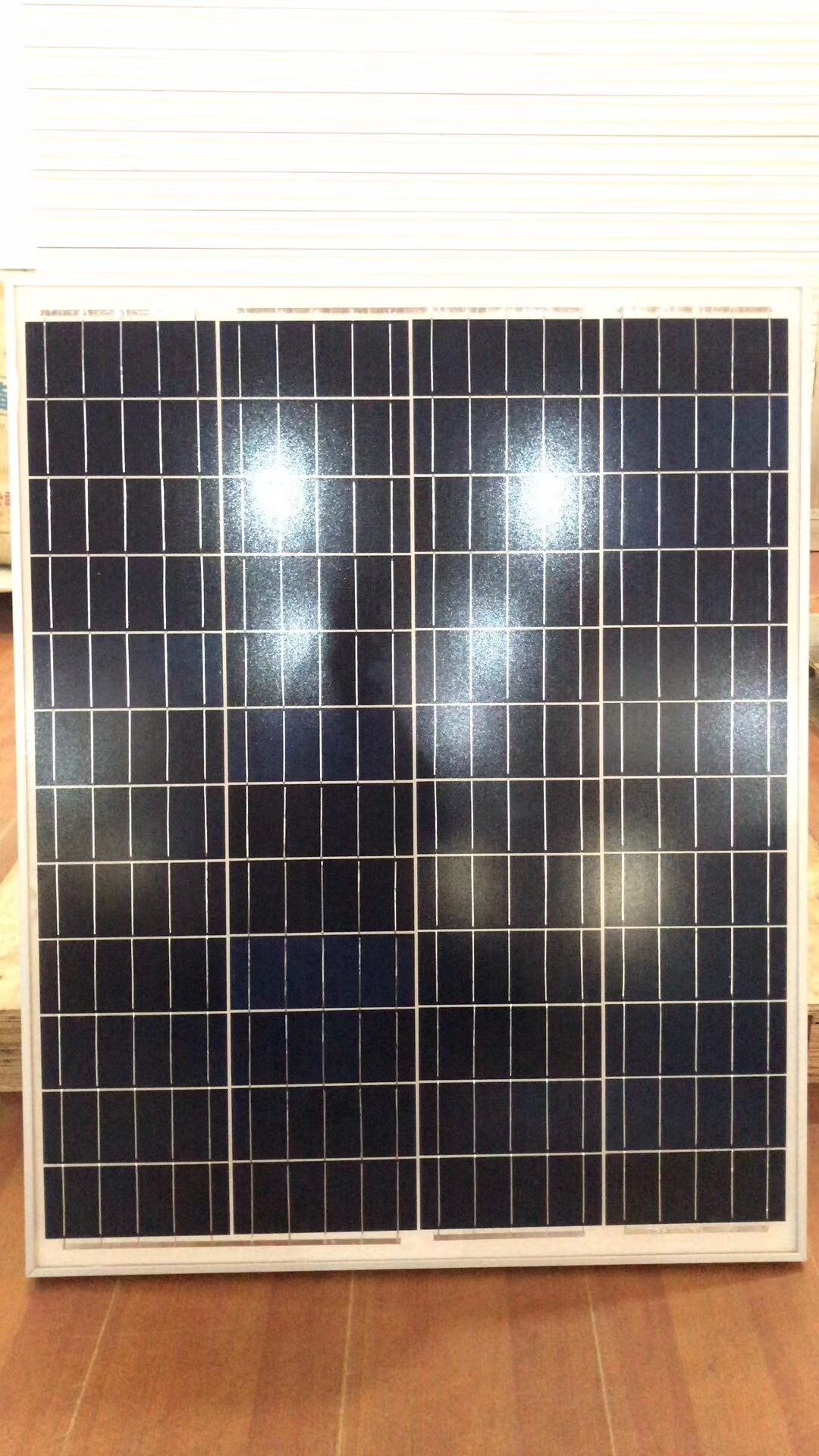
When organizations and businesses commit to purchasing solar panels in bulk, the investment scale demands rigorous quality verification protocols to ensure long-term performance, safety compliance, and return on investment. Unlike retail purchases where individual units undergo consumer-level scrutiny, bulk procurement requires systematic validation approaches that assess manufacturing consistency, certification authenticity, and technical specifications across entire production batches. This comprehensive verification process protects buyers from substandard products that could undermine project viability, create safety hazards, or necessitate costly replacements within warranty periods.
The quality assurance framework for bulk solar panel acquisitions extends beyond visual inspection to encompass certification validation, performance testing methodologies, manufacturer audit procedures, and contractual safeguards that establish accountability. Industrial buyers must implement multi-layered verification strategies that evaluate not only the physical product characteristics but also the supplier's quality management systems, production line consistency, and after-sales support infrastructure. Understanding how to systematically verify quality standards transforms bulk purchasing from a high-risk transaction into a controlled procurement process with measurable quality benchmarks and enforceable supplier commitments.
Understanding Certification Standards and Documentation Requirements
International Quality Certification Framework for Solar Panels
The foundation of quality verification begins with validating that solar panels possess legitimate certifications from recognized testing organizations rather than self-proclaimed quality claims. The International Electrotechnical Commission's IEC 61215 standard represents the baseline quality benchmark for crystalline silicon photovoltaic modules, establishing minimum performance requirements through accelerated environmental stress testing. Bulk purchasers must obtain original certification documents directly from certification bodies, not photocopies from suppliers, to confirm that the specific panel model and serial number ranges included in the purchase order have undergone compliant testing procedures.
Beyond IEC 61215, regional markets impose additional certification requirements that affect legal importation and installation approval. North American buyers should verify UL 1703 certification for product safety standards, while European markets require CE marking compliance demonstrating conformity with Low Voltage Directive and Electromagnetic Compatibility regulations. Asian-Pacific regions often mandate country-specific certifications such as Japan's JET certification or Australia's Clean Energy Council approval. During bulk purchases, verification extends to confirming that certification scope covers the exact wattage ratings, cell configurations, and frame specifications of the ordered solar panels rather than applying broad model-family certifications to variant products.
Manufacturing Quality Management System Validation
Supplier certification of quality management systems provides insight into manufacturing consistency and defect prevention protocols that directly impact bulk order uniformity. ISO 9001 certification indicates that manufacturers maintain documented quality control procedures, internal audit systems, and corrective action protocols for non-conforming products. For solar panels specifically, ISO 9001 certification combined with ISO 14001 environmental management demonstrates organizational commitment to process control and contamination prevention during cell encapsulation and module assembly stages.
Requesting detailed quality control records from recent production runs enables buyers to assess statistical process control implementation and defect rate trends. Manufacturing facilities producing high-quality solar panels typically maintain defect rates below 0.5% through inline inspection systems that detect cell cracks, encapsulation bubbles, and soldering defects before final assembly. Bulk purchasers should request process capability indices (Cpk values) for critical parameters such as power output tolerance, dimension accuracy, and electrical isolation resistance, with Cpk values above 1.33 indicating stable production processes capable of consistently meeting specifications.
Traceability Documentation and Component Sourcing Transparency
Comprehensive traceability documentation establishes the manufacturing pedigree of solar panels and enables rapid issue resolution if performance anomalies emerge post-installation. Each panel should possess unique serial numbers linked to manufacturing date codes, production line identifiers, and batch-specific quality test results stored in accessible database systems. This traceability extends to component-level sourcing, particularly for critical elements such as photovoltaic cells, junction boxes, and bypass diodes that significantly influence reliability and safety performance.
Requesting bill-of-materials documentation with supplier declarations for key components allows buyers to verify that solar panels utilize components from reputable manufacturers rather than cost-optimized alternatives of uncertain provenance. High-performance solar panels typically incorporate Tier 1 cells from established manufacturers with proven field reliability, junction boxes with IP67 rating from certified suppliers, and UV-resistant encapsulants meeting IEC 61730 material requirements. During bulk procurement, establishing component traceability requirements in purchase contracts creates enforceable quality standards and facilitates warranty claims if specific component batches demonstrate elevated failure rates.
Implementing Physical Inspection and Performance Testing Protocols
Pre-Shipment Inspection Methodologies for Bulk Orders
Statistical sampling inspection conducted by independent third-party organizations prior to shipment provides objective quality assessment without relying on supplier self-reporting. The ANSI/ASQ Z1.4 sampling standard establishes acceptance quality limits and sample sizes based on lot quantities, with inspection level II and AQL 1.0 representing standard practice for solar panels where critical defects cannot be tolerated. For a bulk order of 1,000 panels, this methodology requires inspection of approximately 80 units randomly selected across production batches to statistically validate quality consistency.
Pre-shipment inspection protocols should encompass visual examination for manufacturing defects including cell discoloration, encapsulation delamination, frame deformation, and junction box attachment integrity. Dimensional verification confirms that panel length, width, and thickness fall within specified tolerances, ensuring compatibility with racking systems and installation workflows. Electrical testing using calibrated flash testers validates that power output, voltage, and current parameters match datasheet specifications under standard test conditions of 1000 W/m² irradiance at 25°C cell temperature. Rejecting entire shipments based on statistical sampling results when defect rates exceed acceptable quality limits protects buyers from accepting substandard solar panels mixed within bulk orders.
Advanced Performance Testing Requirements
Beyond basic electrical parameter verification, advanced testing methodologies assess solar panels' susceptibility to premature degradation mechanisms that manifest during field operation. Electroluminescence imaging reveals microcracks, cell interconnection defects, and shunt resistances invisible to visual inspection but predictive of accelerated performance decline. Bulk purchasers should require electroluminescence testing on representative samples to identify manufacturing process issues such as excessive mechanical stress during lamination or cell handling damage that compromises long-term reliability.
Insulation resistance testing and wet leakage current measurement verify electrical safety compliance and detect encapsulation integrity issues that could create shock hazards or ground fault interruptions. High-quality solar panels maintain insulation resistance exceeding 100 megohms after humidity conditioning, while leakage current under wet conditions should remain below 3.5 mA per square meter of panel area. Temperature coefficient testing quantifies performance degradation as operating temperatures exceed standard test conditions, with premium solar panels exhibiting power temperature coefficients between -0.35% and -0.40% per degree Celsius, enabling accurate energy yield modeling for specific installation climates.
Accelerated Stress Testing for Long-Term Reliability Prediction
While full IEC 61215 qualification testing requires several months and specialized laboratory equipment, bulk purchasers can request abbreviated accelerated stress testing on order samples to identify potential reliability weaknesses. Thermal cycling between -40°C and 85°C for 50 cycles reveals solder joint integrity and laminate adhesion quality, with power degradation limited to 5% indicating robust construction. Damp heat exposure at 85°C and 85% relative humidity for 500 hours accelerates moisture ingress mechanisms, testing encapsulant barrier properties and corrosion resistance of cell metallization.
Mechanical load testing applies uniform pressure simulating wind and snow loads to verify structural integrity and minimize risk of cell cracking during installation or environmental stress. Quality solar panels withstand 5,400 Pascal pressure loads without exceeding 5% power degradation, demonstrating frame strength and laminate flexibility adequate for field conditions. Requesting test reports from samples within the specific production batch allocated to bulk orders provides direct quality evidence rather than relying on type-approval testing conducted years earlier on prototype versions that may differ from current production specifications.
Establishing Supplier Quality Assurance Agreements
Contractual Quality Specifications and Acceptance Criteria
Translating quality expectations into enforceable contractual terms establishes clear acceptance criteria and remediation obligations if delivered solar panels fail verification testing. Purchase agreements should specify minimum acceptable power output with defined measurement conditions and tolerance bands, typically requiring that at least 95% of panels meet or exceed nameplate wattage rating with individual panel variation not exceeding ±3%. Visual quality standards must define acceptable limits for cosmetic defects such as cell color uniformity, encapsulant clarity, and junction box alignment to prevent disputes over subjective quality interpretations.
Performance warranty terms deserve particular attention during bulk procurement, with industry-standard warranties guaranteeing 90% of nameplate power after 10 years and 80% after 25 years. However, warranty enforceability depends on clearly defined performance measurement procedures, degradation calculation methodologies, and replacement obligations if performance falls below guaranteed thresholds. Buyers should negotiate warranty terms that specify manufacturer obligations for testing equipment calibration, transportation costs for replacement panels, and labor reimbursement for module replacement rather than limiting coverage to equipment-only replacement that leaves installation costs uncompensated.
Factory Audit and Production Line Assessment
Conducting on-site factory audits before finalizing bulk purchase commitments allows buyers to directly observe manufacturing processes, quality control implementation, and production capacity alignment with delivery schedules. Effective factory audits extend beyond guided facility tours to include examination of quality control documentation, calibration records for test equipment, and interviews with production personnel regarding standard operating procedures. Observing inline inspection stations, automated optical defect detection systems, and final electrical testing equipment provides evidence of systematic quality verification rather than end-of-line sampling approaches that allow defective units to proceed through production undetected.
Production capacity assessment during factory visits helps identify whether suppliers can fulfill bulk orders without compromising quality through rushed production or outsourcing to unverified subcontractors. Manufacturers producing 500 MW annually operate multiple parallel production lines with established material procurement relationships and workforce training programs supporting consistent output. Buyers should verify that production capacity significantly exceeds the bulk order quantity, ensuring that order fulfillment does not strain resources or incentivize quality shortcuts. Requesting production schedules and material procurement timelines enables realistic delivery expectations aligned with quality maintenance rather than compressed timelines that compromise thorough testing procedures.
Quality Monitoring Throughout Production and Delivery
Implementing staged inspection protocols throughout the production cycle rather than single final inspections creates multiple quality verification checkpoints that prevent defective panels from accumulating undetected. Initial material inspection verifies that incoming cells, glass, encapsulant, and frame materials meet specifications before entering production workflows. In-process inspection during lamination and framing stages identifies manufacturing defects while corrective actions remain feasible, preventing entire production runs from proceeding with systematic quality issues.
For large bulk orders spanning multiple production batches, establishing resident quality inspectors at manufacturing facilities provides continuous oversight and real-time feedback on quality trends. These inspectors implement witnessed testing procedures, monitor production parameter consistency, and maintain independent quality records parallel to manufacturer documentation. Final pre-shipment inspection conducted after packaging verifies that handling and storage have not introduced transport damage, and that panel labeling, documentation, and accessories match purchase order specifications. This multi-stage verification approach distributed throughout production cycles proves more effective than concentrated final inspection in maintaining solar panels quality across bulk order quantities.
Verifying Post-Delivery Quality and Installation Readiness
Receiving Inspection and Documentation Verification
Upon delivery of bulk solar panel orders, systematic receiving inspection protocols verify that shipped products match purchase specifications and have not suffered transport damage compromising quality or safety. Initial inspection focuses on packaging integrity, checking for crushed corners, moisture intrusion, or pallet shifting that indicates rough handling during transportation. Opening representative cartons across the shipment allows examination of panel physical condition, confirming absence of frame bending, glass cracking, or junction box damage before accepting the full delivery.
Documentation verification during receiving inspection ensures that accompanying paperwork includes all required certifications, test reports, and warranty documents specified in purchase agreements. Each pallet or shipment lot should include packing lists with serial number ranges, enabling traceability between physical panels and quality documentation. Flash test reports providing individual panel electrical parameters allow buyers to verify power output distribution across the shipment, identifying whether the supplier has selectively allocated higher-performing units to sample testing while shipping lower-performing panels in bulk quantities.
Sample Testing of Delivered Panels
Conducting independent electrical testing on statistically representative samples from delivered shipments provides final quality validation before installation deployment commits panels to long-term field service. Using calibrated IV curve tracers under natural sunlight or solar simulators, buyers can verify that actual power output matches both manufacturer datasheets and pre-shipment test results, detecting potential panel substitution or specification misrepresentation. Testing protocols should measure open-circuit voltage, short-circuit current, maximum power point voltage and current, and fill factor, comparing results against expected values within measurement uncertainty ranges.
Visual inspection under controlled lighting conditions reveals manufacturing defects potentially obscured during field pre-shipment inspections conducted under less optimal conditions. Backlit examination highlights encapsulation uniformity, cell alignment precision, and absence of contaminants embedded during lamination processes. Infrared thermography during electrical testing identifies hotspots indicating cell defects, bypass diode failures, or junction box connection issues that could accelerate degradation or create fire hazards during system operation. Establishing acceptance testing protocols that reject entire shipment lots if sample failure rates exceed predetermined thresholds protects installation projects from incorporating defective solar panels discovered only after deployment.
Installation Quality Control Integration
Quality verification extends into installation phases where handling practices, electrical connection procedures, and mounting techniques significantly influence solar panels' long-term performance and safety compliance. Establishing installation guidelines that specify maximum mechanical stress during handling, proper torque specifications for frame mounting, and correct electrical termination procedures prevents installation-induced damage that could void manufacturer warranties or create premature failure modes. Installation contractors should receive training on manufacturer-specific handling requirements and quality preservation practices tailored to bulk deployment scenarios where efficiency pressures might otherwise compromise careful handling protocols.
Post-installation commissioning testing validates that installed solar panels achieve expected system performance and electrical parameters align with design specifications. String voltage measurements verify correct series connection and absence of reverse-polarity errors, while string current measurements under consistent irradiance conditions identify underperforming panels requiring investigation or replacement. Infrared scanning of installed arrays shortly after commissioning reveals temperature anomalies indicating defective panels, connection resistance issues, or bypass diode failures requiring immediate remediation before warranty periods expire. This comprehensive quality verification approach extending from pre-purchase evaluation through post-installation validation ensures that bulk solar panel acquisitions deliver anticipated performance, reliability, and investment returns throughout their operational lifetime.
FAQ
What minimum certifications should solar panels possess before considering bulk purchase?
Solar panels intended for bulk purchase must possess IEC 61215 certification as the fundamental quality baseline, demonstrating compliance with international performance and reliability standards through accelerated environmental testing. Additionally, region-specific certifications such as UL 1703 for North America, CE marking for European markets, or equivalent local approvals for target installation jurisdictions are mandatory for legal compliance and warranty validity. Manufacturer ISO 9001 certification provides supplementary assurance of systematic quality management implementation, while component-level certifications for junction boxes and connectors indicate attention to safety and reliability throughout the supply chain.
How many sample panels should be tested during pre-shipment inspection for bulk orders?
Statistical sampling following ANSI/ASQ Z1.4 standards at inspection level II with AQL 1.0 typically requires examining 80 panels for orders of 1,000 units, 125 panels for 3,000-unit orders, and 200 panels for orders exceeding 10,000 units. These sample sizes provide 95% confidence that the entire lot meets quality standards when sampled panels pass inspection criteria. For critical applications or first-time suppliers, buyers may increase sampling intensity to inspection level III or tighten acceptance criteria to AQL 0.65, correspondingly increasing sample sizes but providing higher statistical confidence in bulk order quality consistency.
Can buyers conduct factory audits remotely if travel to manufacturing facilities is not feasible?
Remote factory audits utilizing video conferencing technology combined with third-party inspection services can provide meaningful quality assessment when direct site visits prove impractical, though they offer reduced verification depth compared to in-person audits. Remote audits should follow structured protocols requiring live video walkthroughs of production lines, quality control stations, and testing equipment with sufficient camera resolution to observe process details and equipment calibration status. Independent third-party inspection agencies can conduct on-site assessments following buyer-specified audit checklists, providing photographic documentation, interviewing production personnel, and examining quality records on behalf of bulk purchasers unable to travel personally.
What contractual provisions protect buyers if delivered solar panels fail quality verification testing?
Effective purchase contracts should include specific remediation clauses triggered when statistical sampling reveals defect rates exceeding agreed acceptance quality limits, typically specifying full shipment rejection rights, replacement obligations at supplier expense, and compensation for project delays caused by quality failures. Contracts should establish independent third-party testing as the authoritative quality determination mechanism, preventing disputes over testing methodology or equipment calibration differences. Financial protections such as letter of credit arrangements, performance bonds, or escrow accounts holding percentage of purchase value until quality acceptance provides leverage ensuring supplier cooperation in resolving quality discrepancies and fulfilling replacement obligations without protracted legal proceedings that delay project timelines.
Table of Contents
- Understanding Certification Standards and Documentation Requirements
- Implementing Physical Inspection and Performance Testing Protocols
- Establishing Supplier Quality Assurance Agreements
- Verifying Post-Delivery Quality and Installation Readiness
-
FAQ
- What minimum certifications should solar panels possess before considering bulk purchase?
- How many sample panels should be tested during pre-shipment inspection for bulk orders?
- Can buyers conduct factory audits remotely if travel to manufacturing facilities is not feasible?
- What contractual provisions protect buyers if delivered solar panels fail quality verification testing?
