
 EN
EN
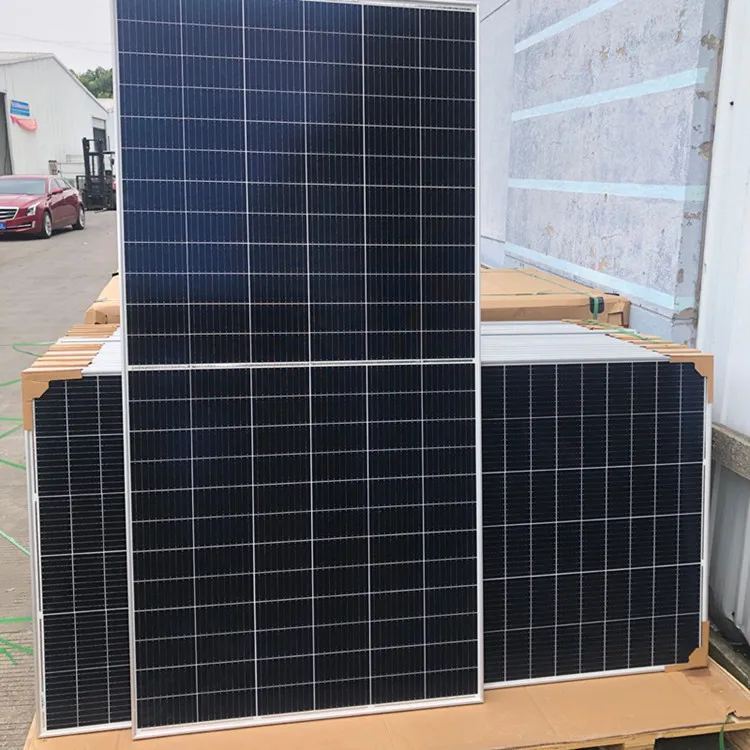
Original equipment manufacturers and original design manufacturers operating in the solar energy sector face unique challenges that standard off-the-shelf photovoltaic modules cannot adequately address. Custom solar panels represent a strategic solution for OEM/ODM solar projects, offering tailored specifications that align precisely with project requirements, brand positioning, and technical constraints. Understanding the comprehensive benefits of custom solar panels enables manufacturers and project developers to make informed decisions that optimize performance, reduce long-term costs, and strengthen market differentiation in an increasingly competitive renewable energy landscape.
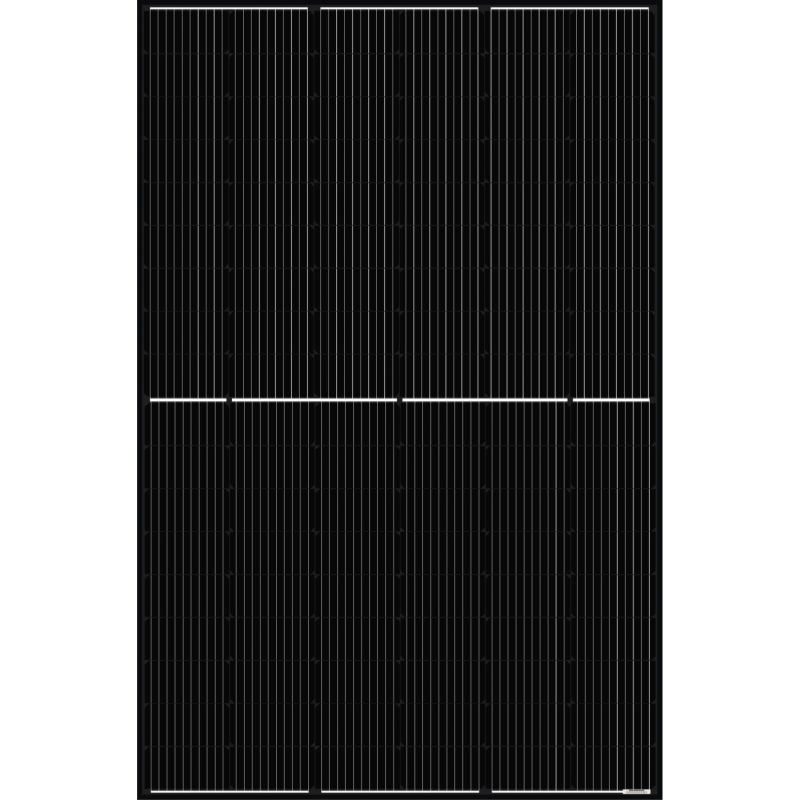
The adoption of custom solar panels within OEM and ODM frameworks delivers tangible advantages across multiple dimensions of solar project development and execution. These benefits extend beyond simple product customization to encompass manufacturing efficiency, supply chain integration, quality control, brand identity reinforcement, and technical performance optimization. For organizations developing solar-powered products, integrated energy systems, or specialized photovoltaic applications, the strategic value of custom solar panels becomes evident through improved project outcomes, enhanced customer satisfaction, and stronger competitive positioning in target markets where differentiation matters significantly.
Technical Specification Optimization Through Custom Solar Panels
Precise Power Output Matching for System Integration
One of the most significant benefits of custom solar panels for OEM/ODM projects lies in the ability to specify exact power output characteristics that match system requirements perfectly. Standard solar modules come in predetermined wattage ranges that may not align optimally with battery capacities, inverter ratings, or load profiles in specialized applications. Custom solar panels allow manufacturers to request specific voltage and current combinations that eliminate the need for oversizing systems or implementing complex power management workarounds. This precision reduces component costs, improves energy conversion efficiency, and simplifies system architecture for applications ranging from off-grid telecommunications equipment to specialized agricultural installations.
The customization of electrical characteristics extends to temperature coefficient optimization, maximum power point voltage ranges, and current handling capabilities that directly impact real-world performance under diverse environmental conditions. For OEM projects targeting specific geographic regions or operational contexts, custom solar panels can be engineered with cell technologies and interconnection schemes that maintain stable output under high-temperature conditions, low-light scenarios, or partial shading situations. This level of technical specification control ensures that the photovoltaic component performs reliably within the broader system context, reducing warranty claims and enhancing end-user satisfaction across the product lifecycle.
Physical Dimension and Form Factor Flexibility
Standard solar module dimensions follow industry conventions that facilitate general installation practices but often create constraints for specialized OEM/ODM applications. Custom solar panels provide complete flexibility in physical sizing, allowing manufacturers to specify exact length, width, and thickness parameters that integrate seamlessly with product enclosures, mounting structures, or aesthetic designs. This dimensional precision becomes particularly valuable for applications such as solar-powered outdoor equipment, building-integrated photovoltaics, transportation solutions, and consumer electronics where space constraints and design integration requirements demand non-standard module geometries that off-the-shelf products cannot accommodate.
Beyond basic dimensional customization, custom solar panels enable the specification of unique cell arrangements, bypass diode configurations, and junction box placements that optimize performance for specific installation orientations or operational requirements. OEM projects frequently encounter situations where cable exit locations, mounting hole patterns, or frame profiles need modification to align with existing product architectures. The ability to customize these physical characteristics eliminates costly adaptation efforts, reduces assembly complexity, and improves the overall reliability of the integrated solar solution by ensuring that mechanical stresses, thermal expansion considerations, and environmental sealing requirements are addressed during the panel design phase rather than through post-production modifications.
Material Selection for Durability and Environmental Resistance
Different OEM/ODM solar projects operate under vastly different environmental conditions that demand specific material characteristics for optimal longevity and performance. Custom solar panels allow manufacturers to select glass types, encapsulant materials, backsheet compositions, and frame alloys that match the anticipated exposure conditions of the final application. Projects deployed in marine environments benefit from corrosion-resistant materials and enhanced moisture barriers, while high-altitude installations may require materials optimized for increased UV exposure and thermal cycling extremes. This material customization extends the operational lifetime of solar installations and reduces maintenance requirements in challenging deployment scenarios.
The selection of appropriate materials through custom solar panels also addresses safety certifications and regulatory compliance requirements that vary across markets and application types. Certain OEM projects require flame-retardant backsheets, impact-resistant glass, or specific frame grounding configurations to meet industry standards or insurance requirements. By specifying these material characteristics during the custom solar panel design process, manufacturers ensure compliance from the outset rather than discovering compatibility issues during certification testing. This proactive approach reduces time-to-market delays and eliminates the risk of costly redesigns that can occur when standard modules fail to meet specialized certification requirements for particular industries or geographic markets.
Brand Differentiation and Market Positioning Advantages
Visual Identity Integration Through Aesthetic Customization
Brand recognition and visual consistency represent critical competitive factors in consumer-facing and commercial solar applications. Custom solar panels enable OEM manufacturers to integrate brand colors, logos, and distinctive visual elements directly into the photovoltaic module design. This customization can include frame color matching, branded backsheet printing, or even specialized cell arrangements that create unique visual patterns while maintaining electrical performance standards. For companies building premium solar products or developing integrated renewable energy solutions, this visual differentiation strengthens brand identity and creates memorable product presentations that distinguish offerings from generic alternatives in crowded marketplaces.
The aesthetic customization capabilities of custom solar panels extend beyond simple branding to encompass architectural integration considerations that appeal to design-conscious customers. Building-integrated photovoltaic applications particularly benefit from the ability to specify custom colors, textures, and transparency levels that harmonize with building facades, roofing materials, or landscape design elements. OEM manufacturers serving the architectural solar market can offer custom solar panels that function as design elements rather than purely functional components, opening market segments where aesthetic considerations equal or exceed pure energy generation priorities. This capability creates pricing power and reduces direct price competition with commodity solar products.
Exclusive Feature Development for Competitive Advantage
Custom solar panels provide OEM/ODM manufacturers with the opportunity to develop proprietary features that create sustainable competitive advantages in target markets. These exclusive capabilities might include integrated monitoring sensors, specialized mounting systems, modular connectivity solutions, or enhanced safety features that address specific customer pain points inadequately served by standard products. By working with custom solar panel manufacturers to develop these unique characteristics, OEM companies can establish intellectual property positions, create switching costs for customers, and command premium pricing that reflects the added value of specialized functionality unavailable through commodity solar module suppliers.
The development of exclusive features through custom solar panels also enables OEM manufacturers to respond rapidly to emerging market trends and customer requirements without waiting for industry-wide standardization. When new applications emerge or regulatory requirements evolve, companies utilizing custom solar panels can quickly iterate designs to incorporate necessary adaptations while competitors using standard modules face longer adaptation cycles. This agility in product development translates to faster market entry, stronger customer relationships built on responsiveness, and the ability to capture early-mover advantages in growing application segments where technical requirements remain fluid and specialized solutions command significant value premiums over generic alternatives.
Quality Perception and Premium Positioning
The utilization of custom solar panels inherently communicates quality, attention to detail, and customer-centric design philosophy that elevates brand perception in professional and consumer markets. Products featuring obviously customized photovoltaic components signal that the manufacturer invested additional resources in optimization rather than simply assembling available commodity components. This perception supports premium pricing strategies and attracts quality-conscious customers who associate customization with superior performance, reliability, and post-purchase support. For OEM manufacturers targeting professional installation channels or discerning end-users, the quality signaling provided by custom solar panels represents a tangible competitive advantage that influences purchasing decisions beyond pure technical specifications.
The premium positioning enabled by custom solar panels extends to partnership opportunities with high-value distribution channels and system integrators who prefer working with manufacturers demonstrating technical sophistication and market differentiation. Distributors and installers operating in competitive markets seek products that simplify sales conversations through clear differentiation rather than requiring price-based competition on functionally identical offerings. Custom solar panels provide these channel partners with compelling talking points, visual differentiation, and performance characteristics that justify premium positioning. This channel preference translates to better shelf placement, more enthusiastic sales support, and stronger long-term business relationships that compound competitive advantages over time in markets where distribution strength significantly influences market share outcomes.
Manufacturing Efficiency and Supply Chain Benefits
Production Process Integration and Assembly Simplification
OEM manufacturers integrating solar components into larger product assemblies experience significant efficiency gains when utilizing custom solar panels designed specifically for their production processes. Standard modules often require additional processing steps such as frame removal, cable length adjustment, or mounting hardware modification to fit into assembly workflows. Custom solar panels eliminate these value-subtracting operations by arriving at the production facility in ready-to-install configurations that match existing handling equipment, fixture designs, and assembly sequences. This production alignment reduces labor costs, minimizes quality risks associated with field modifications, and accelerates manufacturing throughput for companies producing solar-integrated products at significant volumes.
The manufacturing efficiency benefits of custom solar panels extend to quality control simplification and reduced component inventory complexity. When solar modules arrive pre-configured to exact specifications with integrated features required for the final product, manufacturers eliminate inspection steps related to field modifications and reduce the variety of auxiliary components that must be sourced, stored, and managed separately. This inventory rationalization lowers working capital requirements, reduces warehouse space needs, and simplifies materials planning processes. For OEM operations managing multiple product lines or serving diverse market segments, the ability to specify different custom solar panel configurations for different applications while working with a single photovoltaic supplier creates operational efficiencies that commodity module sourcing strategies cannot replicate.
Supply Chain Reliability and Quality Consistency
Establishing dedicated custom solar panel production relationships creates supply chain stability that becomes increasingly valuable as production volumes scale and customer commitments grow. Unlike spot-market commodity module purchasing where specifications, quality levels, and supplier reliability can vary significantly between orders, custom solar panel partnerships typically involve longer-term agreements with defined quality standards, performance guarantees, and dedicated production capacity allocations. This supply chain predictability enables more accurate production planning, reduces inventory buffer requirements, and minimizes disruption risks associated with supplier changes or specification drift that can occur when sourcing standard modules from multiple vendors based primarily on price considerations.
The quality consistency advantages of custom solar panels become particularly evident in applications where performance uniformity across production batches directly impacts system reliability and customer satisfaction. Custom panel manufacturing relationships typically include detailed quality specifications, incoming inspection protocols, and traceability systems that ensure every module meets defined performance criteria before integration into OEM products. This quality assurance extends beyond basic electrical specifications to encompass mechanical characteristics, environmental resistance testing, and long-term reliability validations that provide confidence in product performance across expected operational lifetimes. For OEM manufacturers offering extended warranties or operating in reputation-sensitive markets, the quality consistency enabled by custom solar panel partnerships reduces warranty exposure and protects brand equity more effectively than commodity sourcing approaches.
Inventory Optimization and Just-in-Time Manufacturing Support
Custom solar panel partnerships often provide inventory management advantages that improve working capital efficiency and reduce warehousing costs for OEM manufacturers. Suppliers producing custom configurations typically establish dedicated production slots or buffer inventory specifically for partner customers, enabling more responsive delivery schedules aligned with production requirements. This supply chain responsiveness supports just-in-time manufacturing approaches that minimize on-site inventory levels while maintaining production continuity. The ability to order custom solar panels in quantities matching production runs rather than accommodating standard packaging quantities further optimizes inventory levels and reduces capital tied up in component stocks waiting for assembly.
The inventory optimization benefits of custom solar panels extend to reduced obsolescence risk for OEM manufacturers operating in dynamic markets where product specifications evolve frequently. When design changes require modified solar panel characteristics, custom manufacturing relationships enable rapid specification updates and smooth transitions between product generations without accumulating stranded inventory of obsolete standard modules. This flexibility becomes particularly valuable in technology-forward applications where continuous improvement cycles drive frequent refinement of system architectures and component specifications. The ability to adjust custom solar panel specifications in coordination with broader product evolution reduces the total cost of innovation and enables more responsive adaptation to market feedback compared to the inflexibility inherent in commodity module sourcing strategies.
Performance Optimization for Specialized Applications
Environmental Condition Adaptation for Targeted Deployments
Different geographic regions and application environments present distinct performance challenges that custom solar panels can address through targeted design optimization. Projects deployed in tropical climates benefit from panel designs emphasizing heat dissipation, moisture resistance, and stable high-temperature performance characteristics, while installations in northern latitudes require optimization for low-light conditions and snow load resistance. Custom solar panels enable OEM manufacturers to specify cell technologies, anti-reflective coatings, and thermal management features tailored to the predominant environmental conditions their products will encounter. This environmental matching improves energy yield in real-world conditions compared to generic modules optimized for average global conditions rather than specific deployment scenarios.
The performance optimization capabilities of custom solar panels extend to operational profile matching for applications with distinctive usage patterns or load characteristics. Solar systems supporting telecommunications infrastructure require reliable performance during extended low-light periods with rapid response to available sunlight, while agricultural applications might prioritize consistent daily energy delivery over peak power output. Custom solar panels can be configured with cell types, interconnection schemes, and electrical characteristics optimized for these specific operational profiles rather than generic specifications suited to grid-connected residential systems. This application-specific optimization improves system reliability, reduces required storage capacity, and enhances overall economic performance for specialized OEM/ODM projects where standard photovoltaic modules represent compromises rather than optimal solutions.
Integration with Advanced Energy Management Systems
Modern OEM solar projects increasingly incorporate sophisticated energy management, monitoring, and control systems that benefit from tight integration with photovoltaic generation components. Custom solar panels can include integrated sensors, communication interfaces, and control capabilities designed specifically to interface with proprietary energy management architectures. This integration eliminates external monitoring hardware, reduces wiring complexity, and enables more granular performance optimization than possible with aftermarket monitoring solutions added to standard solar modules. For OEM manufacturers developing intelligent solar products or integrated renewable energy systems, the ability to embed monitoring and control capabilities directly into custom solar panels creates system-level advantages in reliability, cost, and functionality.
The system integration benefits of custom solar panels extend to safety and protection features tailored to specific application requirements. Certain OEM projects require rapid shutdown capabilities, arc fault detection, or specialized grounding configurations to meet safety standards or operational requirements. Custom solar panels can incorporate these protection features at the module level with integrated controls designed specifically for the target application rather than relying on external safety devices that add cost and complexity. This integrated approach to safety and protection improves system reliability while simplifying installation and reducing points of potential failure. For applications in hazardous environments or safety-critical contexts, the ability to embed appropriate protection features directly into custom solar panels represents a significant risk reduction strategy that standard modules cannot provide without substantial auxiliary equipment.
Lifecycle Performance and Degradation Management
Long-term performance stability represents a critical consideration for OEM solar projects, particularly those involving extended warranty commitments or applications where replacement costs significantly exceed initial component expenses. Custom solar panels enable specification of cell technologies, encapsulation materials, and construction techniques optimized for minimal degradation rates under expected operational conditions. While standard solar modules typically target general reliability specifications, custom panels can prioritize specific degradation mechanisms most relevant to particular applications such as potential-induced degradation resistance for high-voltage systems or enhanced ultraviolet stability for high-altitude deployments. This targeted degradation management extends effective operational lifetimes and reduces total cost of ownership for applications where longevity directly impacts economic viability.
The lifecycle performance advantages of custom solar panels include the ability to specify accelerated testing protocols and qualification procedures specific to anticipated deployment conditions rather than relying solely on standard certification testing. OEM manufacturers can work with custom panel suppliers to develop validation programs that simulate actual operational stresses and environmental exposures their products will encounter. This application-specific qualification provides greater confidence in long-term reliability than standard certifications designed for general residential or commercial installations. For projects involving significant financial commitments or operating in harsh environments where failure costs extend beyond simple component replacement, the enhanced reliability assurance provided by application-specific testing of custom solar panels justifies the additional engineering investment and provides competitive differentiation based on demonstrated durability rather than generic specifications.
Economic and Strategic Value Creation
Total Cost of Ownership Reduction Through Optimization
While custom solar panels may carry higher initial unit costs compared to commodity modules, the total cost of ownership analysis frequently demonstrates significant economic advantages when considering the complete product lifecycle. The elimination of field modifications, reduced assembly labor, optimized system sizing, and improved long-term performance enabled by custom solar panels creates cost savings that often exceed the premium paid for customization. For OEM manufacturers producing products at scale, these per-unit savings compound rapidly and contribute meaningfully to overall product profitability. The economic case for custom solar panels strengthens further when considering reduced warranty exposure, lower customer support costs, and decreased field failure rates associated with optimized component integration rather than force-fitting standard modules into applications they inadequately serve.
The total cost advantages of custom solar panels extend to supply chain efficiency gains and inventory carrying cost reductions that improve working capital efficiency. The ability to receive components in ready-to-install configurations reduces handling costs, warehouse space requirements, and inventory shrinkage associated with field modification processes. For organizations managing multiple production facilities or serving geographically dispersed markets, the standardization of installation processes enabled by purpose-designed custom solar panels reduces training costs and improves quality consistency across manufacturing locations. These operational efficiency gains contribute to overall economic performance in ways that simple component cost comparisons fail to capture, making custom solar panels economically advantageous even in price-sensitive market segments when evaluated through comprehensive cost modeling rather than isolated purchase price analysis.
Market Expansion and Application Development Enablement
The availability of custom solar panels removes technical constraints that might otherwise limit market expansion or prevent entry into emerging application segments. OEM manufacturers can pursue opportunities in specialized niches, demanding environmental conditions, or innovative product categories that standard solar modules cannot adequately serve. This market expansion capability translates directly to revenue growth opportunities and competitive positioning in high-value segments where technical differentiation creates pricing power and reduces direct competition from commodity-focused manufacturers. The strategic value of market access enabled by custom solar panels often exceeds the direct economic benefits of any single project, creating long-term growth platforms that justify the partnership investments and engineering resources required to develop customized photovoltaic solutions.
The application development advantages of custom solar panels include accelerated innovation cycles and reduced time-to-market for new product concepts. When technical feasibility depends on photovoltaic component characteristics that standard modules do not provide, the ability to quickly prototype and iterate with custom panel manufacturers enables faster validation of market hypotheses and shorter development timelines. This innovation agility becomes particularly valuable in rapidly evolving markets where early entry provides significant competitive advantages and establishes market position before standardization occurs. For OEM organizations pursuing innovation-led growth strategies, partnerships with custom solar panel manufacturers represent strategic assets that enable rapid exploration of market opportunities and technical approaches that competitors constrained by commodity component availability cannot pursue as effectively.
Risk Mitigation and Business Continuity Advantages
Establishing dedicated custom solar panel supply relationships creates business continuity advantages that become increasingly valuable as organizations scale and customer commitments grow. Unlike commodity module sourcing where availability, pricing, and specifications fluctuate with global market dynamics, custom panel partnerships typically involve longer-term capacity commitments and price stability mechanisms that insulate OEM manufacturers from short-term supply disruptions and volatile spot market pricing. This supply security enables more confident customer commitments, reduces production planning uncertainty, and provides competitive advantages when commodity module shortages create supply challenges for competitors relying on spot-market purchasing. The risk mitigation value of stable custom solar panel supply relationships justifies partnership investments and may warrant modest price premiums compared to theoretical commodity pricing during periods of ample supply.
The business continuity advantages of custom solar panels extend to intellectual property protection and competitive intelligence security. Working with dedicated supply partners under confidentiality agreements protects proprietary designs, unique features, and technical innovations from exposure through commodity supply chains where specifications become visible to competitors. This intellectual property security becomes particularly important for organizations investing significantly in product differentiation and feature development. The ability to develop and commercialize unique capabilities through custom solar panels without immediately alerting competitors creates temporal competitive advantages and allows organizations to establish market positions before facing direct imitation. For innovation-focused OEM manufacturers, the competitive intelligence protection provided by custom panel partnerships represents strategic value that extends beyond the direct technical and economic benefits of component optimization.
FAQ
How do custom solar panels differ from standard photovoltaic modules in terms of lead times and minimum order quantities?
Custom solar panels typically require longer initial development periods compared to standard modules due to design validation, tooling preparation, and qualification testing specific to the customized specifications. Initial prototype quantities might be available within six to eight weeks, while full production lead times generally range from twelve to sixteen weeks depending on the extent of customization and manufacturing complexity. Minimum order quantities for custom solar panels vary significantly based on the degree of customization, with simple modifications like frame color or cable length potentially requiring commitments of several hundred units, while extensive customization involving unique cell configurations or proprietary features might necessitate minimum orders of several thousand modules to justify tooling investments. Once production relationships are established, subsequent order lead times typically decrease to eight to twelve weeks as designs are validated and manufacturing processes are optimized.
What technical specifications can be customized in solar panels for OEM applications?
Custom solar panels offer extensive specification flexibility across electrical, physical, and material characteristics. Electrical customization includes precise power output ratings, specific voltage and current combinations, temperature coefficient optimization, and specialized bypass diode configurations. Physical customization encompasses module dimensions, thickness specifications, cell arrangements, frame profiles, junction box positioning, cable lengths and types, and mounting hole patterns. Material customization involves glass type selection, encapsulant composition, backsheet materials, frame alloys, and weatherproofing specifications. Additional customization options include integrated monitoring sensors, communication interfaces, aesthetic elements like colors and branding, and specialized certification compliance features. The extent of customization possible depends on production volumes, technical feasibility, and cost considerations, with manufacturers typically offering guidance on optimization strategies that balance customization benefits against economic practicality for specific project volumes and requirements.
What cost implications should OEM manufacturers expect when specifying custom solar panels compared to standard modules?
Custom solar panels generally carry premium pricing compared to commodity modules, with cost differentials varying based on customization extent and order volumes. Simple modifications like frame color changes or cable length adjustments might add five to ten percent to standard module pricing, while extensive customization involving unique dimensions, specialized materials, or proprietary features could increase costs by twenty to forty percent or more at modest volumes. However, total cost analysis frequently reveals that custom solar panels deliver net economic advantages when considering eliminated field modification labor, reduced assembly complexity, optimized system sizing that reduces auxiliary component costs, and improved long-term performance that decreases warranty exposure. Cost premiums typically decrease significantly at higher volumes as tooling investments and engineering costs are amortized across larger production quantities. For production volumes exceeding several thousand units annually, custom solar panel pricing often approaches commodity module costs while delivering substantial value-added benefits that justify any remaining premium through total cost of ownership improvements and competitive differentiation advantages.
How do custom solar panels impact product certification and regulatory compliance for OEM solar projects?
Custom solar panels can both simplify and complicate certification processes depending on the nature of customization and target markets. When customization involves modifications to certified standard designs such as dimensional changes or aesthetic alterations that do not affect core electrical or safety characteristics, certification updates may require limited additional testing and documentation. More extensive customization involving unique cell configurations, novel materials, or specialized features typically requires comprehensive certification testing equivalent to new product qualifications. However, custom solar panels offer the advantage of designing compliance features directly into the module rather than addressing regulatory requirements through external components or system-level adaptations. Working with experienced custom panel manufacturers familiar with relevant certification standards across target markets streamlines the compliance process and helps avoid costly design iterations discovered during testing. OEM manufacturers should engage certification planning early in custom solar panel development to ensure that specifications align with applicable standards and that testing timelines are incorporated into project schedules to avoid market entry delays.
Table of Contents
- Technical Specification Optimization Through Custom Solar Panels
- Brand Differentiation and Market Positioning Advantages
- Manufacturing Efficiency and Supply Chain Benefits
- Performance Optimization for Specialized Applications
- Economic and Strategic Value Creation
-
FAQ
- How do custom solar panels differ from standard photovoltaic modules in terms of lead times and minimum order quantities?
- What technical specifications can be customized in solar panels for OEM applications?
- What cost implications should OEM manufacturers expect when specifying custom solar panels compared to standard modules?
- How do custom solar panels impact product certification and regulatory compliance for OEM solar projects?
