
 EN
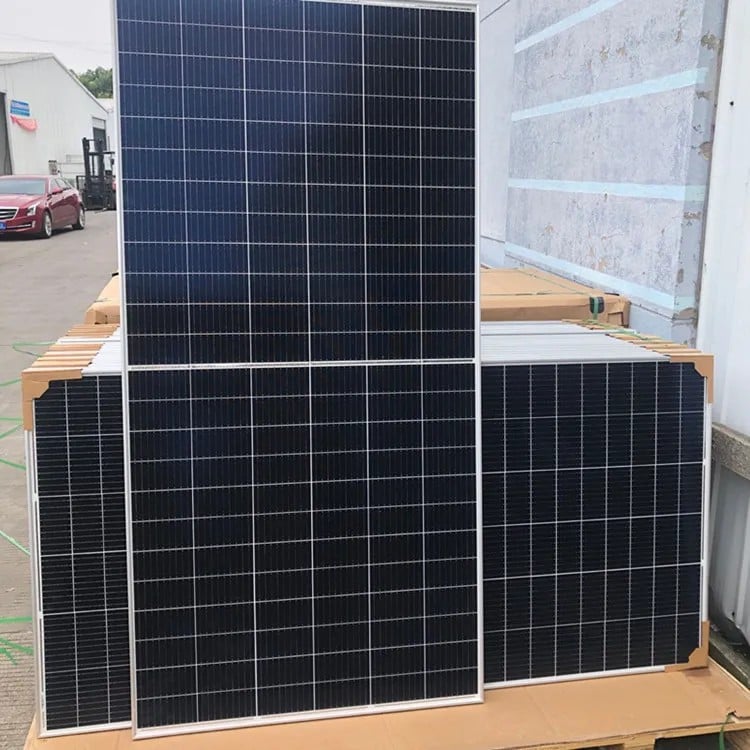
Selecting the right BIPV transparent solar panel manufacturer is one of the most critical decisions in building-integrated photovoltaic projects. The manufacturer you choose directly impacts project timeline, energy output, system durability, and long-term return on investment. Unlike traditional rooftop solar installations, BIPV systems integrate solar technology into building facades, skylights, and transparent surfaces, requiring specialized expertise and quality standards that not all solar panel manufacturers can reliably deliver. This guide explores the essential factors that help you identify and evaluate the right solar panel manufacturer for your specific project requirements and regional market conditions.
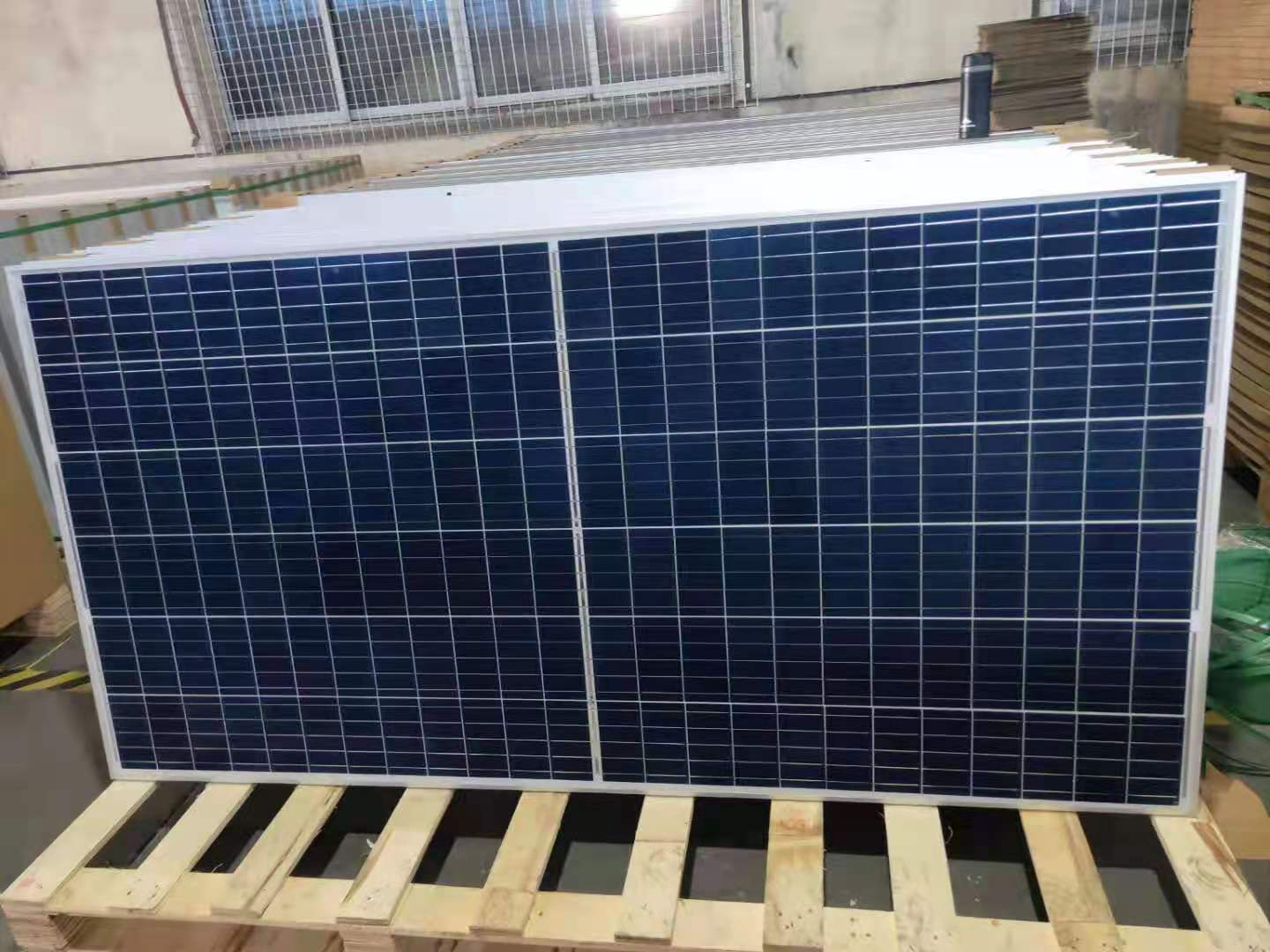
BIPV transparent solar panels demand higher precision in manufacturing than standard modules because they must balance energy generation with architectural aesthetics and building code compliance. A qualified solar panel manufacturer must demonstrate proven experience in transparent photovoltaic technology, maintain strict quality control processes, hold relevant industry certifications, and provide comprehensive technical support throughout project implementation. Understanding these selection criteria helps you avoid costly delays, performance shortfalls, and reliability issues that can undermine the entire project value proposition.
Understanding BIPV Transparent Solar Panel Manufacturing Standards
Quality Certifications and Compliance Requirements
Every reputable solar panel manufacturer must maintain internationally recognized certifications that validate their production quality and safety standards. The primary certifications to verify include IEC 61215 for photovoltaic module performance, IEC 61730 for safety, and UL standards for North American markets. A solar panel manufacturer holding ISO 9001 certification demonstrates commitment to quality management systems and continuous process improvement. Additionally, BIPV-specific solar panels must comply with building code requirements in the target region, which means the manufacturer should provide technical documentation proving suitability for facade and skylight integration. Request certification documentation directly from the solar panel manufacturer and verify its currency through official certification bodies rather than relying on marketing claims alone.
Manufacturing Facility and Production Capacity Assessment
Visit or request detailed information about the solar panel manufacturer's production facility, equipment specifications, and quality control infrastructure. A credible solar panel manufacturer invests in automated testing equipment, environmental chambers for durability testing, and statistical process control systems that catch defects before products leave the factory. Assess whether the solar panel manufacturer has sufficient production capacity to meet your project timeline and whether they maintain inventory buffers for urgent orders. Some manufacturers offer facility tours or provide video documentation of their solar panel production processes, which demonstrates transparency and confidence in their manufacturing standards. Ask specifically about their solar panel defect rates, warranty claim history, and how they handle quality issues discovered after installation.
Technical Specifications and Performance Criteria for Solar Panel Selection
Transparency, Efficiency, and Architectural Integration
BIPV transparent solar panels must balance light transmission with energy conversion efficiency, creating inherent trade-offs that vary by manufacturer. A quality solar panel manufacturer clearly documents their products' light transmission rates, usually ranging from 10% to 50% depending on the specific module design, alongside electrical performance metrics like conversion efficiency and temperature coefficients. Request performance data sheets that specify power output under standard test conditions (STC) and real-world conditions (NOCT), as this helps you model actual energy generation for the project. The solar panel manufacturer should also provide information about how their transparent solar panels respond to different light angles, seasonal variations, and weather conditions. Specify whether your project requires monocrystalline or polycrystalline transparent solar panels, as the solar panel manufacturer's expertise in your chosen technology directly affects performance predictability and long-term reliability in your climate zone.
Customization Capabilities and Design Flexibility
Leading solar panel manufacturers offer customization options for BIPV applications, including custom sizes, frame materials, junction box configurations, and connector types. Evaluate whether the solar panel manufacturer can accommodate non-standard dimensions required for facade integration or skylight applications without imposing prohibitive minimum order quantities or lead time penalties. A flexible solar panel manufacturer understands that architectural projects often demand unique specifications and can work within your design constraints without compromising quality or performance. Discuss with the solar panel manufacturer whether they offer color options, textured surfaces, or other aesthetic treatments that align with your building design intent. Ask about their capacity to produce small pilot batches or prototypes if your project involves innovative solar panel integration methods not yet widely deployed.
Support Services and Risk Mitigation in Solar Panel Supply Relationships
Technical Support and Documentation Provided by Solar Panel Manufacturers
Choose a solar panel manufacturer who provides comprehensive technical documentation including system design guidelines, electrical schematics, installation protocols, and maintenance procedures specific to transparent photovoltaic applications. The solar panel manufacturer should maintain technical support staff accessible by phone, email, or online portal to answer installation questions, troubleshoot performance issues, and provide expedited assistance if problems arise during commissioning. Verify that the solar panel manufacturer provides detailed warranty documentation that covers defects, performance degradation, and material failures, and clarify what conditions or usage scenarios void the warranty. A responsible solar panel manufacturer also supplies training resources for installation crews and end-users, ensuring that your team understands proper handling, installation techniques, and long-term maintenance requirements. Request references from previous BIPV projects completed with that solar panel manufacturer, particularly projects in climates or applications similar to yours.
Supply Chain Reliability and Contingency Planning
Evaluate the solar panel manufacturer's supply chain resilience, including their sourcing of raw materials, component availability, and backup suppliers for critical inputs. A stable solar panel manufacturer maintains transparent communication about potential supply disruptions, provides realistic lead time estimates, and has contingency plans for unexpected shortages. Discuss with the solar panel manufacturer their policy on partial shipments, expedited delivery options, and how they handle delays beyond their control. Request information about the solar panel manufacturer's business continuity plans, including backup production facilities or partnerships that ensure continued supply if their primary facility experiences disruptions. Verify that the solar panel manufacturer maintains sufficient working capital and financial stability to fulfill long-term warranty obligations and support commitments, as bankrupt or struggling manufacturers cannot provide reliable post-sale service.
FAQ
What certifications must a BIPV transparent solar panel manufacturer hold?
A credible solar panel manufacturer must hold IEC 61215 for module performance, IEC 61730 for electrical safety, and ISO 9001 for quality management. Additional requirements depend on your region; North American markets require UL listing from a reputable solar panel manufacturer, while European projects may require CE marking and compliance with EN standards. Verify that certifications remain current by checking with the issuing bodies directly, and request copies of test reports from independent laboratories that validate the solar panel manufacturer's claims.
How do I assess a solar panel manufacturer's production capacity and quality control?
Request detailed specifications about the solar panel manufacturer's equipment, testing infrastructure, and defect detection systems. A transparent solar panel manufacturer should provide statistical data on defect rates, describe their automated testing procedures, and offer facility tours or documentation showing their quality control measures in action. Ask the solar panel manufacturer about their traceability systems, which track individual solar panel batches and allow rapid identification and remediation if quality issues emerge after installation.
What questions should I ask a solar panel manufacturer about warranty and support?
Request comprehensive warranty documentation from the solar panel manufacturer detailing coverage periods, performance guarantees, material defect terms, and specific exclusions that might apply to BIPV installations. Ask the solar panel manufacturer about their technical support availability, typical response times for problem resolution, and whether they provide on-site assistance for installation or commissioning. Clarify what happens if the solar panel manufacturer becomes insolvent or ceases operations, and verify that third-party warranty providers can honor commitments if the original solar panel manufacturer is unavailable.
