
 EN
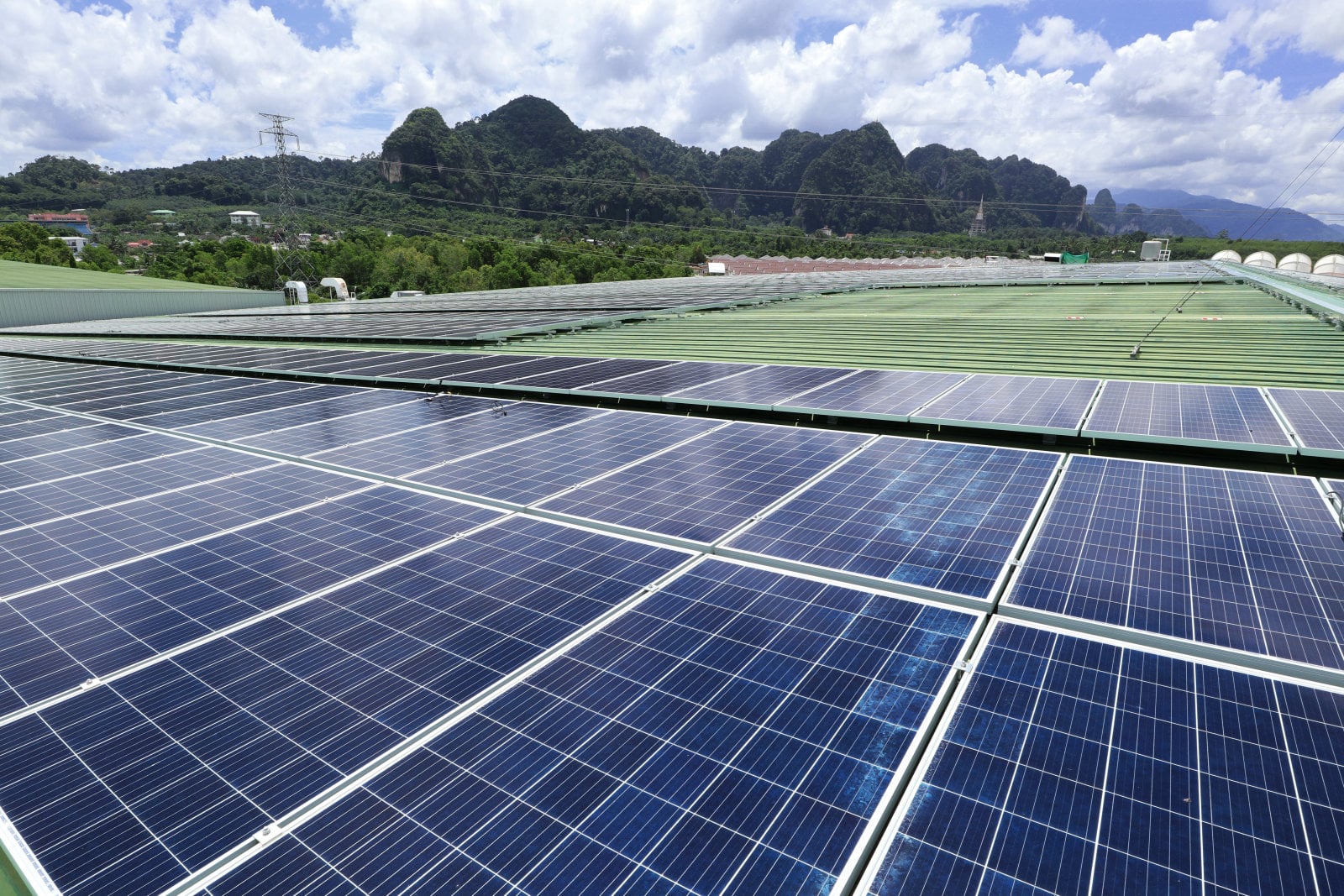
When powering a marine vessel or recreational vehicle, energy independence becomes essential for extended time away from shore or campgrounds. A solar panel represents one of the most reliable renewable energy solutions available today, but not all solar panels are created equal for these demanding environments. Flexible solar panels have emerged as the preferred choice for boat owners and RV enthusiasts seeking dependable, long-lasting power systems that adapt to their unique spatial and operational constraints.
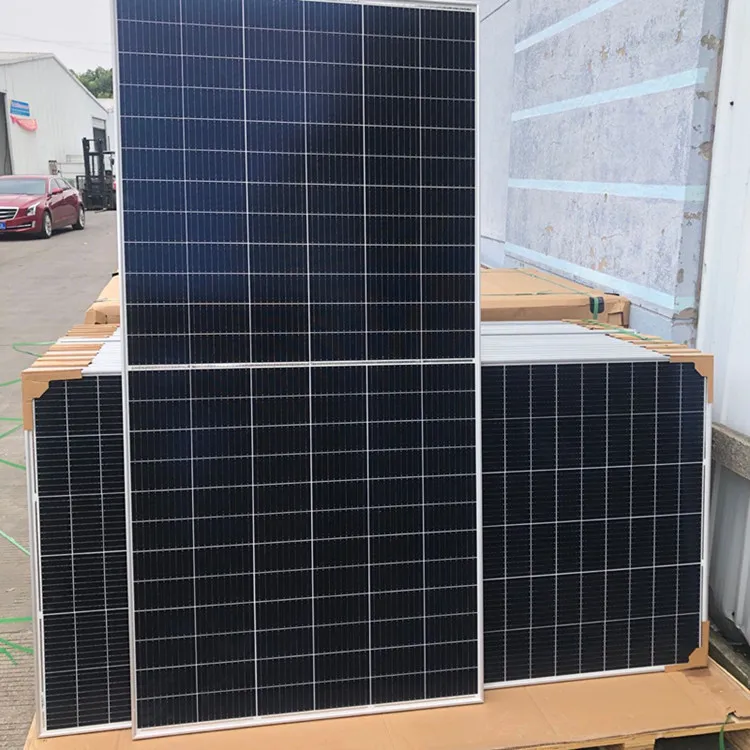
The decision to invest in a flexible solar panel for marine and RV applications goes beyond simple convenience. Traditional rigid solar panels often struggle with curved surfaces, limited mounting space, and the corrosive salt-air environment found on boats and coastal RV parks. Flexible solar panels address these challenges directly by offering installation flexibility, superior durability, and proven performance in harsh marine conditions, making them the intelligent choice for serious adventurers.
Understanding Flexible Solar Panel Design and Advantages
Why Flexible Construction Matters for Marine Environments
A flexible solar panel differs fundamentally from traditional rigid models in its composition and performance characteristics. The flexible solar panel features a thin-film construction with a durable polymer backing instead of a glass face, creating a lightweight, bendable system that conforms to curved surfaces found on RV roofs, boat canopies, and irregular cabin tops. This structural advantage means your flexible solar panel can be installed on surfaces where rigid panels would be impossible to mount securely.
Corrosion resistance represents another critical benefit of choosing a flexible solar panel for marine applications. Salt spray, humidity, and UV exposure present constant threats to electrical equipment on boats and coastal RVs. The flexible solar panel construction incorporates corrosion-resistant materials and sealed connections that withstand harsh marine atmospheres far better than conventional alternatives. This durability translates directly into years of reliable energy generation without premature degradation.
Installation Flexibility and Space Optimization
Every square inch of space matters on boats and RVs, and a flexible solar panel maximizes available surface area by adapting to unconventional mounting locations. Unlike rigid panels that require flat frameworks, the flexible solar panel can be adhesively bonded directly to curved roof sections, canvas canopies, or side panels. This installation flexibility eliminates the need for expensive mounting hardware and structural reinforcement, reducing both material costs and labor complexity.
Weight considerations further demonstrate why a flexible solar panel suits marine and RV applications. Traditional rigid solar panels add significant dead weight that impacts fuel efficiency, stability, and towing capacity. A flexible solar panel delivers comparable energy output while weighing substantially less, preserving your vehicle's performance characteristics and cargo capacity. This weight advantage becomes especially valuable for sailboats where every pound affects speed and handling.
Performance and Energy Generation Efficiency
Real-World Power Output in Marine Conditions
Skeptics often question whether a flexible solar panel delivers adequate power compared to rigid alternatives. Modern flexible solar panel technology has advanced dramatically, with contemporary models achieving efficiency ratings between 18% and 22%, matching or exceeding older rigid panel generations. A quality flexible solar panel rated at 100 watts will generate consistent, usable power even in the diffuse light conditions common on cloudy days and overcast sea passages.
The flexibility of a flexible solar panel actually provides performance advantages in specific marine scenarios. On moving boats, the flexible solar panel can be positioned to follow optimal sun angles throughout the day, and its lightweight design permits temporary repositioning without structural strain. During anchoring or extended stationary periods, the flexible solar panel accommodates temporary installations on canvas structures or improvised supports that would never support rigid panel weight.
Reliability and Longevity in Harsh Environments
Marine and RV adventures demand equipment that performs consistently regardless of environmental stress. A properly installed flexible solar panel maintains stable energy output across temperature extremes, from arctic cold to tropical heat found in diverse cruising destinations. The sealed design of a flexible solar panel prevents water intrusion and internal component corrosion, extending operational lifespan well beyond the typically expected 10 to 15-year horizon.
Long-term data confirms that flexible solar panel systems installed on marine vessels consistently outperform rigid alternatives in retention of generating capacity. A flexible solar panel installed a decade ago typically maintains 80% of its original output, while many rigid panels in similar marine environments show accelerated degradation from salt spray penetration and connector corrosion. This proven longevity makes the flexible solar panel an economically superior investment over the lifecycle of ownership.
Practical Implementation and System Integration
Seamless Battery System Integration
Installing a flexible solar panel requires compatible charging infrastructure to capture and store generated energy effectively. Most modern marine and RV flexible solar panel installations incorporate MPPT charge controllers that maximize energy capture from your flexible solar panel's variable output. The flexible solar panel connects directly to lithium or lead-acid battery banks through these controllers, creating a complete energy ecosystem that powers essential systems.
The modular design of flexible solar panel systems permits expansion as energy needs grow. Many boat owners and RV enthusiasts start with a single flexible solar panel, then add additional units in parallel configuration to increase total capacity. This scalability means your initial flexible solar panel investment protects future flexibility, avoiding the need for expensive replacements when power demands increase.
Maintenance and Long-Term Cost Effectiveness
A flexible solar panel requires minimal maintenance compared to traditional alternatives, with occasional freshwater rinsing sufficient to maintain peak efficiency. The sealed polymer construction prevents debris accumulation in internal components, eliminating corrosion pathways that plague rigid panels in marine environments. Your flexible solar panel delivers decades of service life with virtually no recurring maintenance costs beyond simple cleaning.
The total cost of ownership for a flexible solar panel system proves substantially lower than equivalent rigid installations when accounting for mounting hardware, structural reinforcement, and replacement frequency. Over a 20-year ownership period, a flexible solar panel delivers energy independence at a fraction of the lifecycle cost associated with grid power or fuel-based generators. This economic advantage combines with environmental benefits to create compelling justification for flexible solar panel adoption.
FAQ
How does a flexible solar panel perform compared to rigid panels for marine use?
Modern flexible solar panel technology delivers comparable energy output while offering superior corrosion resistance, lighter weight, and installation flexibility that rigid panels cannot match. A quality flexible solar panel maintains its performance rating even in diffuse marine light conditions, and its sealed design prevents salt spray penetration that degrades rigid alternatives.
What is the typical lifespan of a flexible solar panel on a boat or RV?
A properly installed flexible solar panel typically maintains reliable performance for 15 to 25 years in marine and RV applications. The sealed polymer construction resists environmental degradation far better than glass-faced rigid panels, with documented cases of flexible solar panel systems retaining 80% capacity after a decade of continuous marine exposure.
Can a flexible solar panel be installed on curved surfaces without structural damage?
Yes, adhesive mounting of a flexible solar panel on curved surfaces causes no structural damage when using recommended installation methods and compatible marine-grade adhesives. The thin flexible solar panel design conforms perfectly to boat canopies, RV roof curves, and irregular cabin tops, eliminating the need for mounting frames or structural reinforcement.
