
 EN
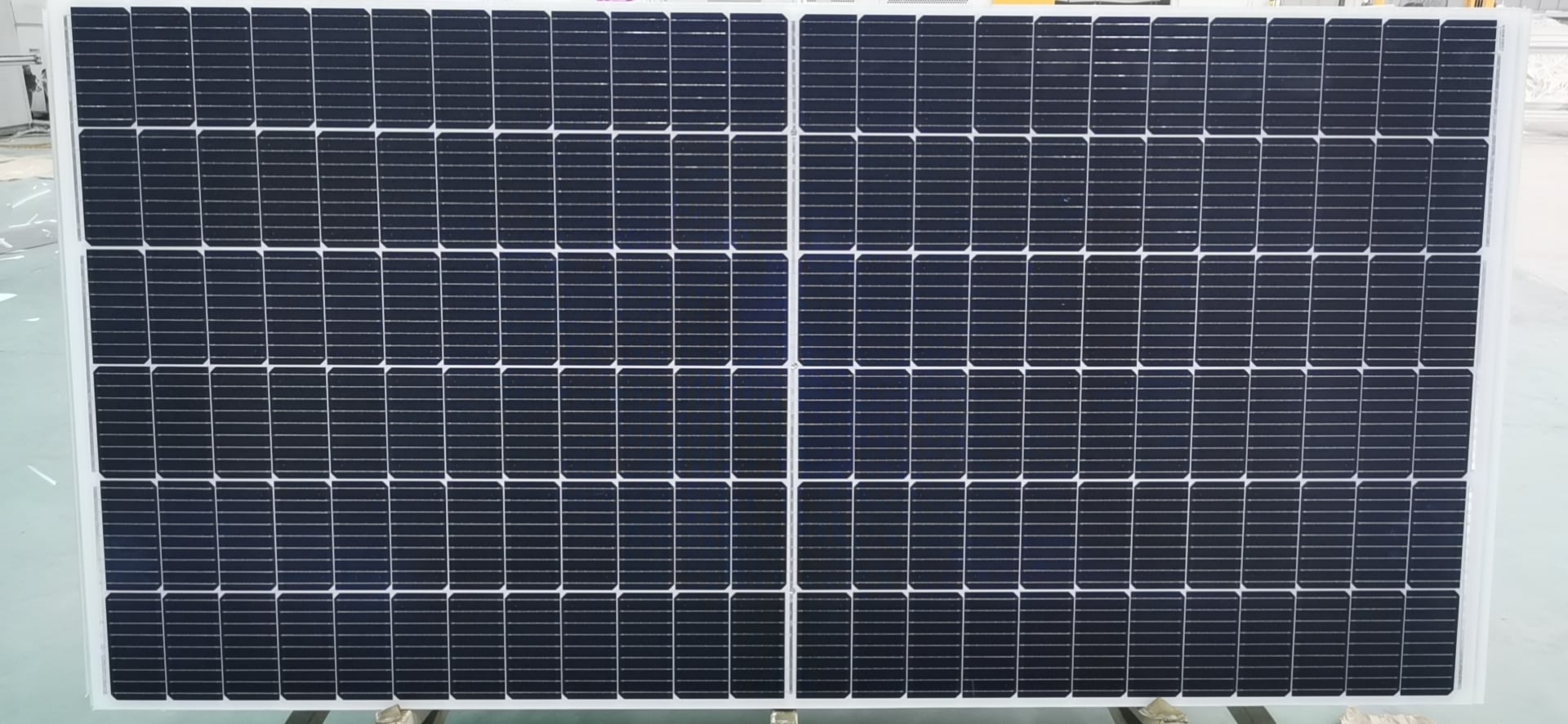
Curved roof projects present a unique challenge for renewable energy installations, and selecting the right solar panel can make the difference between project success and costly mistakes. Unlike traditional rigid installations, curved surfaces demand a specialized approach to mounting, electrical integration, and long-term performance. A high-quality solar panel designed for flexibility not only adapts to non-standard roof geometries but also maintains structural integrity and energy output over decades of exposure to weather, temperature fluctuations, and mechanical stress. Understanding the specific characteristics that define the best solar panel for your curved roof project ensures you invest in equipment that delivers reliable power generation while minimizing maintenance downtime and safety risks.
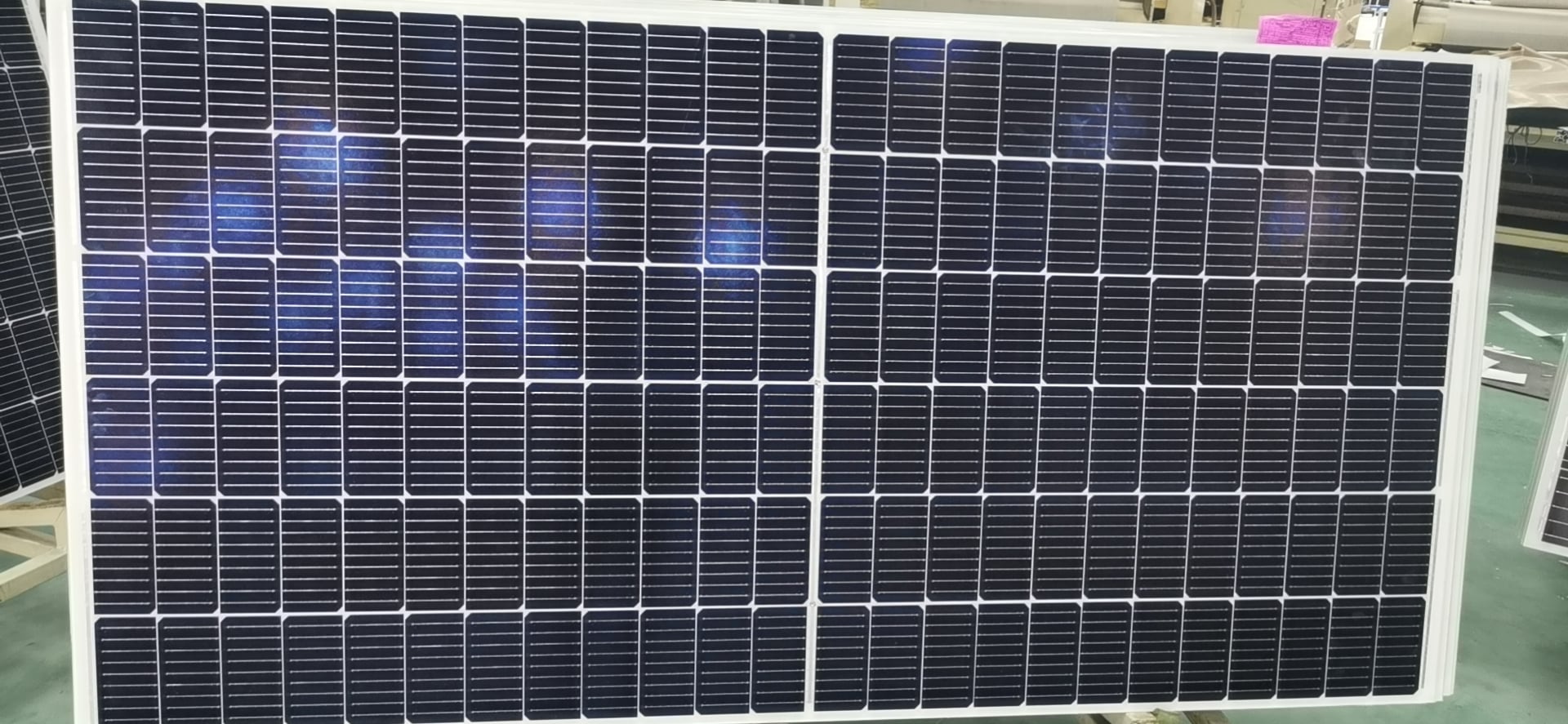
The solar panel market offers multiple design options, but not all are suitable for curved applications. Curved surfaces impose physical stresses that rigid-frame solar panels cannot tolerate without fracturing, delaminating, or experiencing electrical faults. A flexible solar panel combines advanced material science, durable encapsulation, and engineered flexibility to conform to dome-shaped, arched, or otherwise non-planar roof structures while preserving electrical efficiency and weatherproofing. This guide walks you through the essential evaluation criteria, technical specifications, and practical considerations that separate premium solar panel solutions from inadequate alternatives for your curved roof project.
Understanding Flexible Solar Panel Technology and Design Principles
Core Design Differences Between Flexible and Rigid Solar Panels
A traditional solar panel relies on an aluminum frame and tempered glass faceplate to maintain structural rigidity, making it ideal for flat roof applications but unsuitable for curves. In contrast, a flexible solar panel typically features a lightweight polymer backsheet, thin monocrystalline or polycrystalline cells, and an encapsulant material that permits limited bending without compromising the solar panel's electrical pathways or protective barriers. The solar panel construction eliminates the heavy aluminum frame, reducing weight while enabling curvature. This fundamental design allows the solar panel to hug contoured surfaces, distribute mechanical stress evenly across the cell array, and maintain IP67 or IP68 waterproofing ratings even when flexed.
Materials and Durability Factors in Flexible Solar Panel Selection
The longevity of your solar panel depends heavily on material composition and environmental resistance. Premium flexible solar panel designs use ETFE or TPE backsheets instead of standard PET materials, offering superior UV resistance, thermal stability, and mechanical durability. The solar panel's encapsulant layer—typically cross-linked polyethylene or ethylene-vinyl acetate—must resist moisture ingress, temperature cycling, and oxidative degradation over 25 to 30 years of outdoor exposure. When evaluating a solar panel candidate, inspect the manufacturer's specifications for tensile strength ratings, elongation limits, and thermal coefficient data. A robust solar panel will document its ability to withstand repeated flex cycles without cell cracking or solder-joint failures, critical parameters for curved roof installations where wind gusts and thermal expansion create constant micro-movements.
Key Technical Specifications for Curved Roof Solar Panel Selection
Power Output and Efficiency Ratings Aligned with Project Load Requirements
Curved roof geometry often limits the total solar panel area available for installation, making efficiency a critical factor. A higher-efficiency solar panel—typically 20% to 22% for monocrystalline variants—generates more power per square meter, allowing you to meet your energy targets with fewer units. When selecting a solar panel, cross-reference the rated wattage (e.g., 300W, 350W, 400W, or 450W) against your project's daily energy requirement and available roof curvature length. The solar panel's power output at standard test conditions (STC) and nominal operating cell temperature (NOCT) should also be evaluated, as curved roofs often experience higher ambient temperatures due to poor air circulation, reducing the solar panel's real-world output by 10% to 15% compared to flat installations. Calculate your total system size by accounting for inverter losses, wiring losses, and seasonal solar irradiance variations specific to your geographic location.
Mechanical Flexibility Limits and Installation Safety Parameters
Every flexible solar panel carries a manufacturer-specified maximum bend radius—typically ranging from 30 to 50 centimeters—beyond which the solar panel risks internal cracking or permanent delamination. Before purchase, measure your roof's radius of curvature using a flexible measuring tape or geometric calculations based on roof rise and span. Cross-reference this measurement against the solar panel's bend radius specification to ensure safe installation. The solar panel must flex sufficiently to conform to your specific roof geometry without exceeding its mechanical limits. Additionally, examine the solar panel's connection points (junction boxes, grounding lugs) for reinforcement and strain relief, as these areas are vulnerable to failure when flexed repeatedly. A well-engineered solar panel will distribute curvature evenly across its surface rather than concentrating stress at connector locations.
Installation Considerations and Long-Term Performance Factors
Mounting Systems Designed for Curved Roof Geometry
Curved roofs demand specialized mounting hardware tailored to the solar panel's design and your roof's structural characteristics. Standard aluminum rail systems designed for flat roofs are incompatible with curved installations and may cause excessive localized stress that compromises the solar panel's integrity. Instead, select a solar panel supplier that provides engineering guidance and compatible mounting brackets that distribute load evenly across the curved surface. The mounting system must accommodate thermal expansion without creating pressure points on the solar panel, maintain proper ventilation to prevent heat buildup, and prevent water pooling in low areas that could compromise waterproofing. Professional installation is critical; even a premium solar panel will underperform or fail prematurely if mounted incorrectly on a curved roof.
Environmental Resilience and Weather Protection
Curved roof solar panel installations face unique environmental stresses that affect performance longevity. Wind loads on domed or arched roofs can exceed those on flat surfaces, creating dynamic forces that test the solar panel's adhesion to mounting points and internal structural integrity. Likewise, temperature cycling—particularly in regions with large day-night or seasonal temperature swings—causes the solar panel materials to expand and contract at different rates, potentially generating solder-joint fatigue or backsheet delamination if the solar panel lacks adequate design margins. Select a solar panel with an IP67 or IP68 rating to ensure complete submersion resistance during heavy rainfall or sprinkler overspray. Review third-party test reports verifying the solar panel's performance under thermal cycling, humidity-freeze tests, and mechanical loading to confirm it meets or exceeds industry standards such as IEC 61215 or IEC 61646.
FAQ
What is the typical lifespan of a flexible solar panel installed on a curved roof?
A high-quality flexible solar panel, properly installed on a curved roof with compatible mounting hardware and professional installation, typically delivers 25 to 30 years of reliable service, matching or exceeding the warranty period offered by reputable manufacturers. The solar panel's actual lifespan depends on regional climate stressors, maintenance practices, and the quality of the installation mounting system. Regular visual inspections for water infiltration, junction box integrity, and visible cell cracking can extend the solar panel's operational life by enabling early detection and repair of minor issues before they compromise the entire system.
How does a curved roof installation affect the solar panel's energy generation compared to flat roof systems?
A curved roof solar panel installation typically generates 5% to 15% less energy than an equivalent flat roof system because curved surfaces experience variable angles of solar incidence throughout the day, reducing peak power output during midday hours. However, curved roof configurations sometimes benefit from enhanced morning and afternoon energy capture if the curvature is oriented toward the sun's low-angle path in early morning or late afternoon. The net energy difference depends on your roof's specific curve radius, geographic latitude, and seasonal solar geometry. Conduct a detailed solar resource assessment or simulation using specialized software to project realistic annual energy production for your curved roof solar panel installation.
Are flexible solar panels more expensive than traditional rigid solar panels?
Yes, flexible solar panels typically cost 15% to 25% more per watt than comparable rigid solar panels due to advanced materials, specialized manufacturing processes, and limited production volumes. However, for curved roof projects where rigid solar panels cannot be installed or would require extensive structural modifications, the premium cost of a flexible solar panel represents the only viable solution. When evaluating total project cost, factor in installation labor savings, reduced structural reinforcement requirements, and the elimination of custom framing needed for rigid panels on curved surfaces; these factors often offset the higher per-unit cost of the flexible solar panel.
