
 EN
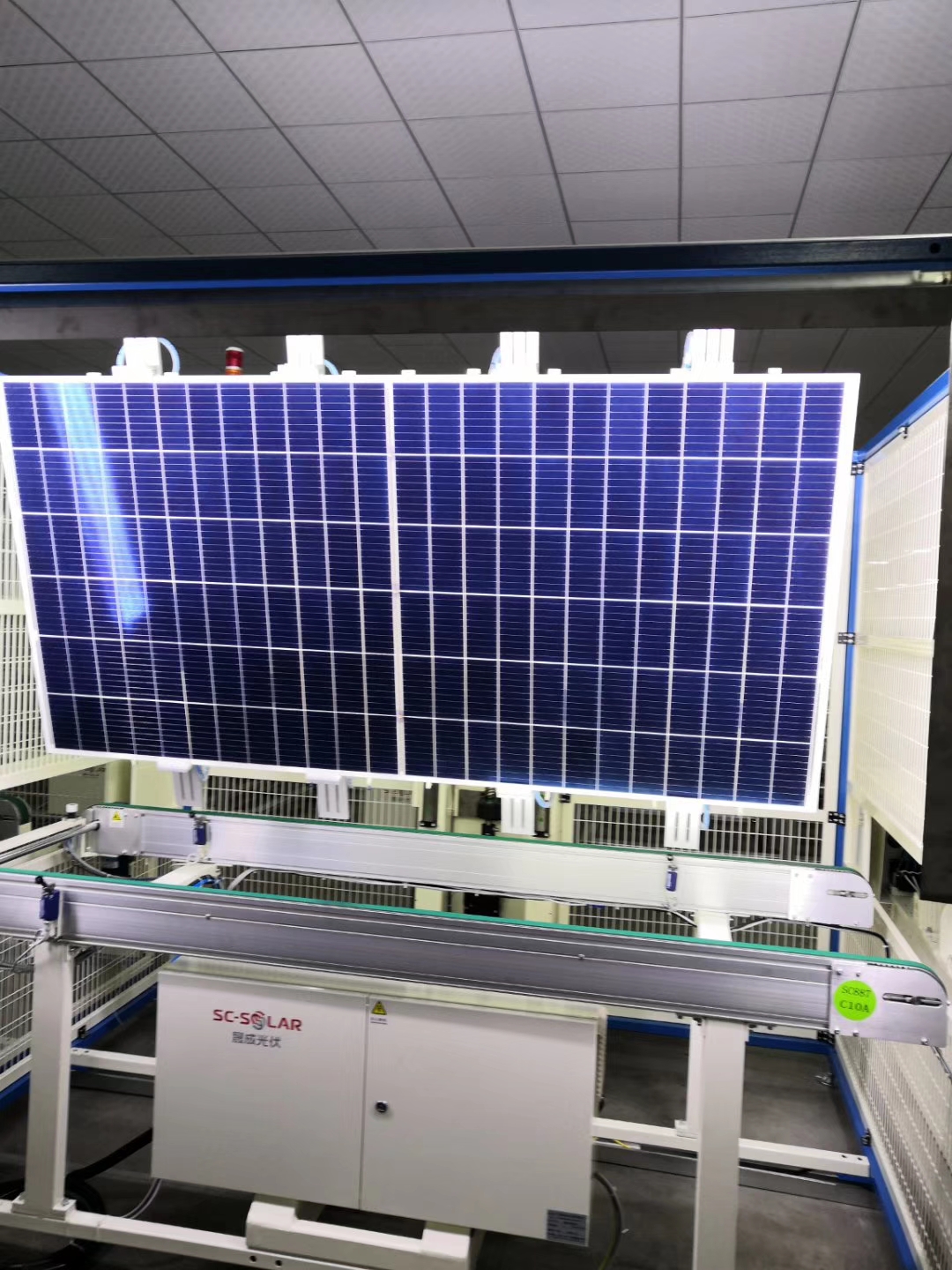
Lightweight flexible solar panels represent a transformative advancement in renewable energy technology for industrial and commercial applications. Unlike traditional rigid solar panel systems that require extensive structural support and permanent installation infrastructure, a solar panel that is both flexible and lightweight offers unprecedented operational advantages. This category of solar panel technology has fundamentally changed how businesses approach energy independence, mobile power solutions, and cost-effective solar deployment. Understanding the core advantages of a solar panel engineered for flexibility and reduced weight is essential for decision-makers evaluating modern renewable energy options.
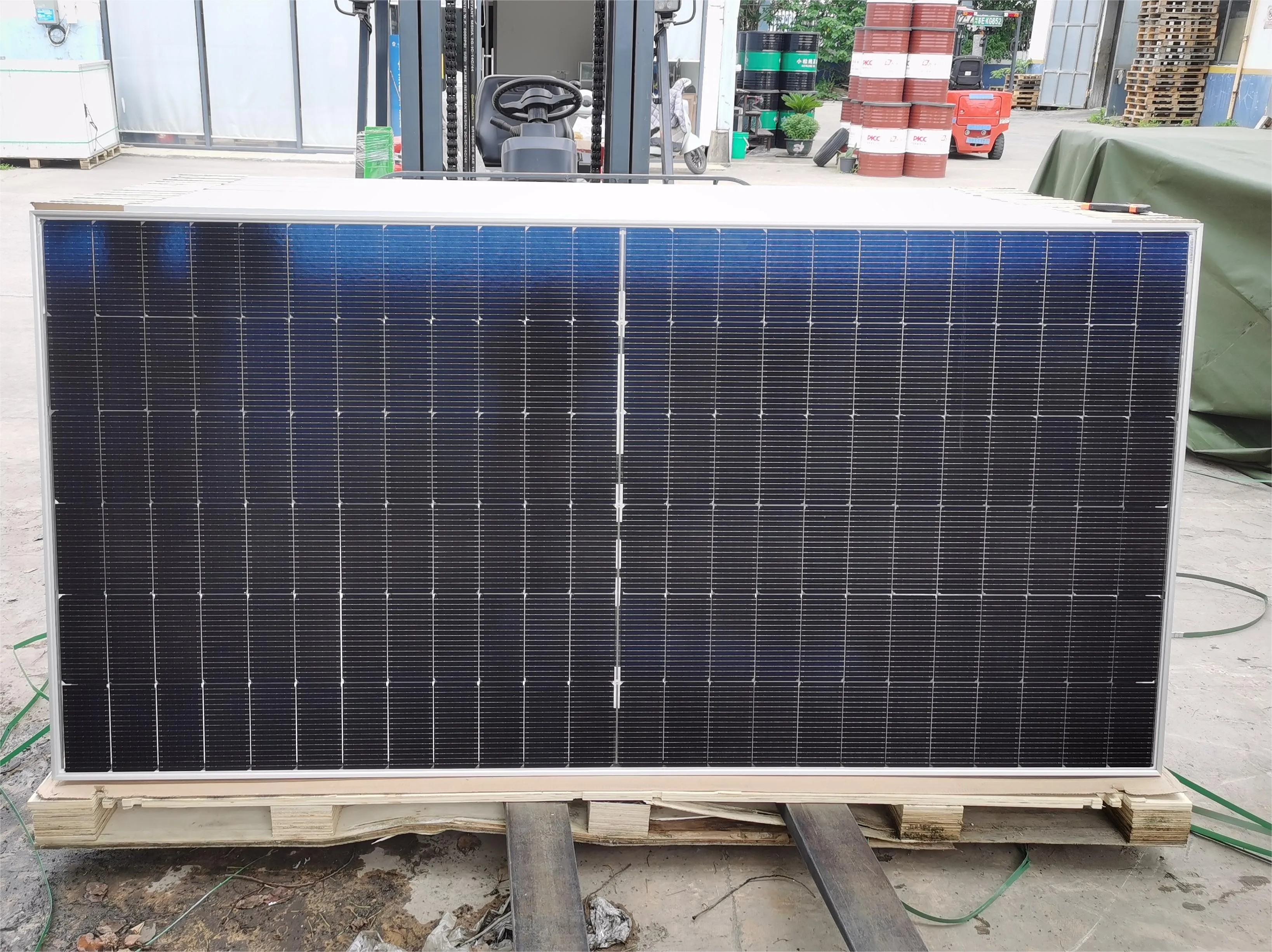
The industrial sector increasingly recognizes that a solar panel solution optimized for flexibility and minimal weight delivers measurable financial and operational benefits. Whether deployed on curved roofing surfaces, mobile equipment, or temporary installations, flexible and lightweight solar panel technology adapts to real-world constraints that rigid alternatives cannot address. By examining the specific advantages of lightweight flexible solar panels, businesses can make informed decisions about whether this solar panel category aligns with their energy infrastructure goals.
Installation Flexibility and Reduced Structural Demands
Adaptability to Complex Surfaces
One of the most significant advantages of a lightweight flexible solar panel is its ability to conform to non-standard architectural surfaces. Traditional rigid solar panel installations require completely flat mounting structures, limiting where a solar panel can be placed. A flexible solar panel, by contrast, can be integrated directly onto curved roofs, vehicle bodies, or irregular industrial surfaces without requiring extensive structural modifications. This adaptability means businesses avoid costly structural reinforcement, reducing the total project timeline and expense. The lightweight nature of each solar panel unit further simplifies logistics, allowing installation teams to position panels with minimal specialized equipment. For retrofitting existing facilities, a solar panel that is both lightweight and flexible represents a practical solution that rigid alternatives simply cannot provide.
Simplified Logistics and Rapid Deployment
Handling and transporting traditional rigid solar panel systems requires heavy machinery, specialized vehicles, and experienced crews trained for complex rigging. A solar panel designed for lightness eliminates these logistical barriers, making deployment faster and more cost-effective. Lightweight flexible solar panels can be carried, positioned, and secured by standard personnel without specialized training, dramatically accelerating project timelines. For mobile applications, such as temporary power stations or emergency response installations, a solar panel with reduced weight becomes critical infrastructure. Companies can deploy a solar panel solution in days rather than weeks, capturing energy production value immediately. This operational agility gives businesses competitive advantage in time-sensitive energy applications.
Cost Efficiency and Long-Term Economic Value
Reduced Material and Installation Expenses
The material science behind lightweight flexible solar panels inherently reduces manufacturing costs compared to traditional rigid solar panel production. Fewer structural materials are required, thinner protective layers are sufficient, and fabrication processes are more streamlined for flexible solar panel manufacturing. When these manufacturing efficiencies combine with simplified installation procedures, the total cost per watt of a solar panel drops significantly. Businesses deploying a solar panel system benefit from lower upfront capital expenditure, improving return on investment calculations. Installation labor costs diminish substantially because a solar panel that weighs less requires fewer workers and less specialized equipment. Over a ten-year operational cycle, these cost advantages compound, making lightweight flexible solar panels economically superior for capital-constrained organizations.
Minimized Infrastructure Investment
Standard rigid solar panel installations often require extensive electrical infrastructure upgrades, reinforced mounting frameworks, and professional structural assessment. A solar panel system based on lightweight flexible technology frequently bypasses these expensive prerequisites. The reduced weight means existing support structures often require no modification, allowing a solar panel to integrate into current facilities without additional construction. For industrial operations with tight budgets or limited facilities access, a solar panel solution that demands minimal infrastructure investment becomes transformative. Maintenance costs also decline because a solar panel with inherent flexibility experiences less mechanical stress and vibration-related degradation. This economic profile makes lightweight flexible solar panels particularly attractive for cost-sensitive industries seeking renewable energy adoption.
Durability and Performance Advantages
Enhanced Resistance to Environmental Stress
Contrary to assumptions about flexibility compromising durability, modern flexible solar panel engineering delivers superior performance under challenging environmental conditions. A solar panel constructed with flexible materials actually absorbs thermal and mechanical stress more effectively than rigid alternatives, reducing crack formation and component failure. Thermal cycling, vibration exposure, and material expansion all present ongoing challenges for rigid solar panel systems, but a flexible solar panel naturally accommodates these stresses. In mobile applications where equipment vibration is constant, a solar panel designed for flexibility experiences significantly lower degradation rates. This durability advantage extends operational lifespan, making each solar panel investment more economical over time. Industries operating in harsh environments, such as maritime or off-grid resource extraction, consistently demonstrate higher satisfaction with flexible solar panel performance compared to rigid solar panel technology.
Longevity and Reliability Under Demanding Conditions
A solar panel engineered for flexibility maintains consistent power output even when environmental conditions stress traditional rigid systems. UV exposure, temperature extremes, and humidity variations cause material degradation differently in flexible solar panel designs, often resulting in more predictable performance curves. Testing data consistently shows that a solar panel with flexible construction maintains higher efficiency ratings after multi-year deployments compared to rigid alternatives subjected to identical conditions. For mission-critical applications where power reliability directly impacts operational outcomes, the proven durability of flexible solar panel technology becomes invaluable. Manufacturers increasingly offer extended warranties for lightweight flexible solar panels, reflecting confidence in this technology's longevity. This reliability profile transforms a solar panel from a component to a dependable infrastructure asset.
FAQ
Are lightweight flexible solar panels less efficient than traditional rigid solar panels?
Modern lightweight flexible solar panels achieve efficiency ratings within 1 to 3 percentage points of rigid solar panel systems, making the practical performance difference negligible for most applications. A solar panel's efficiency depends primarily on semiconductor material quality and cell density rather than structural rigidity. Advances in flexible solar panel manufacturing have produced efficiency levels that justify deployment alongside traditional solar panel alternatives. The efficiency advantage of a solar panel ultimately depends on environmental conditions, installation angle, and maintenance protocols rather than flexibility alone. For applications valuing installation flexibility and cost reduction, the minimal efficiency trade-off is acceptable compared to the operational advantages.
What industries benefit most from flexible solar panel installation?
Industries with mobile operations, temporary installations, or irregular surface geometry derive maximum value from flexible solar panel technology. Agricultural operations, maritime applications, emergency response services, and remote resource extraction operations all find that a solar panel designed for flexibility addresses operational constraints that rigid solar panels cannot accommodate. Manufacturing facilities with curved roofing or vehicle-based equipment similarly benefit from flexible solar panel integration. Construction companies frequently employ temporary solar panel systems where lightweight flexible technology dramatically reduces setup complexity. Renewable energy projects in developing regions often prioritize a solar panel solution that minimizes infrastructure requirements, making flexible options particularly valuable.
How does installation maintenance differ for flexible solar panels compared to rigid options?
Maintenance procedures for a lightweight flexible solar panel generally prove simpler than rigid solar panel upkeep, primarily because flexible solar panel designs eliminate roof penetration points that commonly develop leaks. A solar panel with flexible construction requires standard cleaning and performance monitoring but avoids mechanical stress inspection protocols necessary for rigid solar panels. For mobile installations, a solar panel system based on flexible technology reduces vibration-related maintenance issues that plague rigid solar panels on vehicles. Technicians familiar with standard electrical system maintenance can typically service a solar panel with flexible construction without specialized training. The straightforward maintenance profile of flexible solar panels contributes to total cost of ownership advantages over extended operational periods.
