
 EN
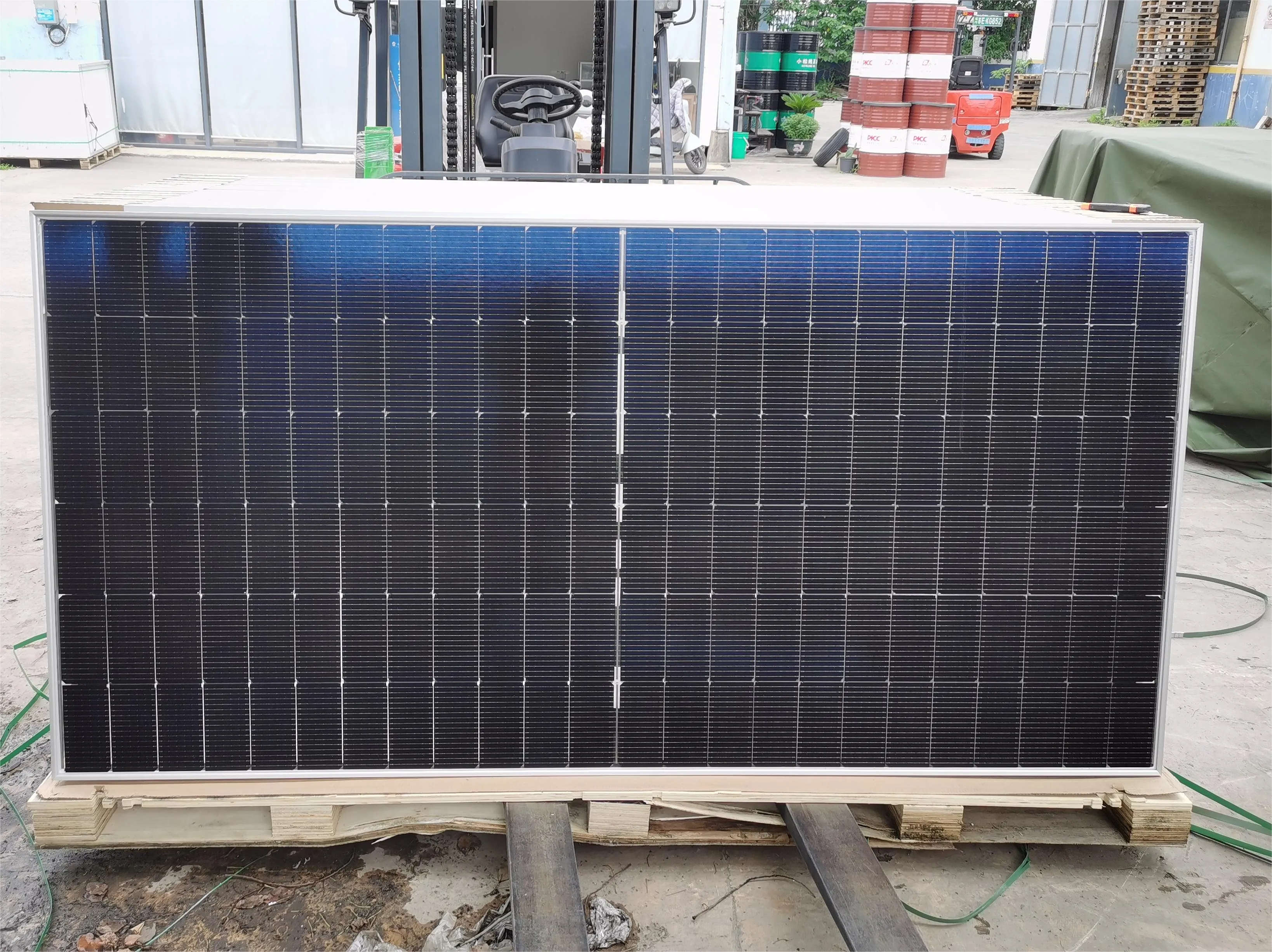
Uneven terrain presents one of the most challenging installation scenarios for traditional rigid solar systems. A flexible solar panel transforms this obstacle into a manageable task by conforming to irregular surfaces and eliminating the need for extensive site preparation or expensive structural modifications. Unlike conventional rigid solar panel designs, flexible alternatives offer superior adaptability, reduced installation costs, and faster deployment timelines on complex landscapes. This approach has become increasingly valuable for remote installations, RV applications, boat systems, and industrial sites where terrain variation is unavoidable.
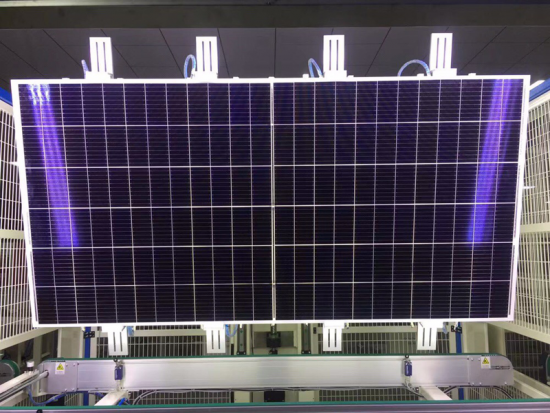
The fundamental advantage of a flexible solar panel lies in its ability to bend and conform without sacrificing electrical performance or durability. Traditional rigid solar panel systems require level mounting surfaces, often necessitating costly concrete pads, metal frames, or extensive ground preparation. A flexible solar panel eliminates these requirements by distributing its weight across naturally uneven surfaces, maintaining electrical integrity while dramatically simplifying the installation process. Understanding how this technology works and when to deploy it can save significant capital and labor on projects where terrain constraints would otherwise complicate energy deployment.
How Flexible Solar Panel Design Enables Uneven Surface Installation
Material Composition and Structural Flexibility
A flexible solar panel achieves its conformity through a fundamentally different construction than conventional glass-based systems. Instead of rigid glass encapsulation, a flexible solar panel uses thin-film photovoltaic cells bonded to a flexible substrate material such as fiberglass or polymer composite. This construction allows the entire solar panel to bend along a curved axis without cracking or degrading internal circuitry. The backing material of a flexible solar panel is typically designed to withstand repeated flexing, environmental stress, and temperature cycling while maintaining electrical connections. This engineering approach means a flexible solar panel can adapt to roof contours, hillside slopes, curved vehicle surfaces, and other non-planar geometries that would render a rigid solar panel unusable or require expensive structural preparation.
Weight Distribution and Load Characteristics
Another critical feature distinguishing a flexible solar panel is its significantly lower weight compared to traditional glass-based alternatives. A typical rigid solar panel weighs between 40 to 50 pounds, whereas a flexible solar panel of similar output capacity weighs only 2 to 4 pounds. This dramatic weight reduction means a flexible solar panel can be installed directly onto existing structures without reinforcement, reducing both material costs and installation labor. On uneven terrain, the lightweight profile of a flexible solar panel distributes pressure more evenly across the installation surface, preventing stress concentrations that could damage fragile or sloped ground conditions. The reduced weight also allows a flexible solar panel to be deployed temporarily or relocated easily, making it ideal for nomadic operations, emergency response situations, or research projects.
Practical Installation Advantages on Uneven Sites
Elimination of Site Preparation Costs
Traditional solar installations on uneven terrain typically require significant upfront investment in site leveling, concrete foundation work, and structural engineering assessments. A flexible solar panel eliminates most of these expenses by conforming directly to the existing landscape. On a hillside installation, a rigid solar panel would need a leveled platform or adjustable mounting frame; a flexible solar panel can simply be adhered to the slope itself. For applications such as remote research stations, agricultural facilities, or industrial sites with complex topography, the cost savings from skipping site preparation can reach tens of thousands of dollars. A flexible solar panel also reduces the environmental footprint of installation since minimal ground disturbance or material extraction is required to prepare the mounting surface.
Faster Deployment and Labor Efficiency
Installation speed represents another substantial advantage of choosing a flexible solar panel for uneven environments. Conventional solar panel mounting involves surveying the site, engineering the support structure, and installing anchoring hardware. A flexible solar panel typically requires only surface cleaning and adhesive application or mechanical fastening at a few key points. This streamlined process reduces installation time from days to hours in many cases, lowering labor costs and accelerating project timelines. For marine and recreational vehicle applications, where uneven surfaces are common, a flexible solar panel can be applied and functional within a single working day. The simplicity of deployment also means less specialized expertise is required, allowing more crews to perform installations independently and reliably.
Real-World Applications and Performance Considerations
Marine and Recreational Vehicle Integration
A flexible solar panel has become the preferred choice for boats, RVs, and other mobile platforms where rigid structures cannot accommodate conventional mounting systems. The curved hull of a boat or the irregular roof shape of a recreational vehicle would present impossible installation challenges for traditional glass solar panel modules. A flexible solar panel conforms to these curves while maintaining full electrical output, enabling energy independence for extended voyages or off-grid travel. Users report that a flexible solar panel installation on marine vessels can withstand salt spray, constant vibration, and temperature fluctuations while continuing to deliver reliable power. The low profile of a flexible solar panel also eliminates wind resistance and aerodynamic interference that rigid installations would create on mobile platforms.
Remote and Off-Grid Site Deployment
Remote installations on mountains, deserts, or rugged terrain become feasible when using a flexible solar panel instead of rigid alternatives. Helicopter transport costs for heavy equipment are substantial, making the lightweight nature of a flexible solar panel economically significant for backcountry deployment. A flexible solar panel can be transported in compact rolls, reducing logistics complexity and enabling installation in locations where conventional equipment staging is impossible. Research stations, mining operations, and telecommunications relay sites have all adopted a flexible solar panel to simplify power infrastructure on difficult terrain. The resilience of a flexible solar panel under extreme weather and environmental stress further supports its role in remote applications where maintenance and replacement are logistically complex.
Thermal and Performance Factors
A flexible solar panel typically operates at slightly higher temperatures than rigid systems due to reduced air circulation beneath the panel surface. This thermal characteristic slightly reduces electrical output in hot climates compared to elevated mounting systems. However, the installation simplicity and cost savings usually offset this minor efficiency trade-off for uneven terrain applications. Users should verify that a flexible solar panel's rated output matches the specific requirements of their application rather than assuming identical performance to glass-based alternatives. Modern flexible solar panel designs have improved thermal management through material innovations, narrowing the performance gap with traditional systems. Proper orientation and ventilation considerations during installation help optimize a flexible solar panel's output on uneven sites.
FAQ
Can a flexible solar panel withstand environmental stress on uneven terrain?
Yes, a flexible solar panel is specifically engineered to withstand challenging environmental conditions including wind, temperature cycling, UV exposure, and mechanical stress from uneven surface contact. The robust backing materials and sealed junction box design of a flexible solar panel provide long-term durability comparable to rigid systems. Proper installation technique, including adequate adhesive coverage and mechanical fastening at critical points, ensures a flexible solar panel maintains structural integrity throughout its operational lifespan. Many manufacturers warrant a flexible solar panel for 20 to 25 years of outdoor exposure.
What is the lifespan difference between a flexible solar panel and traditional rigid alternatives?
A flexible solar panel generally matches the expected lifespan of rigid glass-based systems, typically 25 to 30 years, when properly installed and maintained. Degradation rates for a flexible solar panel are comparable to conventional solar panel technologies, declining approximately 0.5 to 0.8 percent per year. The main difference is that a flexible solar panel may require more frequent cleaning on horizontal surfaces due to dust accumulation, while regular maintenance preserves performance equivalence across both solar panel types throughout their operational lives.
How does installation cost compare when using a flexible solar panel on uneven sites?
A flexible solar panel typically reduces total project costs by 20 to 35 percent on uneven terrain compared to rigid alternatives when accounting for site preparation, structural engineering, and labor expenses. Although a flexible solar panel's per-watt material cost may be slightly higher than rigid modules, the elimination of foundation work, leveling, and specialized mounting equipment generates substantial savings. For remote locations where logistics and transportation costs are significant, a flexible solar panel's lightweight and compact nature provide additional economic advantages that often justify the technology choice despite any premium pricing.
