
 EN
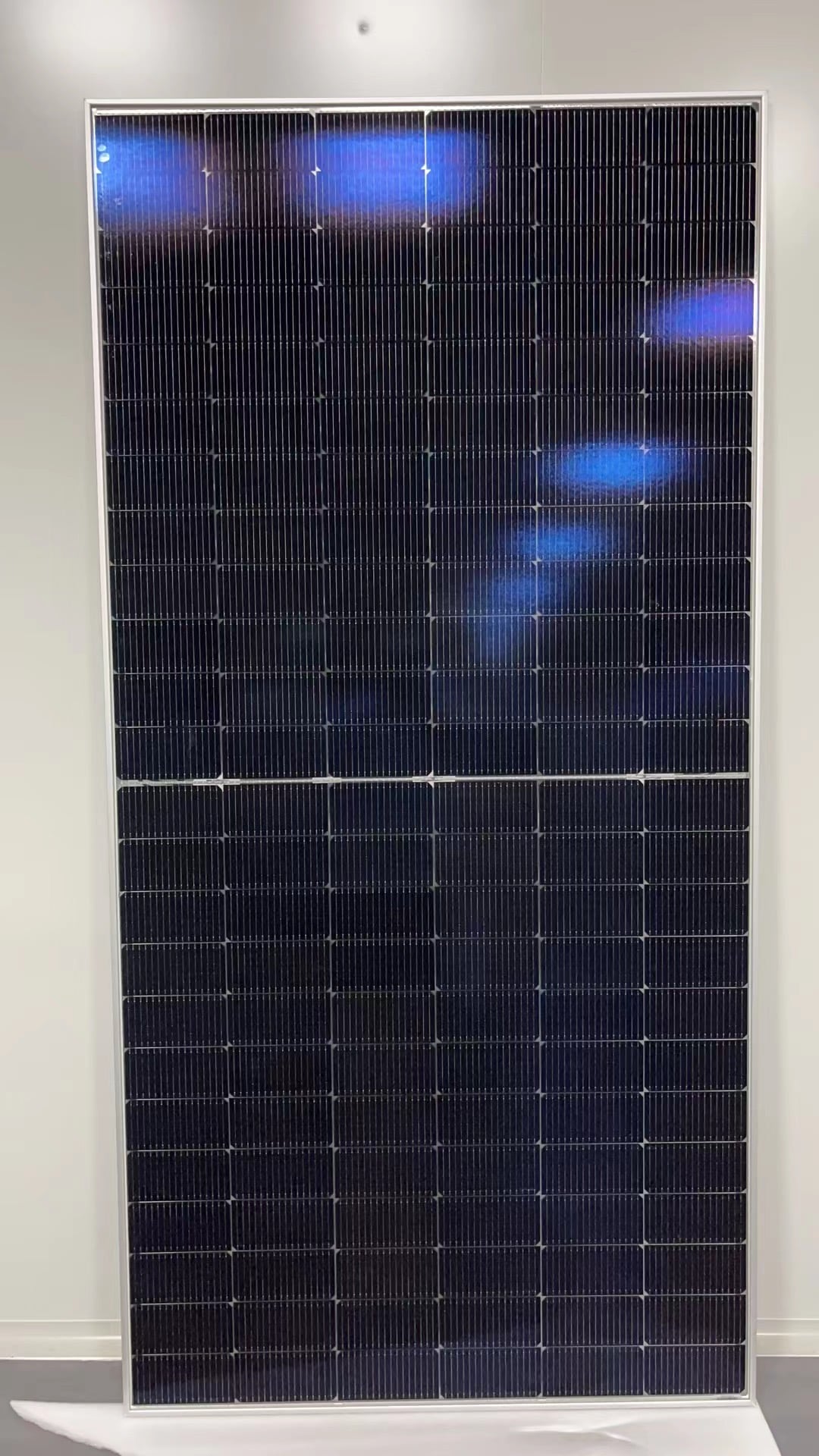
Building-integrated photovoltaic technology represents one of the most significant innovations in renewable energy architecture today. The question of whether a solar panel using BIPV transparent technology can genuinely replace conventional building glass has moved from theoretical discussion to practical implementation across commercial and residential projects worldwide. This transformation reflects growing demand for multifunctional building materials that simultaneously provide structural value, weather protection, and clean energy generation without compromising aesthetic design or structural integrity.
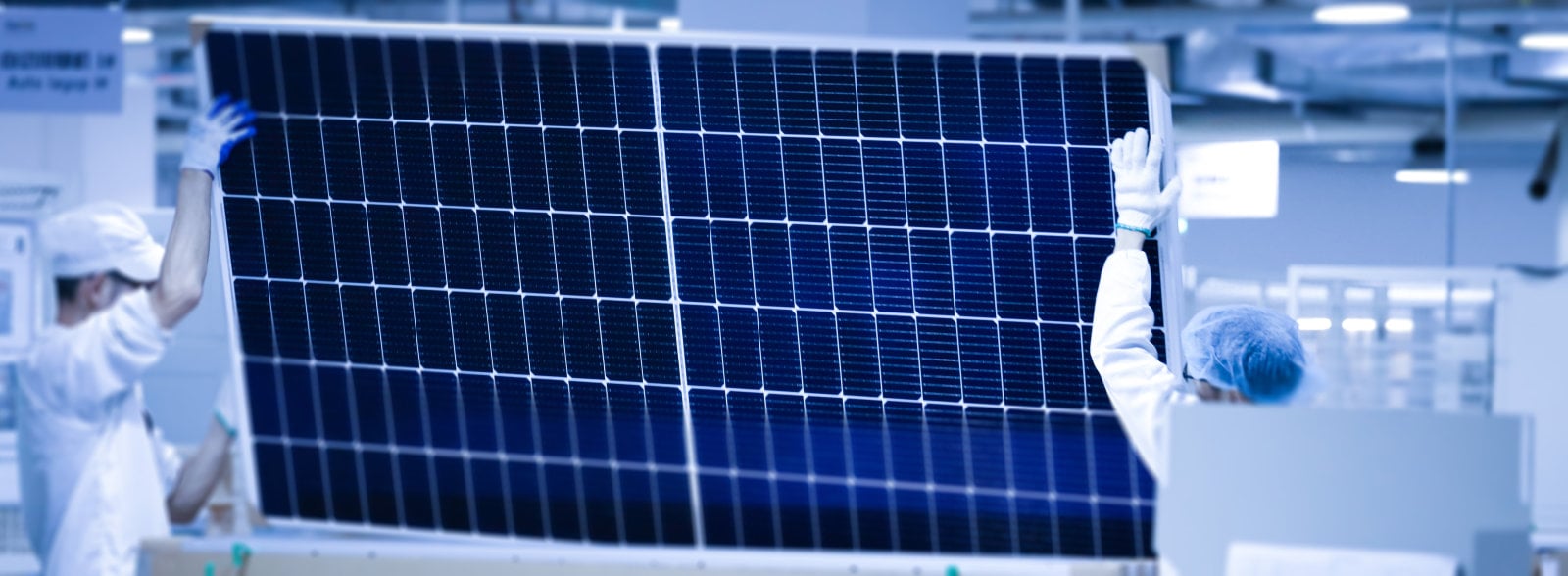
Understanding whether transparent solar panel technology can fully replace traditional glass requires examining multiple dimensions including energy generation efficiency, structural performance, cost implications, aesthetic quality, and long-term durability. Each solar panel designed with BIPV principles must balance light transmission with power output, a fundamental trade-off that determines whether this solution truly serves as a complete glass replacement or functions as a specialized architectural element suited to specific applications rather than universal deployment.
Performance and Light Transmission Trade-offs
Energy Generation Versus Transparency
The core engineering challenge with BIPV transparent solar panel technology involves the inherent conflict between maximum light transmission and optimal energy generation. Traditional silicon solar panel installations operate at peak efficiency when they absorb the broadest possible light spectrum, typically achieving 18-22% conversion efficiency in commercial applications. A solar panel engineered for transparency must deliberately allow significant visible light to pass through, which directly reduces the photons available for electricity generation. Most transparent solar panel designs sacrifice conversion efficiency, operating at 5-12% depending on the specific glass treatment, coating technology, and semiconductor material selection used in manufacturing.
Practical Light Quality in Built Environments
When developers integrate a solar panel into building facades, windows, or skylights, the transparency level directly affects interior light quality and occupant comfort. A transparent solar panel maintaining 60-80% visible light transmission can substitute for traditional glazing in many applications, whereas fully opaque solar panel installations cannot. The remaining light filtering through a solar panel creates subtle color shifts and reduced brightness compared to clear glass, an effect that varies depending on whether the solar panel uses crystalline silicon technology, organic photovoltaic coatings, or perovskite-based semiconductors. Building occupants in spaces featuring a transparent solar panel frequently report acceptable ambient lighting without supplementary artificial illumination during daylight hours, though specific applications like laboratory environments requiring precise color rendering may require conventional glass elsewhere.
Structural and Installation Considerations
Building Code Compliance and Glass Standards
Traditional building glass meets established safety standards, impact resistance requirements, thermal performance specifications, and fireproofing classifications documented in international building codes. A solar panel designed for structural glazing applications must simultaneously meet these same requirements while performing electrical generation duties. Modern BIPV transparent solar panel products achieve tempered glass safety ratings, maintain thermal insulation values comparable to low-emissivity glass, and satisfy impact resistance standards required for building facades. However, the multifunctional nature of a solar panel introduces additional complexity during installation because electrical integration, grounding systems, and wiring concealment require specialized knowledge beyond traditional glazing work.
Durability and Maintenance Requirements
Standard building glass requires minimal maintenance beyond periodic cleaning and remains functionally unchanged across decades. A transparent solar panel must preserve both its optical clarity and electrical generation capacity throughout its service life, typically specified at 25-30 years. Environmental factors including UV exposure, thermal cycling, moisture ingress, and particulate accumulation affect performance of a solar panel differently than conventional glass. Transparent solar panel installations in coastal environments face accelerated degradation from salt spray, while urban locations experience soiling that reduces light transmission through a solar panel by 15-25% annually without maintenance protocols. Long-term case studies indicate that a solar panel engineered with proper encapsulation, edge sealing, and junction box design maintains structural integrity comparable to traditional glazing, though cleaning schedules require more frequent attention than standard glass maintenance.
Economic and Design Integration Factors
Cost Comparison and Financial Justification
Capital investment represents a critical distinction between transparent solar panel installations and conventional glazing systems. Traditional building glass costs €20-50 per square meter depending on thickness, coating treatments, and safety ratings, while a solar panel with transparent BIPV technology costs €300-500 per square meter including installation labor and electrical integration. The higher initial cost of a solar panel becomes economically justified when buildings generate sufficient annual electricity to offset installation expenses within 8-12 year timeframes through utility bill reduction. Commercial applications with high electricity consumption and favorable solar exposure demonstrate faster financial returns, whereas residential installations and buildings in regions with limited solar irradiance may require 15-20 years for payback through energy generation alone.
Architectural Aesthetics and Design Freedom
Modern architecture increasingly demands building elements that serve dual functions without appearing as mechanical afterthoughts. A transparent solar panel satisfies this requirement by integrating seamlessly into facades, skylights, and window systems while maintaining design continuity. Architects can specify a solar panel with varying transparency levels across different facade zones, creating visual patterns while optimizing energy generation in high-solar-exposure areas. The aesthetic acceptance of transparent solar panel technology has improved substantially as manufacturing produces increasingly uniform color rendering and reduced visible grid patterns. Buildings featuring BIPV transparent solar panel installations demonstrate stronger marketability in regions prioritizing sustainability credentials, though some occupants still prefer traditional glass with discrete roof-mounted solar arrays to maintain conventional window appearance.
Application Scenarios Where Solar Panels Replace Traditional Glass
Vertical Facade Integration
Vertical building facades represent the most promising replacement opportunity for a traditional solar panel and glass combination. South-facing and west-facing facades receive sufficient solar irradiance to generate meaningful electricity through transparent solar panel technology while providing weather protection identical to conventional curtain walls. Commercial office buildings incorporating transparent solar panel systems into their facade design report measurable energy generation during extended daylight hours, particularly in spring and autumn seasons when window area angle relative to the sun creates favorable conditions. The transparency of a solar panel allows interior spaces to maintain visual connection with external environments while generating electricity, an advantage unavailable with opaque roof-mounted solar arrays.
Skylight and Rooflight Applications
Horizontal overhead installations including skylights, greenhouse roofs, and atrium covers represent ideal replacement scenarios where a solar panel can substitute for traditional glass while capturing the highest solar irradiance angles. A transparent solar panel in skylight applications generates significantly higher electricity output than vertical installations because the overhead solar panel orientation maximizes direct beam radiation capture. Building spaces utilizing skylights with integrated solar panel technology reduce daytime lighting electricity consumption by 30-50% depending on solar irradiance and building occupancy patterns. Agricultural structures, particularly greenhouse operations in regions with abundant sunlight, increasingly adopt transparent solar panel solutions that simultaneously provide filtered light suitable for plant growth while generating electricity for irrigation systems, climate control, and processing equipment.
Limitations and Cases Where Traditional Glass Remains Superior
Low-Light Environments and Northern Climates
Geographic location and building orientation fundamentally determine whether a solar panel can economically replace traditional glass. Buildings in high-latitude regions, heavily shaded locations, or northern-facing walls receive insufficient solar irradiance to justify transparent solar panel investment because annual electricity generation barely covers maintenance costs and system degradation. A solar panel in these applications provides minimal financial return while reducing interior brightness compared to standard clear glass. Architects and developers must honestly assess site solar potential before specifying transparent solar panel solutions, recognizing that some building orientations better suit conventional glazing combined with roof-mounted solar arrays located in higher-irradiance zones.
Occupant Comfort and Visual Clarity Requirements
Specialized building functions including medical facilities, research laboratories, museums, and retail environments often require perfect color rendering, unobstructed view clarity, and consistent interior lighting that traditional glass provides. A solar panel reduces visible light transmission by 20-40% depending on technology and design specifications, creating perceptible differences in natural lighting quality that certain occupancy types find unacceptable. Color-sensitive applications including artwork display, jewelry retail, and pharmaceutical manufacturing typically reject transparent solar panel solutions despite renewable energy benefits because visual environment quality directly impacts business operations and customer experience. Building programs emphasizing occupant wellness and biophilic design principles frequently specify traditional glass over solar panel alternatives to maintain maximum daylight access and unobstructed outdoor views.
FAQ
Can transparent solar panels generate sufficient electricity to justify replacing conventional glass in most buildings?
Transparent solar panel electricity generation sufficiently justifies glass replacement in commercial buildings with substantial energy consumption located in regions receiving high annual solar irradiance, particularly when buildings feature south or west-facing facades. Residential installations and buildings in low-solar-potential regions typically require 15-20 year payback periods, making the financial case weaker unless government incentives or premium sustainability positioning influences investment decisions. The solar panel cost premium over traditional glass ranges from €250-450 per square meter, creating a significant capital barrier that requires strong energy-generation potential to overcome financially.
Do transparent solar panels meet the same building code safety and performance standards as traditional glass?
Modern transparent solar panel products certified by international standards bodies meet safety requirements, impact resistance ratings, thermal performance specifications, and fireproofing classifications equivalent to advanced building glass systems. A solar panel manufactured to recognized standards includes tempered glass construction, proper edge sealing, electrical grounding systems, and junction box design ensuring building code compliance. However, installation of a solar panel requires specialized electrical integration knowledge beyond traditional glazing expertise, and some building jurisdictions maintain less mature code specifications for solar panel technology compared to conventional glass.
What architectural applications benefit most from replacing traditional glass with transparent solar panels?
Transparent solar panel applications benefiting most from glass replacement include overhead skylights and rooflight systems capturing maximum solar irradiance, south and west-facing commercial facade installations with high electricity demand, and agricultural greenhouse structures requiring both light transmission and renewable energy generation. Horizontal solar panel orientations generate 40-50% more annual electricity than vertical installations, making roof-level skylights the highest-efficiency transparent solar panel application. Buildings with substantial daytime occupancy and locations receiving reliable solar irradiance demonstrate fastest financial returns and strongest justification for replacing traditional glass with solar panel technology.
Table of Contents
- Performance and Light Transmission Trade-offs
- Structural and Installation Considerations
- Economic and Design Integration Factors
- Application Scenarios Where Solar Panels Replace Traditional Glass
- Limitations and Cases Where Traditional Glass Remains Superior
-
FAQ
- Can transparent solar panels generate sufficient electricity to justify replacing conventional glass in most buildings?
- Do transparent solar panels meet the same building code safety and performance standards as traditional glass?
- What architectural applications benefit most from replacing traditional glass with transparent solar panels?
