Mono and Polycrystalline Solar Panels: Complete Guide to Efficient Solar Energy Solutions

Get a Free Quote

Our representative will contact you soon.
Email
Name
Company Name
Message
0/1000

mono and polycrystalline solar panels

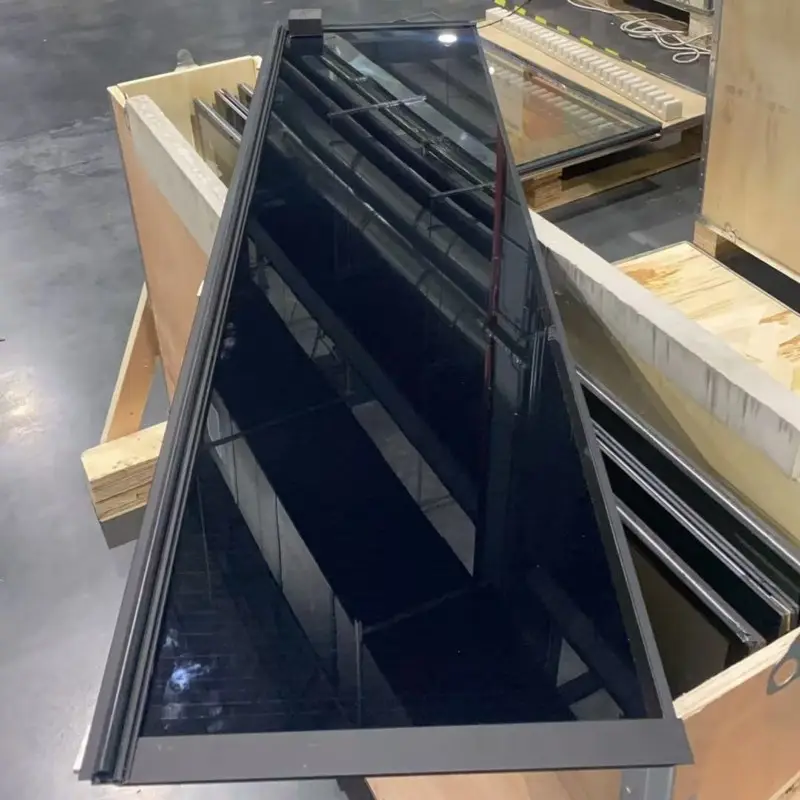
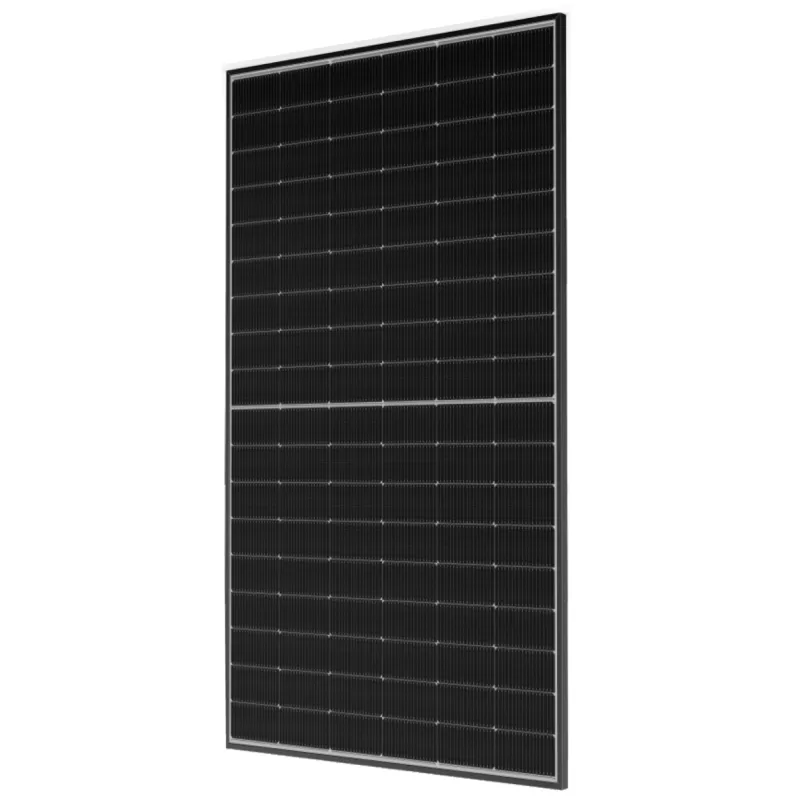
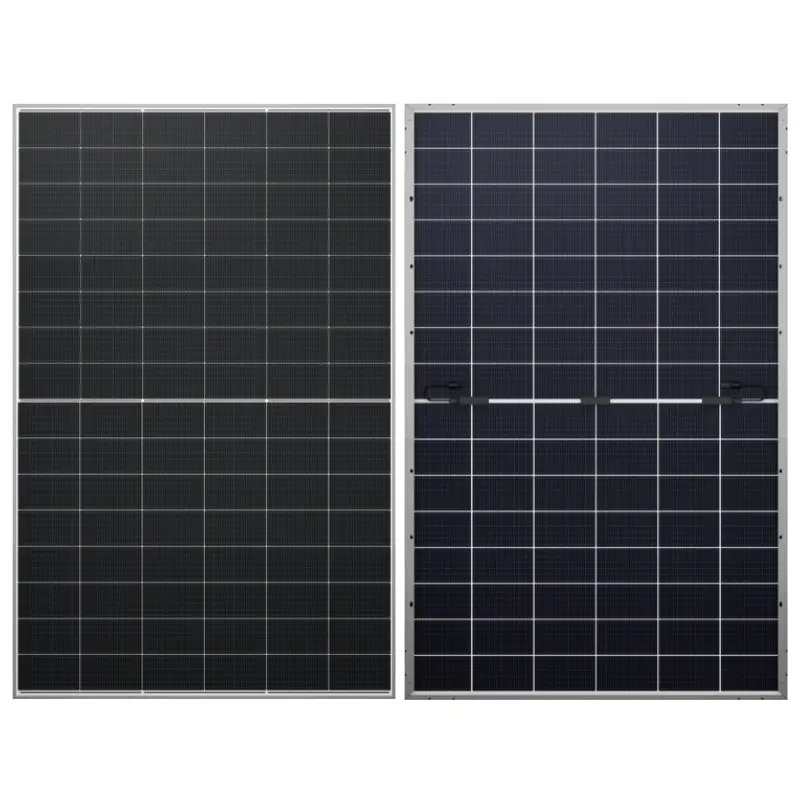
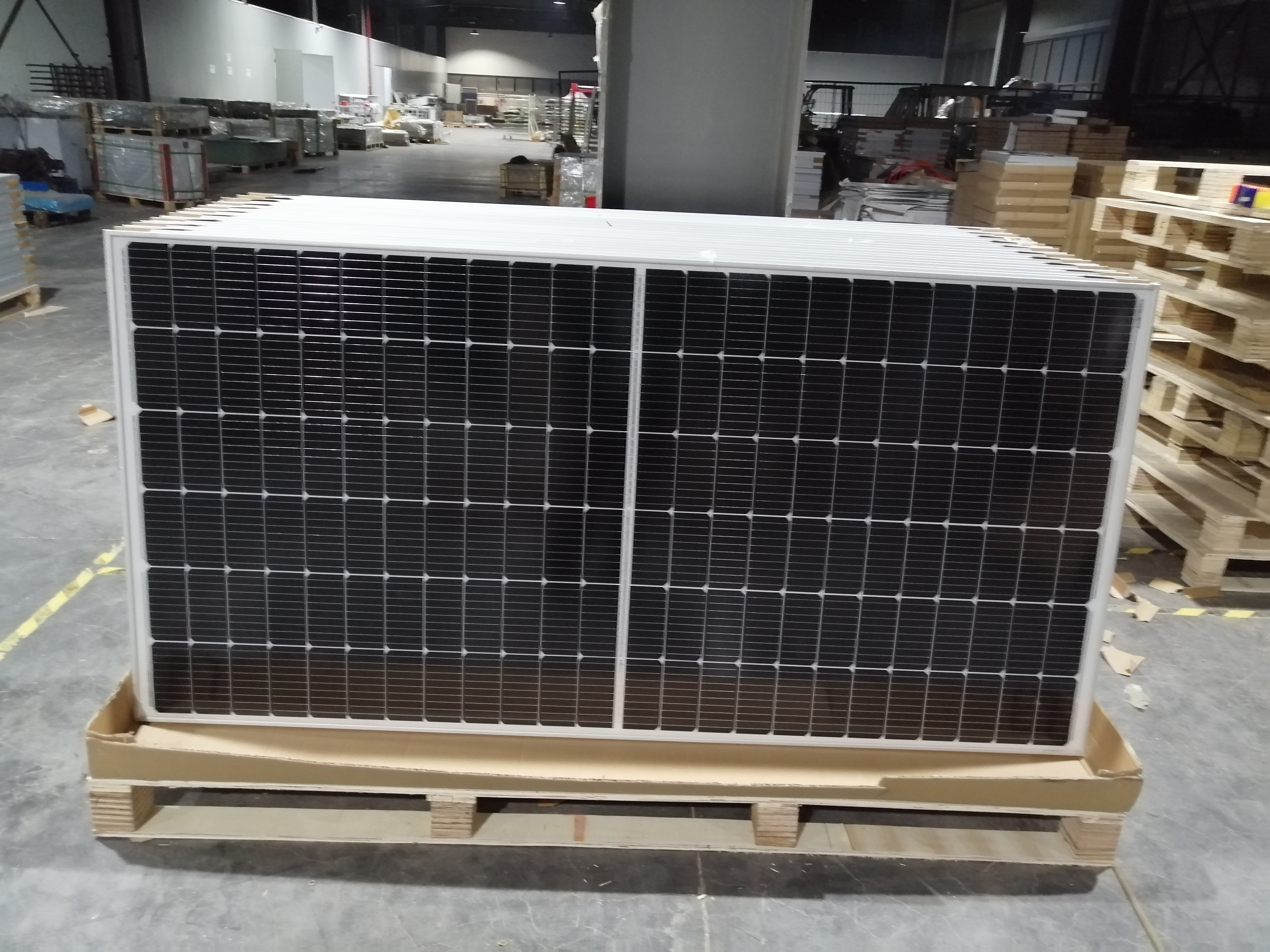
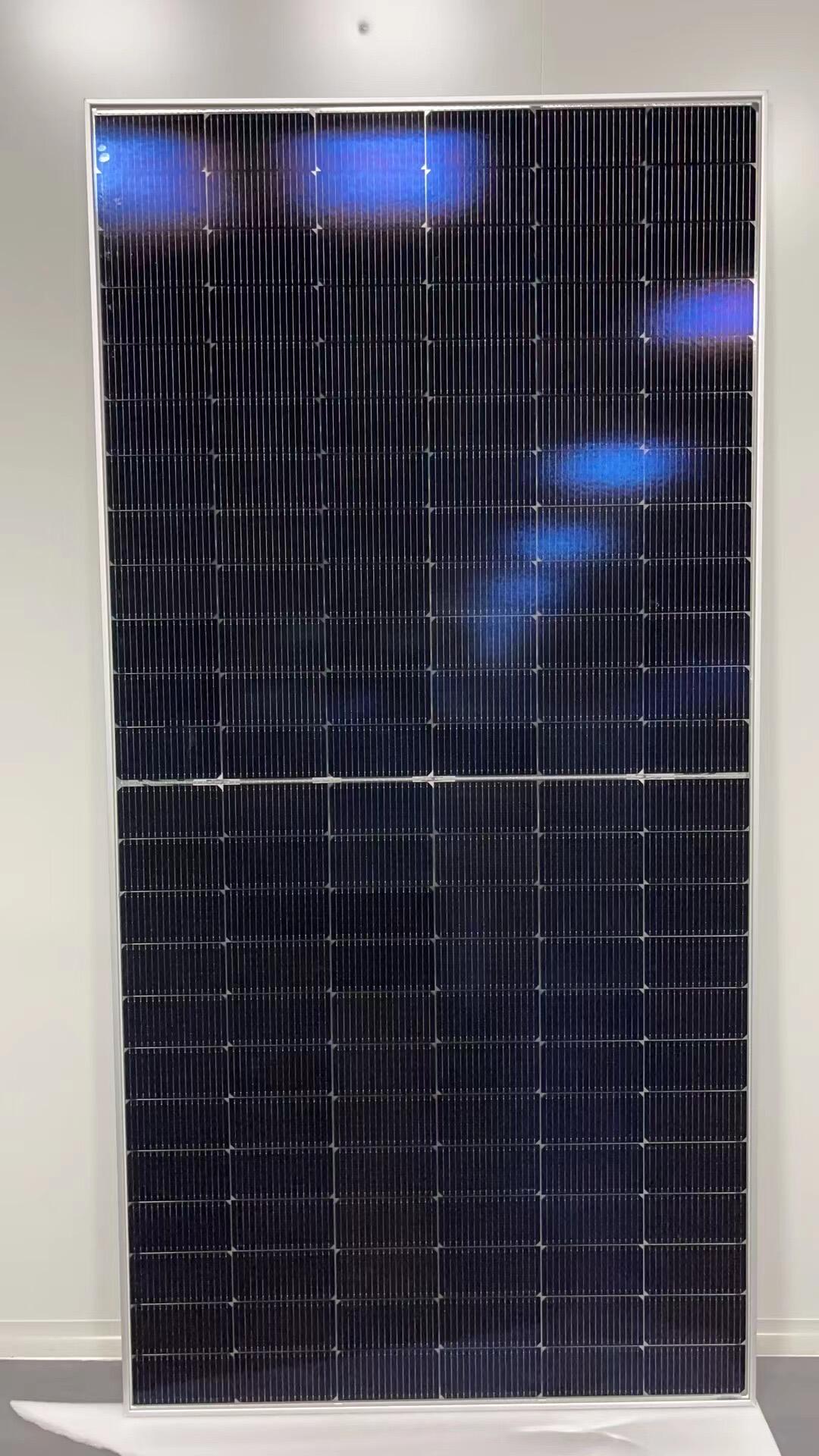
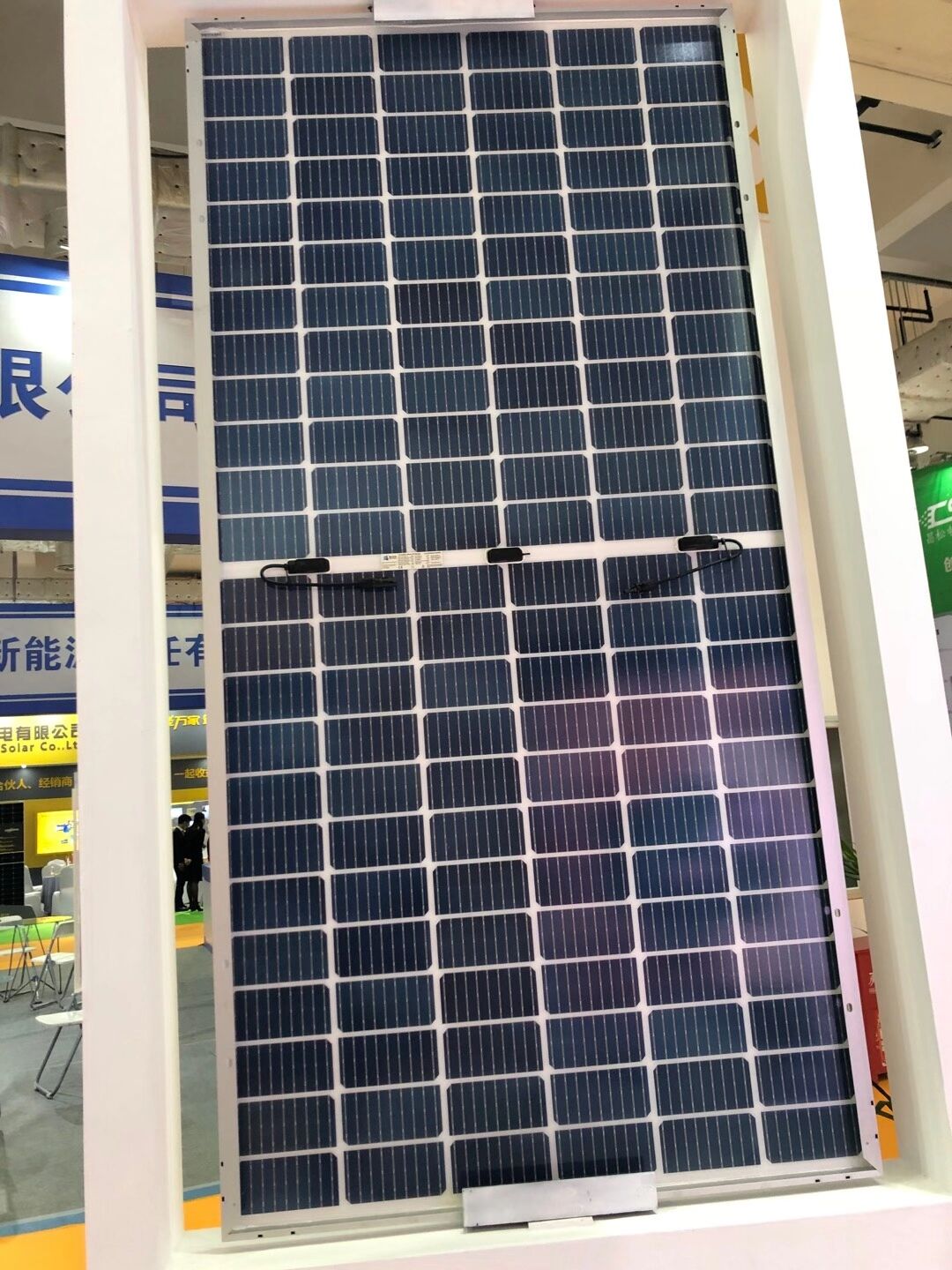
Mono and polycrystalline solar panels represent two distinct photovoltaic technologies that harness solar energy to generate electricity for residential, commercial, and industrial applications. These solar panel systems convert sunlight into usable electrical power through sophisticated semiconductor processes, making them essential components in sustainable energy solutions. Monocrystalline solar panels utilize single-crystal silicon structures, where silicon atoms are arranged in a uniform, ordered pattern throughout the entire cell. This manufacturing process involves growing silicon crystals in controlled laboratory conditions, resulting in highly efficient energy conversion capabilities. The distinctive black appearance of mono and polycrystalline solar panels in the monocrystalline category stems from their pure silicon composition and precise crystal structure. Polycrystalline solar panels, conversely, employ multiple silicon crystal fragments that are melted together during production. This manufacturing approach creates a mosaic-like blue appearance with visible grain boundaries between different crystal sections. The technological features of mono and polycrystalline solar panels include advanced anti-reflective coatings, tempered glass protection, and aluminum frames designed to withstand various weather conditions. Both panel types incorporate bypass diodes to minimize power loss during partial shading scenarios. The main functions of mono and polycrystalline solar panels encompass converting photons into electrons, generating direct current electricity, and integrating with inverter systems to produce alternating current power suitable for grid connection or battery storage. Applications span across rooftop installations, solar farms, off-grid power systems, and portable energy solutions. Modern mono and polycrystalline solar panels feature improved temperature coefficients, enhanced durability ratings, and extended warranty periods that ensure reliable performance over decades of operation.


Popular Products

The advantages of mono and polycrystalline solar panels extend far beyond simple electricity generation, offering substantial benefits that make them attractive investments for property owners and businesses seeking sustainable energy solutions. Monocrystalline panels deliver superior efficiency ratings, typically ranging from eighteen to twenty-two percent, which means they convert more sunlight into electricity compared to other solar technologies. This higher efficiency translates directly into greater power output per square foot of installation space, making mono and polycrystalline solar panels ideal for properties with limited roof area or space constraints. Property owners benefit from reduced installation costs per watt of capacity because fewer panels are needed to achieve desired energy production goals. The space efficiency of monocrystalline technology proves particularly valuable in urban environments where rooftop real estate commands premium pricing. Polycrystalline solar panels provide excellent value proposition through their cost-effective manufacturing process, resulting in lower upfront investment requirements while still delivering reliable energy production. These panels offer efficiency rates between fifteen to eighteen percent, providing substantial electricity generation at budget-friendly price points that make solar adoption accessible to broader consumer segments. Both mono and polycrystalline solar panels demonstrate exceptional longevity, with manufacturers typically providing twenty-five year performance warranties that guarantee minimal degradation over time. This durability ensures consistent energy savings for decades, creating predictable financial returns that often exceed initial investment costs within six to ten years. The environmental advantages of mono and polycrystalline solar panels include zero operational emissions, reduced dependence on fossil fuel energy sources, and significant carbon footprint reductions that contribute to climate change mitigation efforts. Property owners experience immediate benefits through reduced monthly electricity bills, protection against utility rate increases, and potential revenue generation through net metering programs that compensate for excess energy production. Installation flexibility allows mono and polycrystalline solar panels to accommodate various mounting systems, roof angles, and architectural configurations without compromising aesthetic appeal or structural integrity.

Practical Tips

How to choose a high-performance half cell solar panel forrooftop?

23

Dec

How to choose a high-performance half cell solar panel forrooftop?

Selecting the right solar panel technology for your rooftop installation represents one of the most critical decisions in your renewable energy journey. Among the various solar panel innovations available today, half cell solar panel technology stand...
View More
How to maintain half cell solar panels to prevent local hot spots?

23

Dec

How to maintain half cell solar panels to prevent local hot spots?

Maintaining half cell solar panels properly is crucial for preventing local hot spots that can significantly reduce energy output and potentially damage your solar installation. These advanced photovoltaic modules feature innovative cell splitting te...
View More
Why are our half cell solar panels preferred by global distributors2

23

Dec

Why are our half cell solar panels preferred by global distributors2

The global solar energy market has witnessed unprecedented growth, with distributors increasingly seeking advanced photovoltaic solutions that deliver superior performance and reliability. Among the various technologies available, half cell solar pan...
View More
How to select a half cell solar panel manufacturer for bulk oirders?

23

Dec

How to select a half cell solar panel manufacturer for bulk oirders?

When planning large-scale solar installations, selecting the right half cell solar panel manufacturer becomes a critical decision that can determine the success of your project. With the growing adoption of photovoltaic technology in commercial and i...
View More

Get a Free Quote

Our representative will contact you soon.
Email
Name
Company Name
Message
0/1000

mono and polycrystalline solar panels

Superior Energy Conversion Efficiency

Superior Energy Conversion Efficiency

The energy conversion efficiency of mono and polycrystalline solar panels represents a critical factor that directly impacts long-term energy savings and return on investment for property owners considering solar installations. Monocrystalline solar panels achieve remarkable efficiency levels through their single-crystal silicon structure, which creates unobstructed pathways for electron movement throughout the photovoltaic cell. This uniform crystal lattice minimizes energy losses that occur when electrons encounter grain boundaries or crystal imperfections, resulting in efficiency ratings that consistently exceed twenty percent in premium models. The superior efficiency of monocrystalline mono and polycrystalline solar panels means property owners can generate more electricity from smaller installation areas, maximizing energy production even on compact rooftops or properties with limited solar access. This efficiency advantage becomes particularly valuable in regions with expensive electricity rates or properties seeking to achieve complete energy independence through solar power generation. Polycrystalline panels, while achieving slightly lower efficiency ratings around sixteen to eighteen percent, still provide substantial energy conversion capabilities that deliver significant cost savings over their operational lifetime. The efficiency differential between mono and polycrystalline solar panels reflects their distinct manufacturing processes and crystal structures, but both technologies offer proven track records of reliable energy production across diverse climatic conditions. Modern efficiency improvements in mono and polycrystalline solar panels result from ongoing technological advances including PERC cell technology, multi-busbar designs, and enhanced anti-reflective coatings that capture more available sunlight throughout daily operational cycles. Property owners benefit from these efficiency gains through increased electricity generation during peak sunlight hours and improved performance during marginal weather conditions such as cloudy days or early morning and late afternoon periods when solar irradiance levels are reduced.
Exceptional Durability and Longevity

Exceptional Durability and Longevity

The durability and longevity characteristics of mono and polycrystalline solar panels provide property owners with decades of reliable energy production, making these systems among the most dependable renewable energy investments available in today's market. Manufacturing standards for mono and polycrystalline solar panels incorporate rigorous testing protocols that simulate decades of environmental exposure, including temperature cycling, humidity freeze testing, mechanical load testing, and ultraviolet radiation exposure assessments. These comprehensive testing procedures ensure that panels maintain structural integrity and performance standards throughout their expected operational lifetime of twenty-five to thirty years. The robust construction of mono and polycrystalline solar panels features tempered glass surfaces that resist impact damage from hail, debris, and extreme weather events while maintaining optical clarity for maximum light transmission. Aluminum frames provide corrosion-resistant structural support that withstands thermal expansion and contraction cycles without compromising panel alignment or electrical connections. Advanced encapsulation materials protect photovoltaic cells from moisture infiltration, preventing performance degradation that historically affected earlier solar panel generations. Quality mono and polycrystalline solar panels typically experience minimal performance degradation, losing less than half a percent of their original efficiency annually under normal operating conditions. This minimal degradation rate ensures that panels continue generating substantial electricity output decades after initial installation, providing consistent energy savings that compound over time. Warranty coverage for mono and polycrystalline solar panels typically includes twenty-five year performance guarantees that protect property owners against unexpected equipment failures or significant performance declines. Manufacturing warranties cover defects in materials and workmanship, while performance warranties guarantee minimum electricity generation levels throughout the warranty period. The exceptional durability of these systems reduces maintenance requirements and replacement costs, contributing to their favorable total cost of ownership compared to conventional energy sources or less durable renewable energy alternatives.
Versatile Installation and Application Flexibility

Versatile Installation and Application Flexibility

The installation and application flexibility of mono and polycrystalline solar panels enables property owners to implement customized solar energy solutions that accommodate diverse architectural configurations, aesthetic preferences, and energy requirements across residential, commercial, and industrial settings. Modern mounting systems for mono and polycrystalline solar panels support various installation methods including rooftop mounting, ground-mounted arrays, pole-mounted systems, and building-integrated photovoltaic applications that seamlessly blend with existing architectural elements. This flexibility allows property owners to optimize system placement for maximum solar exposure while maintaining visual appeal and compliance with local building codes and homeowner association requirements. Rooftop installations of mono and polycrystalline solar panels can accommodate different roof materials including asphalt shingles, metal roofing, tile, and membrane surfaces through specialized mounting hardware that ensures weatherproof installation without compromising roof integrity. The lightweight design of modern panels minimizes structural loading requirements, making installations feasible on older buildings or structures with weight limitations that might preclude other renewable energy systems. Ground-mounted mono and polycrystalline solar panels offer advantages for properties with adequate land area, enabling optimal panel orientation and tilt angles that maximize energy production throughout seasonal variations in sun angle and intensity. These installations facilitate easier maintenance access and allow for system expansion as energy needs grow over time. Commercial and industrial applications benefit from the scalability of mono and polycrystalline solar panels, with systems ranging from small business installations generating several kilowatts to utility-scale solar farms producing multiple megawatts of clean electricity. The modular nature of these systems enables phased installation approaches that spread capital costs over time while beginning energy savings immediately upon initial system activation. Portable and off-grid applications demonstrate additional versatility, with mono and polycrystalline solar panels powering remote facilities, recreational vehicles, marine applications, and emergency backup power systems where grid connectivity is unavailable or unreliable.
Inquiry Inquiry Mono and Polycrystalline Solar Panels: Complete Guide to Efficient Solar Energy Solutions Mono and Polycrystalline Solar Panels: Complete Guide to Efficient Solar Energy Solutions Mono and Polycrystalline Solar Panels: Complete Guide to Efficient Solar Energy Solutions

Get a Free Quote

Our representative will contact you soon.
Email
Name
Company Name
Message
0/1000