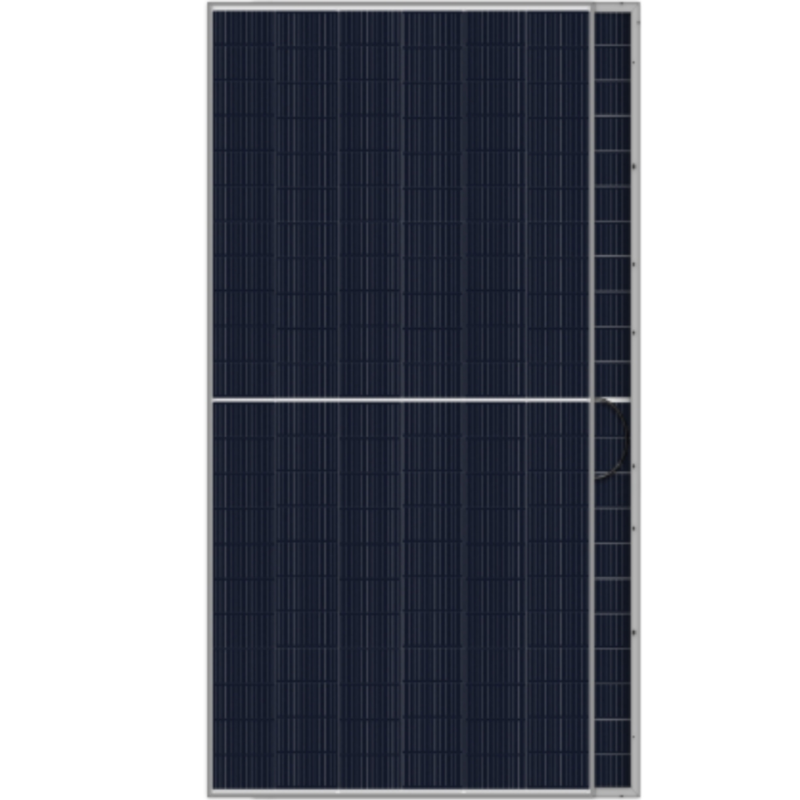
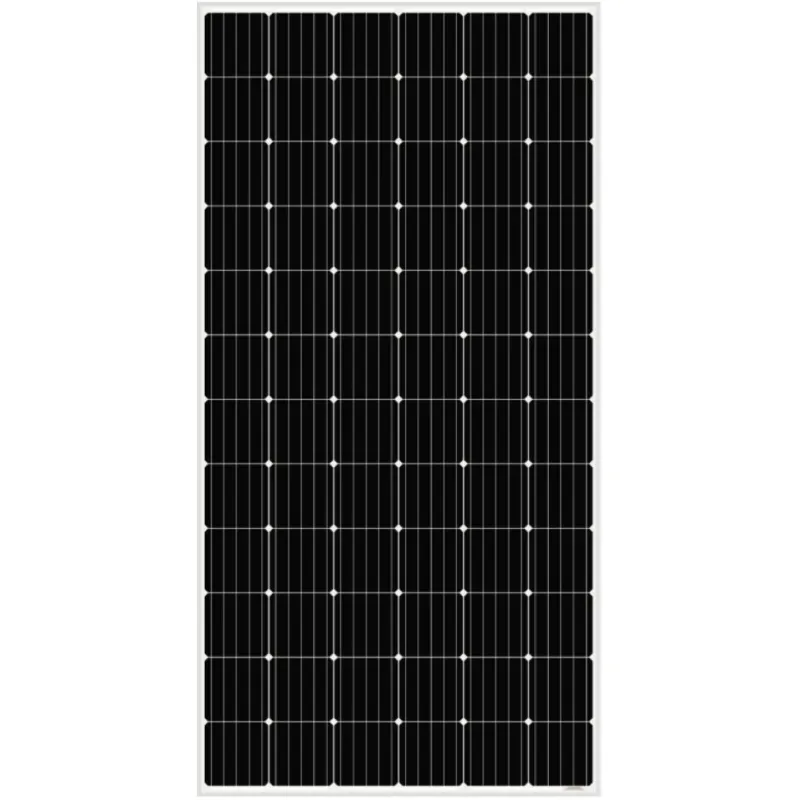
500 watt bifacial solar panels
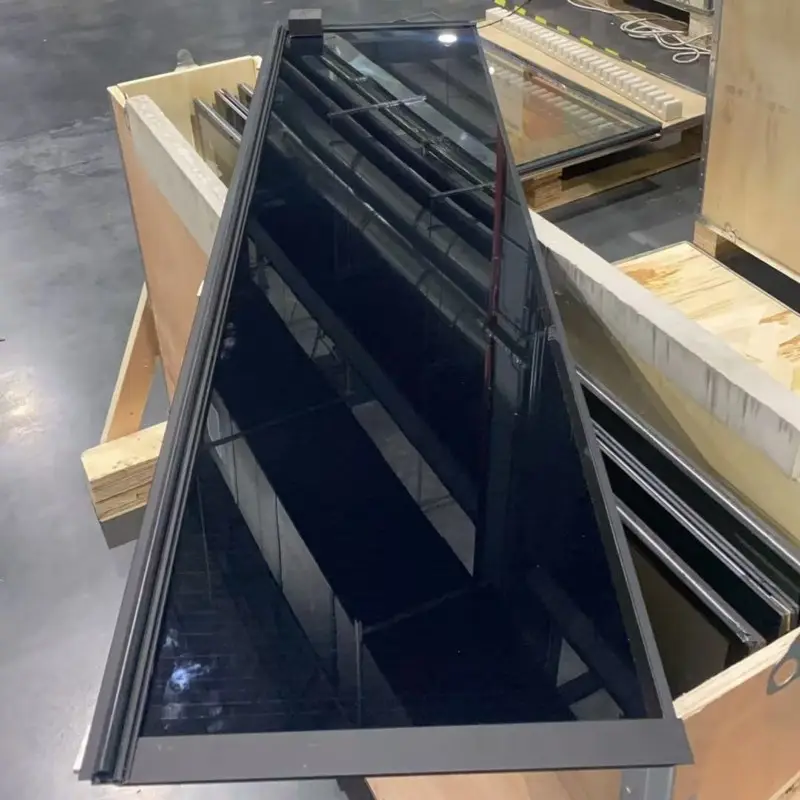
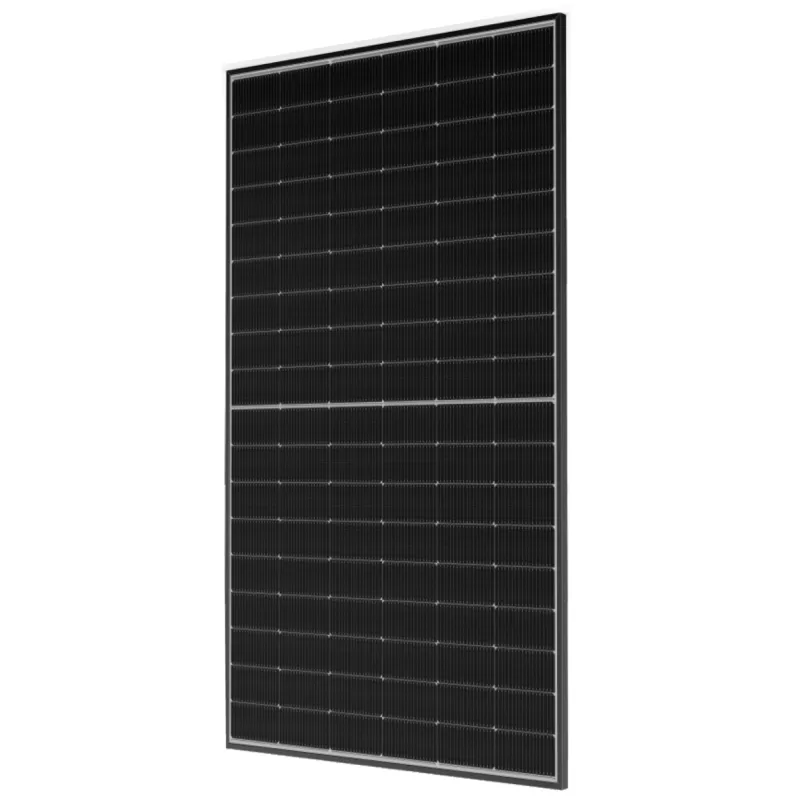
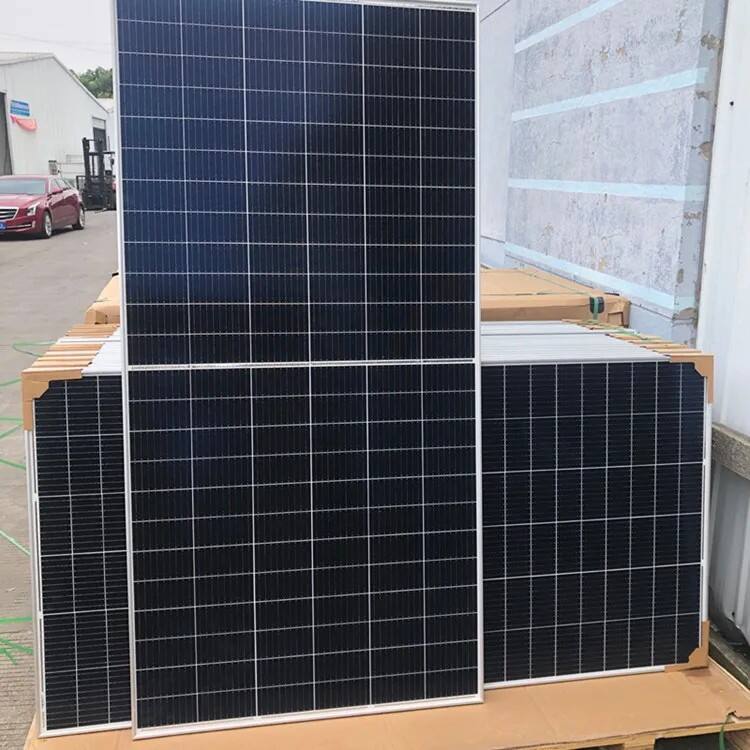
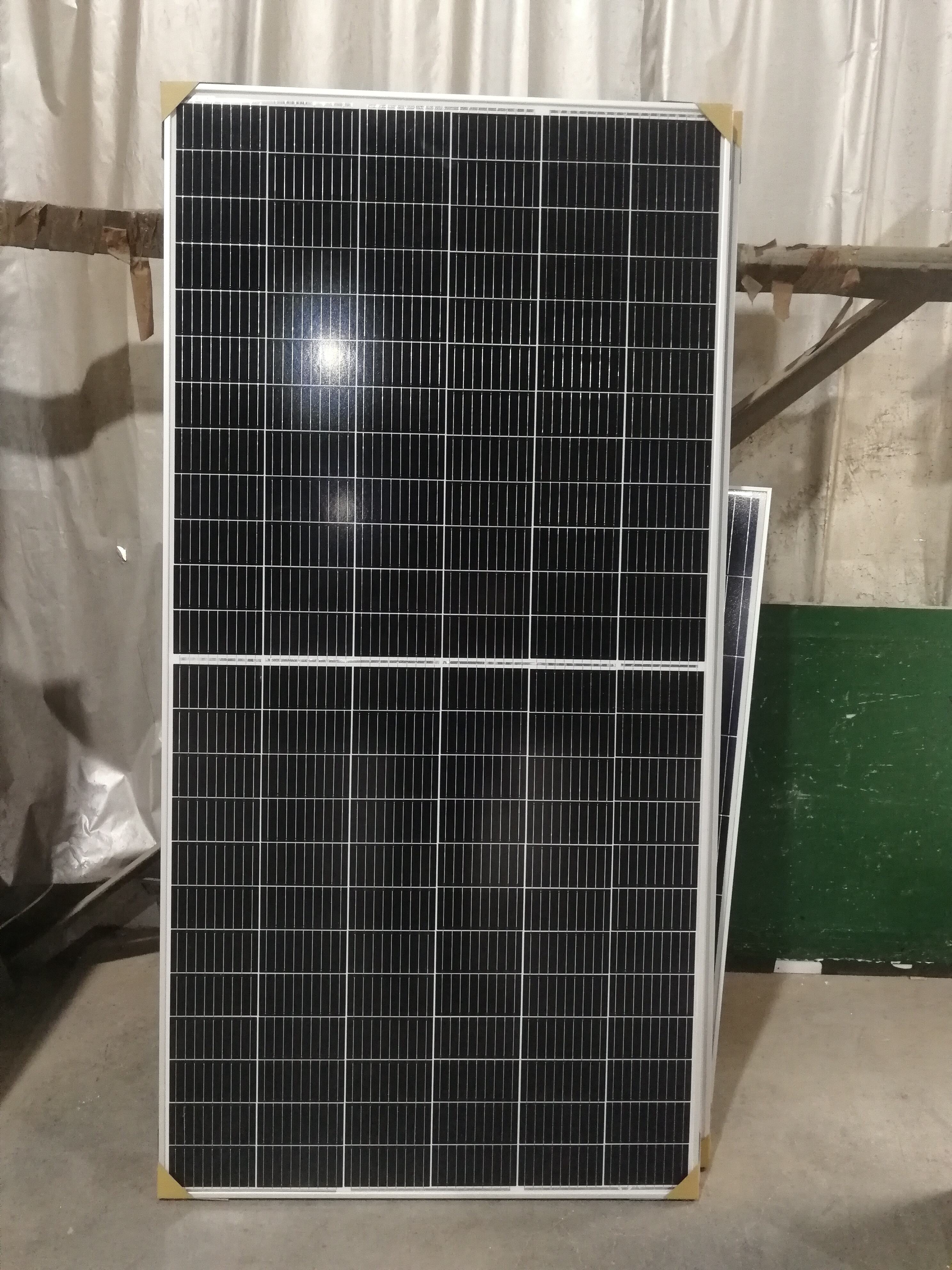
The 500 watt bifacial solar panels represent a revolutionary advancement in photovoltaic technology, designed to maximize energy production through innovative dual-sided light absorption capabilities. These cutting-edge panels feature advanced monocrystalline silicon cells that capture sunlight from both the front and rear surfaces, significantly increasing overall power output compared to traditional monofacial alternatives. The sophisticated design incorporates transparent backsheets or glass-on-glass construction, allowing reflected light from surrounding surfaces to reach the rear cells and generate additional electricity. This dual-sided functionality enables 500 watt bifacial solar panels to achieve remarkable efficiency rates, typically ranging from 20% to 22%, while delivering substantial energy gains in various installation environments. The technological foundation relies on high-quality N-type silicon wafers that demonstrate superior performance characteristics, including enhanced durability, reduced light-induced degradation, and improved temperature coefficients. Advanced anti-reflective coatings optimize light transmission and minimize surface losses, ensuring maximum photon absorption across the entire spectrum. The robust aluminum frames provide structural integrity and facilitate secure mounting on diverse surfaces, while the integrated bypass diodes prevent power losses during partial shading conditions. Applications for 500 watt bifacial solar panels span residential rooftops, commercial installations, utility-scale solar farms, and specialized mounting systems including ground-mounted arrays, carports, and agrivoltaic projects. The versatility of these panels makes them particularly suitable for environments with high albedo surfaces such as snow-covered areas, sandy terrains, or concrete surroundings that reflect substantial amounts of sunlight back toward the rear cells. Installation flexibility allows for both portrait and landscape orientations, accommodating various space constraints and aesthetic preferences while maintaining optimal performance characteristics throughout extended operational lifespans exceeding 25 years.




 EN
EN