
 EN
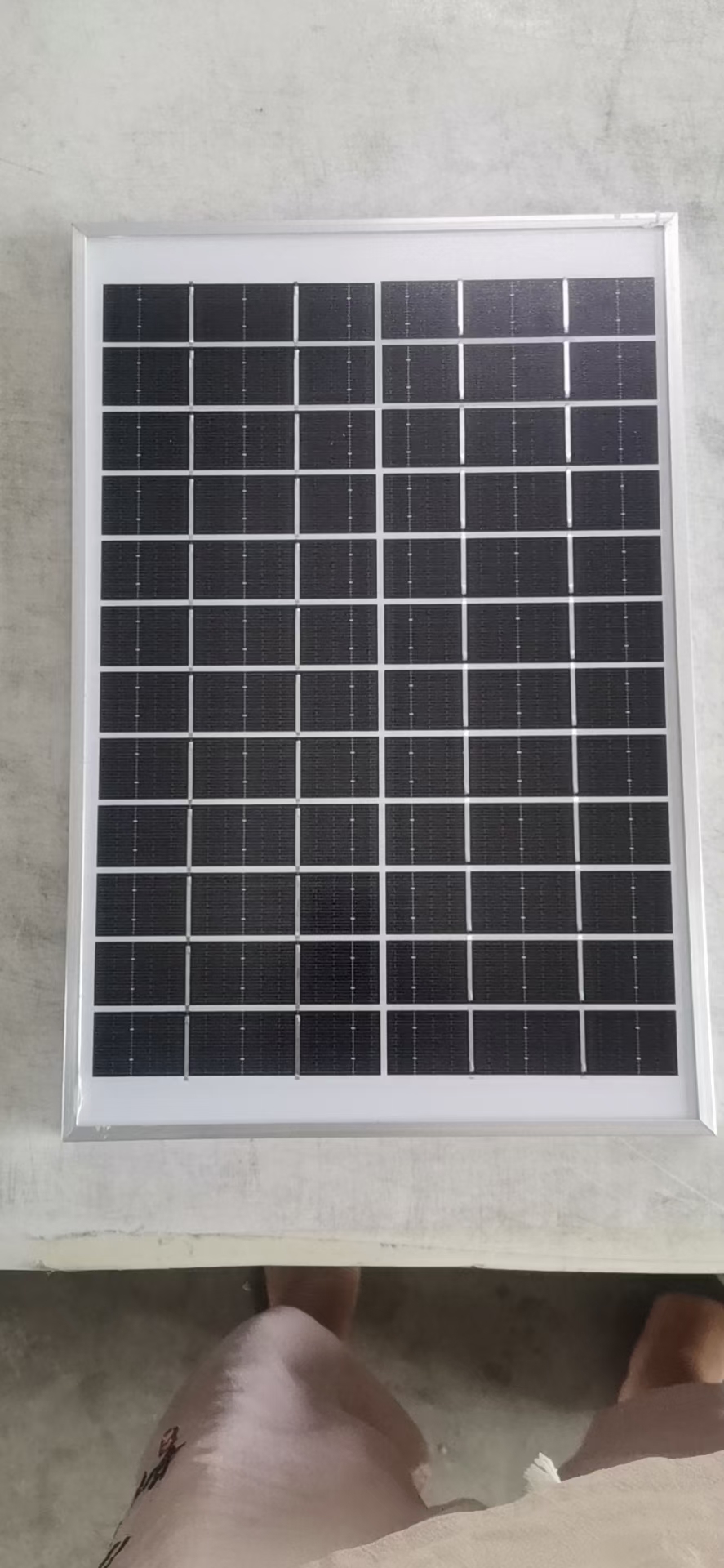
Premium small watt solar panels are engineered to deliver reliable energy output even when exposed to some of the harshest environmental conditions on Earth. From scorching desert heat to freezing alpine temperatures, from coastal salt spray to high-altitude UV radiation, these compact solar panel systems represent a significant advancement in renewable energy technology. A quality solar panel built with premium materials and rigorous testing protocols can maintain operational integrity and performance longevity in environments where lesser-quality alternatives would fail. Understanding how a solar panel achieves this resilience requires examining the engineering principles, material science, and real-world validation that separates premium small watt solar panel solutions from commodity offerings.
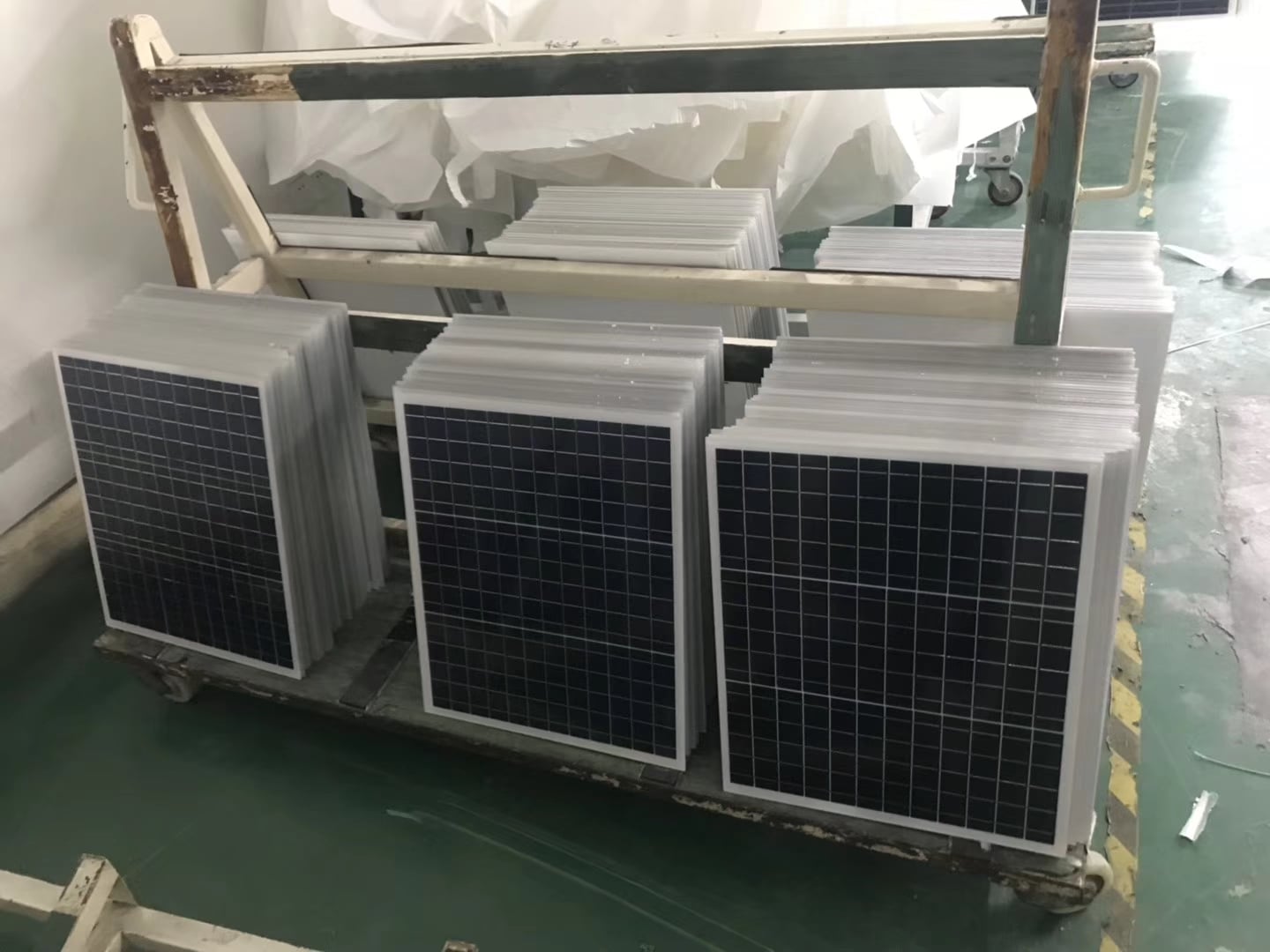
When selecting a solar panel for extreme outdoor deployment, decision-makers face critical questions about material composition, weather resistance ratings, temperature coefficient performance, and long-term reliability warranties. A premium solar panel is not simply larger or more powerful; it incorporates design features, protective layers, and manufacturing standards specifically calibrated for extended exposure to environmental stressors. This article explores how modern premium small watt solar panel technology handles thermal extremes, moisture infiltration, mechanical stress, and UV degradation, ensuring that your investment in renewable energy remains productive across decades and challenging geographies.
Material Science and Protective Construction
Glass and Encapsulation Standards
The front surface of a premium solar panel consists of tempered low-iron glass designed to transmit maximum light while resisting impact, thermal shock, and environmental degradation. This specialized glass is harder than standard window glass and incorporates anti-reflective coatings that maintain light transmissivity even when exposed to years of intense UV radiation and atmospheric dust. A quality solar panel's glass layer is typically 3.2 to 4mm thick, providing structural rigidity and protection against hail, debris impact, and pressure variations common in extreme outdoor conditions. The encapsulation material surrounding individual solar cells, usually ethylene-vinyl acetate (EVA) or polyolefin, creates a hermetic seal that prevents moisture ingress while maintaining flexibility across wide temperature ranges. Premium small watt solar panel manufacturers employ multi-layer encapsulation systems that exceed industry standards, offering superior moisture barrier properties and extended durability in salt-spray, humidity-prone, and freeze-thaw environments.
Backing Material and Frame Construction
Behind the active solar cells lies a backing sheet, typically composed of fluoropolymer or polyester composite, that shields the internal components from moisture, chemical exposure, and rear-side UV radiation. A premium solar panel's backing material is engineered for chemical resistance against agricultural runoff, industrial pollutants, and marine salt aerosol commonly found in challenging outdoor sites. The aluminum frame surrounding the solar panel is treated with corrosion-resistant coatings, often using anodizing or powder-coat processes, to withstand salt spray, humidity, and direct environmental contact. Drainage holes and sealing compounds ensure that any moisture that penetrates the glass perimeter is quickly expelled rather than accumulating inside the panel structure. Premium small watt solar panel frames are thicker and more rigidly constructed than basic models, distributing mechanical loads during installation, wind events, and thermal expansion cycles without developing micro-cracks or seal failures.
Thermal and Weather Performance
Temperature Coefficient and Thermal Cycling
A solar panel's electrical output decreases as temperature rises, a phenomenon quantified by the temperature coefficient, typically ranging from -0.3% to -0.5% per degree Celsius above 25°C standard test conditions. Premium small watt solar panel designs minimize this power loss through advanced cell technology, improved heat dissipation pathways, and material selections that reduce thermal sensitivity. In extreme outdoor conditions, where surface temperatures can reach 70°C on hot days and plummet to -40°C during arctic nights, thermal cycling stress becomes a primary failure mode for inferior solar panel products. Premium solar panel construction incorporates material matching between glass, encapsulation, frame, and backing layers to minimize differential expansion and contraction stresses that cause seal failure, micro-fractures in cells, and electrical degradation. Rigorous thermal cycling testing, often exceeding 200 freeze-thaw cycles in laboratory conditions, validates that a premium solar panel maintains electrical performance and structural integrity through extreme temperature swings encountered in deserts, mountains, and polar regions.
Wind Load and Mechanical Resilience
Extreme outdoor environments frequently generate wind speeds exceeding 100 mph during storms, hurricanes, and mountain passes. A premium solar panel must withstand both the direct pressure loading and the complex stress patterns created by wind flowing across and around installed arrays. Premium small watt solar panel manufacturers conduct wind-tunnel testing and computational fluid dynamics modeling to validate that their products remain mechanically stable and structurally sound under extreme wind loading. The junction box, wiring connections, and internal solder joints on a quality solar panel are reinforced and strain-relieved to prevent vibration-induced fatigue failures during prolonged exposure to gusty conditions. Mounting attachment points on a premium solar panel are engineered to distribute loads evenly across the frame, preventing localized stress concentration that could crack the glass or delaminate internal layers. Third-party certifications from testing bodies like IEC International Electrotechnical Commission confirm that a solar panel has survived standardized wind load testing protocols representative of extreme outdoor exposure.
Environmental Resistance and Durability Validation
Salt Spray and Corrosion Testing
Installations near coastlines, agricultural regions with fertilizer runoff, and industrial areas with air pollution face accelerated corrosion from salt aerosol, chemical oxidants, and particulate contamination. A premium solar panel destined for such challenging environments undergoes salt-spray testing in which samples are exposed to ASTM B117 salt-fog chambers for periods exceeding 1000 hours, far longer than basic industry minimums. This laboratory protocol simulates years of real-world coastal exposure, identifying which materials, coatings, and seal designs successfully resist chloride attack and corrosion. Premium small watt solar panel models in high-corrosion-risk geographies feature additional protective measures such as silicone edge sealants, stainless-steel hardware, and specialized frame coatings that exceed standard aluminum anodizing. Post-testing inspection of corrosion-resistant solar panels reveals minimal visual defects, no electrical performance degradation, and structural integrity maintained across all mounting points and internal connections.
UV Stability and Long-Term Outdoor Aging
Ultraviolet radiation degrades polymer materials, causing embrittlement, yellowing, and loss of structural properties over decades of continuous outdoor exposure. A premium solar panel incorporates UV-stabilized encapsulation compounds, UV-protective backsheet materials, and glass formulations that maintain optical clarity and material strength across 25 to 30-year service lifespans. Accelerated aging testing, commonly performed under IEC 61215 and IEC 61730 standards, exposes prototype solar panel samples to intense UV radiation equivalent to many years of outdoor weathering in compressed timeframes. Premium small watt solar panel manufacturers validate that their products retain at least 80% of initial power output after equivalent environmental stress testing, confirming that material degradation will not significantly compromise performance during extreme outdoor deployment. Field validations from long-term installations in high-UV environments such as equatorial regions and high-altitude locations provide real-world confirmation that a premium solar panel sustains electrical output and structural durability through extended extreme exposure.
FAQ
Can a premium solar panel withstand hail impact in extreme outdoor conditions?
Yes, a premium solar panel is specifically engineered to survive hail strikes that would destroy inferior products. Premium small watt solar panels are tested according to IEC 61215 hail-impact protocols using ice spheres dropped from heights exceeding 40 meters, simulating real-world hail events. The tempered glass face and reinforced frame construction absorb impact energy without cracking or developing electrical faults, protecting the internal cell structure and encapsulation materials. Installations in hail-prone regions should verify that their specific solar panel model has passed these rigorous impact-resistance tests before deployment.
What temperature range can premium small watt solar panels safely operate within?
Premium small watt solar panel systems are typically rated for continuous operation between -40°C and +85°C, with peak temperature coefficients optimized for real-world outdoor conditions. A quality solar panel maintains stable electrical output and mechanical integrity across this entire temperature spectrum without requiring additional cooling, ventilation, or thermal management systems. Some specialized premium solar panel designs for extreme alpine and arctic applications incorporate even lower temperature ratings, ensuring reliable performance in environments approaching -60°C. Always verify the specific temperature specifications for your solar panel model and ensure that mounting hardware and electrical connections are also rated for the intended deployment temperature range.
How long does a premium solar panel typically retain its performance in extreme outdoor environments?
A premium solar panel is designed to maintain at least 80% of its original power output after 25 years of continuous outdoor exposure, and many quality products retain 85% or higher performance over this timeframe. Industry standards, validated through long-term field studies and accelerated aging protocols, confirm that a well-manufactured solar panel will not experience catastrophic performance loss even when deployed in challenging environments with extreme temperature variations, high UV intensity, salt spray exposure, or mechanical stress. Premium small watt solar panel warranties typically extend 25 to 30 years, reflecting manufacturer confidence in durability and long-term reliability under extreme outdoor conditions.
