
 EN
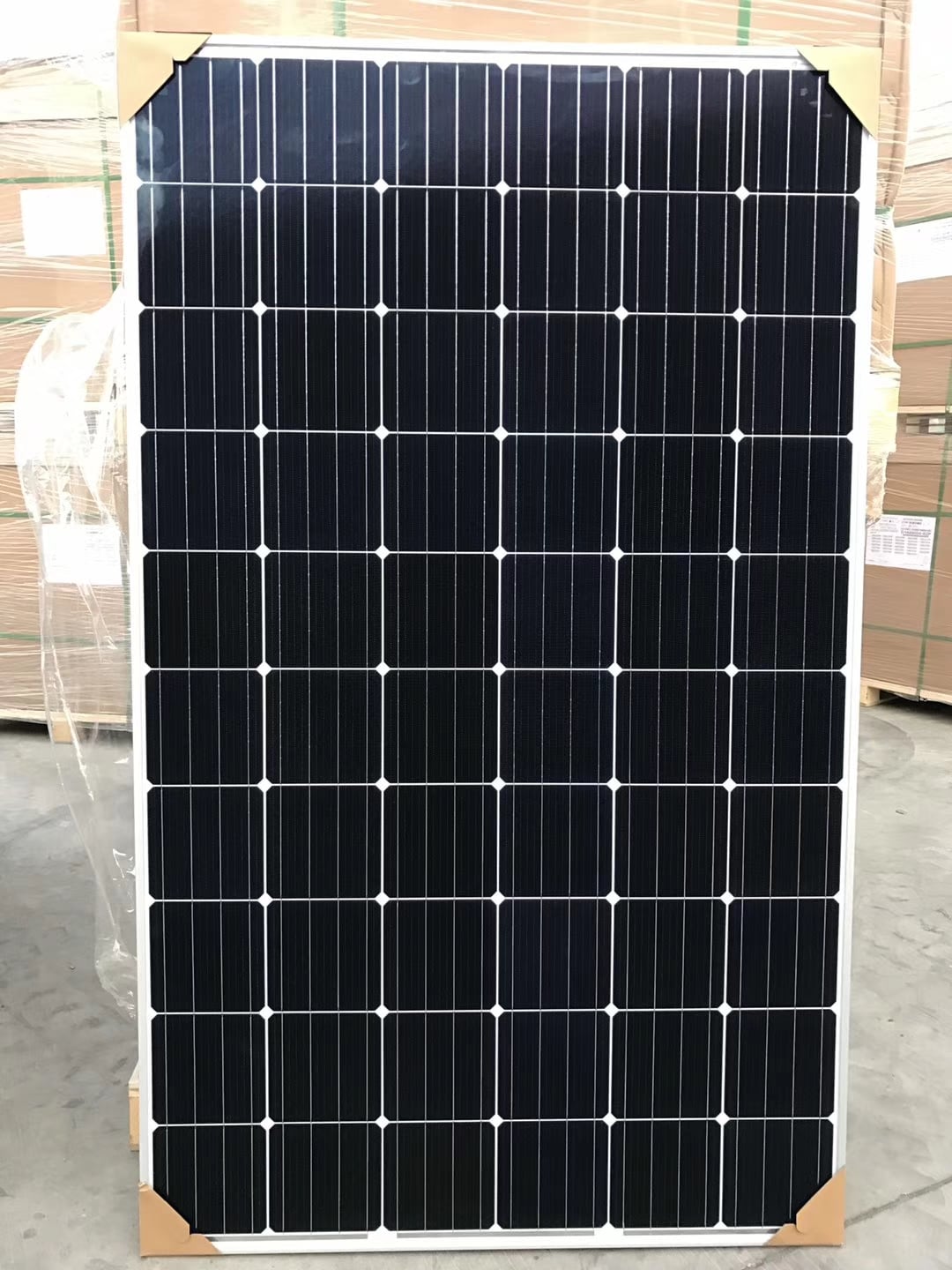
Off-grid sensors represent a critical infrastructure component across industries—from environmental monitoring to remote infrastructure management. These devices must operate independently without grid connectivity, making power supply a fundamental challenge. A small watt solar panel addresses this challenge by providing clean, sustainable energy that keeps sensors running continuously in remote locations. Understanding how a small watt solar panel improves the operational life of off-grid sensors reveals insights into energy efficiency, cost reduction, and long-term deployment sustainability.
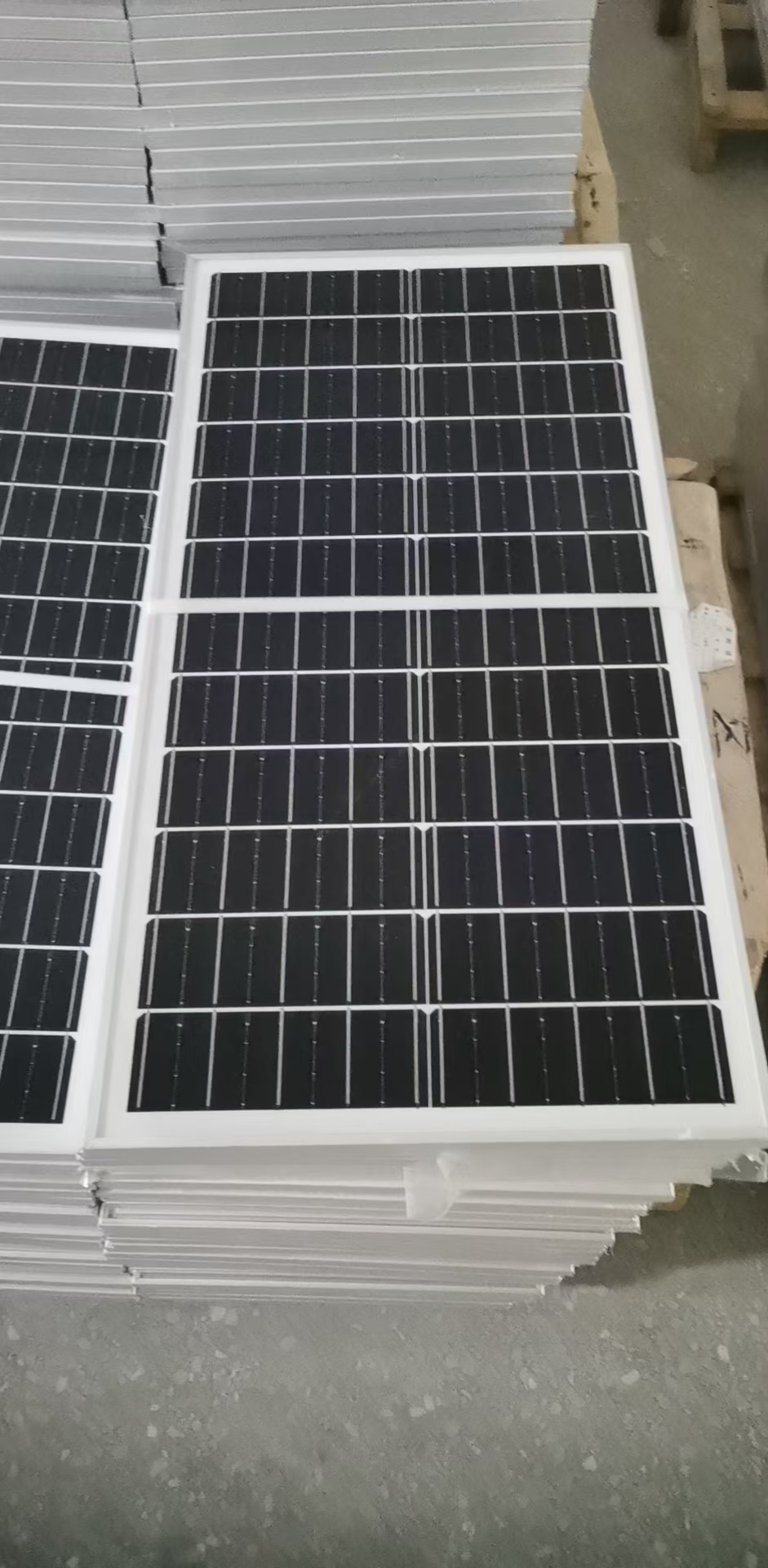
The integration of a small watt solar panel transforms off-grid sensor deployment from a maintenance burden into a self-sustaining operation. Unlike battery-only systems that require regular replacement cycles, a small watt solar panel generates electricity continuously during daylight hours, extending sensor lifespan significantly. This renewable power source eliminates dependency on battery reserves alone, reducing total cost of ownership while improving system reliability in remote and inaccessible locations.
How a Small Watt Solar Panel Powers Off-Grid Sensors
Continuous Energy Generation and Sensor Operation
A small watt solar panel operates through photovoltaic conversion, transforming sunlight directly into electrical current without moving parts or fuel requirements. For off-grid sensors, this mechanism means power generation aligns with daylight availability, charging onboard batteries during daylight and enabling sensor measurements continuously. A small watt solar panel typically ranges from 5 to 50 watts, providing adequate power for data collection devices, wireless transmitters, and monitoring equipment. The solar panel's output directly extends how long off-grid sensors can function between maintenance intervals, reducing deployment complexity.
Off-grid sensors depend on stored energy reserves to transmit data during nighttime or cloudy conditions. When a small watt solar panel is integrated into the sensor system, battery depletion slows dramatically because the panel replenishes charge daily. This continuous recharging cycle means off-grid sensors maintain operational readiness without requiring technician visits for battery replacement. The small watt solar panel essentially creates a self-regulating power ecosystem where energy generation adapts to seasonal variations and local weather patterns.
Integration with Battery Storage Systems
Most off-grid sensor installations combine a small watt solar panel with battery storage and charge controllers to optimize energy management. The charge controller regulates voltage and current from the small watt solar panel, protecting batteries from overcharge and extending their lifespan. This three-component system—solar panel, controller, and battery—creates a reliable power architecture that sustains sensor operations across extended deployment periods. A small watt solar panel sized appropriately ensures consistent charge flow that maintains battery health while supporting continuous sensor functionality.
The synergy between a small watt solar panel and battery storage determines how effectively off-grid sensors maintain uptime. During high-demand periods when sensors transmit frequently, the small watt solar panel supplements battery discharge, preventing rapid depletion. During low-demand periods, accumulated solar energy charges batteries fully, preparing the system for future power demands. This balanced approach ensures off-grid sensors operate reliably across varying usage patterns and environmental conditions.
Benefits of Solar Panel Integration for Sensor Lifespan
Extended Operational Intervals and Reduced Maintenance
Deploying a small watt solar panel alongside off-grid sensors dramatically extends the intervals between maintenance visits. In battery-only systems, technicians must replace depleted batteries at regular intervals—often quarterly or semi-annually depending on usage. A small watt solar panel eliminates or substantially delays this replacement cycle, as continuous solar charging maintains battery reserves. For remote monitoring installations across difficult terrain or hazardous environments, reducing maintenance frequency translates directly to cost savings and improved safety for field personnel.
The lifespan improvement extends beyond battery replacement economics. A small watt solar panel reduces overall battery cycle stress, since batteries don't deplete completely before recharging begins each day. Lower discharge depths preserve battery chemistry and extend calendar life significantly. Off-grid sensors equipped with a small watt solar panel experience fewer thermal stresses and electrochemical degradation patterns, resulting in batteries lasting 3 to 5 years instead of 1 to 2 years in solar-free deployments.
Cost Reduction and Deployment Efficiency
The financial impact of integrating a small watt solar panel into off-grid sensor systems compounds across multi-year deployments. Initial hardware costs for a small watt solar panel are recovered through reduced battery purchases, lower maintenance labor, and decreased logistics expenses. Organizations managing hundreds or thousands of remote sensors experience substantial operational budget relief when a small watt solar panel eliminates recurring battery procurement and replacement workflows. This economic advantage becomes increasingly significant in geographically dispersed monitoring networks where technician travel time and costs amplify.
Beyond direct cost metrics, a small watt solar panel improves deployment flexibility by enabling longer unattended operation periods. Sensor networks can expand into locations previously considered impractical due to maintenance access limitations. A small watt solar panel makes energy-independent operation feasible in regions with difficult terrain, harsh climates, or limited infrastructure access. This flexibility allows organizations to gather data from critical locations that battery-only sensors couldn't serve economically.
Implementation Considerations for Off-Grid Sensor Deployments
Sizing and Environmental Factors
Selecting the appropriate small watt solar panel capacity requires analyzing sensor power consumption, geographic location, and seasonal sunlight patterns. A small watt solar panel must generate sufficient daily energy to support sensor operations plus battery charging reserves. In high-latitude or cloudy regions, a small watt solar panel requires larger capacity than equivalent systems in sunny climates. Off-grid sensors in temperate zones typically require 10 to 20 watts of solar panel capacity, while harsh environments may need 30 to 50 watts to maintain reliability across all seasons.
Installation orientation significantly impacts how effectively a small watt solar panel performs. Positioning a small watt solar panel to face the sun directly during peak daylight hours—typically south-facing in northern hemisphere locations—maximizes energy capture. Seasonal angle adjustments further optimize a small watt solar panel's output, though fixed installations represent practical compromises balancing maintenance effort against energy generation efficiency. Shading from vegetation, structures, or terrain features must be minimized to ensure a small watt solar panel delivers consistent performance throughout the year.
Controller Selection and System Configuration
Pairing a small watt solar panel with appropriate charge control technology prevents battery damage and optimizes energy transfer efficiency. Maximum Power Point Tracking (MPPT) controllers extract more energy from a small watt solar panel than simple Pulse Width Modulation (PWM) controllers, particularly valuable for off-grid sensors operating in variable weather. For systems combining a small watt solar panel with modest power requirements, PWM controllers offer cost-effective solutions, while MPPT controllers justify their higher cost in demanding applications requiring maximum energy harvest.
A small watt solar panel system requires matching component specifications across voltage and current ratings. Undersizing any component—controller, battery, or wiring—creates bottlenecks that prevent a small watt solar panel from delivering full performance potential. Properly configured systems ensure a small watt solar panel charges batteries efficiently while protecting equipment from voltage spikes and environmental stresses. Quality installation prevents performance degradation and extends the operational lifespan of all system components.
FAQ
Can a small watt solar panel power off-grid sensors year-round?
Yes, a small watt solar panel can sustain off-grid sensors continuously throughout the year when properly sized for local climate conditions and sensor power requirements. Winter months produce less solar energy due to lower sun angles and shorter daylight hours, requiring larger panel capacity or additional battery storage in northern regions. A small watt solar panel system designed for seasonal variations—accounting for your location's minimum solar irradiance months—provides reliable year-round operation for off-grid sensors.
How long does a small watt solar panel typically last in off-grid sensor installations?
A small watt solar panel typically maintains 80 to 85 percent of its original output capacity after 25 years of continuous operation, with most degradation occurring in the first 2 to 3 years. Quality monocrystalline and polycrystalline panels demonstrate excellent longevity, often outlasting batteries and other system components in off-grid sensor deployments. Proper installation, ventilation, and protection from extreme weather maximize a small watt solar panel's lifespan, making it a reliable long-term investment for remote monitoring infrastructure.
What size small watt solar panel do I need for typical off-grid sensors?
A typical off-grid sensor application requires 10 to 20 watts of solar panel capacity combined with appropriate battery storage and charge control. Exact sizing depends on sensor power consumption, measurement frequency, wireless transmission requirements, and your geographic location's solar resource. Environmental monitoring sensors usually require smaller capacity than agricultural or industrial sensors with more frequent data transmission. Consulting with a solar system designer or using online calculators based on your specific sensor specifications ensures accurate sizing that balances cost against reliability needs.
