
 EN
EN
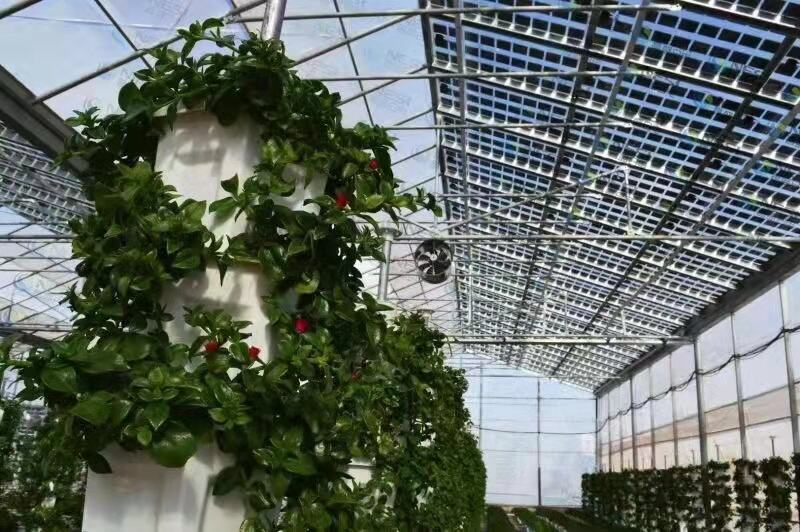
Industrial facilities operating in extreme climates face unique challenges when selecting renewable energy solutions that can withstand harsh environmental conditions year after year. The demand for durable solar panels has intensified as more manufacturing plants, mining operations, and heavy industry facilities seek sustainable energy sources that maintain peak performance despite exposure to temperature extremes, high winds, corrosive atmospheres, and mechanical stress. Understanding the characteristics that define truly durable solar panels becomes crucial for industrial decision-makers who cannot afford system failures or frequent maintenance interventions. The investment in premium durable solar panels often pays dividends through reduced operational costs, extended system lifespans, and consistent energy production even under the most challenging conditions.

Environmental Factors That Challenge Solar Panel Durability
Temperature Cycling and Thermal Stress
Extreme temperature variations create significant thermal stress on solar panel components, causing expansion and contraction cycles that can compromise structural integrity over time. Industrial environments often experience temperature swings that exceed standard residential conditions, with some facilities operating in desert climates where panels may reach surface temperatures exceeding 180°F during peak sunlight hours. The most durable solar panels incorporate advanced materials and manufacturing techniques specifically designed to minimize thermal coefficient degradation and maintain electrical performance across wide temperature ranges. High-quality panels utilize robust encapsulation materials and reinforced frame designs that accommodate thermal movement without developing stress fractures or delamination issues.
Manufacturing facilities near coastlines or in tropical regions face additional challenges from high humidity combined with temperature fluctuations, creating conditions conducive to moisture infiltration and corrosion. Premium durable solar panels feature enhanced sealing systems and moisture-resistant components that prevent water ingress and maintain electrical isolation even under prolonged exposure to humid conditions. The selection of appropriate materials for cell interconnections, junction boxes, and mounting hardware becomes critical for long-term reliability in these challenging environments.
Wind Loading and Mechanical Stress
Industrial installations frequently encounter high wind conditions that subject solar arrays to significant mechanical stress, requiring panels capable of withstanding sustained wind loads without structural failure or performance degradation. The frame design and mounting system integration play crucial roles in distributing wind forces evenly across the panel structure while maintaining electrical connections and preventing micro-crack formation in solar cells. Durable solar panels engineered for industrial applications undergo rigorous mechanical load testing that exceeds standard residential requirements, ensuring reliable operation in hurricane-prone regions or areas with frequent severe weather events.
The mounting system compatibility becomes equally important, as even the most durable solar panels require proper installation and secure attachment points to withstand extreme wind conditions. Advanced panel designs incorporate reinforced mounting points and improved edge sealing to prevent wind-driven moisture infiltration while maintaining structural integrity under dynamic loading conditions. Industrial facilities must consider both positive and negative wind pressure scenarios, ensuring selected panels can handle uplift forces that might occur during severe weather events.
Material Technologies Enhancing Solar Panel Durability
Advanced Glass and Encapsulation Systems
The frontsheet glass selection significantly impacts overall panel durability, with tempered low-iron glass providing superior strength and optical transmission compared to standard glass options. Premium durable solar panels often utilize anti-reflective coatings and textured surfaces that not only improve energy capture but also enhance resistance to environmental degradation and soiling accumulation. Advanced encapsulation materials such as POE (polyolefin elastomer) offer improved UV resistance and thermal stability compared to traditional EVA (ethylene vinyl acetate) encapsulants, extending panel lifespan in extreme climate conditions.
Bifacial panel designs that incorporate glass-on-glass construction eliminate traditional polymer backsheets, reducing potential points of failure and improving overall weather resistance. These configurations provide enhanced durability through symmetrical construction that minimizes thermal stress differentials while offering improved resistance to moisture infiltration and UV degradation. The elimination of organic backsheet materials significantly extends panel lifespan in corrosive industrial environments where chemical exposure might compromise traditional panel constructions.
Cell Technology and Electrical Design
Modern cell technologies contribute significantly to panel durability through improved electrical design and reduced susceptibility to performance degradation from environmental stressors. Half-cell configurations reduce electrical stress on individual cells while improving overall system tolerance to partial shading and hot spot formation that can compromise panel longevity. The implementation of advanced cell interconnection techniques, including multi-busbar designs and ribbon-free connections, enhances mechanical reliability and reduces the risk of electrical failures under thermal cycling conditions.
High-efficiency cell technologies such as PERC (Passivated Emitter and Rear Cell) and TOPCon (Tunnel Oxide Passivated Contact) designs incorporate additional passivation layers that improve both performance and long-term stability. These technologies enhance resistance to potential induced degradation (PID) and light-induced degradation (LID) while maintaining consistent power output over extended operational periods. The most durable solar panels combine advanced cell technologies with robust packaging to deliver superior performance retention throughout their operational lifetime.
Performance Standards and Testing Protocols
International Certification Requirements
Industry-standard testing protocols provide essential benchmarks for evaluating solar panel durability under accelerated aging conditions that simulate decades of environmental exposure. The IEC 61215 standard encompasses thermal cycling, humidity freeze testing, damp heat exposure, and mechanical load testing that validates panel construction quality and long-term reliability expectations. Premium durable solar panels typically exceed minimum certification requirements, undergoing additional testing protocols that simulate extreme industrial operating conditions including extended temperature ranges and enhanced mechanical stress scenarios.
Salt mist testing according to IEC 61701 becomes particularly relevant for industrial installations in coastal environments or locations with high atmospheric salinity from industrial processes. This specialized testing evaluates corrosion resistance of frame materials, electrical connections, and sealing systems under accelerated salt exposure conditions. Manufacturers of high-quality durable solar panels often provide extended warranty coverage that reflects their confidence in superior construction quality and enhanced testing protocols beyond standard industry requirements.
Real-World Performance Validation
Field testing data from installations in extreme climates provides valuable insights into actual panel durability performance compared to laboratory testing results. Long-term monitoring of industrial solar installations reveals degradation patterns and failure modes that inform design improvements and material selection for enhanced durability. The most reliable durable solar panels demonstrate consistent performance retention rates below 0.5% annually even under harsh industrial operating conditions, significantly outperforming panels designed primarily for residential applications.
Performance monitoring systems enable real-time assessment of panel degradation rates and early identification of potential issues before they impact system reliability. Advanced monitoring capabilities track individual panel performance parameters, environmental conditions, and electrical characteristics to provide comprehensive durability assessment data. This information proves invaluable for maintenance planning and warranty claim validation while supporting continuous improvement in panel design and manufacturing processes.
Installation Considerations for Extreme Climates
Mounting System Selection and Design
The mounting system selection plays a critical role in maximizing the durability benefits of premium solar panels, requiring careful consideration of local environmental conditions and expected service life requirements. Structural analysis must account for extreme weather events, seismic activity, and thermal expansion effects that could compromise panel integrity or electrical connections over time. High-quality mounting systems utilize corrosion-resistant materials and proven fastening technologies that maintain secure panel attachment while accommodating thermal movement and wind loading.
Ground-mounted installations in industrial settings require robust foundation designs capable of withstanding soil movement, frost heave, and potential chemical contamination from industrial processes. The integration between mounting systems and durable solar panels must maintain electrical grounding continuity while providing adequate drainage and ventilation to prevent moisture accumulation. Proper installation practices include appropriate spacing between panel rows, secure cable management, and protection of electrical connections from environmental exposure.
Electrical System Integration
Electrical system design considerations become increasingly important in extreme climate installations where temperature variations and environmental stressors can impact component performance and reliability. Inverter selection and placement require careful evaluation of operating temperature ranges, humidity resistance, and maintenance accessibility in challenging industrial environments. String sizing calculations must account for temperature coefficient effects on voltage and current output to prevent electrical stress on system components during extreme weather conditions.
DC combiner boxes and electrical connections require enhanced protection ratings and corrosion-resistant materials when used with durable solar panels in extreme industrial climates. Advanced monitoring systems provide early warning of electrical issues while enabling remote system management and performance optimization. The integration of surge protection devices and arc fault circuit interrupters becomes particularly important in installations exposed to severe weather events and electromagnetic interference from industrial operations.
Maintenance and Lifecycle Management
Preventive Maintenance Strategies
Preventive maintenance programs specifically designed for durable solar panels operating in extreme climates focus on preserving the enhanced reliability features that justify their premium cost. Regular inspection schedules should emphasize early detection of potential issues such as frame corrosion, gasket degradation, or electrical connection deterioration before they impact system performance. Cleaning protocols must consider local environmental conditions, including dust accumulation patterns, chemical contamination sources, and water quality factors that might affect panel surfaces or drainage systems.
Thermal imaging inspections provide valuable insights into electrical performance anomalies and hot spot development that could indicate developing failures in even the most durable solar panels. Professional maintenance teams equipped with specialized tools and training can identify performance degradation trends and recommend corrective actions to maximize system lifespan. Documentation of maintenance activities and performance trends supports warranty claims and provides valuable feedback for future installation planning and component selection decisions.
Performance Monitoring and Optimization
Advanced monitoring systems enable continuous assessment of durable solar panels performance under varying environmental conditions while providing data for predictive maintenance scheduling. Real-time monitoring of key parameters including power output, operating temperature, and electrical characteristics helps identify gradual performance changes that might indicate developing issues. Automated alert systems can notify maintenance personnel of significant performance deviations or system faults requiring immediate attention.
Long-term performance data analysis reveals trends in system degradation rates and identifies components or installation practices that contribute to enhanced durability in specific environmental conditions. This information proves valuable for optimizing future installations and supporting continuous improvement in panel selection and system design practices. Performance benchmarking against manufacturer specifications and industry standards helps validate the durability benefits and return on investment for premium panel selections.
Economic Considerations and Return on Investment
Total Cost of Ownership Analysis
The economic justification for investing in premium durable solar panels extends beyond initial purchase price to encompass total cost of ownership considerations including maintenance requirements, performance degradation rates, and expected system lifespan. Industrial facilities must evaluate the long-term financial benefits of enhanced reliability and reduced maintenance interventions against the higher upfront costs associated with premium panel selections. Life-cycle cost analysis should incorporate factors such as labor costs for maintenance access, replacement part availability, and potential production losses from system downtime.
Energy production modeling for extreme climate installations must account for temperature coefficient effects, soiling losses, and degradation rates specific to the selected panel technology and local environmental conditions. The superior performance retention characteristics of high-quality durable solar panels often result in significantly higher cumulative energy production over 25-year operational periods compared to standard panels. These productivity advantages, combined with reduced maintenance costs and extended warranties, frequently justify the premium investment in challenging industrial applications.
Risk Mitigation and Insurance Considerations
Risk assessment for solar installations in extreme industrial climates must consider potential losses from system failures, weather-related damage, and extended downtime periods that could impact facility operations. Premium durable solar panels with proven track records in challenging environments often qualify for more favorable insurance terms and coverage options compared to standard panels with limited field experience. The enhanced reliability and extended warranties associated with high-quality panels reduce financial exposure to unexpected replacement costs and performance shortfalls.
Business continuity planning benefits from the enhanced reliability characteristics of durable solar panels, particularly in critical industrial applications where energy security directly impacts production capabilities. The investment in superior panel durability provides insurance against supply chain disruptions and component availability issues that might affect system repairs or expansions. Long-term warranty coverage from reputable manufacturers offers additional financial protection and demonstrates confidence in product durability claims.
FAQ
What specific features make solar panels more durable for industrial applications
Durable solar panels designed for industrial applications incorporate several key features that enhance their ability to withstand extreme environmental conditions. These include reinforced aluminum frames with enhanced corrosion resistance coatings, premium tempered glass with anti-reflective properties, and advanced encapsulation materials that resist UV degradation and moisture infiltration. High-quality electrical components such as bypass diodes, junction boxes, and interconnection systems utilize materials specifically selected for extended temperature ranges and harsh environmental exposure.
How do extreme temperatures affect solar panel performance and longevity
Extreme temperatures impact solar panel performance through thermal coefficient effects that reduce electrical output as temperatures rise above standard test conditions. More significantly, repeated temperature cycling creates mechanical stress that can lead to micro-crack formation, solder bond fatigue, and encapsulation material degradation over time. Durable solar panels incorporate design features and materials that minimize temperature coefficient effects while providing enhanced resistance to thermal cycling damage through improved structural design and premium materials selection.
What maintenance requirements do durable solar panels have in extreme climates
Maintenance requirements for durable solar panels in extreme climates focus on preserving the enhanced reliability features through regular inspection and preventive care. This includes periodic cleaning to remove dust and debris accumulation, thermal imaging inspections to identify potential electrical issues, and visual assessments of frame condition and sealing integrity. While premium panels require less frequent intervention than standard panels, proper maintenance practices ensure optimal performance retention and maximize the return on investment in enhanced durability features.
How long can industrial-grade durable solar panels be expected to operate reliably
Industrial-grade durable solar panels typically provide reliable operation for 25 to 30 years or longer when properly installed and maintained in extreme climate conditions. Premium manufacturers often provide extended warranty coverage that reflects confidence in their products' longevity, with performance guarantees extending beyond standard residential panel warranties. Field experience with high-quality installations demonstrates that well-designed systems can continue producing significant power output well beyond their initial warranty periods, making them excellent long-term investments for industrial facilities.
Table of Contents
- Environmental Factors That Challenge Solar Panel Durability
- Material Technologies Enhancing Solar Panel Durability
- Performance Standards and Testing Protocols
- Installation Considerations for Extreme Climates
- Maintenance and Lifecycle Management
- Economic Considerations and Return on Investment
-
FAQ
- What specific features make solar panels more durable for industrial applications
- How do extreme temperatures affect solar panel performance and longevity
- What maintenance requirements do durable solar panels have in extreme climates
- How long can industrial-grade durable solar panels be expected to operate reliably
