 EN
EN
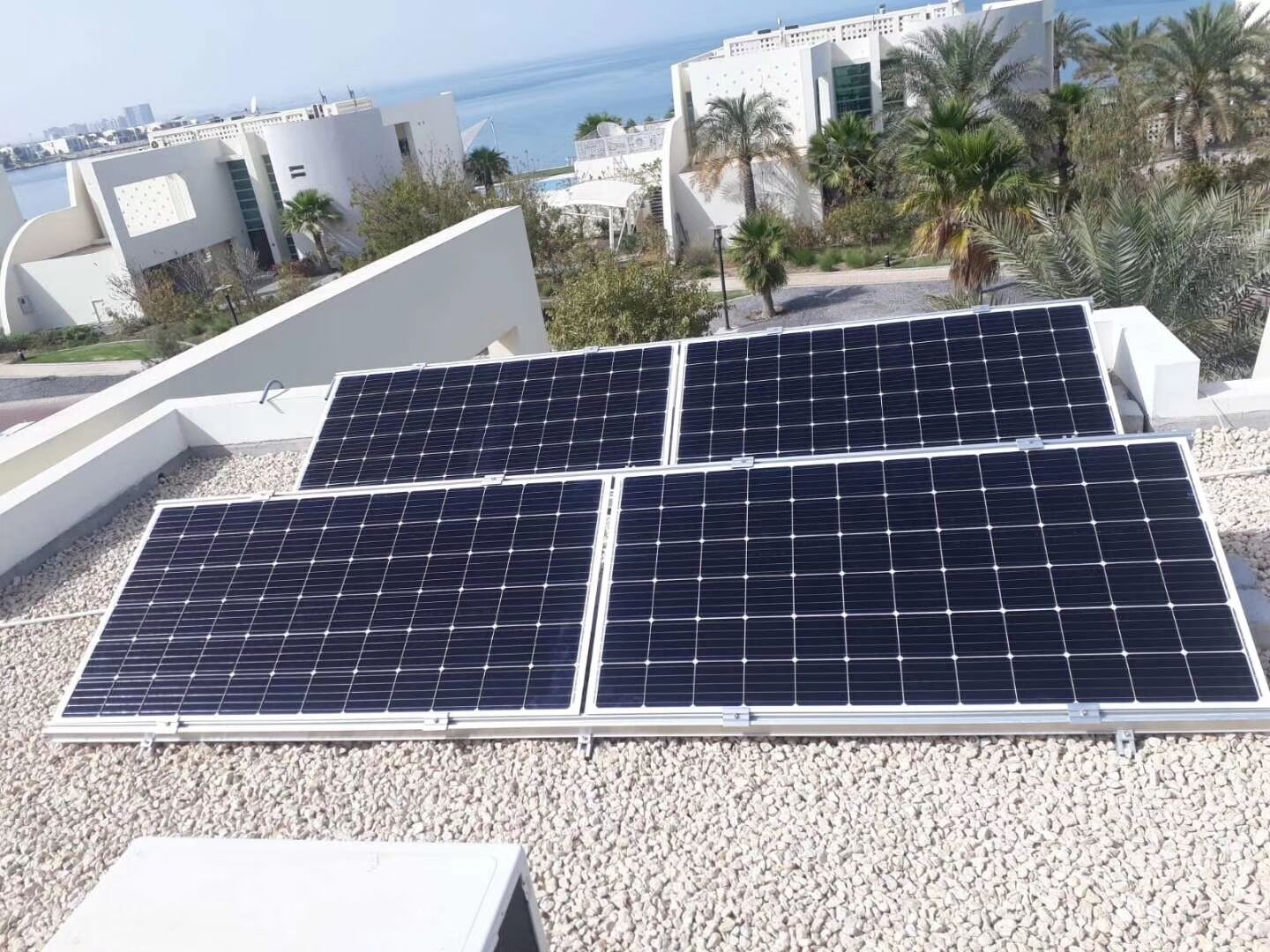
Maintaining commercial solar panels effectively is crucial for businesses seeking to maximize their return on investment in renewable energy infrastructure. Commercial solar panels represent a significant capital investment that can provide substantial long-term benefits when properly maintained and monitored. The performance and longevity of commercial solar panel systems depend heavily on implementing comprehensive maintenance strategies that address both preventive care and responsive repairs. Understanding the fundamentals of commercial solar panel maintenance enables facility managers and business owners to protect their investment while ensuring optimal energy production for decades to come.
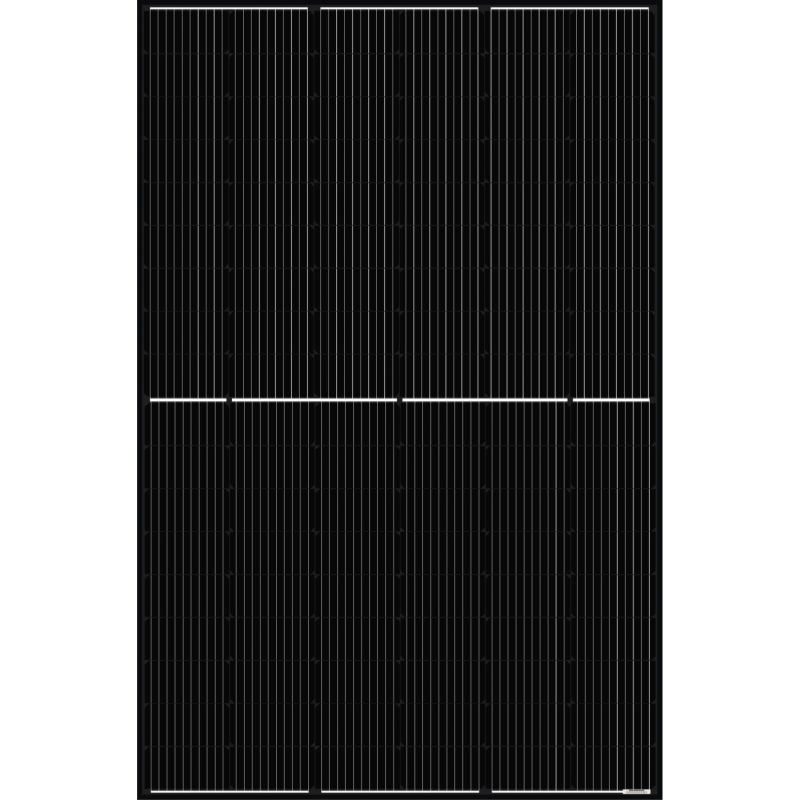
Essential Maintenance Components for Commercial Solar Panel Systems
Visual Inspection Protocols
Regular visual inspections form the foundation of effective commercial solar panel maintenance programs. These inspections should be conducted monthly by qualified personnel who can identify potential issues before they escalate into costly problems. During visual assessments, technicians examine panel surfaces for cracks, chips, or discoloration that might indicate manufacturing defects or weather-related damage. The inspection process also includes checking mounting hardware for signs of corrosion, loose connections, or structural integrity concerns that could compromise system performance.
Professional inspectors pay particular attention to the condition of junction boxes, wiring connections, and inverter units during routine evaluations. Commercial solar panels operate in challenging environmental conditions, making them susceptible to various forms of degradation over time. Systematic documentation of inspection findings creates a valuable maintenance history that helps predict future service needs and budget requirements. This proactive approach to commercial solar panel care significantly reduces the likelihood of unexpected system failures that could interrupt energy production and impact business operations.
Cleaning and Surface Maintenance
Maintaining clean surfaces on commercial solar panels directly impacts energy generation efficiency and overall system performance. Dust, debris, bird droppings, and other environmental contaminants can reduce panel output by ten to twenty percent if not addressed through regular cleaning protocols. Commercial installations typically require professional cleaning services equipped with specialized tools and safety equipment to access rooftop arrays safely. The frequency of cleaning depends on local environmental conditions, with dusty or heavily polluted areas requiring more frequent attention than clean rural locations.
Proper cleaning techniques for commercial solar panels involve using deionized water and soft-bristled brushes to avoid scratching delicate photovoltaic surfaces. High-pressure washing should be avoided as it can damage seals and create entry points for moisture infiltration. Professional cleaning crews understand the importance of working during cooler parts of the day to prevent thermal shock that could crack hot panel surfaces. Implementing a structured cleaning schedule ensures consistent energy production while protecting the substantial investment in commercial solar panel infrastructure.
Performance Monitoring and Data Analysis
Real-Time System Monitoring
Advanced monitoring systems provide continuous oversight of commercial solar panel performance, enabling immediate detection of anomalies or declining efficiency. Modern monitoring platforms track individual panel output, string performance, and overall system generation in real-time through sophisticated sensor networks and data collection systems. These monitoring solutions generate detailed reports that help facility managers understand energy production patterns, identify underperforming components, and schedule maintenance activities based on actual system data rather than arbitrary timelines.
Cloud-based monitoring platforms offer remote access to commercial solar panel performance data, allowing stakeholders to track system health from any location with internet connectivity. Automated alert systems notify maintenance teams when performance drops below predetermined thresholds, enabling rapid response to potential problems. The integration of weather data with performance monitoring helps differentiate between normal weather-related variations and actual system malfunctions. This sophisticated approach to commercial solar panel monitoring ensures optimal performance while minimizing unnecessary service calls and associated costs.
Performance Benchmarking and Analysis
Establishing baseline performance metrics for commercial solar panels enables accurate assessment of system degradation and maintenance effectiveness over time. Professional analysis of historical production data reveals trends that inform preventive maintenance scheduling and component replacement planning. Comparing actual performance against manufacturer specifications and industry benchmarks helps identify systems that may require additional attention or upgrades. Regular performance analysis also supports warranty claims and insurance documentation when system problems occur.
Seasonal performance variations in commercial solar panels require careful interpretation to distinguish between normal fluctuations and actual system problems. Professional data analysis considers factors such as ambient temperature, solar irradiance levels, and shading patterns when evaluating system performance. Advanced analytics platforms can predict future performance trends and recommend optimal maintenance schedules based on historical data patterns. This data-driven approach to commercial solar panel management maximizes return on investment while minimizing operational disruptions.
Preventive Maintenance Strategies
Scheduled Component Inspections
Comprehensive preventive maintenance programs for commercial solar panels include detailed inspections of all system components according to manufacturer recommendations and industry best practices. Electrical connections require particular attention as loose or corroded contacts can create dangerous arc faults and reduce system efficiency. Inverter maintenance involves checking cooling systems, replacing air filters, and verifying proper operation of protection devices. Regular torque checks on mounting hardware ensure structural integrity and prevent panel displacement during severe weather events.
Grounding system integrity represents a critical safety and performance factor in commercial solar panel installations. Annual testing of grounding conductors and bonding connections helps prevent electrical hazards while ensuring optimal system operation. Cable management systems require periodic inspection to identify chafing, UV damage, or rodent intrusion that could compromise electrical safety. Professional maintenance teams document all inspection activities and test results to maintain comprehensive service records for warranty and insurance purposes.
Environmental Protection Measures
Protecting commercial solar panels from environmental damage requires ongoing attention to potential threats such as vegetation growth, pest infiltration, and weather-related hazards. Tree trimming and vegetation management around solar installations prevent shading issues while reducing fire hazards during dry seasons. Pest control measures address birds, rodents, and insects that can nest under panels or damage wiring systems. Regular inspection of roof penetrations and sealing systems prevents water infiltration that could damage building structures and electrical components.
Weather protection strategies for commercial solar panels include securing loose components before severe weather events and conducting post-storm damage assessments. Snow removal protocols in colder climates ensure continued energy production while preventing structural damage from excessive loading. Lightning protection systems require annual testing and maintenance to ensure proper operation during thunderstorms. These environmental protection measures significantly extend the operational life of commercial solar panel systems while maintaining optimal performance levels throughout their service life.
Cost-Effective Maintenance Planning
Budget Development and Resource Allocation
Developing realistic maintenance budgets for commercial solar panels requires careful consideration of system age, environmental conditions, and manufacturer recommendations. Annual maintenance costs typically range from one to three percent of initial system investment, depending on installation complexity and local service availability. Budget planning should account for routine maintenance activities, emergency repairs, and periodic component replacements based on expected service life. Professional maintenance contractors can provide detailed cost estimates based on specific system configurations and site conditions.
Resource allocation for commercial solar panel maintenance involves balancing in-house capabilities with external service providers to optimize costs and service quality. Large commercial installations may justify dedicated maintenance staff, while smaller systems benefit from contracted service arrangements. Training internal personnel in basic maintenance procedures reduces service costs while improving response times for minor issues. Strategic partnerships with qualified service providers ensure access to specialized expertise and replacement parts when needed.
Return on Investment Optimization
Maximizing return on investment in commercial solar panels requires balancing maintenance costs against performance benefits and system longevity. Preventive maintenance programs typically cost less than reactive repairs while providing superior performance outcomes. Regular maintenance extends system life beyond standard warranty periods, providing additional years of energy savings and environmental benefits. Performance optimization through proper maintenance can increase energy production by five to fifteen percent compared to neglected systems.
Financial analysis of maintenance investments should consider energy savings, tax incentives, and avoided replacement costs when evaluating program effectiveness. Commercial solar panels with comprehensive maintenance programs maintain higher resale values and support favorable financing terms for system expansions. Insurance premiums may be reduced for well-maintained systems that demonstrate lower risk profiles. Professional maintenance documentation supports warranty claims and provides evidence of due diligence for regulatory compliance purposes.
Technology Integration and Smart Maintenance
Automated Monitoring Systems
Advanced automation technologies revolutionize maintenance approaches for commercial solar panels by providing continuous system oversight and predictive maintenance capabilities. Internet of Things sensors monitor panel temperature, vibration, and electrical parameters to identify potential problems before they impact system performance. Machine learning algorithms analyze historical data patterns to predict component failures and optimize maintenance scheduling. These intelligent systems reduce maintenance costs while improving system reliability and performance consistency.
Drone technology enables efficient inspection of large commercial solar panel installations without requiring personnel to access potentially dangerous rooftop locations. Thermal imaging cameras mounted on drones can identify hot spots, cracked cells, and other performance issues that may not be visible during ground-level inspections. Automated reporting systems generate detailed maintenance recommendations based on drone inspection data and performance monitoring inputs. This technology integration significantly improves maintenance efficiency while reducing safety risks and inspection costs.
Smart Maintenance Scheduling
Artificial intelligence platforms optimize maintenance scheduling for commercial solar panels by analyzing weather forecasts, energy production requirements, and component condition data. Smart scheduling systems coordinate maintenance activities to minimize disruption to energy production while ensuring optimal system performance. Predictive algorithms identify the most cost-effective timing for component replacements and major maintenance activities. These intelligent systems help maintenance teams work more efficiently while maximizing system availability and performance.
Integration with building management systems allows commercial solar panels maintenance activities to be coordinated with other facility operations for maximum efficiency. Smart scheduling platforms consider factors such as energy demand patterns, utility rate structures, and weather forecasts when planning maintenance activities. Automated work order generation streamlines maintenance workflows while ensuring consistent documentation and reporting. This technology-driven approach to commercial solar panel maintenance delivers superior results while reducing administrative overhead and operational complexity.
FAQ
How often should commercial solar panels be professionally cleaned
Commercial solar panels should be professionally cleaned every three to six months, depending on local environmental conditions such as dust levels, pollen, and industrial pollution. Areas with heavy dust, agricultural activities, or frequent bird activity may require monthly cleaning to maintain optimal performance. Professional cleaning services use specialized equipment and techniques that prevent damage while ensuring thorough cleaning of all panel surfaces.
What are the most common maintenance issues with commercial solar panel systems
The most common maintenance issues include inverter failures, loose electrical connections, panel soiling, and mounting system degradation. Weather-related damage such as hail impact or wind damage can also occur in severe conditions. Regular inspection and preventive maintenance programs address these issues before they significantly impact system performance or require expensive emergency repairs.
How does proper maintenance affect the warranty coverage of commercial solar panels
Proper maintenance is typically required to maintain manufacturer warranty coverage for commercial solar panels. Documentation of regular cleaning, inspections, and professional maintenance activities supports warranty claims when component failures occur. Neglected systems may void warranty coverage, leaving owners responsible for repair and replacement costs that would otherwise be covered under manufacturer guarantees.
What qualifications should maintenance personnel have for commercial solar panel systems
Maintenance personnel for commercial solar panels should have electrical training, safety certifications, and specific experience with photovoltaic systems. Professional certifications from organizations such as the North American Board of Certified Energy Practitioners demonstrate competency in solar system maintenance and safety protocols. Qualified technicians understand electrical safety requirements and have access to proper testing equipment for comprehensive system evaluation.
Table of Contents
- Essential Maintenance Components for Commercial Solar Panel Systems
- Performance Monitoring and Data Analysis
- Preventive Maintenance Strategies
- Cost-Effective Maintenance Planning
- Technology Integration and Smart Maintenance
-
FAQ
- How often should commercial solar panels be professionally cleaned
- What are the most common maintenance issues with commercial solar panel systems
- How does proper maintenance affect the warranty coverage of commercial solar panels
- What qualifications should maintenance personnel have for commercial solar panel systems
