
 EN
EN
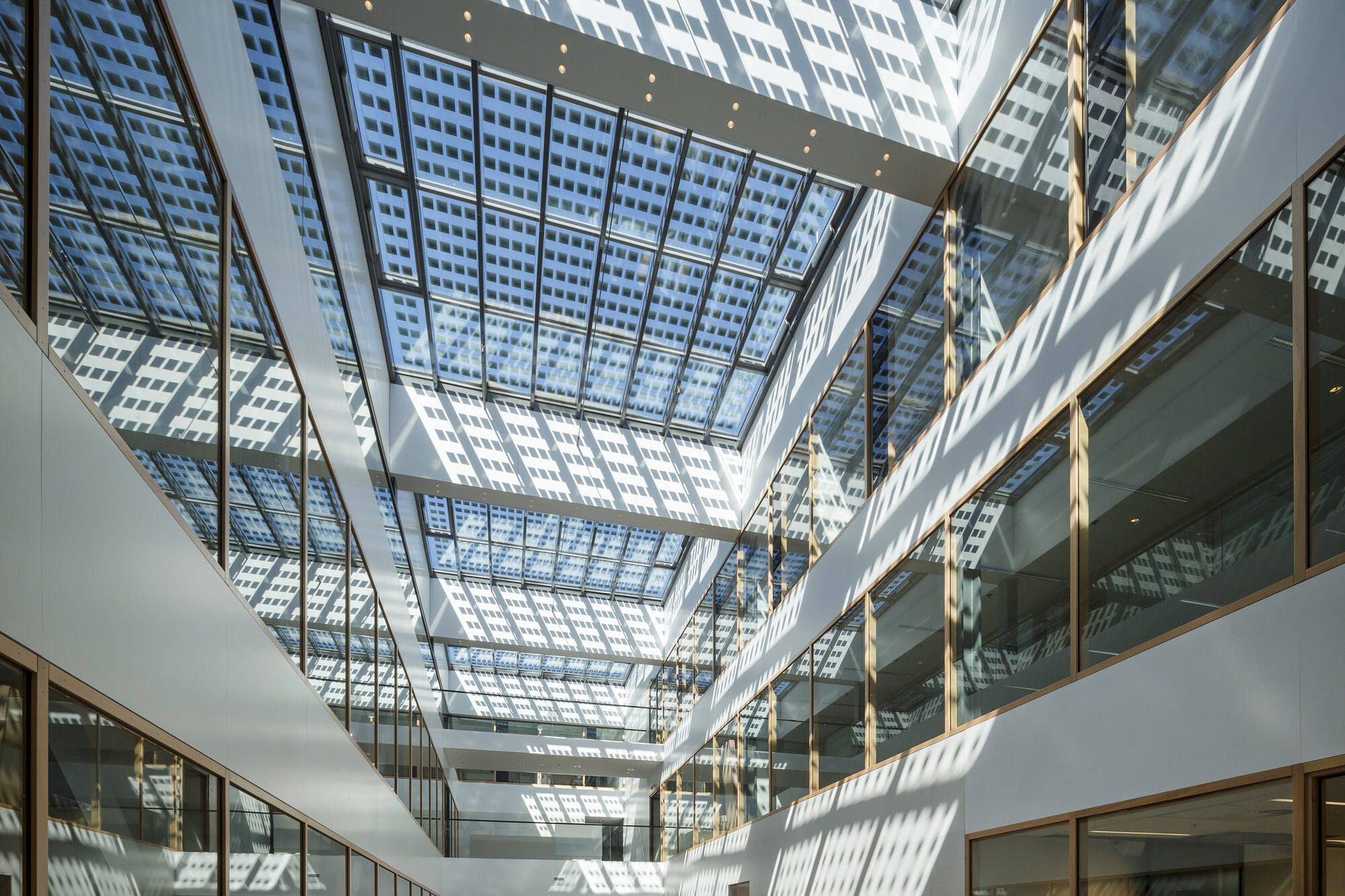
Large commercial enterprises are increasingly recognizing the transformative potential of high-efficiency solar panels as a cornerstone of their sustainable energy strategies. These advanced photovoltaic systems represent a paradigm shift in how businesses approach renewable energy investments, offering unprecedented levels of power generation per square meter while delivering substantial long-term cost savings. The commercial solar landscape has evolved dramatically, with high-efficiency solar panels now capable of achieving conversion rates exceeding 22%, making them an indispensable solution for organizations seeking to maximize their return on investment while minimizing their environmental footprint.

The financial imperative for commercial entities to adopt high-efficiency solar panels extends beyond simple energy cost reduction, encompassing comprehensive operational benefits that impact multiple aspects of business performance. Modern commercial installations utilizing these advanced panels can achieve payback periods as short as 4-6 years, depending on local utility rates and available incentive programs. The superior power density characteristics of high-efficiency solar panels enable businesses to generate more electricity from limited rooftop space, a critical consideration for urban commercial properties where every square meter counts toward maximizing energy independence.
Economic Benefits and Return on Investment
Capital Cost Optimization Through Enhanced Power Density
Commercial projects implementing high-efficiency solar panels experience significant advantages in capital cost optimization due to the superior power-to-space ratio these systems deliver. When compared to conventional solar technologies, high-efficiency panels can generate 15-20% more electricity from the same installation footprint, effectively reducing the cost per watt installed while maximizing the utilization of available roof space. This enhanced power density translates directly into reduced balance-of-system costs, including fewer mounting structures, reduced wiring requirements, and streamlined installation processes that collectively contribute to lower overall project expenses.
The economic proposition becomes even more compelling when considering the reduced labor costs associated with installing high-efficiency solar panels on commercial projects. Fewer panels are required to achieve target power generation levels, resulting in decreased installation time, reduced crane rental periods, and minimized disruption to ongoing business operations. These operational efficiencies compound the financial benefits, creating a compelling business case that extends beyond simple energy cost savings to encompass comprehensive project economics.
Long-Term Performance and Maintenance Advantages
Commercial installations featuring high-efficiency solar panels demonstrate superior long-term performance characteristics that significantly impact total cost of ownership calculations. These advanced systems typically incorporate premium materials and manufacturing processes that result in lower degradation rates, often maintaining over 90% of their original capacity after 20 years of operation. The enhanced durability and performance retention of high-efficiency panels translate into more predictable energy production forecasts, enabling businesses to develop accurate financial projections and secure favorable financing terms.
Maintenance requirements for high-efficiency solar panels are generally reduced compared to conventional alternatives, primarily due to their robust construction and advanced cell technologies. The bifacial design prevalent in many high-efficiency panels allows for energy generation from both sides of the module, providing additional power output while maintaining structural integrity through enhanced support systems. This dual-sided generation capability not only increases overall system performance but also provides resilience against partial shading conditions that might otherwise compromise energy production in traditional solar installations.
Technical Specifications and Performance Characteristics
Advanced Cell Technologies and Conversion Efficiency
The technical foundation of high-efficiency solar panels lies in their sophisticated cell architectures, which incorporate cutting-edge technologies such as PERC (Passivated Emitter and Rear Cell), TOPCon (Tunnel Oxide Passivated Contact), and heterojunction designs. These advanced manufacturing processes enable conversion efficiencies that consistently exceed 21%, with leading modules achieving performance levels approaching 23% under standard test conditions. The superior efficiency ratings of these panels directly translate into increased energy yield per installed kilowatt, making them particularly valuable for commercial applications where maximizing power generation within spatial constraints is paramount.
Modern high-efficiency solar panels feature enhanced low-light performance characteristics that extend their operational effectiveness throughout varying weather conditions and seasonal changes. The improved spectral response and reduced series resistance inherent in these advanced designs enable continued power generation during overcast conditions, early morning, and late afternoon periods when conventional panels might experience significant performance degradation. This extended operational window contributes to higher annual energy yields, further strengthening the economic case for commercial adoption of high-efficiency solar technology.
Durability and Environmental Resilience
Commercial-grade high-efficiency solar panels are engineered to withstand challenging environmental conditions while maintaining consistent performance over extended operational periods. These robust systems typically feature reinforced aluminum frames, tempered glass surfaces rated for high wind loads and hail impact resistance, and advanced encapsulation materials that protect sensitive photovoltaic cells from moisture ingress and thermal cycling stress. The enhanced durability specifications ensure reliable operation in diverse climatic conditions, from extreme temperature variations to high humidity environments.
The environmental resilience of high-efficiency solar panels extends to their resistance against potential induced degradation (PID), a phenomenon that can significantly impact the long-term performance of solar installations. Advanced manufacturing processes and material selection strategies employed in these premium panels minimize PID susceptibility, ensuring stable power output throughout the system's operational lifetime. This reliability factor is particularly crucial for commercial installations where consistent energy production is essential for meeting operational requirements and financial projections.
Installation Considerations for Commercial Applications
Structural Requirements and Mounting Systems
Commercial installations of high-efficiency solar panels require careful consideration of structural loading requirements, as these advanced modules often feature larger dimensions and increased weight compared to standard photovoltaic panels. The enhanced power density of high-efficiency panels, however, typically results in fewer total modules required for a given power target, potentially offsetting individual panel weight increases through reduced overall system mass. Proper structural analysis and engineering evaluation are essential to ensure that existing commercial roof structures can adequately support the planned solar installation while maintaining appropriate safety margins.
Modern mounting systems designed for high-efficiency solar panels incorporate advanced features such as optimized tilt angles, enhanced wind load distribution, and improved grounding systems that maximize both performance and safety. These specialized mounting solutions often include integrated cable management systems that streamline installation processes while ensuring long-term reliability of electrical connections. The selection of appropriate mounting hardware becomes particularly critical for high-efficiency panels due to their premium cost and the importance of maintaining optimal performance throughout the system's operational lifetime.
Electrical System Integration and Performance Monitoring
The electrical integration of high-efficiency solar panels in commercial applications requires sophisticated system design approaches that account for the higher voltage and current characteristics of these advanced modules. Power optimizers and microinverters specifically designed for high-efficiency panels can maximize energy harvest while providing module-level monitoring capabilities that enable proactive maintenance and performance optimization. These advanced electrical components work synergistically with high-efficiency panels to deliver superior system performance while providing valuable operational insights.
Comprehensive monitoring systems integrated with high-efficiency solar panel installations enable commercial operators to track performance metrics, identify potential issues, and optimize energy production through data-driven decision making. Real-time monitoring capabilities provide immediate visibility into system performance, allowing facility managers to quickly address any performance anomalies while maintaining detailed records for warranty compliance and financial reporting purposes. These monitoring systems often integrate with existing building management systems, creating a unified approach to energy management and operational efficiency.
Environmental Impact and Sustainability Benefits
Carbon Footprint Reduction and Environmental Stewardship
Commercial adoption of high-efficiency solar panels represents a significant contribution to corporate environmental stewardship goals, with these advanced systems capable of offsetting their manufacturing carbon footprint within 1-2 years of operation. The superior energy generation characteristics of high-efficiency panels result in greater lifetime carbon displacement compared to conventional alternatives, making them an optimal choice for organizations committed to achieving aggressive sustainability targets. The environmental benefits extend beyond direct carbon reduction, encompassing reduced demand on grid infrastructure and decreased reliance on fossil fuel-based electricity generation.
The manufacturing processes employed in producing high-efficiency solar panels have evolved to incorporate more sustainable practices, including reduced silicon waste, improved energy efficiency in production facilities, and enhanced recyclability of end-of-life modules. These improvements in manufacturing sustainability complement the operational environmental benefits, creating a comprehensive sustainability profile that aligns with corporate responsibility initiatives. Commercial entities implementing high-efficiency solar solutions can leverage these environmental benefits for ESG reporting, regulatory compliance, and stakeholder communication purposes.
Resource Efficiency and Land Use Optimization
The space efficiency characteristics of high-efficiency solar panels contribute significantly to resource optimization in commercial applications, enabling maximum energy generation from limited available installation areas. This efficient land use is particularly valuable for urban commercial properties where roof space commands premium value and alternative uses must be carefully evaluated. The ability to generate more electricity per square meter through high-efficiency panels allows businesses to achieve energy independence goals while preserving valuable real estate for other operational requirements.
Water usage considerations also favor high-efficiency solar panels in commercial applications, as these systems require minimal water for cleaning and maintenance compared to other renewable energy alternatives. The smooth glass surfaces of modern high-efficiency panels facilitate natural cleaning through precipitation, reducing the need for regular washing while maintaining optimal performance levels. This low water requirement characteristic is particularly beneficial for commercial installations in water-scarce regions or for organizations seeking to minimize their overall water footprint.
Financial Incentives and Policy Support
Federal Tax Credits and Accelerated Depreciation Benefits
Commercial installations of high-efficiency solar panels benefit from substantial federal tax incentive programs, including the Investment Tax Credit (ITC) that allows businesses to deduct 30% of installation costs from their federal tax liability. The enhanced power generation capabilities of high-efficiency panels maximize the absolute dollar value of these tax benefits by enabling larger system installations within space constraints, effectively increasing the total incentive value per available square foot of installation area. These federal incentives can significantly improve project economics, often reducing payback periods by 12-18 months compared to unsubsidized installations.
Accelerated depreciation schedules available through the Modified Accelerated Cost Recovery System (MACRS) provide additional financial benefits for commercial high-efficiency solar panel installations. The ability to depreciate solar assets over five years, rather than the typical 20-30 year operational lifetime, creates substantial tax advantages that improve cash flow during the critical early years of system operation. When combined with the enhanced energy production of high-efficiency panels, these depreciation benefits create compelling financial incentives that often tip the scales in favor of premium solar technology adoption.
State and Local Incentive Programs
Many state and local jurisdictions offer additional incentive programs specifically designed to encourage commercial adoption of high-efficiency solar panels, recognizing their superior environmental and economic benefits. These programs often include performance-based incentives that reward higher energy production levels, making high-efficiency panels particularly attractive due to their superior generation characteristics. State renewable energy certificate (REC) programs frequently provide premium pricing for electricity generated by high-efficiency systems, creating ongoing revenue streams that enhance long-term project economics.
Local utility programs increasingly recognize the grid stability benefits provided by high-efficiency solar installations and offer preferential interconnection terms, reduced demand charges, or enhanced net metering rates for qualifying systems. These utility-sponsored incentives acknowledge that high-efficiency solar panels can provide more predictable and substantial grid support, making them valuable assets for electrical system planning and operation. Commercial customers implementing high-efficiency solar solutions often receive priority processing for interconnection applications and may qualify for experimental rate structures that provide additional financial benefits.
FAQ
What maintenance requirements should commercial customers expect with high-efficiency solar panels
Commercial high-efficiency solar panel installations typically require minimal maintenance, primarily consisting of periodic visual inspections, performance monitoring review, and occasional cleaning when natural precipitation is insufficient. Most high-efficiency panels feature self-cleaning glass surfaces and robust construction that minimizes maintenance needs, with comprehensive warranty coverage protecting against manufacturing defects and performance degradation beyond specified limits.
How do high-efficiency solar panels perform during extreme weather conditions
High-efficiency solar panels are engineered to withstand extreme weather conditions including high winds, hail impact, and significant temperature variations while maintaining consistent performance levels. Advanced manufacturing processes and premium materials used in these panels provide enhanced durability compared to standard alternatives, with many systems certified for operation in challenging climatic conditions including desert environments and coastal regions with high salt exposure.
What financing options are available for commercial high-efficiency solar panel installations
Commercial customers can access various financing mechanisms for high-efficiency solar panel installations including traditional commercial loans, solar-specific financing products, power purchase agreements (PPAs), and solar lease arrangements. The superior performance characteristics of high-efficiency panels often enable more favorable financing terms due to predictable energy production and enhanced project economics, with many lenders offering preferred rates for premium solar technology installations.
How do high-efficiency solar panels integrate with existing building management systems
Modern high-efficiency solar panel installations can seamlessly integrate with existing building management systems through advanced monitoring platforms and communication protocols including Modbus, BACnet, and cloud-based data exchange systems. These integration capabilities enable facility managers to monitor solar performance alongside other building systems, optimize energy usage patterns, and implement sophisticated energy management strategies that maximize operational efficiency and cost savings.
Table of Contents
- Economic Benefits and Return on Investment
- Technical Specifications and Performance Characteristics
- Installation Considerations for Commercial Applications
- Environmental Impact and Sustainability Benefits
- Financial Incentives and Policy Support
-
FAQ
- What maintenance requirements should commercial customers expect with high-efficiency solar panels
- How do high-efficiency solar panels perform during extreme weather conditions
- What financing options are available for commercial high-efficiency solar panel installations
- How do high-efficiency solar panels integrate with existing building management systems
