
 EN
EN
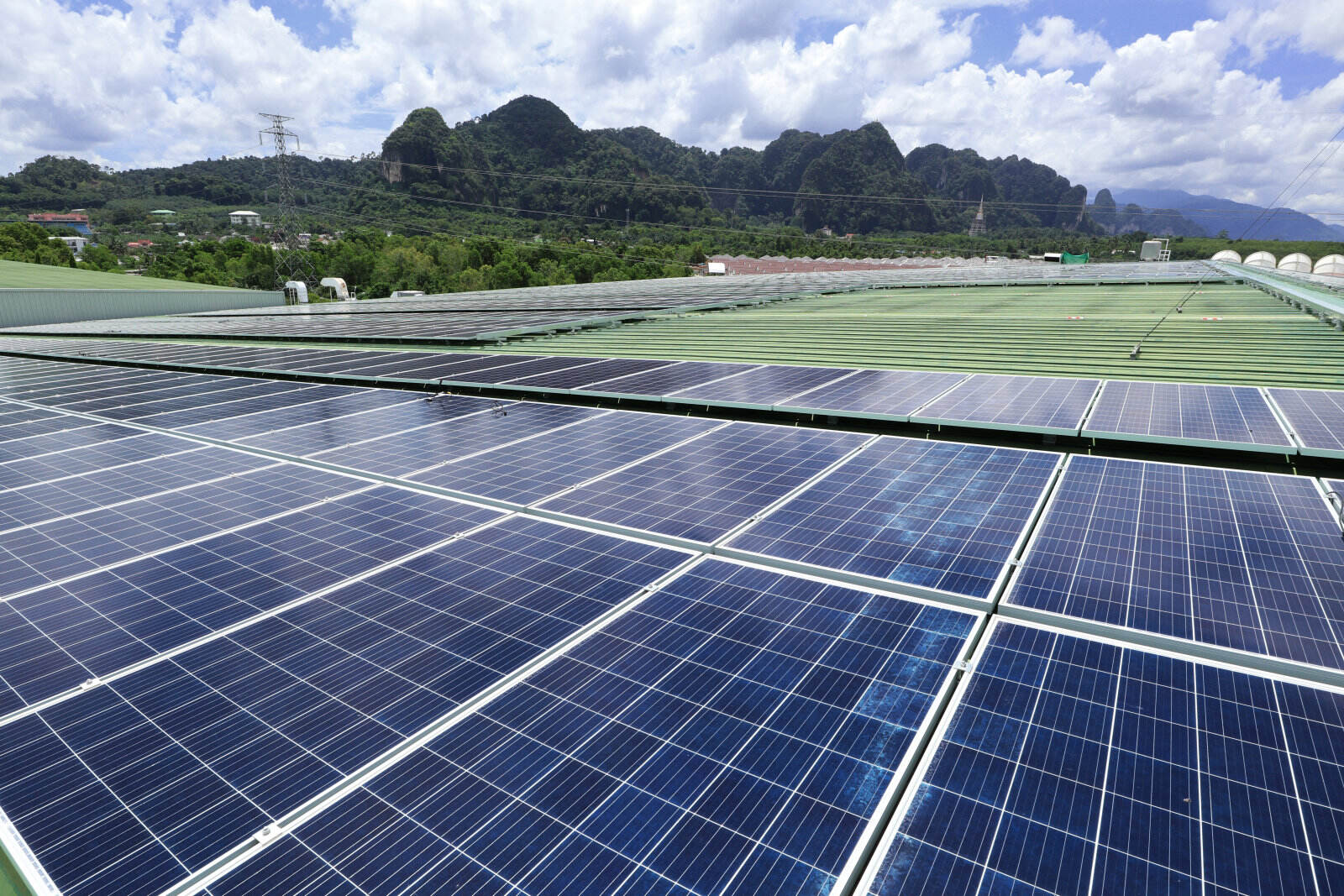
Industrial parks worldwide are increasingly turning to premium solar panels as a strategic solution for reducing long-term operational costs while meeting sustainability goals. These advanced photovoltaic systems offer superior efficiency rates, extended lifespans, and enhanced durability compared to standard solar installations. For facility managers and industrial operators, the decision to invest in premium solar panels represents a critical evaluation of immediate capital expenditure versus decades of operational savings. The technology has evolved dramatically, with modern premium solar panels delivering exceptional performance metrics that translate directly into measurable cost reductions across multiple operational areas.

Understanding the Financial Impact of Premium Solar Technology
Energy Cost Reduction Analysis
Premium solar panels typically achieve efficiency ratings between 20-22%, significantly outperforming standard panels that often operate at 15-17% efficiency. This enhanced performance directly translates to greater electricity generation per square meter of installation space, maximizing the return on investment for industrial facilities with limited roof or ground space. Industrial parks operating with premium solar panels can expect to reduce their grid electricity consumption by 60-80%, depending on system sizing and local solar irradiance conditions. The higher efficiency means fewer panels are required to achieve target energy production levels, reducing installation costs and ongoing maintenance requirements.
The financial benefits extend beyond simple electricity bill reductions. Premium solar panels maintain their performance levels more effectively over time, with degradation rates typically under 0.4% annually compared to 0.7% for standard panels. This superior performance retention ensures consistent energy production and cost savings throughout the system's operational lifetime. Industrial facilities often experience peak demand charges that can represent 30-50% of their total electricity costs, and premium solar panels with high output capabilities help offset these expensive peak demand periods more effectively than lower-grade alternatives.
Long-Term Operational Savings
The extended warranty periods associated with premium solar panels provide additional financial protection and predictability for industrial park operators. While standard panels typically offer 10-12 year product warranties, premium solar panels often include 15-25 year comprehensive warranties covering both product defects and performance guarantees. This extended coverage reduces the risk of unexpected replacement costs and provides greater certainty for financial planning and budgeting purposes. The superior build quality of premium panels also results in lower maintenance requirements, reducing ongoing operational expenses and minimizing system downtime.
Premium solar panels incorporate advanced materials and manufacturing processes that enhance their resistance to environmental stressors such as extreme temperatures, humidity, and mechanical stress from wind loads. This durability translates to consistent performance in challenging industrial environments where air quality, dust accumulation, and temperature fluctuations might compromise the effectiveness of lower-grade solar installations. The result is sustained energy production and continued operational cost savings even under demanding conditions that might degrade the performance of standard solar systems.
Technical Advantages Driving Cost Reduction
Advanced Cell Technology and Efficiency Gains
Modern premium solar panels utilize cutting-edge cell technologies such as PERC (Passivated Emitter and Rear Cell), bifacial designs, and half-cell configurations that maximize energy capture and conversion efficiency. These technological innovations enable premium solar panels to generate more electricity from the same amount of sunlight, directly reducing the cost per kilowatt-hour of electricity produced. Bifacial premium solar panels, in particular, can capture reflected light from surrounding surfaces, increasing total energy output by 10-20% compared to traditional monofacial panels without requiring additional installation space.
The integration of advanced bypass diodes and optimized electrical configurations in premium solar panels minimizes the impact of partial shading conditions that commonly occur in industrial environments. This technical superiority ensures consistent energy production even when portions of the solar array are temporarily shaded by equipment, structures, or environmental factors. For industrial parks with complex rooflines or varying shading conditions throughout the day, this capability represents significant additional energy production and corresponding cost savings that accumulate over the system's operational lifetime.
Smart Monitoring and Performance Optimization
Premium solar panels often include integrated monitoring capabilities and compatibility with advanced energy management systems that provide real-time performance data and optimization opportunities. This technological integration enables facility managers to identify and address performance issues quickly, maximizing energy production and maintaining optimal cost reduction benefits. The ability to monitor individual panel performance helps ensure that any underperforming components are identified and addressed before they significantly impact overall system output and financial returns.
Smart monitoring systems associated with premium solar panels enable predictive maintenance strategies that further reduce operational costs by addressing potential issues before they result in system failures or significant performance degradation. This proactive approach minimizes unexpected maintenance expenses and ensures consistent energy production that supports ongoing operational cost reduction goals. The data collected through these monitoring systems also provides valuable insights for optimizing energy usage patterns and identifying additional cost-saving opportunities throughout the industrial facility.
Installation and Infrastructure Considerations
Reduced System Complexity and Installation Costs
The superior efficiency of premium solar panels reduces the total number of panels required to achieve target energy production levels, simplifying installation logistics and reducing associated costs such as mounting hardware, electrical components, and labor requirements. This efficiency advantage becomes particularly significant in industrial installations where roof space may be limited or where structural considerations limit the maximum allowable system weight. Fewer panels mean reduced installation time, lower labor costs, and simplified electrical configurations that contribute to overall project cost effectiveness.
Premium solar panels typically feature standardized electrical characteristics and improved manufacturing tolerances that simplify system design and reduce the complexity of electrical connections. This standardization reduces the risk of installation errors, minimizes commissioning time, and ensures optimal system performance from the start of operations. The reduced complexity also translates to lower ongoing maintenance requirements and simplified troubleshooting procedures, further contributing to operational cost savings throughout the system's lifetime.
Infrastructure Optimization and Space Utilization
Industrial parks investing in premium solar panels can achieve higher power density installations that maximize the utilization of available roof and ground space. This efficiency enables facilities to install larger capacity systems within existing space constraints, increasing the potential for operational cost reductions through greater energy production. The ability to generate more electricity from limited space also provides flexibility for future expansion or modifications to industrial operations without compromising the solar energy system's effectiveness.
The enhanced durability and weather resistance of premium solar panels reduces the need for extensive protective infrastructure or specialized mounting systems that might be required for standard panels in challenging environments. This simplified infrastructure requirement reduces both initial installation costs and ongoing maintenance expenses while ensuring reliable energy production that supports sustained operational cost reductions. The robust construction of premium panels also enables installation in locations that might not be suitable for standard solar systems, expanding the potential for energy generation and cost savings throughout the industrial facility.
Environmental Benefits and Regulatory Advantages
Sustainability Goals and Carbon Footprint Reduction
Premium solar panels contribute significantly to industrial parks' sustainability initiatives and environmental compliance requirements, often resulting in additional cost savings through regulatory incentives, tax benefits, and improved corporate environmental ratings. The superior efficiency and longer operational lifespans of premium solar panels maximize the environmental benefits per dollar invested, supporting comprehensive sustainability strategies while delivering measurable operational cost reductions. Many jurisdictions offer enhanced incentives for high-efficiency solar installations that can further improve the financial returns associated with premium solar panel investments.
The reduced carbon footprint achieved through premium solar panels helps industrial facilities meet increasingly stringent environmental regulations and corporate sustainability commitments. This environmental performance can translate to avoided regulatory costs, improved relationships with environmentally conscious customers and partners, and potential access to green financing options with favorable terms. The long-term environmental benefits of premium solar panels also provide protection against future carbon pricing mechanisms and environmental regulations that could increase operational costs for facilities dependent on grid electricity.
Regulatory Compliance and Incentive Maximization
Premium solar panels often qualify for enhanced regulatory incentives and rebate programs that recognize superior environmental performance and energy efficiency. These incentive programs can significantly improve the financial returns of solar investments while supporting broader operational cost reduction goals. The documentation and certification processes associated with premium solar panels also simplify compliance with environmental reporting requirements and sustainability auditing processes, reducing administrative costs and ensuring consistent regulatory compliance.
The superior performance characteristics of premium solar panels enable industrial facilities to meet or exceed renewable energy targets more efficiently, potentially avoiding penalties or additional costs associated with purchasing renewable energy credits or carbon offsets. This regulatory advantage becomes increasingly valuable as environmental regulations become more stringent and the costs associated with carbon emissions continue to rise. Premium solar panels provide a proactive approach to regulatory compliance that supports long-term operational cost management and risk mitigation strategies.
Financial Planning and Return on Investment
Payback Period Analysis and Financial Modeling
Industrial parks evaluating premium solar panels must consider the complete financial picture, including initial investment costs, ongoing operational savings, maintenance expenses, and potential revenue generation through excess energy production. While premium solar panels typically require higher initial capital investment, the superior efficiency, extended lifespans, and reduced maintenance requirements often result in shorter payback periods and higher overall returns on investment compared to standard solar installations. Comprehensive financial modeling demonstrates that the additional upfront costs of premium solar panels are typically recovered within the first few years of operation through increased energy production and reduced operational expenses.
The predictable performance characteristics and extended warranties of premium solar panels provide greater certainty for financial planning and enable more accurate long-term cost projections. This financial predictability is particularly valuable for industrial facilities with complex operational requirements and budget constraints, as it enables better integration of solar energy systems into comprehensive facility management strategies. The consistent performance of premium solar panels also reduces the financial risks associated with energy cost volatility and provides protection against future utility rate increases.
Financing Options and Economic Incentives
The superior performance and reliability of premium solar panels often qualify for more favorable financing terms and lower interest rates from lenders who recognize the reduced risk associated with high-quality solar installations. Power purchase agreements, solar leases, and other financing mechanisms may offer better terms for premium solar panels due to their proven performance records and extended warranty coverage. These financing advantages can significantly improve the economic attractiveness of premium solar panel investments while minimizing the impact on operational cash flow and capital budgets.
Economic incentives such as federal tax credits, state rebates, and accelerated depreciation schedules can substantially improve the financial returns of premium solar panel installations. The higher efficiency and superior performance of premium solar panels maximize the value of these incentive programs by ensuring optimal energy production that qualifies for performance-based incentives and renewable energy credit programs. Industrial facilities investing in premium solar panels can often capture maximum available incentive value while achieving superior long-term operational cost reductions.
FAQ
How much can industrial parks expect to save with premium solar panels compared to standard panels
Industrial parks typically achieve 15-25% greater energy production with premium solar panels compared to standard panels due to higher efficiency ratings and superior performance retention over time. This increased production translates to proportionally higher operational cost savings, with many facilities experiencing 20-30% greater savings over the system's lifetime. The exact savings depend on local electricity rates, solar irradiance conditions, and facility energy consumption patterns, but the superior performance of premium solar panels consistently delivers enhanced financial returns that justify the additional initial investment.
What is the typical lifespan difference between premium and standard solar panels
Premium solar panels typically maintain effective energy production for 25-30 years or longer, compared to 20-25 years for standard panels. The superior materials, manufacturing processes, and quality control associated with premium solar panels result in slower degradation rates and extended operational lifespans that provide additional years of operational cost savings. This extended lifespan also means that premium solar panels often continue producing significant energy output well beyond their warranty periods, providing continued value and cost reductions for industrial facilities.
Are premium solar panels worth the additional investment for smaller industrial facilities
Smaller industrial facilities can benefit significantly from premium solar panels due to space constraints that make efficiency particularly valuable. The higher power density of premium solar panels enables smaller facilities to maximize energy production within limited installation areas, often achieving better overall returns on investment than larger facilities with abundant space for standard panel installations. The reduced maintenance requirements and extended warranties of premium solar panels are also particularly beneficial for smaller facilities that may lack dedicated maintenance staff or resources for frequent system servicing.
How do premium solar panels perform in challenging industrial environments
Premium solar panels are specifically designed to withstand challenging industrial environments, including exposure to dust, chemicals, extreme temperatures, and mechanical stress. The advanced materials and construction methods used in premium solar panels provide superior resistance to environmental degradation compared to standard panels, ensuring consistent performance and continued cost savings even in demanding conditions. This durability reduces the risk of performance losses and unexpected replacement costs that might affect standard solar installations in harsh industrial environments.
Table of Contents
- Understanding the Financial Impact of Premium Solar Technology
- Technical Advantages Driving Cost Reduction
- Installation and Infrastructure Considerations
- Environmental Benefits and Regulatory Advantages
- Financial Planning and Return on Investment
-
FAQ
- How much can industrial parks expect to save with premium solar panels compared to standard panels
- What is the typical lifespan difference between premium and standard solar panels
- Are premium solar panels worth the additional investment for smaller industrial facilities
- How do premium solar panels perform in challenging industrial environments
