
 EN
EN
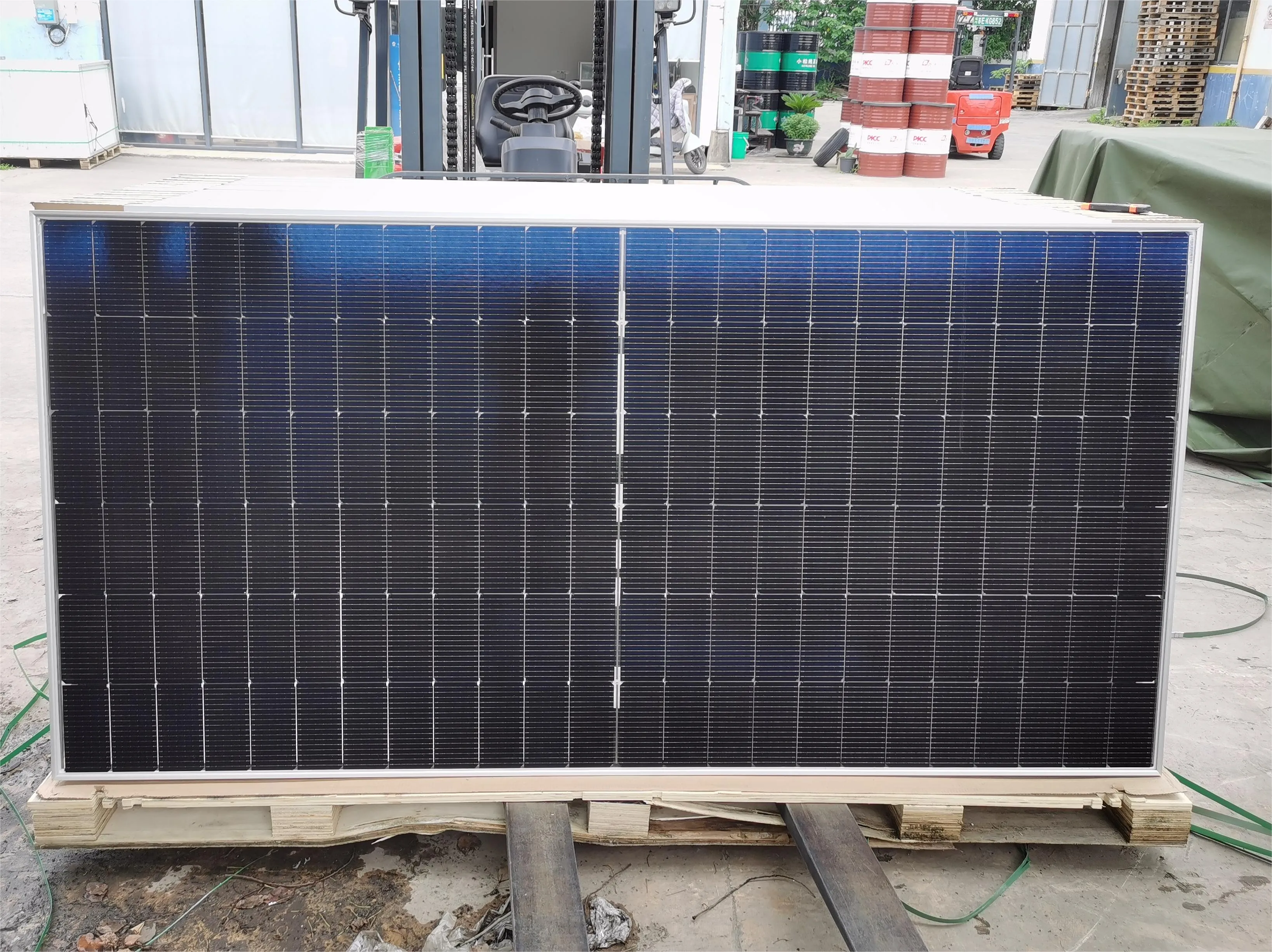
Industrial parks face mounting pressure to reduce operational expenses while maintaining competitive energy supplies for their tenants. As electricity costs continue rising across global markets, facility managers are increasingly evaluating whether premium solar panels can deliver meaningful cost reductions compared to standard photovoltaic solutions. The answer is definitively yes, but the extent of savings depends on several critical factors including panel efficiency, degradation rates, and long-term performance characteristics that distinguish premium solar panels from conventional alternatives.

Premium solar panels achieve operational cost reduction through superior energy conversion efficiency, extended service life, and reduced maintenance requirements that create compelling return on investment scenarios for large-scale industrial applications. These advanced photovoltaic systems typically feature higher-grade silicon cells, enhanced anti-reflective coatings, and robust construction materials that maintain performance levels significantly longer than standard panels, ultimately delivering lower levelized cost of energy over their operational lifetime.
Enhanced Energy Production Efficiency
Superior Power Conversion Rates
Premium solar panels consistently achieve higher energy conversion efficiency rates compared to standard photovoltaic modules, typically ranging from 20% to 22% efficiency versus 15% to 18% for conventional panels. This enhanced efficiency translates directly into greater electricity generation per square meter of installation space, which proves particularly valuable for industrial parks where rooftop and ground space carries significant opportunity costs. Higher efficiency premium solar panels enable facilities to generate more renewable energy from existing infrastructure footprints.
The improved conversion efficiency of premium solar panels results from advanced cell technologies including PERC (Passivated Emitter and Rear Cell) construction, half-cell designs, and multi-busbar configurations that minimize electrical losses and maximize photon capture. These technological improvements allow industrial parks to achieve greater energy independence while reducing grid electricity purchases that typically represent 20% to 40% of total operational expenses for manufacturing and logistics facilities.
Consistent Performance Under Variable Conditions
Premium solar panels maintain more stable energy output across diverse weather conditions and temperature variations that affect industrial park operations throughout the year. Advanced temperature coefficients in premium panels result in smaller performance losses during high-temperature periods, while superior low-light performance ensures continued electricity generation during overcast conditions and early morning or late afternoon periods when industrial activities remain active.
This consistent performance characteristic of premium solar panels reduces the need for backup power systems and grid electricity supplementation, creating predictable energy cost structures that facility managers can incorporate into long-term operational budgets. Industrial parks utilizing premium solar panels report 15% to 25% more consistent monthly energy generation compared to facilities using standard photovoltaic installations, enabling more accurate financial forecasting and cost control.
Long-Term Financial Performance
Extended Service Life and Warranty Protection
Premium solar panels typically offer 25-year performance warranties compared to 20-year warranties for standard panels, with many manufacturers guaranteeing 85% to 90% power output retention after the warranty period. This extended service life significantly improves the long-term return on investment for industrial park solar installations, as the additional five years of productive operation reduce the amortized cost per kilowatt-hour generated over the system lifetime.
The robust construction materials and enhanced quality control processes used in premium solar panels result in lower annual degradation rates, typically 0.25% to 0.35% per year compared to 0.5% to 0.8% for standard panels. This slower performance decline means that premium solar panels maintain higher energy output levels throughout their operational lifetime, delivering greater cumulative electricity generation that translates into sustained operational cost savings for industrial facilities.
Reduced Maintenance and Replacement Costs
Premium solar panels incorporate superior materials and construction techniques that minimize maintenance requirements and reduce the likelihood of premature component failures that can disrupt industrial park operations. Advanced frame designs, reinforced mounting systems, and enhanced weather sealing reduce the need for panel cleaning, electrical connection maintenance, and inverter replacement activities that typically account for 10% to 15% of total solar system operational expenses.
The improved reliability of premium solar panels results in fewer unplanned maintenance events and reduced downtime costs that can significantly impact industrial park profitability. Facility managers report 40% to 60% lower annual maintenance costs for premium solar installations compared to standard photovoltaic systems, with the cost savings becoming more pronounced as systems age and standard panels begin experiencing higher failure rates after 10 to 15 years of operation.
Operational Cost Reduction Mechanisms
Peak Demand Charge Mitigation
Premium solar panels enable industrial parks to reduce expensive peak demand charges that can represent 30% to 50% of total electricity costs for large commercial and industrial customers. The higher energy output and more consistent performance of premium solar panels allow facilities to offset grid electricity consumption during peak demand periods when utility rates reach their highest levels, typically occurring during afternoon and early evening hours when solar generation remains active.
Industrial parks equipped with premium solar panels can implement demand response strategies that automatically shift energy-intensive operations to periods of peak solar generation, reducing reliance on grid electricity when rates are highest. This load management capability, enabled by the reliable performance characteristics of premium solar panels, can reduce annual electricity costs by 15% to 30% for facilities with significant industrial processing or climate control requirements.
Grid Independence and Energy Security
Premium solar panels provide industrial parks with greater energy independence that reduces exposure to volatile utility rates and grid instability issues that can disrupt operations and increase costs. The superior reliability and extended service life of premium solar panels create more predictable energy cost structures that enable facility managers to negotiate more favorable long-term tenant agreements and operational contracts.
Enhanced energy security provided by premium solar panels reduces the financial risk associated with grid outages and utility infrastructure failures that can result in significant business interruption costs for industrial park tenants. Facilities utilizing premium solar panels report 25% to 40% greater energy resilience compared to those relying primarily on grid electricity, translating into improved tenant satisfaction and higher occupancy rates that support overall facility profitability.
Return on Investment Analysis
Payback Period Optimization
Premium solar panels typically achieve payback periods of 6 to 10 years for industrial park installations, depending on local utility rates, available incentives, and facility energy consumption patterns. While the initial investment cost for premium solar panels may be 15% to 25% higher than standard panels, the enhanced energy production and extended service life often result in superior long-term financial returns that justify the additional upfront expenditure.
The improved payback metrics for premium solar panels stem from their ability to generate more electricity per installed watt, maintain higher performance levels over time, and require fewer maintenance interventions that can disrupt operations and incur additional costs. Industrial park owners report internal rates of return ranging from 12% to 18% for premium solar installations, compared to 8% to 14% for standard photovoltaic systems under similar operating conditions.
Financial Incentive Maximization
Premium solar panels often qualify for enhanced financial incentives and rebate programs that recognize superior energy efficiency and environmental performance characteristics. Many utility companies and government agencies offer tiered incentive structures that provide higher rebates for installations utilizing premium solar panels with certified efficiency ratings above specific thresholds, improving the overall project economics.
The higher energy production capacity of premium solar panels enables industrial parks to maximize participation in renewable energy credit programs and carbon offset markets that provide ongoing revenue streams beyond direct electricity cost savings. These additional financial benefits can improve the total return on investment by 10% to 20% over the system lifetime, making premium solar panels increasingly attractive for large-scale industrial applications.
FAQ
How much can industrial parks save annually with premium solar panels?
Industrial parks can typically reduce annual electricity costs by 40% to 70% through premium solar panel installations, with exact savings depending on facility size, energy consumption patterns, and local utility rates. Premium solar panels generally provide 15% to 25% greater cost savings compared to standard panels due to their superior efficiency and longer service life.
What factors determine whether premium solar panels are cost-effective for industrial parks?
Key factors include facility energy consumption levels, available roof or ground space, local electricity rates, solar resource availability, and planned facility operating duration. Premium solar panels become more cost-effective for larger installations with high energy consumption and long-term operational commitments exceeding 15 years.
How do premium solar panels perform compared to standard panels in industrial environments?
Premium solar panels typically maintain 85% to 90% of original capacity after 25 years compared to 75% to 80% for standard panels, while providing 20% to 25% higher initial efficiency ratings. This superior performance results in greater cumulative energy production and lower levelized electricity costs over the system lifetime.
What maintenance advantages do premium solar panels offer for industrial park operations?
Premium solar panels require 40% to 60% less maintenance compared to standard panels due to superior materials and construction quality. This translates into reduced operational disruptions, lower maintenance costs, and more predictable energy production that supports consistent facility operations and tenant satisfaction.
Table of Contents
- Enhanced Energy Production Efficiency
- Long-Term Financial Performance
- Operational Cost Reduction Mechanisms
- Return on Investment Analysis
-
FAQ
- How much can industrial parks save annually with premium solar panels?
- What factors determine whether premium solar panels are cost-effective for industrial parks?
- How do premium solar panels perform compared to standard panels in industrial environments?
- What maintenance advantages do premium solar panels offer for industrial park operations?
