
 EN
EN
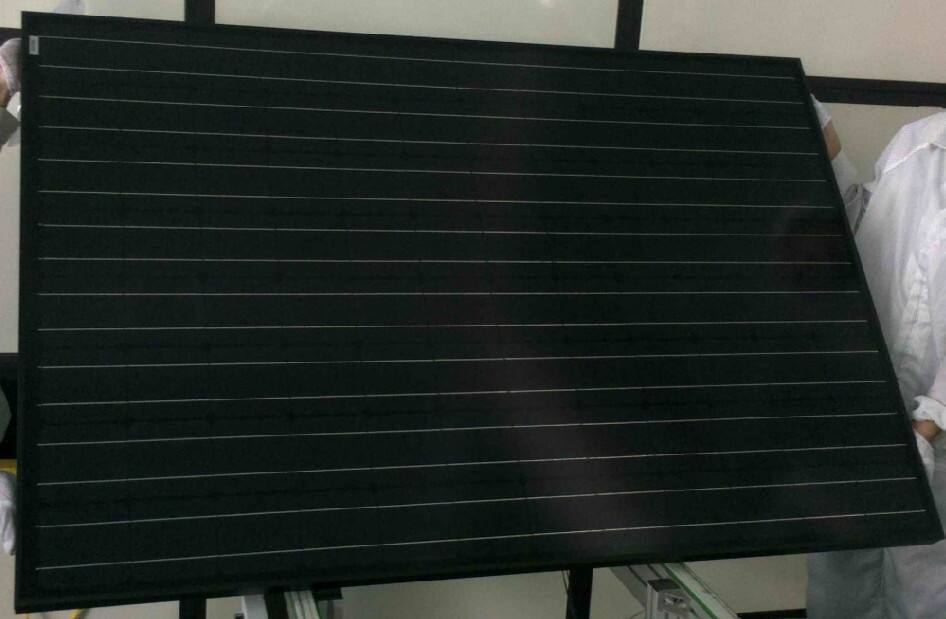
Tối đa hóa lợi tức đầu tư từ các tấm pin năng lượng mặt trời thương mại đòi hỏi một chiến lược bảo trì mang tính chiến lược, vượt xa hơn nhiều so với các lịch trình vệ sinh đơn thuần. Các hệ thống năng lượng mặt trời thương mại đại diện cho những khoản đầu tư vốn lớn, thường dao động từ hàng trăm nghìn đến hàng triệu đô la Mỹ, do đó việc bảo trì đúng cách là yếu tố then chốt để đạt được các khoản lợi nhuận tài chính dự kiến trong suốt tuổi thọ 25–30 năm của hệ thống. Việc hiểu rõ cách bảo trì phòng ngừa trực tiếp ảnh hưởng đến hiệu suất sản xuất điện và tuổi thọ của hệ thống là điều thiết yếu đối với các quản lý cơ sở và chủ doanh nghiệp nhằm tối ưu hóa hiệu quả đầu tư vào năng lượng mặt trời của họ.

Việc bảo trì hiệu quả các tấm pin năng lượng mặt trời thương mại đòi hỏi nhiều yếu tố liên quan mật thiết với nhau, trực tiếp ảnh hưởng đến hiệu suất tài chính trong dài hạn. Các nghiên cứu liên tục chỉ ra rằng các hệ thống năng lượng mặt trời thương mại được bảo trì tốt có thể đạt sản lượng điện cao hơn 15–20% so với các hệ thống bị bỏ bê, từ đó chuyển hóa thành những khoản tăng doanh thu đáng kể trong suốt tuổi thọ vận hành của hệ thống. Chìa khóa nằm ở việc triển khai các quy trình bảo trì toàn diện nhằm vừa tối ưu hóa hiệu suất ngay lập tức, vừa bảo tồn tài sản trong dài hạn, đảm bảo rằng các tấm pin năng lượng mặt trời thương mại của bạn tiếp tục mang lại lợi nhuận tài chính tối đa trong suốt thời gian sử dụng kéo dài.
Hiểu rõ tác động tài chính của việc bảo trì tấm pin năng lượng mặt trời
Định lượng lợi tức đầu tư (ROI) từ bảo trì thông qua dữ liệu hiệu suất
Mối quan hệ giữa chi phí bảo trì và lợi nhuận tài chính từ các tấm pin mặt trời thương mại tuân theo những mô hình dự báo được, nhờ đó các quản lý cơ sở có thể tận dụng để lập kế hoạch ngân sách. Chi phí bảo trì định kỳ thường chiếm 0,5–1,5% giá trị đầu tư ban đầu của hệ thống mỗi năm, trong khi việc bảo trì kém có thể làm giảm sản lượng điện thu được tới 20–30% hoặc hơn. Đối với một hệ thống pin mặt trời thương mại điển hình công suất 500 kW, tạo ra khoản tiết kiệm năng lượng hàng năm khoảng 80.000 USD, việc bảo trì đúng cách có thể tốn khoảng 5.000 USD mỗi năm nhưng giúp tránh được khoản thất thu do sản lượng giảm từ 16.000–24.000 USD, từ đó mang lại lợi ích ròng rõ ràng cho khoản đầu tư vào bảo trì.
Dữ liệu giám sát hiệu suất từ các tấm pin mặt trời thương mại cho thấy tổn thất hiệu suất liên quan đến bảo trì tích lũy theo thời gian. Sự suy giảm 2% mỗi năm do việc làm sạch và kiểm tra không đầy đủ có thể dẫn đến tổn thất năng lượng tích lũy vượt quá 40% sau 20 năm, làm giảm mạnh giá trị sử dụng trọn đời của hệ thống. Ngược lại, các hệ thống điện mặt trời thương mại được bảo trì tốt thường chỉ suy giảm ở mức 0,5–0,7% mỗi năm, giúp duy trì phần lớn công suất phát điện ban đầu trong suốt thời hạn bảo hành.
Cơ cấu chi phí bảo trì và tối ưu hóa ngân sách
Việc xây dựng ngân sách bảo trì hiệu quả cho các tấm pin năng lượng mặt trời thương mại đòi hỏi phải hiểu rõ cách phân bổ chi phí giữa các hoạt động bảo trì khác nhau. Bảo trì phòng ngừa thường chiếm 60–70% tổng chi phí bảo trì, bao gồm làm sạch định kỳ, kiểm tra hệ thống điện và kiểm tra các thành phần. Bảo trì sửa chữa chiếm 20–30% chi phí, nhằm xử lý các sự cố đã được xác định trước khi chúng gây ra hỏng hóc toàn bộ hệ thống. Các sửa chữa khẩn cấp, dù hy vọng là rất hiếm, có thể chiếm 10–15% chi phí bảo trì khi các quy trình bảo trì phòng ngừa được thực hiện đúng cách.
Các chiến lược bảo trì hiệu quả nhất về chi phí cho tấm pin mặt trời thương mại tập trung vào những hoạt động có tác động cao nhưng chi phí thấp nhằm ngăn ngừa các khoản sửa chữa tốn kém. Việc kiểm tra trực quan định kỳ có chi phí khoảng 0,02–0,05 USD mỗi watt mỗi năm, nhưng có thể phát hiện các vấn đề mà nếu không xử lý kịp thời có thể dẫn đến chi phí sửa chữa khẩn cấp lên tới 0,50–1,00 USD mỗi watt. Dịch vụ vệ sinh chuyên nghiệp thường có chi phí từ 0,10–0,25 USD mỗi tấm pin, nhưng giúp duy trì 95–98% công suất điện đầu ra ban đầu; trong khi các tấm pin bám bụi chỉ vận hành ở hiệu suất 75–85%.
Xây dựng Quy trình Vệ sinh và Kiểm tra Toàn diện
Tần suất và Phương pháp Vệ sinh Tối ưu
Việc xác định tần suất làm sạch phù hợp cho các tấm pin năng lượng mặt trời thương mại phụ thuộc vào các yếu tố môi trường đặc thù của từng vị trí lắp đặt. Các cơ sở nằm trong khu vực nhiều bụi, khu nông nghiệp hoặc khu công nghiệp có thể cần được làm sạch hàng tháng, trong khi các hệ thống lắp đặt tại môi trường sạch hơn có thể duy trì hiệu suất tối ưu với lịch trình làm sạch ba tháng một lần. Yếu tố then chốt là thiết lập các phép đo hiệu suất ban đầu để giúp quản lý cơ sở liên hệ được tần suất làm sạch với dữ liệu sản lượng điện, từ đó tối ưu hóa lịch trình làm sạch nhằm đạt hiệu quả chi phí cao nhất.
Các kỹ thuật làm sạch chuyên nghiệp dành cho tấm pin năng lượng mặt trời thương mại phải cân bằng giữa độ kỹ lưỡng và việc bảo vệ tấm pin. Các hệ thống làm sạch tự động mang lại kết quả nhất quán và giảm chi phí nhân công đối với các hệ thống quy mô lớn, thường hoàn vốn trong vòng 2–3 năm thông qua hiệu suất cải thiện và chi phí lao động thủ công giảm xuống. Việc làm sạch thủ công đòi hỏi các quy trình cụ thể, bao gồm lên lịch vào sáng sớm hoặc chiều muộn để tránh sốc nhiệt, sử dụng nước khử ion nhằm ngăn ngừa cặn khoáng và bàn chải chuyên dụng được thiết kế riêng cho bề mặt tấm pin năng lượng mặt trời.
Quy trình kiểm tra định kỳ về mặt thị giác và điện
Các quy trình kiểm tra toàn diện đối với tấm pin mặt trời thương mại cần bao gồm cả đánh giá trực quan và đánh giá điện, do các kỹ thuật viên có trình độ thực hiện. Kiểm tra trực quan nhằm phát hiện các hư hỏng vật lý, các mô hình bám bẩn, các vấn đề về che khuất và các sự cố liên quan đến độ bền của hệ thống gắn kết — những yếu tố này có thể ảnh hưởng đáng kể đến hiệu suất hoạt động. Các cuộc kiểm tra này cần ghi chép lại tình trạng tấm pin bằng danh sách kiểm tra tiêu chuẩn và bằng chứng hình ảnh, từ đó lập hồ sơ bảo trì hỗ trợ việc khiếu nại bảo hành cũng như đáp ứng các yêu cầu bảo hiểm.
Việc kiểm tra điện đối với các tấm pin mặt trời thương mại đòi hỏi thiết bị kiểm tra chuyên dụng để đo hiệu suất của từng chuỗi pin, xác định các đi-ốt nối tắt đang gặp sự cố và phát hiện các mối nối có điện trở cao làm giảm sản lượng năng lượng. Các cuộc khảo sát bằng hình ảnh nhiệt được thực hiện trong khoảng thời gian có ánh sáng mặt trời mạnh nhất có thể phát hiện các điểm nóng cho thấy các vấn đề về điện, các tế bào quang điện bị nứt hoặc các khuyết tật do nhà sản xuất gây ra—những vấn đề này thường không thể quan sát được trong các cuộc kiểm tra thị giác thông thường. Các đánh giá điện này cần được thực hiện sáu tháng một lần bởi kỹ thuật viên đã được chứng nhận nhằm đảm bảo hiệu suất tối ưu của hệ thống.
Triển khai Bảo trì Phòng ngừa nhằm Bảo vệ Tài sản Dài hạn
Inverter và Bảo trì Linh kiện Điện
Biến tần là thành phần quan trọng trong các hệ thống điện mặt trời thương mại, đòi hỏi sự bảo trì đặc biệt để đảm bảo độ tin cậy và hiệu suất lâu dài. Các thiết bị điện tử phức tạp này chuyển đổi nguồn điện DC từ các tấm pin mặt trời thành nguồn điện AC để kết nối với lưới điện, và sự hỏng hóc của chúng có thể làm ngừng hoạt động toàn bộ các phần của hệ thống. Bảo trì biến tần định kỳ bao gồm vệ sinh bộ lọc khí, kiểm tra hệ thống làm mát, kiểm tra các kết nối điện và cập nhật phần mềm để duy trì hiệu suất tối ưu và ngăn ngừa hư hỏng sớm.
Hộp kết hợp chuỗi (string combiner boxes) và các kết nối điện trong tấm pin mặt trời thương mại các hệ thống yêu cầu kiểm tra và bảo trì định kỳ để ngăn ngừa tổn thất năng lượng do các điểm nối có điện trở cao. Các điểm nối lỏng lẻo hoặc bị ăn mòn có thể tạo ra các vùng nóng, làm giảm hiệu suất hệ thống và gây nguy cơ cháy nổ. Quy trình bảo trì cần bao gồm kiểm tra mô-men xoắn của tất cả các điểm nối điện, quét hồng ngoại để phát hiện các vấn đề sinh nhiệt và thay thế các thành phần bị mài mòn hoặc hư hỏng trước khi chúng gây ra sự cố hệ thống.
Đánh giá hệ thống gắn kết và độ bền cấu trúc
Các hệ thống lắp đặt hỗ trợ tấm pin năng lượng mặt trời thương mại phải chịu được hàng chục năm tiếp xúc với thời tiết trong khi vẫn duy trì độ căn chỉnh chính xác của các tấm pin nhằm thu năng lượng tối ưu. Các cuộc kiểm tra cấu trúc định kỳ cần xác minh rằng thanh ray lắp đặt vẫn được cố định chắc chắn vào kết cấu mái nhà hoặc mặt đất, các kẹp tấm pin vẫn giữ đúng lực siết yêu cầu và hệ thống thoát nước hoạt động đúng chức năng để ngăn ngừa hư hại do nước. Những cuộc kiểm tra này đặc biệt quan trọng sau các sự kiện thời tiết khắc nghiệt có thể làm suy giảm độ toàn vẹn cấu trúc.
Các tấm pin mặt trời thương mại lắp trên mái đòi hỏi sự chú ý đặc biệt đến giao diện giữa hệ thống gắn kết và vật liệu lợp mái. Các điểm xuyên thủng để gắn kết hệ thống phải luôn đảm bảo kín nước nhằm ngăn ngừa hư hại cho công trình, và việc kiểm tra định kỳ các chất bịt kín cũng như lớp chống thấm giúp phát hiện sớm các nguồn rò rỉ tiềm ẩn trước khi chúng gây ra hư hại tốn kém cho phần nội thất.
Chiến lược Giám sát Nâng cao và Tối ưu Hóa Hiệu suất
Triển khai Giám sát Hiệu suất Thời gian Thực
Các tấm pin mặt trời thương mại hiện đại được hưởng lợi đáng kể từ các hệ thống giám sát tiên tiến cung cấp dữ liệu hiệu suất theo thời gian thực và cảnh báo tự động về các vấn đề bảo trì. Các hệ thống này theo dõi hiệu suất của từng tấm pin hoặc từng chuỗi pin, xác định các thành phần hoạt động kém cần được chú ý trước khi chúng ảnh hưởng nghiêm trọng đến sản lượng tổng thể của toàn bộ hệ thống. Dữ liệu giám sát giúp các đội bảo trì ưu tiên các hoạt động dựa trên tác động tài chính, xử lý trước những sự cố gây tổn thất năng lượng lớn nhất.
Phân tích hiệu suất đã được chuẩn hóa theo điều kiện thời tiết cho phép các quản lý cơ sở phân biệt giữa các biến động hiệu suất do điều kiện thời tiết gây ra với những vấn đề bảo trì cần can thiệp. Khả năng phân tích này giúp tối ưu hóa việc lập lịch bảo trì bằng cách xác định các xu hướng hiệu suất cho thấy các sự cố đang phát triển, từ đó thực hiện các biện pháp phòng ngừa trước khi các thành phần bị hỏng. Các hệ thống giám sát nâng cao có thể tích hợp với phần mềm quản lý cơ sở để tự động lên lịch các hoạt động bảo trì dựa trên ngưỡng hiệu suất và chu kỳ bảo trì.
Tích Hợp Công Nghệ Bảo Trì Dự Đoán
Các công nghệ bảo trì dự đoán đang cách mạng hóa quy trình bảo trì các tấm pin năng lượng mặt trời thương mại, sử dụng phân tích dữ liệu và học máy để dự báo sự cố của các thành phần trước khi chúng xảy ra. Các hệ thống này phân tích dữ liệu hiệu suất lịch sử, điều kiện môi trường và thông số kỹ thuật của từng thành phần nhằm dự đoán thời điểm bảo trì tối ưu và xác định các thành phần có khả năng cao nhất cần được thay thế. Phương pháp tiếp cận này giúp giảm thiểu tối đa thời gian ngừng hoạt động bất ngờ đồng thời tối ưu hóa việc phân bổ nguồn lực bảo trì.
Công nghệ kiểm tra dựa trên máy bay không người lái (drone) mang lại các phương pháp đánh giá chi phí hiệu quả đối với các hệ thống pin mặt trời thương mại quy mô lớn. Các camera độ phân giải cao và thiết bị chụp ảnh nhiệt được lắp đặt trên drone có thể khảo sát toàn bộ hệ thống trong vài giờ thay vì vài ngày, xác định chính xác các tấm pin bị hư hỏng, các mẫu bám bẩn và các điểm nóng điện — điều mà việc kiểm tra từ mặt đất không thể đạt được. Công nghệ này giúp giảm chi phí kiểm tra đồng thời nâng cao chất lượng ra quyết định bảo trì nhờ vào hồ sơ hình ảnh toàn diện.
Lập kế hoạch bảo trì theo mùa và cân nhắc các yếu tố thời tiết
Xây dựng lịch bảo trì theo mùa
Việc bảo trì hiệu quả các tấm pin năng lượng mặt trời thương mại đòi hỏi kế hoạch theo mùa, trong đó các hoạt động bảo trì được điều chỉnh phù hợp với các mô hình thời tiết và chu kỳ sản xuất năng lượng. Bảo trì vào mùa xuân cần tập trung vào việc làm sạch các tấm pin sau thời tiết mùa đông, kiểm tra hư hỏng do thời tiết gây ra và chuẩn bị hệ thống cho các tháng sản xuất điện cao điểm. Bảo trì vào mùa hè nhấn mạnh vào hiệu suất của hệ thống làm mát, độ bền của các kết nối điện trong điều kiện nhiệt độ cao và quản lý thực vật xung quanh các hệ thống lắp đặt trên mặt đất.
Các công việc chuẩn bị bảo trì vào mùa thu cho các tấm pin mặt trời thương mại bao gồm làm sạch toàn diện trước thời tiết mùa đông, kiểm tra hệ thống giá đỡ để đảm bảo kín khít chống thời tiết và xác minh hệ thống thoát nước nhằm ngăn ngừa hư hại do băng. Các hoạt động bảo trì mùa đông tập trung vào các chiến lược dọn tuyết, giám sát hư hại liên quan đến băng và duy trì lối tiếp cận tới các thành phần hệ thống then chốt để thực hiện sửa chữa khẩn cấp. Cách tiếp cận theo mùa này đảm bảo rằng các hoạt động bảo trì phù hợp cả với điều kiện thời tiết lẫn yêu cầu về hiệu suất hệ thống.
Giảm thiểu rủi ro liên quan đến thời tiết
Các hiện tượng thời tiết cực đoan gây ra rủi ro đáng kể đối với các tấm pin năng lượng mặt trời thương mại, đòi hỏi phải có quy trình chuẩn bị bảo trì và ứng phó cụ thể. Việc kiểm tra trước bão cần xác minh rằng toàn bộ thiết bị gắn kết đã được cố định đúng cách, hệ thống thoát nước không bị tắc nghẽn và hệ thống điện đã được nối đất đúng quy cách. Đánh giá sau bão phải ghi nhận đầy đủ mọi hư hại để phục vụ mục đích bảo hiểm, đồng thời ưu tiên yếu tố an toàn khi tiếp cận các thiết bị điện có khả năng bị hư hỏng.
Việc quản lý tuyết và băng trên các tấm pin năng lượng mặt trời thương mại đòi hỏi sự cân bằng giữa tối ưu hóa sản lượng điện và bảo vệ thiết bị. Mặc dù các tấm pin thường tự làm sạch nhờ bề mặt trơn nhẵn và góc nghiêng, tải trọng tuyết lớn có thể gây áp lực lên hệ thống gắn kết và làm giảm sản lượng điện. Các kỹ thuật gỡ tuyết an toàn giúp tránh hư hại tấm pin đồng thời khôi phục sản lượng điện, trong khi hệ thống sưởi có thể ngăn hình thành băng tại các khu vực thoát nước quan trọng mà không tiêu thụ quá nhiều năng lượng.
Câu hỏi thường gặp
Các tấm pin năng lượng mặt trời thương mại nên được vệ sinh chuyên nghiệp với tần suất bao lâu một lần?
Các tấm pin mặt trời thương mại thường nên được làm sạch chuyên nghiệp mỗi 3–6 tháng, tùy thuộc vào điều kiện môi trường. Các hệ thống lắp đặt ở khu vực nhiều bụi, khu vực nông nghiệp hoặc khu vực ô nhiễm cao có thể cần được làm sạch hàng tháng, trong khi các hệ thống ở môi trường sạch hơn có thể duy trì hiệu suất tối ưu với lịch trình làm sạch ba tháng một lần. Yếu tố then chốt là theo dõi dữ liệu sản lượng năng lượng để xác định thời điểm lớp bẩn bắt đầu ảnh hưởng đến hiệu suất, bởi vì điều này thay đổi đáng kể tùy theo điều kiện địa phương, mô hình thời tiết và góc lắp đặt.
Những thành phần nào là quan trọng nhất cần kiểm tra trong quá trình bảo trì định kỳ?
Các thành phần quan trọng nhất cần kiểm tra định kỳ bao gồm bộ nghịch lưu và hệ thống làm mát của chúng, các kết nối điện và hộp gộp (combiner boxes), thiết bị gắn cố định và các điểm liên kết cấu trúc, cũng như tình trạng từng tấm pin mặt trời, bao gồm các vết nứt hoặc các điểm nóng. Ngoài ra, cần đánh giá chức năng của hệ thống giám sát, độ toàn vẹn của hệ thống nối đất và khả năng chống thấm nước của tất cả các điểm xuyên điện. Những thành phần này ảnh hưởng trực tiếp nhất đến độ an toàn, hiệu suất và tuổi thọ của hệ thống khi phát sinh các vấn đề bảo trì.
Doanh nghiệp có thể định lượng tác động ROI của các chiến lược bảo trì khác nhau như thế nào?
Các doanh nghiệp có thể định lượng lợi tức đầu tư (ROI) từ bảo trì bằng cách so sánh dữ liệu sản lượng năng lượng trước và sau các hoạt động bảo trì, tính toán chi phí trên mỗi kWh năng lượng bị mất do các sự cố liên quan đến bảo trì, đồng thời theo dõi chi phí bảo trì so với mức cải thiện trong sản lượng năng lượng. Các phép đo hiệu suất nền tảng kết hợp với phân tích hóa đơn tiền điện cung cấp các chỉ số tài chính rõ ràng. Ngoài ra, việc gia hạn phạm vi bảo hành thiết bị thông qua hồ sơ bảo trì đầy đủ và ngăn ngừa sự cố nghiêm trọng của các bộ phận chính nhờ bảo trì phòng ngừa sẽ tạo ra các khoản tiết kiệm có thể định lượng được — thường cao gấp 3–5 lần chi phí bảo trì.
Những dấu hiệu cảnh báo nào cho thấy cần thực hiện bảo trì ngay lập tức?
Cần thực hiện bảo trì ngay lập tức khi các hệ thống giám sát ghi nhận sự sụt giảm đột ngột về sản lượng năng lượng vượt quá 10%, hư hỏng rõ ràng trên các tấm pin như nứt vỡ hoặc dấu vết cháy, mã lỗi bộ biến tần hoặc tình trạng bộ biến tần ngừng hoạt động, hoặc các dấu hiệu nước xâm nhập vào khu vực các thành phần điện. Ngoài ra, các yếu tố như bu-lông và phụ kiện lắp đặt bị lỏng, ống dẫn hoặc dây cáp bị hư hỏng, âm thanh bất thường phát ra từ thiết bị điện, hoặc chênh lệch hiệu suất giữa các phần tương tự trong hệ thống cũng đòi hỏi phải được chuyên gia đánh giá ngay để ngăn ngừa rủi ro an toàn hoặc hư hỏng nghiêm trọng cho toàn bộ hệ thống.
Table of Contents
- Hiểu rõ tác động tài chính của việc bảo trì tấm pin năng lượng mặt trời
- Xây dựng Quy trình Vệ sinh và Kiểm tra Toàn diện
- Triển khai Bảo trì Phòng ngừa nhằm Bảo vệ Tài sản Dài hạn
- Chiến lược Giám sát Nâng cao và Tối ưu Hóa Hiệu suất
- Lập kế hoạch bảo trì theo mùa và cân nhắc các yếu tố thời tiết
-
Câu hỏi thường gặp
- Các tấm pin năng lượng mặt trời thương mại nên được vệ sinh chuyên nghiệp với tần suất bao lâu một lần?
- Những thành phần nào là quan trọng nhất cần kiểm tra trong quá trình bảo trì định kỳ?
- Doanh nghiệp có thể định lượng tác động ROI của các chiến lược bảo trì khác nhau như thế nào?
- Những dấu hiệu cảnh báo nào cho thấy cần thực hiện bảo trì ngay lập tức?
