
 EN
EN
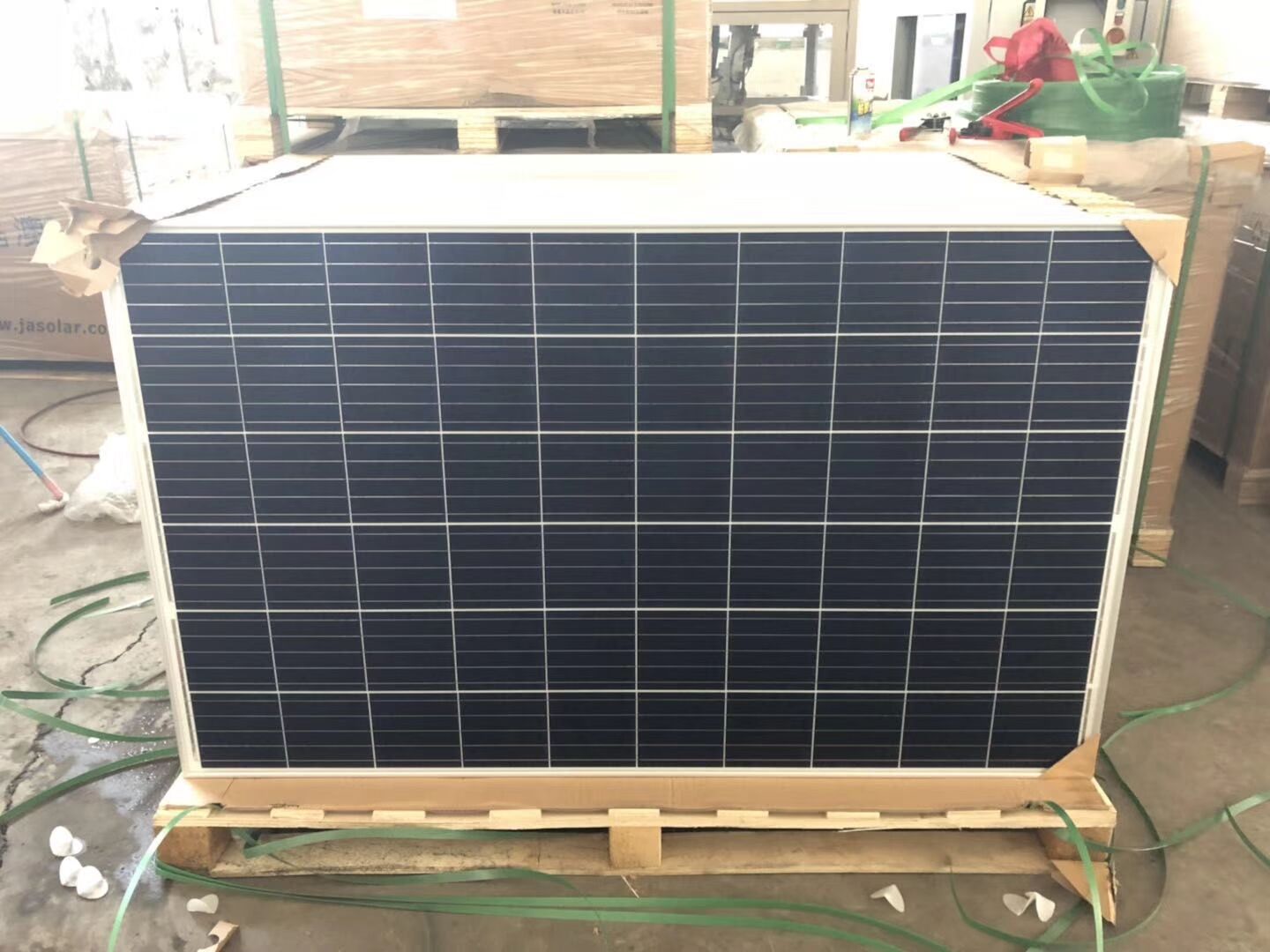
פרויקטים מסחריים גדולים מייצגים השקעות פיננסיות משמעותיות שדורשות התייחסות זהירה לרווחים ארוכי הטווח וליעילות הפעולה. בעת הערכת פתרונות אנרגיה לפרויקטים גדולים אלו, פאנלים סולריים בעלי יעילות גבוהה עולים כבחירה אסטרטגית שמשפיעה ישירות על הרווחיות של הפרויקט, על מטרות הקיימות שלו ועל מעמדו התחרותי בשוק האנרגיה המודע של ימינו. ההחלטה לשלב טכנולוגיה פוטווארית מתקדמת בפיתוחים מסחריים דורשת הבנה הן בהשלכות ההשקעה המיידית והן בתועלות הביצוע לאורך עשורים.

מפתחי פרויקטים מסחריים ניצבים בפני לחץ גובר לספק בניינים שיעלו ביעילות אנרגטית ויעמדו בתקנות הסביבתיות הולכות וגוברות, תוך שמירה על תשואות השקעה מושכות. פאנלים סולריים בעלי יעילות גבוהה מספקים פתרון משכנע שפותר מספר מטרות עסקיות בו זמנית – החל מהפחתת עלויות האנרגיה הפעילה ועד להגבהת ערך הנכסים ולקיום התחייבויות החברתיות של החברה בתחום ההישרדות האקולוגית. הבנת היתרונות הספציפיים שטכנולוגיות סולריות מתקדמות אלו מציעות ליישומים מסחריים בקנה מידה גדול הופכת לחיונית לצורך קבלת החלטות השקעה מושכלות, אשר תואמות הן את דרישות השוק הנוכחיות והן את הדרישות التنظימיות העתידיות.
הטבות ביצועים פיננסיים של טכנולוגיית סולארית בעלת יעילות גבוהה
ייצור אנרגיה מעולה למטר רבוע
פאנלים סולריים בעלי יעילות גבוהה מספקים פלט אנרגיה גבוה בהרבה למטר רבוע מותקן בהשוואה למודולים פוטו-וולטאיים סטנדרטיים, ויוצרים ערך מיידי לנכסים מסחריים שמרחבים מוגבלים. פאנלים מתקדמים אלו משיגים בדרך כלל דירוגי יעילות של 20–22%, מה שמעל בפער משמעותי את המודולים הרגילים שיעילותם נעה בין 15% ל-17%. בפרויקטים מסחריים גדולים, שבהם שטח הגג הוא בעל ערך גבוה במיוחד, מקסימיזציה של ייצור האנרגיה בתוך שטחי ההתקנה הזמינים הופכת קריטית לאופטימיזציה של תשואות ההשקעה.
הצפיפות החזקית המוגברת של לוחות סולאריים בעלי יעילות גבוהה מתורגם ישירות ליכולת מוגברת להפקת הכנסות דרך קצבים גבוהים יותר של ייצור קילוואט-שעה. נכסים מסחריים יכולים להשיג את מטרות ייצור האנרגיה המבוקשות שלהם באמצעות פחות התקנות פאנלים, מה שמביא להפחתת עלויות החומר ולקושי בהתקנה, תוך שמירה על מדדי ביצועים מעולים. יתרון היעילות הזה הופך לחשוב במיוחד עבור פרויקטים מסחריים בסביבות עירוניות, שבהן שטח הגג הזמין נאלץ לעמוד בדרישות מתחרות ממערכות מיזוג אויר, ציוד תקשורת ורכיבי תשתית נוספים של הבניין.
קיצוץ זמני התשואה על ההשקעה
תקופות החזרת ההשקעה ללוחות סולריים בעלי יעילות גבוהה נעות בדרך כלל בין 6 ל-8 שנים להתקנות מסחריות, לעומת 8–12 שנים למערכות בעלות יעילות סטנדרטית. תקופת הזמן המואצת הזו נובעת מדרגות יצור אנרגיה גבוהות יותר שיוצרות חיסכון גדול יותר בשירותי החשמל וריווחים מקרדיטי אנרגיה מתחדשת לאורך תקופת הפעולה של המערכת. בעלי נכסים מסחריים נהנים מהחזרון המואץ של ההון, מה שמאפשר הזדמנויות להשקעה מחדש וניהול משופר של זרימת המזומנים לצורך הפעלה מתמשכת של המתקנים.
הביצוע התחבורי המוגדל של פאנלים סולריים בעלי יעילות גבוהה מתבטא במיוחד ביישומים מסחריים עם דפוסי צריכה גבוהה של אנרגיה ביום. בנייני משרדים, מתקני ייצור ומורכבים קמעונאיים שפועלים בעיקר בשעות השיא של ייצור האנרגיה הסולרית מקסמים את ערך ההצעה של טכנולוגיית הפוטוoltaיקה המתקדמת באמצעות הצבת ישירה של עלות האנרגיה. מתקנים אלו ממנעים רכישה של חשמל יקר מהרשת בשעות ביקוש שיא, ומביאים לחיסכון תפעולי מיידי שמצטבר לאורך תקופת האחריות של המערכת – 25–30 שנה.
יתרונות תפעוליים ליישומים מסחריים בקנה מידה גדול
הפחתת מורכבות המערכת ודרישות התיקון
לוחות סולריים בעלי יעילות גבוהה דורשים פחות מודולים בודדים כדי להשיג את מטרות ייצור האנרגיה המבוקשות, מה שמקל על תכנון המערכת, הליכי ההתקנה וההנחיות לתפעול ותחזוקה מתמשכים לפרויקטים מסחריים גדולים. מספר קטן של לוחות גורם להפחתת נקודות החיבור, לצמצום אפשרויות כשל פוטנציאליות ולשדרוג דרישות הניטור, מה שמביא להפחתת עלויות הפעלה לאורך תקופת החיים היעילה של המערכת. ארכיטקטורה פשוטה זו מועילה במיוחד למבנים מסחריים הכוללים מספר מבנים או אתרי התקנה מפוזרים הדורשים ניהול אנרגיה מאורגן.
טכנולוגיות ייצור מתקדמות המשמשות בפאנלים סולריים בעלי יעילות גבוהה כוללות לעיתים קרובות תכונות עמידות משופרות, כולל הגנה משופרת על התאים, חומרים לאינקפסולציה עמידים למטאורולוגיה ומבנה מסגרת עמיד שתוכנן ליישומים מסחריים. שיפור האיכות הזה מתבטא בצמצום תדירות ההתערבות לתיקון, דרישה נמוכה יותר לחלקי חילוף ואמינות מבצעית מוארכת שמביאה לצמצום עלויות עצירות לא צפויות למנהלי מתקנים מסחריים.
הגברת העצמאות מהרשת והבטחת האנרגיה
פרויקטים מסחריים גדולים שמצוידים פאנלים סולריים בעלי יעילות גבוהה מושגים עצמאות אנרגטית רבה יותר באמצעות יכולות י Sob-הספקה עתירת-אנרגיה יוצאת דופן באתר. העצמאות המוגברת הזו הופכת ליותר ערכית ככל שמחירים של חברות החשמל ממשיכים לעלות ואמינות הרשת נפגעת מאירועי מזג אוויר קיצוניים, מתקנים ישנים ועומסים גדלים של ביקוש. מתקני מסחר יכולים להמשיך לפעול בקריטיות במהלך הפרעות ברשת, ובמקביל לצמצם את החשיפה לתנודות מחירים של האנרגיה שמשפיעות על תקציבי הפעילות.
תפוקת החשמל הגבוהה יותר של פאנלים סולאריים יעילים מאפשרת לנכסים מסחריים לנקוט באסטרטגיות מתקדמות לניהול אנרגיה, כולל שילוב אחסון סוללות, תשתית טעינה לרכבים חשמליים ותוכניות השתתפות בתגובה לביקוש. יכולות מורחבות אלו יוצרות הזדמנויות הכנסה נוספות תוך מיצוב פיתוחים מסחריים כנכסים בעלי חשיבה קדימה המושכים שוכרים ומשקיעים בעלי מודעות סביבתית המחפשים הזדמנויות השקעה בנות קיימא.
מיקום שוק אסטרטגי והטבות התאמה לתקנות
היענות לסטנדרטים מתפתחים לביצוע אנרגטי של מבנים
תקנות אנרגיה לבניינים מסחריים מגדילות את הדרישות לאינטגרציה של מקורות אנרגיה מתחדשים, ורבות מהרשויות דורשות שמבנים חדשים יגשימו ביצוע אנרגטי של אפס-נטו או יעברו סף מסוים של ייצור אנרגיה מתחדשת. פאנלים סולריים בעלי יעילות גבוהה מספקים את הדרך האפקטיבית ביותר להיענות לדרישות רגולטוריות אלו תוך כדי התאמה למגבלות práקטיות של שטח ותקציב ששולטות בפרויקטים של בנייה מסחרית. אימוץ מוקדם של טכנולוגיית סולארית מתקדמת מעניק נכסים מסחריים יתרון על עקומות הרגולציה, ובכך מונע שינויים מאוחרים יקרים הנדרשים לשם התאמה.
מאפייני הביצועים המתקדמים של פאנלים סולריים בעלי יעילות גבוהה מאפשרים לפרויקטים מסחריים לעלות על דרישות הרגולציה המינימליות, ויוצרים הזדמנויות לתהליכי רישוי מואצים, תוכניות תמריצים של חברות החשמל ותעריפי בונוס להגדרת מבנים ירוקים. יתרונות אלו מתורגמים לעיתים קרובות ללוחות זמנים מקוצרות לסיום הפרויקט ולשיפוץ שווי הנכסים, מה שמצדיק את העלות הראשוניות הגבוהות יותר הקשורים בהתקנת טכנולוגיות פוטו-וולטאיות מתקדמות.
קיימות תאגידית ומשיכה של השקעות בסוגיות ESG
נכסים מסחריים שכוללים פאנלים סולריים בעלי יעילות גבוהה מפגינים הפחתה מדידה בהשפעה הסביבתית, אשר תומכת בדרישות דיווח עמידות ארגוניות ובקריטריוני הון סביבתי, חברתי ומשרדי (ESG) שזוכים להדגשה מתמדת מצד משקיעים מוסדיים. הפחתת טביעת הפלדה הקרבונית שהושגה באמצעות ייצור אנרגיה מתקדם יותר הופכת את המתקנים הללו למשיכה עבור שוכרים תאגידים שמתעניינים בסביבה ומזדמנים לשלם דמי שכירות מעולים עבור פתרונות סביבתיים מוכחים של מרחבי עבודה.
הטבות הסביבתיות הניתנות למדידה של פאנלים סולריים בעלי יעילות גבוהה מספקות למלאכי נכסים מסחריים מדדים קונקרטיים לעמידות לשימוש בחומרי שיווק, מצגות לשוכרים ותקשורת עם משקיעים. התוצאות הניתנות למדידה הללו תומכות באסטרטגיות קידום בפרימיום שמייצרות הבחנה בין נכסים מסחריים בשווקי השכירות التنافסיים, ובמקביל מושכות הון השקעה שמיועד במיוחד לפרויקטים של פיתוח נדל"ן עמיד.
יצירת ערך ארוך טווח ושיפור הנכסים
שיפור הערכת הנכסים באמצעות תשתית אנרגיה
נכסים מסחריים שמצוידים פאנלים סולריים בעלי יעילות גבוהה חווים בדרך כלל עלייה בשווי הנכסים שלהם בטווח של 3–7% בהתאם לחסכונות האנרגיה הנספים והפוטנציאל להפקת הכנסות. מעריכי נדל"ן מכירים יותר ויותר במערכות אנרגיה מתחדשת כשיפורים המוסיפים ערך, אשר משפרים את היכולת השיווקית של הנכס ומקטינים את פרופילי הסיכון التشغילית לקונים הפוטנציאליים. שיפורים אלו בשווי הנכסים לעתים קרובות עולים על עלויות ההשקעה הראשונית במערכת, ויוצרים יתרונות מיידיים בהון העצמי לבעלי נכסים מסחריים.
הבטחות ביצוע לטווח הארוך שקשורים ללוחות סולריים בעלי יעילות גבוהה מספקים ערבות ערך ניתנות להעברה שמשפרות את היכולת של הנכס למכירה בשוק בעתיד. משקיעים בנדל"ן מסחרי רואים במערכות אלו שיפורים בתשתיות ולא כנכסים המפסידים ערך, מה שמאפשר הערכת נכסים גבוהה יותר ותנאי מימון משופרים עבור פעולות רכישה וריפיננסינג לאורך מחזור החיים של הבעלות על הנכס.
הכנה לעתיד מול עליית עלויות האנרגיה
לוחות סולריים בעלי יעילות גבוהה מספקים למבנים מסחריים הגנה מפני עליות עתידיות בתעריפי החשמל, אשר באופן היסטורי עלו ב-2–3% לשנה מעל שיעור האינפלציה הכללית. מגן עלויות האנרגיה הזה הופך ליותר בעל ערך עבור מבנים מסחריים שכוללים הסכמים שכירות לטווח ארוך הכוללים סעיפים לעליית עלויות האנרגיה, ומאפשר לבעלי הנכס לשמור על יחס הוצאות תפעול תחרותי תוך הגנה על שולי הרווח מפני תנודתיות בתעריפי החשמל.
האורך המורחב של תקופת הפעולה של פאנלים סולריים בעלי יעילות גבוהה, אשר לרוב מוגנים על ידי אחריות של 25–30 שנה לביצוע, מספק עשרות שנים של יציבות צפויה בהוצאות האנרגיה, מה שמעליב את משיכת ההשקעה בנכסים מסחריים. וודאות עלות ארוכת טווח זו מאפשרת מודלים פיננסיים מדויקים יותר לפרויקטים של פיתוח מסחרי, ובמקביל מפחיתה גורמי סיכון תפעוליים המשפיעים על החלטות הלוואה והערכות תשואת ההשקעה.
שאלה נפוצה
מה ההבדל הרגיל בעלויות בין פאנלים סולריים בעלי יעילות גבוהה לפאנלים סולריים סטנדרטיים בפרויקטים מסחריים?
פאנלים סולריים בעלי יעילות גבוהה עולים לרוב ב-15–25% יותר לואט מאשר מודולים בעלי יעילות סטנדרטית, אך תוספת עלות זו נדונה לעיתים קרובות על ידי הפחתת עלויות ההתקנה, בעקבות הצורך במיעוט פאנלים, וכן על ידי תקופת החזר קצרה יותר בזכות ייצור אנרגיה גבוה יותר. בפרויקטים מסחריים גדולים, ההבדל הכולל בעלויות המערכת נע בדרך כלל בין 10–15%, תוך שהפאנלים מספקים תפוקת אנרגיה גבוהה ב-20–30% לאורך תקופת חייהם.
איך פנלים סולריים בעלי יעילות גבוהה מתפקדים בתנאי מזג אוויר שונים שקשורים לפעולת מסחרית?
פנלים סולריים בעלי יעילות גבוהה שומרים על ביצועים מעולים בתנאי מזג אוויר מגוונים, כאשר טכנולוגיות תאים מתקדמות מספקות ביצועים טובים יותר באור נמוך ומקדמי טמפרטורה נמוכים יותר שמצמצמים את אובדי הכוח בעת מזג אוויר חם. התקנות מסחריות נהנות מייצור אנרגיה עקבי יותר לאורך השינויים העונתיים, מה שמאפשר הפחתת עלויות הפעלה צפויות ללא תלות בתנאי האקלים המקומיים.
אילו אפשרויות מימון זמינות במיוחד להתקנת פנלים סולריים בעלי יעילות גבוהה על נכסים מסחריים?
למבנים מסחריים יש גישה למימון מיוחד, כולל הלוואות סולריות, הסכמי רכישת חשמל (PPA), הסדרי שכירות ציוד והסכמים עם חברות שירות אנרגיה, אשר דורשים הון ראשוני מינימלי אך מספקים חיסכון תפעולי מיידי. רבים מהמלווים מציעים תנאים מועדפים להתקנות סולריות בעלות יעילות גבוהה בשל מאפייני הביצועים המצוינים שלהן ופרופילי הסיכון התפעולי הנמוכים.
כמה זמן נמשכת בדרך כלל ההתקנה של מערכות סולאריות בעלות יעילות גבוהה בבניינים מסחריים גדולים?
הזמן הדרוש להתקנה של פאנלים סולאריים בעלי יעילות גבוהה בפרויקטים מסחריים גדולים נע בדרך כלל בין 4 ל-8 שבועות, בהתאם לגודל המערכת ולמורכבות הבניין, וברוב המקרים הוא קצר יותר מאשר במערכות סטנדרטיות בשל הצורך בכמות קטנה יותר של פאנלים. הקיצור בזמן ההתקנה מפחית את ההפרעה לפעילות המסחרית המתמשכת, ומאיץ את השגרה להשגת חיסכון אנרגטי תפעולי ותועלות על השקעה.
Table of Contents
- הטבות ביצועים פיננסיים של טכנולוגיית סולארית בעלת יעילות גבוהה
- יתרונות תפעוליים ליישומים מסחריים בקנה מידה גדול
- מיקום שוק אסטרטגי והטבות התאמה לתקנות
- יצירת ערך ארוך טווח ושיפור הנכסים
-
שאלה נפוצה
- מה ההבדל הרגיל בעלויות בין פאנלים סולריים בעלי יעילות גבוהה לפאנלים סולריים סטנדרטיים בפרויקטים מסחריים?
- איך פנלים סולריים בעלי יעילות גבוהה מתפקדים בתנאי מזג אוויר שונים שקשורים לפעולת מסחרית?
- אילו אפשרויות מימון זמינות במיוחד להתקנת פנלים סולריים בעלי יעילות גבוהה על נכסים מסחריים?
- כמה זמן נמשכת בדרך כלל ההתקנה של מערכות סולאריות בעלות יעילות גבוהה בבניינים מסחריים גדולים?
