Get a Free Quote

Our representative will contact you soon.
Email
WhatsApp
Name
Company Name
Message
0/1000
News

Home /  News

China's photovoltaic solar panel exports double in March 2026, setting a historical record of 68 gigawatts

Time : 2026-05-15

Green breakthrough under energy crisis: China's photovoltaic exports double in March, setting a historical record of 68 gigawatts

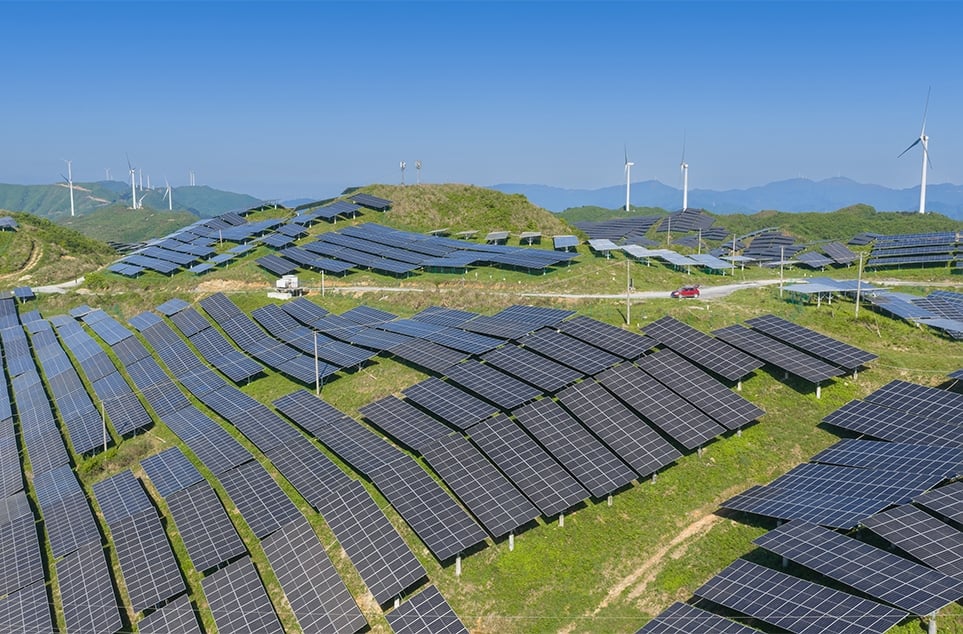
On April 28, 2026, global energy think tank Ember released the latest data showing that the total installed capacity of China's solar panel, battery, and silicon wafer exports reached 68 gigawatts in March, nearly doubling from February and 49% higher than the historical record set in August 2025. This scale is equivalent to the total installed capacity of solar energy in Spain. Against the backdrop of the global energy crisis triggered by the geopolitical conflict in the Middle East, China's photovoltaic industry has become a core force in the global energy transformation wave with its full industry chain advantage.

Global energy panic drives photovoltaic rush

Since late February, the conflict between the United States, Israel, and Iran has continued to escalate, with Iran announcing the blockade of the Strait of Hormuz, a global energy chokepoint, resulting in the disruption of approximately 20% of global oil and 15% of natural gas supply. The attacks on Qatar's liquefied natural gas facilities and the bombing of Iran's natural gas plant have further exacerbated the turbulence in the global energy market. International Energy Agency (IEA) Director Fatih Birol has warned that the Middle East crisis has triggered the largest supply disruption in the history of the global oil market, and the energy crisis is evolving from a risk premium phase to a substantial shortage phase.

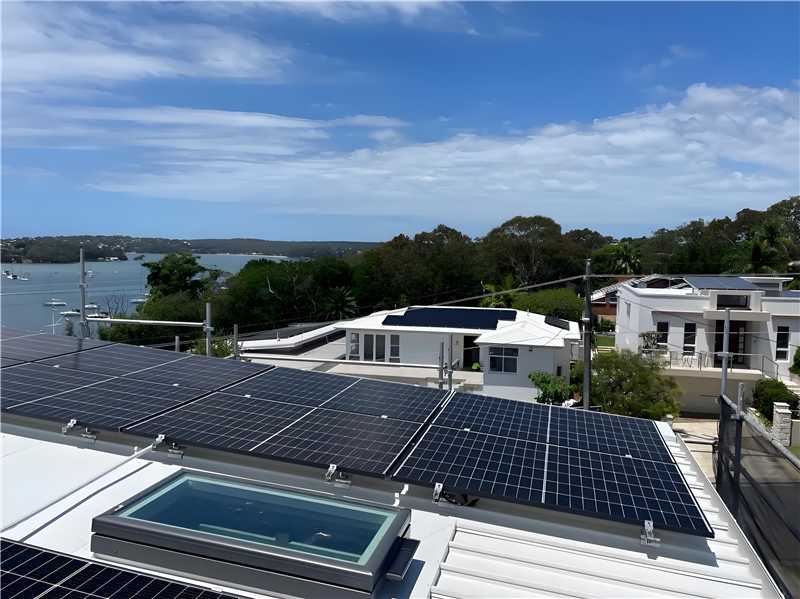
The soaring energy prices and supply uncertainty have prompted countries to accelerate their energy structure transformation. Data shows that in March, at least 50 countries worldwide imported a record high amount of photovoltaic products from China, and another 60 countries recorded the highest import volume in nearly six months. Among them, the import volume of the African market reached 10 gigawatts, an increase of 176% compared to February; The import volume of the Asian market reached 39 gigawatts, doubling month on month, and the two major markets together contributed three-quarters of China's increase in photovoltaic exports. India, Nigeria, Kenya and other countries have all exceeded 1 gigawatt in monthly imports for the first time, while Japan, Australia and the European Union have also set records for procurement volume.

The resonance between policy windows and long-term demand drives up exports

The explosive growth of China's photovoltaic exports this time is the result of the combined effect of short-term policy window and long-term energy transformation demand. On the one hand, the Ministry of Finance and the State Administration of Taxation previously announced the cancellation of the 13% export tax rebate policy for the entire photovoltaic industry chain from April 1, 2026. This policy adjustment directly promotes overseas buyers' "grabbing orders" behavior. In January and February, China's photovoltaic module exports once fell by 9% year-on-year, but in March, the export volume surged by 96.3% month on month, reaching 32 gigawatts, with an export value of 3.61 billion US dollars, a significant increase of 125% month on month, showing a typical policy window period of concentrated shipment characteristics.

On the other hand, the energy security anxiety triggered by the Middle East crisis is reshaping the global energy demand structure. Ursula Vondrein, President of the European Commission, made it clear that he regarded the crisis as a turning point to get rid of dependence on fossil fuels and planned to accelerate the layout of renewable energy; South Korean President Lee Jae myung called for "getting rid of fossil fuels as soon as possible", as the country previously relied on the Strait of Hormuz for 70% of its crude oil supply; Vingroup, a Vietnamese conglomerate, has even abandoned large-scale liquefied natural gas power generation projects and instead invested in the field of photovoltaic energy storage.

Industry experts believe that the short-term stimulus effect brought by the export tax rebate policy may gradually fade after April, but the energy security demand caused by geopolitical conflicts has shifted from "optional" to "essential". Wang Bohua, Secretary General of the China Photovoltaic Industry Association, pointed out that "the export surge in March may seem accidental, but it is actually the inevitable intersection of the long-term trend of global energy transformation and short-term crisis events

The advantage of the entire industry chain creates China's photovoltaic competitiveness

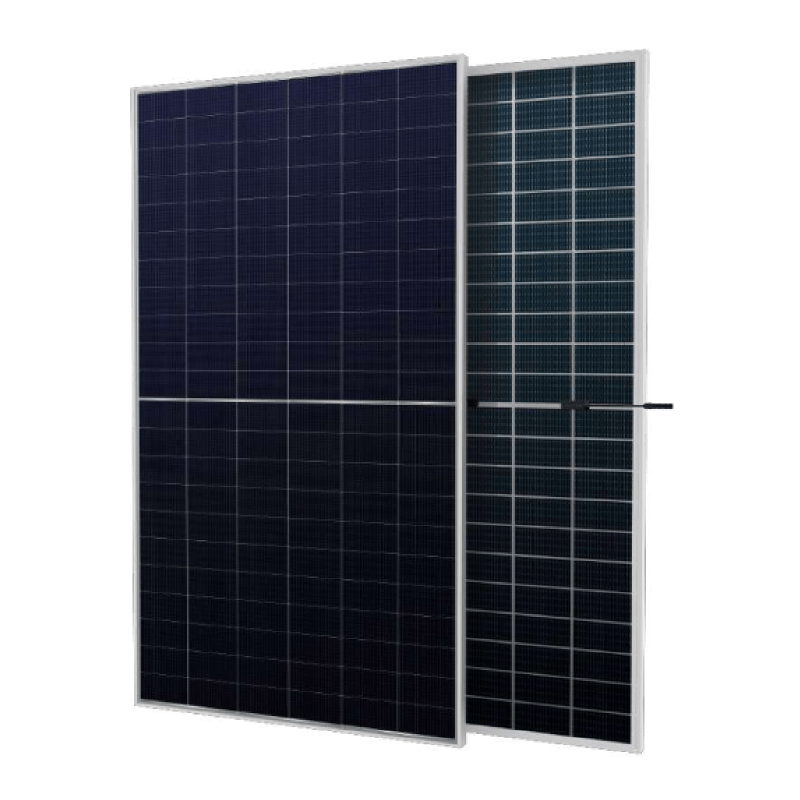
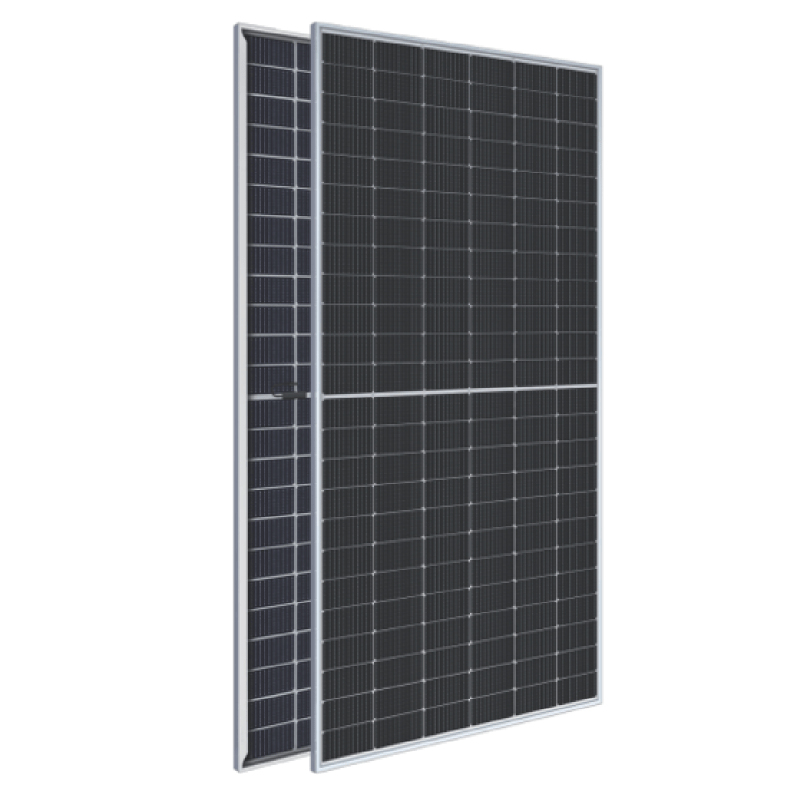
In the global photovoltaic rush, Chinese companies are able to stand out thanks to their accumulated advantages in the entire industry chain over the years. At present, China produces over 80% of the global solar modules, with silicon materials, silicon wafers, and solar cells accounting for 96%, 96.2%, and 91.3% of the global market respectively, forming a complete industrial chain layout from raw materials to end products.

Technological leadership is one of the core competitiveness of China's photovoltaic industry. Chinese companies have over 70% of global patents in the field of N-type batteries, with production efficiency leading by 1.5-2 percentage points compared to overseas peers, but costs are 30% -40% lower. Leading companies such as Longi Green Energy and JinkoSolar have received a large number of orders in markets such as Europe and Southeast Asia with advanced technologies such as HPBC 2.0. Tongwei Co., Ltd. recently received component orders for 500MW in Italy and 1GW in Poland. Longi Green Energy has reached a new component cooperation intention with its Dutch EPC partner, demonstrating the technological strength of Chinese enterprises.

The cost advantage brought by economies of scale further consolidates the market position of Chinese photovoltaics. After more than ten years of development, China's photovoltaic industry has formed a mature industrial cluster, and the export volume of provinces such as Jiangsu, Zhejiang, and Shaanxi ranks among the top in the country. By 2025, China's cumulative installed capacity of photovoltaic power generation will reach 763.5 gigawatts, ranking first in the world for ten consecutive years. The huge domestic market provides a solid foundation for technological iteration and cost reduction.

The future path of opportunities and challenges coexisting

Despite impressive export data in March, China's photovoltaic industry still faces many challenges. With the cancellation of export tax rebate policies, the price advantage of Chinese photovoltaic products will weaken to some extent; The trade protectionism tendency still exists in markets such as the United States and the European Union. By 2025, there will be 11 new trade remedy cases in the global photovoltaic field, involving a total of 38.6 gigawatts of modules; Insufficient power grid construction, financing capacity, and project reserves in some emerging markets may lead to short-term inventory backlog.

Faced with a complex external environment, Chinese photovoltaic companies are accelerating their strategic transformation. Leading companies such as Longi Green Energy and Jinko Solar have successively established production bases overseas, building a risk hedging system of "multiple bases, multiple markets, and multiple currencies"; Enterprises such as Trina Solar are increasing their technological research and development in energy storage, smart grids, and other fields to promote the integration and development of the photovoltaic industry with other forms of energy.

In the medium to long term, the overall trend of global energy transition is irreversible. The International Energy Agency predicts that by 2030, the proportion of renewable energy generation worldwide will increase from the current 28% to over 40%. The Chinese photovoltaic industry, with its technological, scale, and cost advantages, is expected to continue playing a core role in the global energy transition wave. As Erika Towns, a senior research scholar at the Global Energy Policy Center at Columbia University, said, "This energy crisis provides a historic opportunity for China to become an 'energy powerhouse', and the Chinese photovoltaic industry is moving from 'Made in China' to 'Created in China' and 'Chinese Standards'

PWSOLAR will also be committed to global green and new energy living, making efforts and contributions.

15.jpeg

PREV : None

NEXT : The crisis in the Strait of Hormuz is stirring up the energy landscape, and global demand for solar panel is raising up

Inquiry Inquiry chinas photovoltaic solar panel exports double in march 2026 setting a historical record of 68 gigawatts-0 chinas photovoltaic solar panel exports double in march 2026 setting a historical record of 68 gigawatts-1 chinas photovoltaic solar panel exports double in march 2026 setting a historical record of 68 gigawatts-2

Get a Free Quote

Our representative will contact you soon.
Email
WhatsApp
Name
Company Name
Message
0/1000