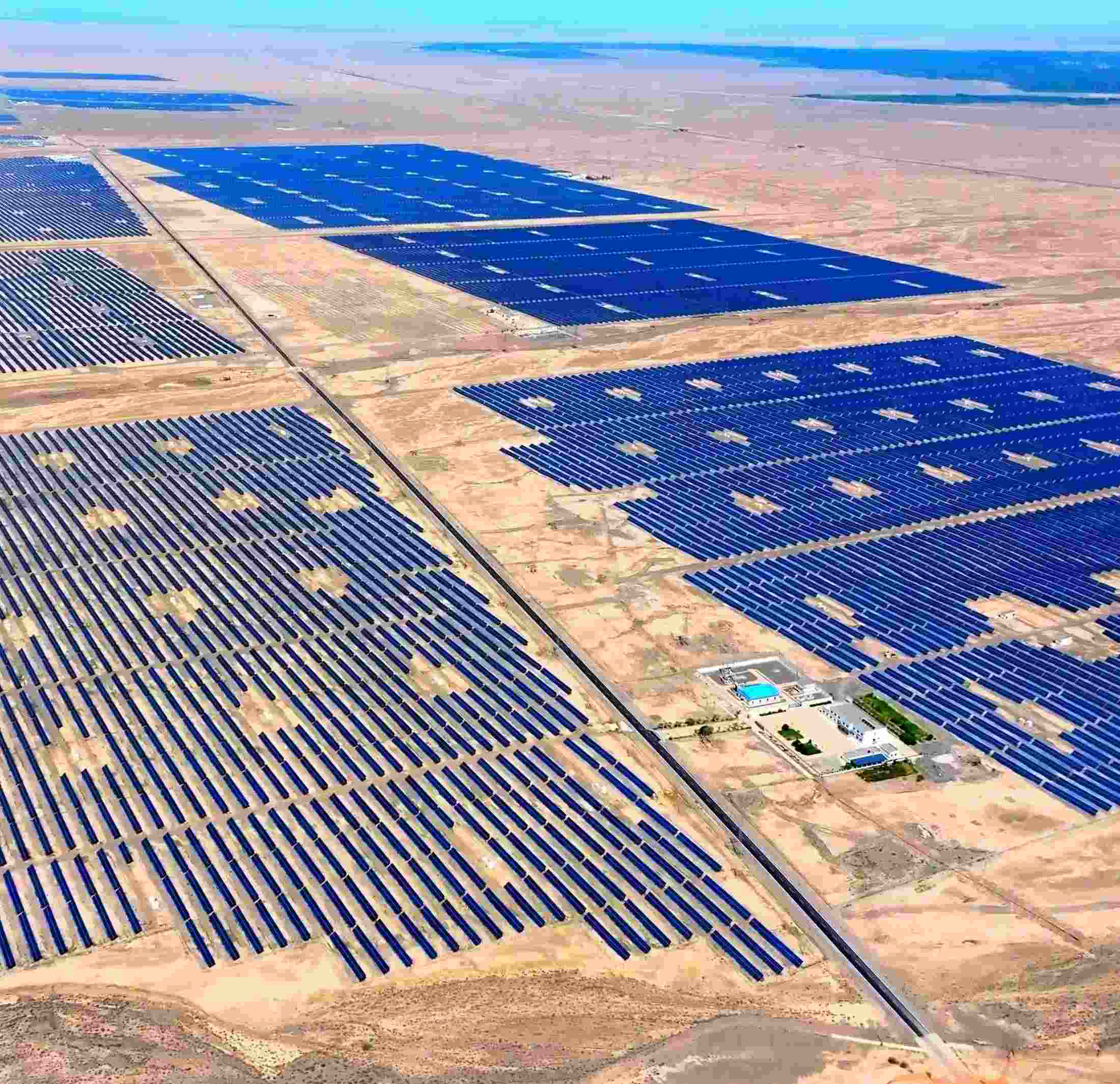
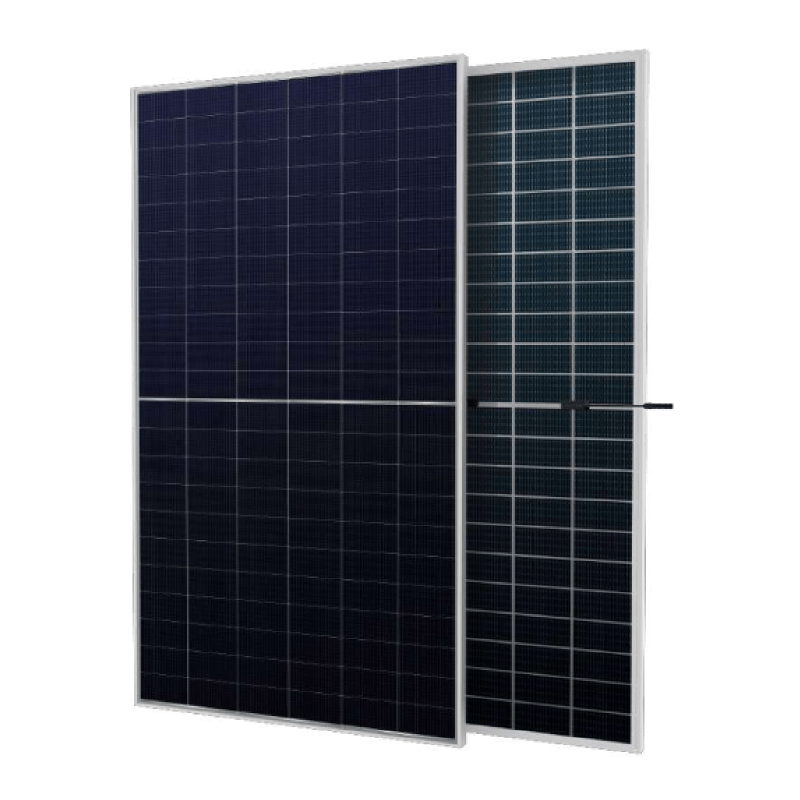
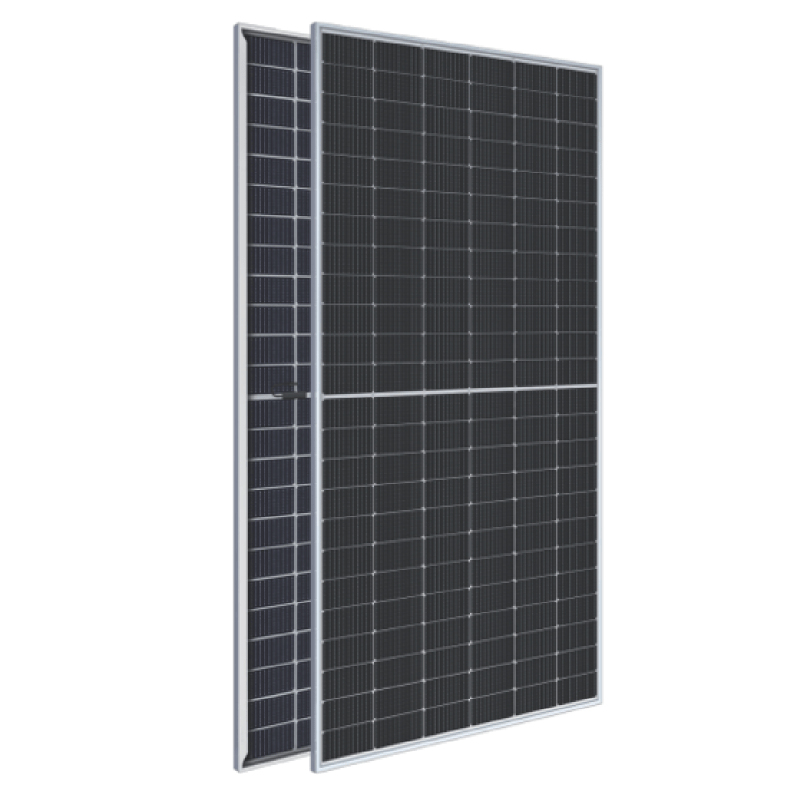
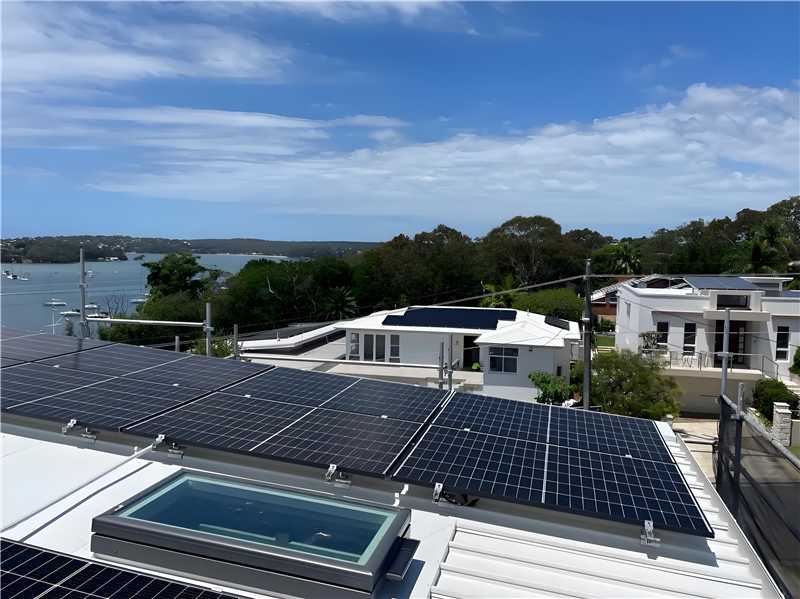
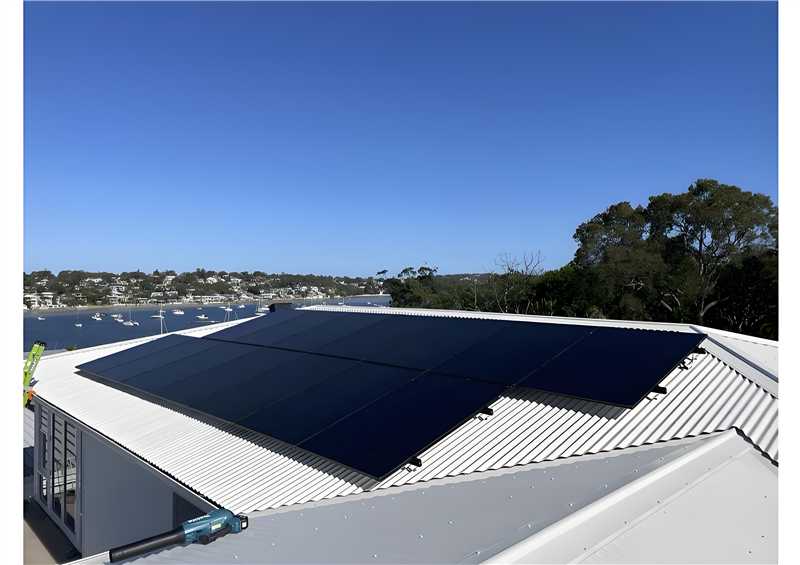
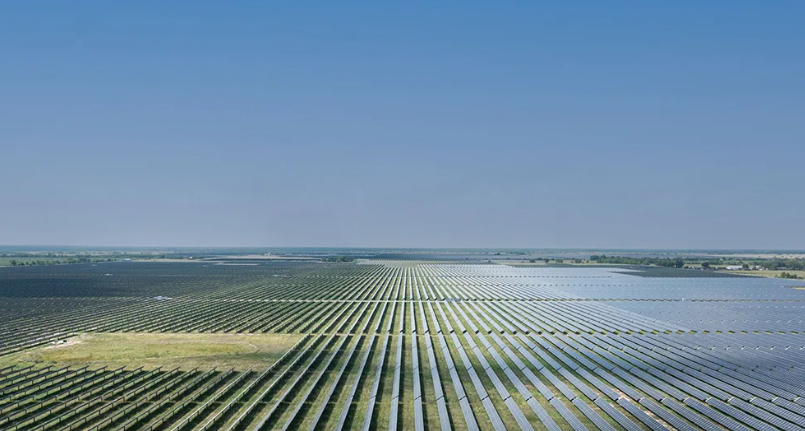
In 2025, against the backdrop of a deep adjustment in the global photovoltaic market supply and demand pattern, China's photovoltaic industry will experience breakthrough growth in the African market. Customs data shows that in 2025, China's export volume of photovoltaic modules to Africa will significantly increase year-on-year, becoming a bright spot in the global photovoltaic trade map. This not only opens up a new growth curve for Chinese photovoltaic enterprises, but also becomes an important engine to help Africa's energy transformation.
1、 Against the trend growth: African market becomes a new pillar of China's photovoltaic exports
In 2025, as China's photovoltaic module exports face challenges in traditional markets, the African market will emerge as a new force, demonstrating strong growth resilience. According to data from the China Photovoltaic Industry Association, China's exports of photovoltaic modules to Africa in the first half of 2025 increased by 47.5% year-on-year, and the total export volume for the year exceeded 18GW, an increase of over 50% compared to 2024. This growth rate far exceeds the global average level of photovoltaic module exports, making Africa the fastest-growing regional market for China's photovoltaic module exports.
From a national perspective, the demand for Chinese photovoltaic modules in African countries is showing a trend of multiple blooms. As a traditional photovoltaic power in Africa, South Africa will import over 3GW of Chinese photovoltaic modules by 2025, remaining the largest importer of Chinese photovoltaic modules in Africa. Thanks to its advantageous geographical location and free trade zone policy, Egypt's import volume has increased by over 200% year-on-year, making it the second largest importer of Chinese photovoltaic modules in Africa. Algeria, Sudan, Tunisia and other countries have also achieved a leapfrog growth in import volume, with Sudan's monthly import volume soaring 4023% year-on-year in June 2025, and Tunisia ranking as the sixth largest importer in Africa with an annual import volume of 655 megawatts.
In sharp contrast to traditional markets, China's export volume to traditional photovoltaic export markets such as Europe, the Middle East, and Latin America will decrease by 12.3%, 14.9%, and 16.8% respectively by 2025. Against the backdrop of the overall slowdown in the global photovoltaic market, the counter trend growth of the African market has injected strong impetus into China's photovoltaic industry, becoming an important pillar supporting the stability of China's photovoltaic exports.
2、 Explosive demand: Africa's energy transition sparks huge market
The explosive growth of the African market is due to the urgent demand for clean energy locally and the accelerated promotion of energy transformation. According to the International Energy Agency, nearly 600 million people in Africa still lack stable access to electricity, with per capita electricity consumption only 1/7 of the global average. At the same time, African countries are actively setting targets for the development of renewable energy. Egypt has proposed that the proportion of renewable energy reach 42% by 2035, South Africa plans to achieve a renewable energy installed capacity of 20GW by 2030, and Kenya has set a goal of achieving 100% renewable energy supply by 2030.
Chinese photovoltaic modules have become the preferred choice for African countries to achieve their energy transition goals due to their high cost-effectiveness, reliable quality, and complete industrial chain advantages. In the capital city of Uganda, Kampala, Chinese made solar panels have filled electronic product stores and become the main choice for local residents to solve their electricity problems. In rural areas of Kano State, Nigeria, the photovoltaic microgrid system provided by Chinese companies has enabled local sesame processing plants to achieve 22 hours of uninterrupted production, greatly improving production efficiency and economic benefits. At the certain railway station in Guinea, the photovoltaic micro grid project built by Chinese companies has provided stable green electricity for the station and surrounding areas, solving the long-standing electricity problem in the area.
In addition, a series of favorable policies introduced by African governments have further promoted the import of Chinese photovoltaic modules. Many African countries provide preferential policies such as tax exemptions, subsidy support, and simplified approval processes for photovoltaic projects, attracting a large number of Chinese photovoltaic companies to enter the African market. Meanwhile, multilateral mechanisms such as the Forum on China Africa Cooperation have also provided a favorable policy environment and platform support for China Africa photovoltaic cooperation.
3、 Mode innovation: Chinese photovoltaic enterprises are deeply involved in the African market
Faced with the enormous opportunities in the African market, Chinese photovoltaic enterprises are no longer limited to simple product exports, but actively explore diversified cooperation models such as localized production, technology cooperation, and full industry chain services, achieving a transformation from "product output" to "mode output".
Localized production has become an important measure for Chinese photovoltaic companies to deeply cultivate the African market.
Technical cooperation and customized solutions are also key factors for Chinese photovoltaic companies to explore the African market. In response to the unstable power grid and complex lighting conditions in some parts of Africa, Chinese companies have launched a micro grid system that integrates photovoltaic arrays, battery energy storage, and diesel backup, providing reliable power solutions for remote areas in Africa. The successful "photovoltaic energy storage linkage" model in Middle Eastern countries such as Saudi Arabia has also been introduced to Africa. Chinese companies combine photovoltaic and energy storage technologies to provide more stable and efficient energy solutions for African customers.
The improvement of the service capability of the entire industry chain has further enhanced the competitiveness of Chinese photovoltaic enterprises in the African market. From project design, construction to operation and maintenance, Chinese enterprises can provide one-stop services for African customers. In Zambia, PWSOLAR collaborates with local enterprises to promote the green transformation of Zambian mines through integrated micro grids and new energy technology solutions. This full industry chain service model not only improves the implementation efficiency of projects, but also wins the trust and recognition of African customers for Chinese enterprises.
4、 Looking ahead to the future: China Africa photovoltaic cooperation has broad prospects
The explosive growth of China's photovoltaic module exports to Africa in 2025 is just the beginning of China Africa photovoltaic cooperation. With the acceleration of Africa's energy transition and the continuous deepening of China Africa cooperation, the prospects for China Africa photovoltaic cooperation will become even broader.
From the perspective of market potential, the African photovoltaic market is still in its early stages of development and has enormous growth potential in the future. According to the African Solar Industry Association's prediction, the installed capacity of photovoltaics in Africa will reach over 100GW by 2030. This means that the African photovoltaic market will maintain an average annual growth rate of over 20% in the next five years, providing sustained market opportunities for Chinese photovoltaic companies.
From the perspective of cooperation mode, China Africa photovoltaic cooperation will expand to deeper levels and wider fields. In addition to product exports and localized production, cooperation in areas such as technology research and development, standard setting, and talent cultivation will continue to strengthen. Chinese photovoltaic companies will work together with African countries to explore a photovoltaic development path that is suitable for the African national conditions, and promote the sustainable development of the African photovoltaic industry.
Meanwhile, China Africa photovoltaic cooperation will also make significant contributions to the global energy transition. As the world's largest developing region, Africa's energy transition process is of great significance for achieving global climate change goals. The cooperation between Chinese photovoltaic companies and African countries will help Africa accelerate its dependence on fossil fuels, achieve green and low-carbon development, and contribute to the global response to climate change.
The upward trend of China's photovoltaic module exports to Africa in 2025 is a vivid manifestation of the complementary advantages and mutual benefit between China and Africa. Against the backdrop of a profound adjustment in the global photovoltaic market landscape, PWSOLAR has established deep business relationships with regions and countries such as West Africa, North Africa, and South Africa. Our company has been exporting to the African market for 14 consecutive years. PWSOLAR small watt, small size solar panels are widely used in various projects such as agriculture, water pumps, and rooftops in Africa, and are highly favored by African users. They not only pave the way for China's photovoltaic industry, but also provide strong support for the energy transformation of the African market. In the future, with the continuous deepening of China Africa cooperation, China Africa photovoltaic cooperation will surely usher in a better tomorrow, contributing to the construction of a community with a shared future for mankind. PWSOLAR will also become a witness and participant in this process. POWER WORLD, POWER LIFE.