
 EN
EN
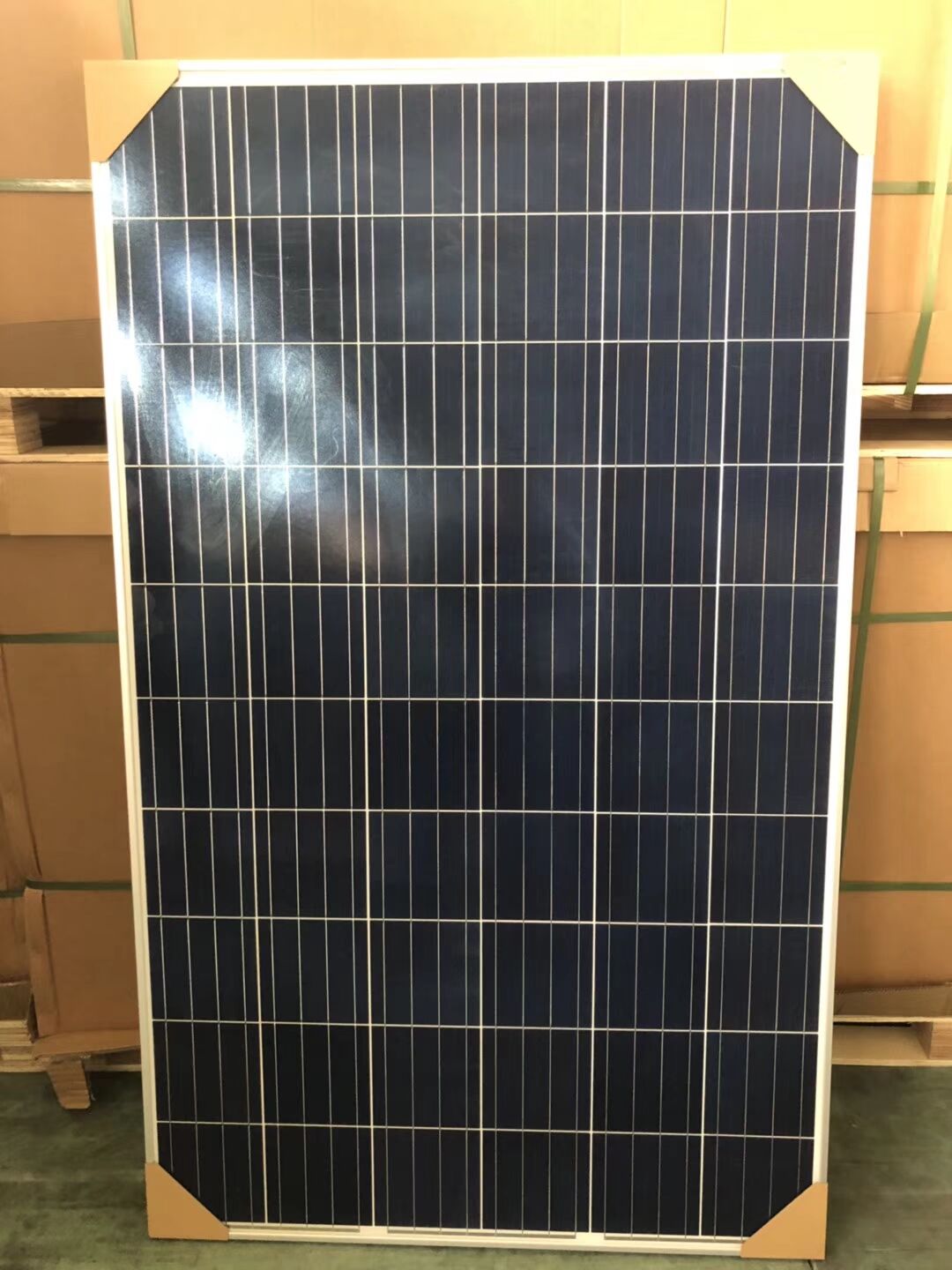
Large commercial projects represent a significant opportunity for businesses to reduce operational costs while demonstrating environmental responsibility. The decision to invest in renewable energy infrastructure requires careful consideration of technology options, with high-efficiency solar panels emerging as the preferred choice for forward-thinking organizations. These advanced photovoltaic systems deliver superior performance per square foot, making them particularly valuable for facilities with limited roof space or ambitious sustainability goals. Commercial decision-makers increasingly recognize that high-efficiency solar panels provide not only immediate cost savings but also long-term competitive advantages in an energy-conscious marketplace.

Understanding High-Efficiency Solar Technology
Advanced Photovoltaic Cell Design
Modern high-efficiency solar panels utilize cutting-edge cell technologies that maximize energy conversion rates from available sunlight. These systems incorporate monocrystalline silicon wafers with advanced surface texturing and anti-reflective coatings to capture more photons throughout the day. The latest high-efficiency solar panels feature half-cut cell designs that reduce resistive losses and improve performance under partial shading conditions. Commercial installations benefit from these technological improvements through increased energy density and improved reliability over traditional panel designs.
Bifacial panel technology represents another significant advancement in high-efficiency solar panels, allowing energy capture from both front and rear surfaces. This dual-sided approach can increase total energy production by 15-25% compared to conventional monofacial panels, particularly valuable in commercial applications with reflective surfaces nearby. The enhanced performance characteristics of these systems make them ideal for large-scale commercial projects where maximizing return on investment is paramount.
Performance Metrics and Efficiency Standards
Industry-leading high-efficiency solar panels now achieve conversion efficiencies exceeding 22%, representing a substantial improvement over standard panels that typically operate at 18-20% efficiency. This performance differential becomes increasingly significant in large commercial installations where every percentage point of improvement translates to substantial energy production gains. Temperature coefficients in high-efficiency solar panels have also improved, maintaining better performance during hot weather conditions common in many commercial environments.
Power output ratings for premium high-efficiency solar panels now reach 800 watts or higher per panel, enabling commercial projects to achieve target capacity with fewer individual modules. This reduction in panel count simplifies installation logistics, reduces mounting hardware requirements, and minimizes maintenance complexity over the system's operational lifetime. The combination of higher efficiency and increased power output makes these panels particularly attractive for space-constrained commercial facilities.
Economic Benefits for Commercial Applications
Capital Investment Optimization
While high-efficiency solar panels require a higher initial investment compared to standard alternatives, the total project economics often favor the premium technology for commercial applications. The reduced number of panels needed to achieve target capacity results in lower installation labor costs, simplified electrical design, and reduced balance-of-system expenses. Commercial projects benefit from economies of scale that make the incremental cost of high-efficiency solar panels more manageable within overall project budgets.
Long-term financial modeling demonstrates that high-efficiency solar panels typically achieve faster payback periods in commercial applications due to their superior energy production capabilities. The increased energy density allows businesses to maximize their renewable energy investment within available roof space, often enabling projects that would not be feasible with lower-efficiency alternatives. This optimization of capital deployment makes high-efficiency solar panels particularly attractive for commercial real estate portfolios seeking to enhance property values through sustainable infrastructure.
Operational Cost Reductions
Commercial facilities investing in high-efficiency solar panels experience significant reductions in monthly electricity expenses, with some installations achieving 70-90% offset of facility energy consumption. The consistent performance of these systems provides predictable energy cost savings that improve budget forecasting accuracy and reduce exposure to utility rate volatility. Businesses can reinvest these operational savings into core activities while maintaining their commitment to environmental sustainability.
Maintenance requirements for high-efficiency solar panels remain minimal throughout their 25-year warranty periods, contributing to low total cost of ownership for commercial installations. The robust construction and advanced materials used in premium panels reduce the likelihood of performance degradation or component failures that could impact energy production. This reliability translates to consistent energy savings and reduced facility management overhead for commercial property operators.
Space Efficiency and Installation Advantages
Maximizing Limited Roof Areas
Commercial buildings often face space constraints that make standard solar panels inadequate for achieving meaningful energy production targets. High-efficiency solar panels address this challenge by delivering maximum power output within available installation areas, enabling businesses to optimize their renewable energy investment despite architectural limitations. The superior power density of these systems allows commercial facilities to achieve ambitious sustainability goals without requiring additional roof space or ground-mounted installations.
Urban commercial properties particularly benefit from high-efficiency solar panels due to premium real estate values and limited expansion opportunities. The ability to generate substantial clean energy from compact installations makes these systems essential for downtown office buildings, retail centers, and industrial facilities operating in dense metropolitan areas. This space optimization capability often determines project feasibility for commercial developments with aggressive sustainability targets.
Simplified Installation and Design
Fewer panels required for target capacity simplifies the installation process for commercial solar projects, reducing labor hours and potential complications during construction. High-efficiency solar panels enable streamlined electrical designs with fewer string inverters and simplified DC wiring configurations. This design simplification reduces installation time, minimizes potential failure points, and creates cleaner, more professional-appearing installations that enhance commercial property aesthetics.
Structural engineering requirements may also be simplified when using high-efficiency solar panels, as the reduced panel count can decrease total system weight and wind loading on commercial roofing systems. This advantage is particularly valuable for older commercial buildings where structural capacity may limit standard solar installation options. The engineering efficiency gained through premium panel selection can reduce permitting complexity and accelerate project timelines for commercial developments.
Environmental Impact and Sustainability Goals
Carbon Footprint Reduction
Commercial organizations investing in high-efficiency solar panels achieve more substantial carbon footprint reductions per dollar invested compared to lower-efficiency alternatives. The superior energy production from these systems translates directly to greater displacement of grid electricity generated from fossil fuels. This enhanced environmental impact helps businesses meet corporate sustainability commitments and regulatory requirements while demonstrating leadership in climate action initiatives.
Lifecycle analysis of high-efficiency solar panels shows favorable environmental profiles despite the additional manufacturing energy required for advanced cell production. The increased energy production over the system's operational life more than compensates for the incremental manufacturing footprint, resulting in better overall environmental performance. Commercial facilities can confidently promote their sustainability achievements knowing that high-efficiency solar panels deliver genuine environmental benefits throughout their operational lifetime.
Corporate Social Responsibility Enhancement
High-efficiency solar panels enable commercial organizations to achieve more ambitious renewable energy targets, supporting corporate social responsibility initiatives and stakeholder expectations. The visible commitment to premium clean energy technology demonstrates genuine environmental stewardship that resonates with customers, employees, and community members. This enhanced sustainability profile can provide competitive advantages in markets where environmental responsibility influences purchasing decisions.
LEED certification and other green building standards increasingly favor high-performance renewable energy systems, making high-efficiency solar panels valuable for commercial projects seeking sustainability recognition. The superior performance characteristics of these systems contribute to higher point totals in green building rating systems, potentially achieving certification levels that would not be possible with standard solar technology. This certification advantage can enhance property values and tenant appeal for commercial real estate developments.
Technology Reliability and Performance Guarantees
Manufacturing Quality Standards
Premium high-efficiency solar panels typically feature enhanced quality control measures and advanced materials that improve long-term reliability compared to budget alternatives. Manufacturers of high-efficiency solar panels invest heavily in research and development, resulting in products with superior durability and performance consistency over decades of operation. Commercial buyers benefit from these quality improvements through reduced maintenance requirements and more predictable energy production throughout the system's operational life.
Extended warranty coverage provided with high-efficiency solar panels reflects manufacturer confidence in product quality and performance. These comprehensive warranties often include both product defect protection and performance guarantees that ensure energy production levels remain within specified parameters for 25 years or longer. Commercial installations gain significant risk mitigation through these warranty programs, protecting their renewable energy investment against technology failures or performance degradation.
Performance Monitoring and Optimization
Advanced monitoring systems integrated with high-efficiency solar panels provide commercial operators with detailed performance data and early warning of potential issues. This monitoring capability enables proactive maintenance and optimization strategies that maximize energy production and extend system lifespan. Commercial facilities can use this performance data to validate energy savings projections and demonstrate the value of their renewable energy investment to stakeholders.
Machine learning algorithms incorporated into modern monitoring systems can optimize high-efficiency solar panels performance based on local weather patterns and facility energy consumption profiles. This intelligent optimization ensures that commercial installations achieve maximum possible energy production while minimizing grid interaction costs. The combination of premium hardware and intelligent software creates synergies that enhance the overall value proposition of high-efficiency solar panels for commercial applications.
FAQ
What is the typical payback period for high-efficiency solar panels in commercial applications
Commercial installations using high-efficiency solar panels typically achieve payback periods between 4-8 years, depending on local electricity rates, available incentives, and facility energy consumption patterns. The superior energy production from these systems often results in faster payback compared to standard panels, particularly in space-constrained installations where maximizing power density is critical. Businesses should evaluate total project economics including installation savings and long-term performance benefits when calculating return on investment.
How do high-efficiency solar panels perform in different climate conditions
High-efficiency solar panels maintain superior performance across diverse climate conditions due to advanced cell technologies and improved temperature coefficients. These systems perform particularly well in hot climates where standard panels experience significant efficiency losses, making them ideal for commercial installations in southern regions. Cold weather performance also remains excellent, with high-efficiency solar panels often exceeding rated output during optimal winter conditions when combined with snow reflection benefits.
What maintenance requirements apply to commercial high-efficiency solar panel installations
Commercial high-efficiency solar panels require minimal maintenance throughout their operational lifetime, typically limited to periodic cleaning and annual performance inspections. The robust construction and advanced materials used in premium panels reduce the likelihood of component failures or performance degradation compared to standard alternatives. Most commercial installations benefit from professional maintenance contracts that ensure optimal performance while maintaining warranty compliance for the system's 25-year operational period.
Can existing commercial buildings retrofit high-efficiency solar panels without structural modifications
Many existing commercial buildings can accommodate high-efficiency solar panels without major structural modifications, particularly when replacing older solar installations or utilizing previously unused roof space. The reduced weight per kilowatt of power production often makes high-efficiency solar panels suitable for buildings that cannot support the loading requirements of standard panel arrays. Professional structural assessment is recommended to confirm compatibility and optimize installation design for each specific commercial facility.
Table of Contents
- Understanding High-Efficiency Solar Technology
- Economic Benefits for Commercial Applications
- Space Efficiency and Installation Advantages
- Environmental Impact and Sustainability Goals
- Technology Reliability and Performance Guarantees
-
FAQ
- What is the typical payback period for high-efficiency solar panels in commercial applications
- How do high-efficiency solar panels perform in different climate conditions
- What maintenance requirements apply to commercial high-efficiency solar panel installations
- Can existing commercial buildings retrofit high-efficiency solar panels without structural modifications
