 EN
EN
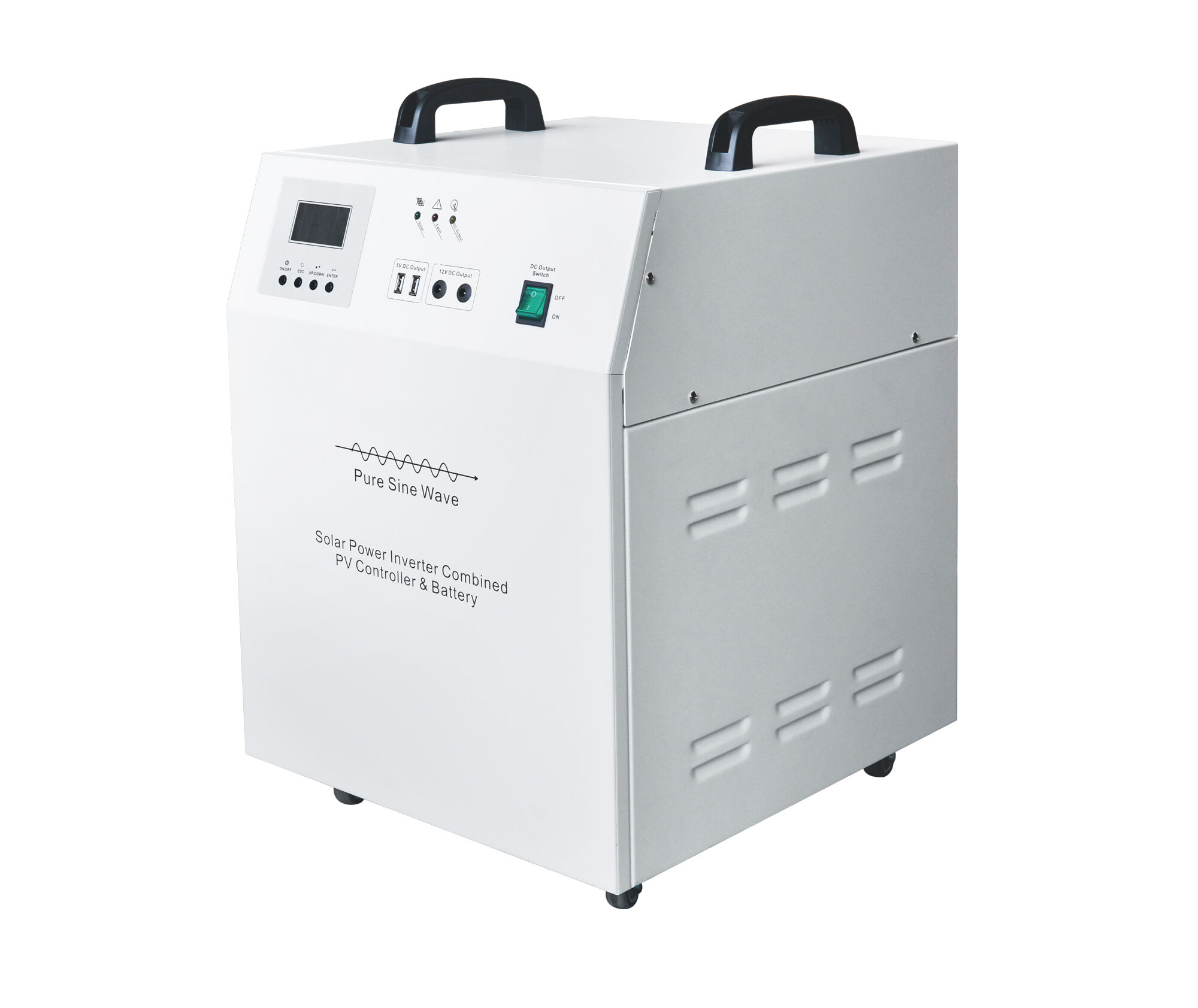
Proper maintenance of commercial solar panels represents one of the most critical factors in achieving maximum return on investment for businesses investing in solar energy systems. Commercial solar installations require systematic care and attention to deliver optimal performance throughout their operational lifespan, which typically extends 25 to 30 years. Understanding the fundamentals of commercial solar panel maintenance enables facility managers and business owners to protect their substantial investments while ensuring consistent energy production and cost savings.
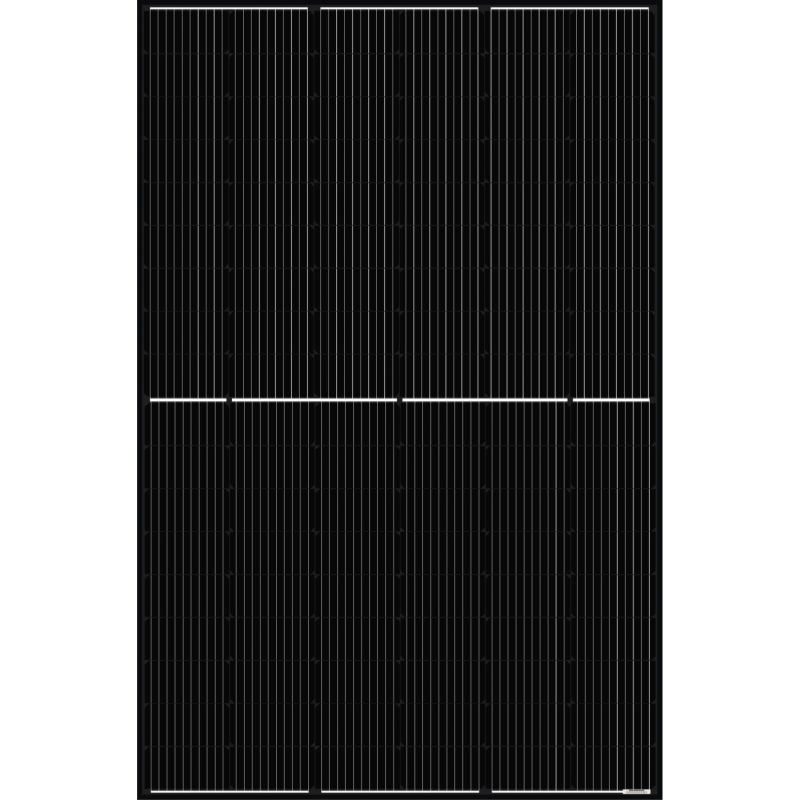
The maintenance requirements for commercial solar panels differ significantly from residential systems due to their scale, complexity, and critical role in business operations. Commercial installations often feature hundreds or thousands of panels across multiple roof sections or ground-mounted arrays, creating unique challenges that require professional expertise and systematic approaches. Regular maintenance activities directly impact energy output, system longevity, and overall financial performance, making them essential components of any successful commercial solar strategy.
Understanding Commercial Solar Panel Maintenance Fundamentals
Essential Components Requiring Regular Attention
Commercial solar panel systems consist of numerous interconnected components that each require specific maintenance protocols to ensure optimal performance. The photovoltaic modules themselves represent the most visible elements, but comprehensive maintenance must also address inverters, mounting hardware, electrical connections, monitoring systems, and safety equipment. Each component plays a crucial role in system functionality and requires different maintenance intervals and techniques.
Inverters typically require the most frequent attention among system components, as they contain electronic components with shorter lifespans than the panels themselves. These devices convert direct current generated by commercial solar panels into alternating current suitable for business use, making their proper function essential for energy production. Regular inverter maintenance includes cleaning air filters, checking electrical connections, monitoring performance data, and replacing components according to manufacturer specifications.
Mounting systems and structural components demand careful inspection to ensure long-term stability and safety. Wind loads, thermal expansion, and weather exposure can affect mounting hardware over time, potentially compromising system integrity if left unaddressed. Professional maintenance teams should regularly inspect bolts, clamps, rails, and grounding systems to identify potential issues before they impact system performance or safety.
Developing Comprehensive Maintenance Schedules
Effective maintenance of commercial solar panels requires structured scheduling that balances thoroughness with operational efficiency. Monthly visual inspections can identify obvious issues such as physical damage, debris accumulation, or equipment malfunctions that require immediate attention. These routine checks help prevent minor problems from developing into major system failures that could significantly impact energy production and financial returns.
Quarterly maintenance activities should include more detailed inspections of electrical systems, performance analysis, and preventive care procedures. During these sessions, technicians can verify proper operation of monitoring systems, check inverter performance, inspect wiring and connections, and clean panels as needed. Quarterly maintenance provides opportunities to address seasonal concerns and ensure systems remain optimized throughout changing environmental conditions.
Annual comprehensive maintenance represents the most thorough evaluation of commercial solar panel systems, involving detailed inspection of all components and systems. These extensive reviews typically include thermal imaging analysis, electrical testing, structural assessments, and performance optimization. Annual maintenance sessions provide opportunities to update system documentation, review warranty coverage, and plan for component replacements or system upgrades.
Physical Cleaning and Panel Care Procedures
Professional Cleaning Techniques and Safety Protocols
Regular cleaning of commercial solar panels significantly impacts energy production efficiency, with dirty panels potentially losing 15-25% of their generating capacity depending on environmental conditions. Professional cleaning requires specialized equipment and techniques designed to remove accumulated dirt, dust, bird droppings, and other contaminants without damaging sensitive panel surfaces. Safety considerations are paramount given the elevated locations and electrical hazards associated with commercial installations.
Water quality plays a crucial role in effective panel cleaning, as hard water or contaminated sources can leave mineral deposits that reduce panel efficiency. Professional maintenance teams typically use deionized or distilled water combined with appropriate cleaning solutions designed specifically for photovoltaic applications. High-pressure washing should be avoided, as excessive force can damage panel surfaces or force water into electrical connections.
Timing of cleaning activities affects both safety and effectiveness, with early morning or late afternoon sessions providing optimal conditions. Cleaning hot panels during peak sun hours can cause thermal shock and potential damage, while also creating uncomfortable and potentially dangerous working conditions for maintenance personnel. Professional teams schedule cleaning activities to minimize system downtime while ensuring safe working conditions.
Seasonal Cleaning Requirements and Environmental Considerations
Environmental factors significantly influence cleaning frequency requirements for commercial solar panels, with installations in dusty, industrial, or agricultural areas requiring more frequent attention than those in clean urban environments. Seasonal variations in weather patterns, pollen production, and dust storms create predictable maintenance needs that should be incorporated into annual maintenance planning.
Spring cleaning activities often focus on removing accumulated winter debris, including leaves, snow residue, and dirt deposited during freeze-thaw cycles. This seasonal maintenance also addresses damage from ice formation or thermal cycling that may have affected panel surfaces or mounting systems during winter months. Spring represents an ideal time for comprehensive system evaluation as energy production increases with longer daylight hours.
Summer maintenance emphasizes dust and debris removal, particularly in arid regions where dust storms and high winds deposit significant amounts of material on panel surfaces. Regular cleaning during summer months helps maintain peak performance during periods of maximum solar irradiance and highest energy production potential. Summer maintenance also provides opportunities to address heat-related issues and ensure proper ventilation around electrical components.
Electrical System Monitoring and Maintenance
Performance Monitoring and Data Analysis
Continuous monitoring of commercial solar panel performance provides essential data for maintaining optimal system operation and identifying potential issues before they impact energy production. Modern monitoring systems track individual panel performance, inverter operation, environmental conditions, and overall system efficiency in real-time. This data enables maintenance teams to identify underperforming components and schedule targeted interventions.
Performance analysis should compare actual energy production against expected output based on weather conditions, system specifications, and historical data. Significant deviations from expected performance may indicate equipment malfunctions, shading issues, or maintenance needs requiring immediate attention. Regular analysis of performance trends helps identify gradual degradation that might otherwise go unnoticed until significant efficiency losses occur.
Advanced monitoring systems can detect electrical faults, ground faults, and arc faults that pose safety risks and reduce system performance. These automated detection capabilities enable rapid response to potentially dangerous conditions while minimizing system downtime. Professional maintenance teams should regularly verify proper operation of safety systems and update monitoring software to ensure continued protection.
Inverter Maintenance and Electrical Component Care
Inverters represent critical components in commercial solar panel systems that require regular maintenance to ensure reliable operation and longevity. These devices operate under significant electrical and thermal stress, making them more susceptible to failure than other system components. Regular inverter maintenance includes cleaning, inspection, testing, and component replacement according to manufacturer recommendations.
Electrical connections throughout commercial solar systems require periodic inspection and maintenance to prevent resistance buildup, corrosion, and loose connections that can reduce performance and create safety hazards. Thermal imaging surveys can identify hot spots indicating electrical problems before they cause equipment failure or safety incidents. Professional maintenance teams should have appropriate testing equipment and training to safely work on energized electrical systems.
Grounding systems play essential roles in both safety and system performance, requiring regular verification to ensure proper operation. Ground fault detection systems must function correctly to protect personnel and equipment from electrical hazards. Maintenance procedures should include resistance testing of grounding conductors and verification of proper bonding between system components.
Preventive Maintenance Strategies for Long-term Performance
Component Lifecycle Management and Replacement Planning
Effective maintenance of commercial solar panels requires understanding component lifecycles and planning for systematic replacement of wearing parts before they fail. Different system components have varying lifespans, with inverters typically requiring replacement every 10-15 years while panels may operate effectively for 25-30 years. Proactive replacement planning prevents unexpected failures that could disrupt energy production and impact business operations.
Inventory management for replacement parts ensures rapid response to equipment failures and reduces system downtime. Critical components such as fuses, contactors, and monitoring equipment should be readily available to minimize repair time. Establishing relationships with qualified suppliers and service providers creates support networks essential for maintaining commercial solar panel systems throughout their operational lifespans.
Technology upgrades and system improvements can enhance performance and extend system life beyond original design specifications. Regular evaluation of available technologies may identify opportunities to improve efficiency, add monitoring capabilities, or enhance safety features. Planned upgrades can be coordinated with routine maintenance activities to minimize installation costs and system disruption.
Documentation and Record Keeping for Warranty Compliance
Comprehensive documentation of maintenance activities ensures warranty compliance and provides valuable historical data for system optimization. Detailed maintenance records should include dates, activities performed, components replaced, performance measurements, and observations about system condition. This documentation supports warranty claims and helps identify patterns that may indicate systemic issues requiring attention.
Digital record keeping systems enable efficient storage and retrieval of maintenance data while providing analysis capabilities that can identify trends and optimize maintenance scheduling. Cloud-based systems allow multiple stakeholders to access current system information and coordinate maintenance activities. Regular backup of maintenance data protects against loss of critical system information.
Professional certification and training documentation for maintenance personnel ensures qualified service and warranty compliance. Many manufacturers require certified technicians to perform warranty work, making proper credentials essential for maintaining coverage. Investment in ongoing training keeps maintenance teams current with evolving technologies and best practices.
Cost-Effective Maintenance Approaches and ROI Optimization
Balancing Maintenance Costs with Performance Benefits
Optimizing maintenance investments for commercial solar panels requires careful analysis of costs versus performance benefits to maximize return on investment. Excessive maintenance can erode financial benefits, while insufficient care can lead to reduced performance and premature component failure. Developing cost-effective maintenance strategies involves understanding which activities provide the greatest impact on system performance and longevity.
Preventive maintenance typically costs significantly less than emergency repairs while providing superior results for system performance and reliability. Regular cleaning, inspection, and minor adjustments prevent major problems that could require extensive repairs or component replacement. The key lies in determining optimal maintenance frequency based on site-specific conditions and system requirements.
Performance monitoring systems provide data-driven insights that enable targeted maintenance activities focused on areas with the greatest impact on energy production. Rather than applying uniform maintenance schedules across entire installations, sophisticated monitoring allows customized approaches that address specific needs of different system sections. This targeted approach optimizes maintenance spending while maximizing performance benefits.
Professional Service Contracts versus In-house Maintenance
Businesses must decide between professional service contracts and developing in-house maintenance capabilities for their commercial solar panel systems. Professional service providers offer specialized expertise, equipment, and insurance coverage that may be cost-prohibitive for individual businesses to develop internally. However, in-house capabilities provide greater control over scheduling and response times for maintenance needs.
Service contracts typically include regular maintenance schedules, emergency response capabilities, and warranty coverage for maintenance work performed. These comprehensive agreements can simplify budgeting and ensure consistent care while transferring responsibility for system performance to qualified professionals. Contract terms should clearly define service levels, response times, and performance guarantees to ensure adequate protection.
Hybrid approaches combining basic in-house capabilities with professional service for complex procedures often provide optimal cost-effectiveness and system care. Facility staff can handle routine inspections and simple maintenance tasks while relying on professionals for electrical work, major cleaning operations, and complex repairs. This approach requires appropriate training and safety protocols for in-house personnel.
FAQ
How often should commercial solar panels be cleaned for optimal performance?
Commercial solar panels typically require cleaning every 3-6 months, depending on environmental conditions such as dust levels, rainfall, and proximity to industrial activities. Sites in dusty or polluted areas may need monthly cleaning, while installations in clean environments with regular rainfall might only require quarterly attention. Performance monitoring systems can help determine optimal cleaning frequency by tracking efficiency losses between cleaning cycles.
What are the most critical components requiring regular maintenance in commercial solar systems?
Inverters require the most frequent maintenance attention, typically needing inspection every 3-6 months and component replacement every 10-15 years. Electrical connections and monitoring systems also need regular attention to ensure safety and performance. While the panels themselves are relatively low-maintenance, they require regular cleaning and periodic inspection for physical damage or degradation.
How can businesses determine if their maintenance strategy is cost-effective?
Businesses should track key performance indicators including energy production efficiency, maintenance costs per kWh generated, system availability, and unexpected repair expenses. Comparing actual performance against manufacturer specifications and industry benchmarks helps identify whether maintenance investments are providing appropriate returns. Annual reviews of maintenance costs versus energy production value can guide strategy adjustments.
What safety considerations are essential for commercial solar panel maintenance?
Safety protocols must address electrical hazards, fall protection, and proper equipment shutdown procedures. Maintenance personnel should be properly trained and certified for electrical work and working at heights. All maintenance activities should follow lockout/tagout procedures to ensure system safety, and appropriate personal protective equipment must be used throughout all maintenance operations.
Table of Contents
- Understanding Commercial Solar Panel Maintenance Fundamentals
- Physical Cleaning and Panel Care Procedures
- Electrical System Monitoring and Maintenance
- Preventive Maintenance Strategies for Long-term Performance
- Cost-Effective Maintenance Approaches and ROI Optimization
-
FAQ
- How often should commercial solar panels be cleaned for optimal performance?
- What are the most critical components requiring regular maintenance in commercial solar systems?
- How can businesses determine if their maintenance strategy is cost-effective?
- What safety considerations are essential for commercial solar panel maintenance?
