
 EN
EN
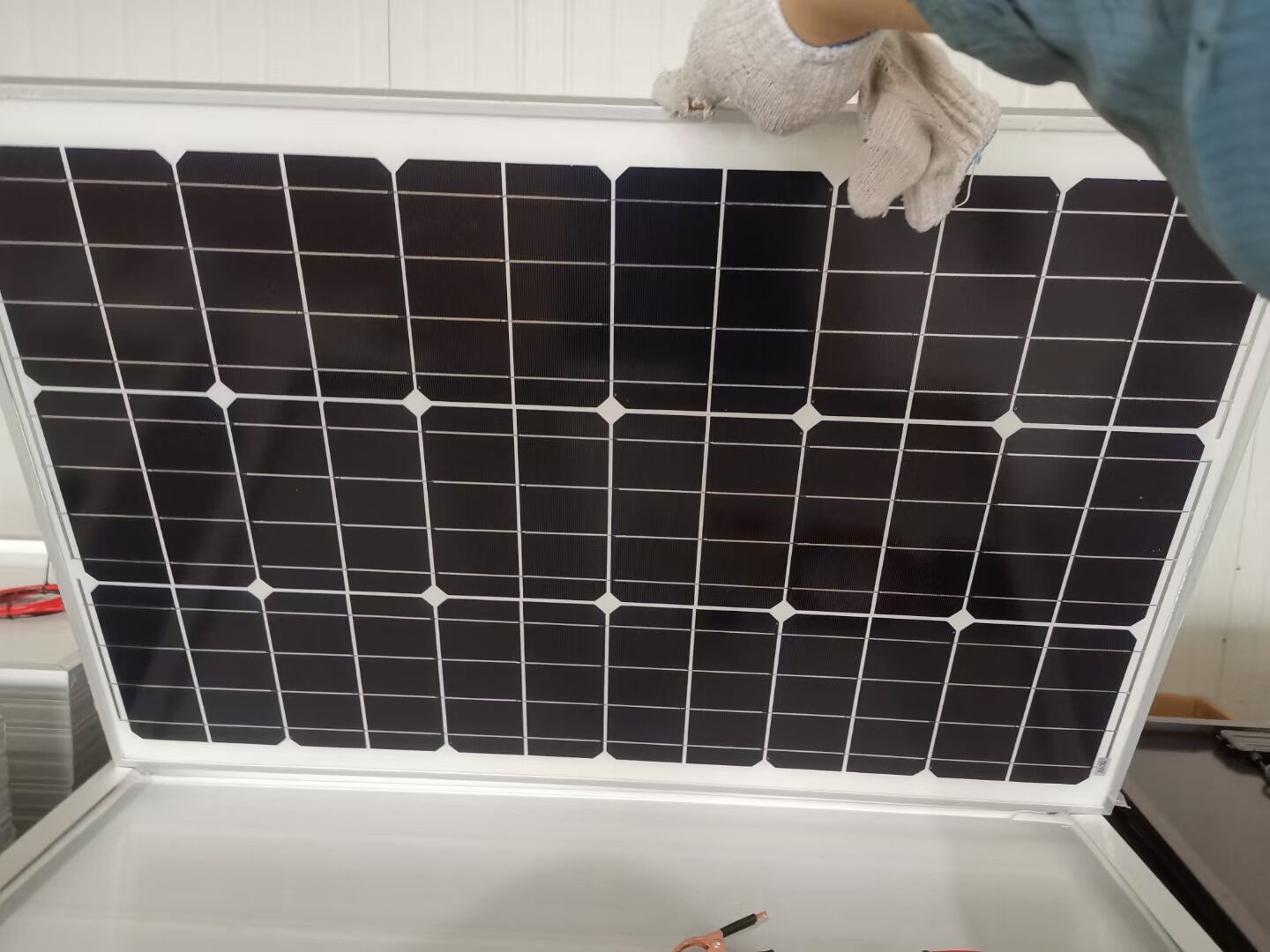
Industrial facilities operating in extreme climates face unique challenges when selecting solar energy solutions. The harsh conditions found in desert heat, arctic cold, coastal salt spray, and high-altitude environments can severely impact solar panel performance and longevity. Understanding solar panels durability becomes critical for industrial operations seeking reliable renewable energy investments that can withstand decades of environmental stress while maintaining optimal power generation.

The selection of appropriate solar technology for extreme industrial environments requires comprehensive analysis of material composition, manufacturing quality, and proven performance records. Solar panels durability directly correlates with the return on investment for industrial-scale installations, making this consideration paramount for facility managers and energy procurement professionals. Advanced bifacial solar panels with reinforced construction have emerged as leading solutions for demanding applications where traditional panels might fail prematurely.
Understanding Extreme Climate Challenges for Solar Installations
Temperature Fluctuations and Thermal Cycling
Extreme temperature variations represent one of the most significant threats to solar panels durability in industrial environments. Daily temperature swings can range from below freezing to over 60°C in desert locations, creating continuous thermal expansion and contraction cycles. These thermal stresses can lead to micro-cracks in solar cells, solder bond failures, and delamination of protective layers over time.
High-quality solar panels incorporate advanced materials and construction techniques to minimize thermal cycling damage. Temperature coefficient ratings become crucial specifications, as panels with lower temperature coefficients maintain better performance in hot conditions. Industrial installations must prioritize panels with proven thermal cycling test results, typically exceeding 200 thermal cycles according to IEC 61215 standards.
The frame design and mounting systems also play critical roles in managing thermal stresses. Aluminum frames with proper thermal expansion joints and high-strength mounting rails help distribute thermal forces evenly across the panel structure. Solar panels durability in extreme temperatures depends heavily on these supporting components working together as an integrated system.
Moisture and Humidity Resistance
Moisture ingress poses another significant challenge for solar panels durability, particularly in coastal industrial facilities or regions with high humidity levels. Water vapor can penetrate encapsulation materials and cause corrosion of electrical connections, leading to power losses and eventual panel failure. The encapsulation process and backsheet quality directly influence moisture resistance capabilities.
Advanced ethylene vinyl acetate encapsulation and polyvinyl fluoride backsheets provide superior moisture barriers compared to standard materials. Double-glass construction offers additional protection by eliminating traditional polymer backsheets entirely, creating a hermetic seal that prevents moisture intrusion. This construction method has become increasingly popular for industrial applications requiring maximum solar panels durability.
Junction box sealing and cable entry points require special attention in high-moisture environments. IP67 or IP68 rated junction boxes with marine-grade connectors ensure electrical components remain protected from water ingress. Regular inspection protocols should include thermal imaging to detect moisture-related degradation before visible damage occurs.
Advanced Solar Panel Technologies for Industrial Applications
Bifacial Solar Panel Advantages
Bifacial solar panels have revolutionized industrial solar installations by capturing sunlight from both front and rear surfaces, significantly improving energy yield in extreme environments. The dual-sided design inherently provides better solar panels durability through reinforced glass-on-glass construction that eliminates traditional polymer backsheets vulnerable to UV degradation and thermal stress.
The transparent rear surface allows reflected light from ground surfaces, building roofs, or specialized reflective materials to contribute additional power generation. This feature becomes particularly valuable in industrial settings with highly reflective surfaces such as metal roofing or concrete. Bifacial panels can achieve 10-30% higher energy output compared to monofacial alternatives in optimal conditions.
Manufacturing quality for bifacial panels requires precise cell interconnection and frame sealing to prevent electrical losses from rear-side current generation. Leading manufacturers implement advanced solar panels durability testing protocols specifically designed for bifacial technology, including specialized light exposure tests that simulate real-world operating conditions.
PERC and TOPCon Cell Technologies
Passivated Emitter Rear Cell technology represents a significant advancement in solar panels durability and efficiency. PERC cells incorporate a dielectric passivation layer on the rear surface that reflects unused photons back through the cell, increasing light absorption and reducing recombination losses. This technology maintains higher efficiency levels even under reduced light conditions common in extreme weather.
Tunnel Oxide Passivated Contact technology takes efficiency improvements further by utilizing ultra-thin oxide layers and polysilicon contacts to minimize electrical losses. TOPCon cells demonstrate superior temperature coefficients and enhanced long-term stability, making them ideal for industrial applications requiring consistent performance over 25-30 year operational periods.
The manufacturing processes for both PERC and TOPCon technologies require precise temperature control and clean room environments that translate to improved solar panels durability. Higher-grade silicon purification and advanced dopant diffusion techniques result in more uniform cell performance and reduced susceptibility to potential-induced degradation common in high-voltage industrial systems.
Material Science and Construction Quality Factors
Glass Composition and Thickness
The front glass selection significantly impacts solar panels durability in extreme environments. Low-iron tempered glass with anti-reflective coatings provides optimal light transmission while maintaining structural integrity under mechanical stress. Glass thickness typically ranges from 3.2mm to 4.0mm, with thicker variants offering better impact resistance for applications prone to hail or debris impact.
Surface texturing patterns on solar glass influence both optical performance and self-cleaning properties. Pyramid or honeycomb textures reduce reflection losses while creating microscopic surface features that promote water runoff and dust removal. These characteristics become especially important for industrial installations where regular cleaning may be challenging or costly.
Chemical tempering processes used in premium solar glass manufacturing create compressive stress layers that dramatically improve impact resistance. This enhanced durability proves essential for rooftop installations on industrial buildings where thermal expansion, wind loads, and potential impacts from maintenance activities pose ongoing risks to panel integrity.
Frame Design and Materials
Aluminum frame construction directly influences solar panels durability through structural support, thermal management, and environmental protection. Marine-grade aluminum alloys with anodized finishes provide superior corrosion resistance in coastal or chemical-exposure environments common in industrial facilities. Frame thickness and cross-sectional design must accommodate wind loads exceeding 2400 Pa for most industrial applications.
Drainage channel design within frame profiles prevents water accumulation that could lead to freeze-thaw damage in cold climates. Proper drainage also reduces the risk of biological growth that can cause staining and reduce optical performance. Corner key construction methods affect long-term structural integrity, with mechanical keys generally providing better durability than adhesive-bonded corners.
Frame-to-glass sealing systems utilize structural glazing compounds that must maintain elasticity across extreme temperature ranges. Silicone-based sealants with UV stabilizers provide 20-25 year service life when properly applied, ensuring continued environmental protection throughout the panel warranty period. Regular inspection of frame seals should be included in maintenance protocols for industrial installations.
Testing Standards and Certification Requirements
IEC Standards for Extreme Environment Testing
International Electrotechnical Commission standards establish minimum performance criteria for solar panels durability across various environmental conditions. IEC 61215 terrestrial photovoltaic modules qualification requirements include thermal cycling, humidity freeze, damp heat, and mechanical load tests that simulate decades of environmental exposure in accelerated timeframes.
Extended testing protocols such as IEC 61701 salt mist corrosion and IEC 62716 ammonia corrosion address specific industrial environment challenges. These specialized tests become crucial for facilities near chemical plants, agricultural operations, or coastal locations where standard environmental testing may not adequately predict long-term performance.
UV exposure testing according to IEC 61215 requires 15 kWh/m² minimum exposure, equivalent to several years of natural sunlight. However, panels intended for extreme industrial environments should exceed these minimum requirements, with some manufacturers conducting extended UV testing up to 60 kWh/m² to validate solar panels durability under accelerated aging conditions.
Additional Certification Programs
Desert Knowledge Centre certification specifically addresses solar panels durability in extreme heat and arid conditions. This Australian program subjects panels to 85°C operating temperatures and intense UV exposure levels that exceed standard IEC requirements. Certification requires demonstrated performance retention above 90% after extended exposure testing.
ASTM standards complement IEC testing with focused evaluation of specific material properties and construction methods. ASTM D5870 water vapor transmission testing quantifies moisture barrier effectiveness, while ASTM D904 exposure testing evaluates long-term material stability under concentrated solar radiation.
Quality management system certifications such as ISO 9001 and ISO 14001 indicate manufacturer commitment to consistent production processes and environmental responsibility. These certifications provide additional confidence in solar panels durability through systematic quality control and continuous improvement programs implemented throughout the manufacturing process.
Installation and Maintenance Best Practices
Mounting System Selection
Mounting system design significantly affects solar panels durability by distributing environmental loads and providing secure attachment to industrial structures. Fixed-tilt systems with reinforced rail construction offer maximum stability for extreme wind conditions, while tracking systems require enhanced maintenance protocols but provide higher energy yields in clear-sky environments.
Grounding and electrical bonding systems must accommodate thermal expansion while maintaining continuous electrical contact. Stainless steel bonding hardware and compression fittings prevent corrosion-related failures that could compromise electrical safety and system performance. Proper grounding design becomes especially critical for industrial installations with high-voltage DC systems exceeding 600V.
Wind load calculations must account for local microclimate conditions around industrial buildings, including wind acceleration effects from building geometry and surrounding structures. Engineering analysis should include dynamic load factors and fatigue considerations for mounting hardware subjected to continuous wind-induced vibration over 25-30 year operational periods.
Preventive Maintenance Programs
Systematic maintenance protocols maximize solar panels durability through early detection of potential problems before they affect power production. Visual inspection schedules should include monthly checks for physical damage, connection integrity, and frame seal condition, with detailed annual assessments documenting any changes in panel condition.
Electrical performance monitoring systems provide continuous data on individual panel output, enabling identification of degradation trends or sudden performance drops indicating potential failures. Thermal imaging inspections quarterly or semi-annually can detect hot spots, connection problems, or cell-level defects not visible through standard electrical monitoring.
Cleaning protocols must balance performance optimization with protection of panel surfaces and coatings. Deionized water with soft-bristle brushes prevents scratching of anti-reflective coatings, while avoiding high-pressure washing that could force water into electrical connections. Cleaning frequency depends on local environmental conditions but typically ranges from monthly in dusty industrial environments to quarterly in cleaner locations.
FAQ
What temperature ranges can industrial solar panels withstand
High-quality industrial solar panels are designed to operate in temperature ranges from -40°C to +85°C, with some specialized panels rated for even more extreme conditions. The key factor is the temperature coefficient, which determines how much power output decreases as temperatures rise above standard test conditions. Premium panels with low temperature coefficients maintain better performance in extreme heat, while reinforced construction prevents thermal cycling damage in environments with large temperature swings.
How long do solar panels last in harsh industrial environments
Solar panels durability in industrial environments typically provides 25-30 years of reliable operation when properly selected and maintained. Premium panels with advanced materials and construction may exceed 30 years with minimal degradation. The actual lifespan depends on environmental conditions, installation quality, and maintenance practices. Panels in extreme climates may experience slightly accelerated aging, but quality panels should still provide 80% or more of their original power output after 25 years of operation.
What makes bifacial solar panels more durable than traditional panels
Bifacial solar panels offer enhanced solar panels durability through glass-on-glass construction that eliminates polymer backsheets vulnerable to UV degradation and moisture ingress. The dual-glass design creates a hermetic seal protecting internal components, while the rigid construction provides better resistance to mechanical stress and thermal cycling. Additionally, bifacial panels typically use higher-grade materials and manufacturing processes to ensure reliable performance from both surfaces.
Are there specific solar panel brands recommended for extreme climates
Leading manufacturers such as LONGi, JinkoSolar, and Trina Solar offer specialized product lines designed for extreme environments with enhanced solar panels durability features. These typically include reinforced frames, premium encapsulation materials, and extended testing protocols. The selection should be based on specific environmental conditions, required certifications, and proven performance records in similar applications rather than brand alone. Independent testing data and warranty terms provide better guidance than manufacturer claims alone.
