
 EN
EN
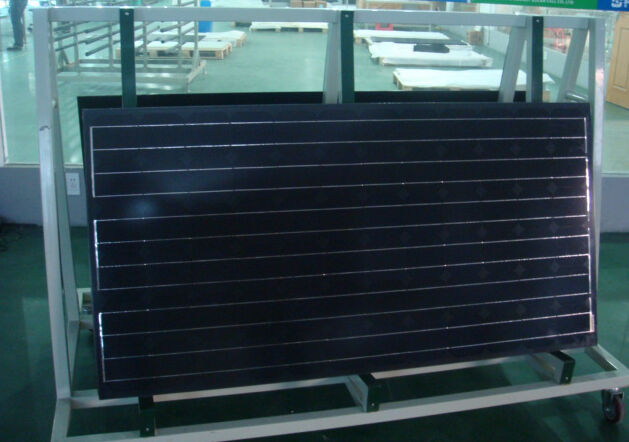
When communities and households in rural areas seek reliable off-grid energy, PWM solar controllers consistently emerge as the preferred choice. These devices regulate the charging of batteries from solar panels, and their design characteristics make them particularly well suited to small-scale installations where simplicity, affordability, and resilience matter most. Understanding why PWM solar controllers dominate this segment helps buyers and installers make smarter decisions from the start.
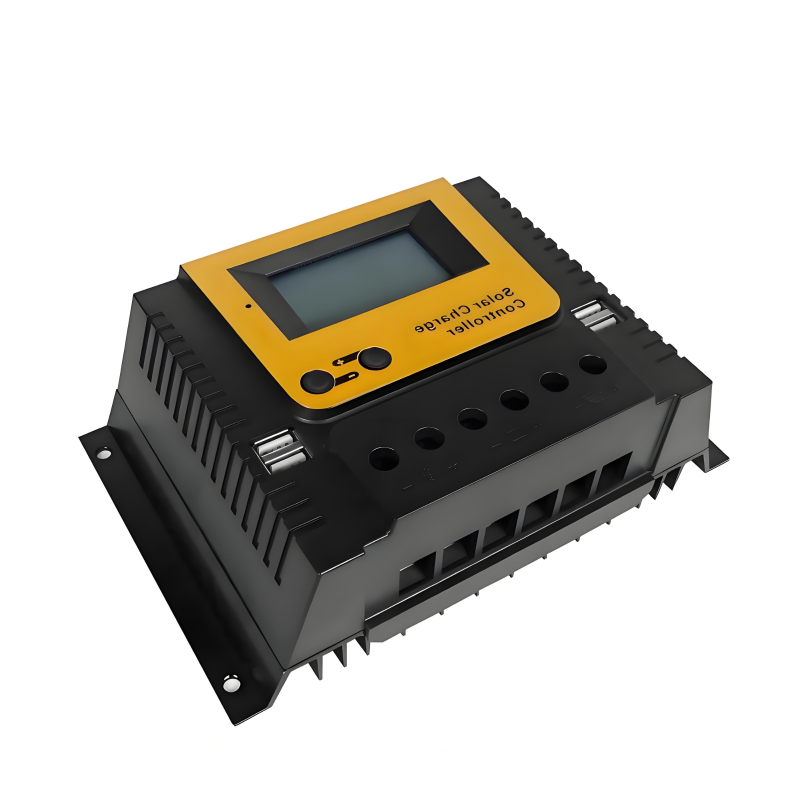
PWM solar controllers use pulse width modulation technology to gradually taper the charging current as a battery approaches full capacity. This approach protects battery health while delivering consistent energy management. Unlike more complex alternatives, PWM solar controllers achieve this with fewer internal components, which directly translates into lower production costs, simpler maintenance, and better fault tolerance in remote environments where technical support is limited.
Cost Efficiency and Accessibility in Rural Settings
Lower Upfront Investment
One of the most compelling reasons PWM solar controllers are preferred for small-scale rural power is their low purchase price. Rural households and community projects typically operate on tight budgets, and PWM solar controllers offer a highly functional solution at a fraction of the cost of more advanced charge controllers. This affordability allows more households to access solar energy without stretching financial resources.
PWM solar controllers are widely available through local distributors and regional supply chains in developing markets. Their popularity means procurement is straightforward, spare parts are accessible, and replacement units can be sourced quickly. For rural electrification programs serving dozens or hundreds of homes, the cost savings from choosing PWM solar controllers can fund additional panels, batteries, or system expansions.
Reduced System Complexity and Maintenance Costs
PWM solar controllers have a simpler internal architecture compared to MPPT alternatives. Fewer semiconductors, simpler circuits, and straightforward firmware mean there is less that can go wrong over time. When rural systems operate far from qualified technicians, this simplicity is a genuine operational advantage. A local electrician or even a trained community member can often diagnose and address issues with PWM solar controllers without specialized tools or knowledge.
Maintenance cycles for PWM solar controllers tend to be longer and less demanding. Dust exposure, temperature swings, and humidity variations are common challenges in rural environments, and PWM solar controllers are generally designed to handle these conditions with robust casing and conservative thermal management. This durability reduces total ownership costs and keeps systems running reliably through seasonal changes.
Technical Suitability for Small-Scale Solar Arrays
Matched Performance for Smaller Panels
PWM solar controllers perform best when the solar panel voltage is closely matched to the battery bank voltage. In small-scale rural installations, panels are typically sized modestly — often ranging from 20W to 200W per system — and battery banks are correspondingly compact. This voltage matching characteristic means PWM solar controllers operate at near-optimal efficiency in exactly the system sizes most common in rural settings.
When panel voltage and battery voltage are well aligned, the energy conversion efficiency of PWM solar controllers approaches acceptable levels for off-grid loads like LED lighting, mobile phone charging, small fans, and low-power radios. These are precisely the loads that rural households prioritize, meaning PWM solar controllers deliver practical value without over-engineering the solution.
Reliable Battery Charging Profiles
PWM solar controllers typically support multiple charging stages including bulk, absorption, and float phases. These stages ensure batteries are charged fully without being overcharged, which extends the lifespan of lead-acid and gel batteries commonly used in rural systems. PWM solar controllers with automatic battery type detection further simplify setup, reducing the risk of incorrect configuration that could damage batteries in unmanned installations.
Many PWM solar controllers also include low-voltage disconnect functions that prevent batteries from being discharged too deeply during periods of low sunlight. This protective feature is especially important in rural areas where replacement batteries carry significant cost and logistical difficulty. By managing both the upper and lower charge boundaries, PWM solar controllers help rural users get the maximum service life from their battery investments.
Practical Advantages in Off-Grid Rural Environments
Robust Design for Harsh Conditions
Rural environments often expose electrical equipment to dust, heat, moisture, and vibration. PWM solar controllers are typically housed in compact, sealed or semi-sealed enclosures that resist environmental ingress. Their straightforward electronics generate less heat than more complex charge controllers, which means PWM solar controllers can operate reliably even without active cooling mechanisms.
This thermal tolerance is a critical advantage in tropical and semi-arid regions where rural electrification projects are concentrated. PWM solar controllers often carry wide operating temperature ratings, allowing them to function in environments that would challenge more sensitive electronics. For field technicians and program managers overseeing dispersed installations, knowing that PWM solar controllers can tolerate real-world conditions reduces monitoring overhead and system risk.
Ease of Installation and Local Empowerment
PWM solar controllers are designed with straightforward wiring terminals and intuitive indicator systems. Installation typically requires connecting the battery first, then the solar panel, and finally the load — a sequence that PWM solar controllers often enforce through terminal labeling or protective logic. This simplicity empowers local communities to install and manage their own systems with minimal outside assistance.
Training programs supporting rural electrification frequently build around PWM solar controllers precisely because the learning curve is short. Community technicians can be taught to install, configure, and troubleshoot PWM solar controllers in a few days, building local technical capacity that sustains the energy infrastructure long after initial deployment. This human factor is one of the strongest arguments for continuing to rely on PWM solar controllers in rural development contexts.
FAQ
Are PWM solar controllers suitable for systems above 200W?
PWM solar controllers can manage systems above 200W when higher-rated models are selected, but their efficiency advantage diminishes compared to MPPT controllers as system size increases. For small rural setups under 200W, PWM solar controllers remain the most practical and economical choice.
Can PWM solar controllers work with lithium batteries?
Some modern PWM solar controllers include lithium battery charging profiles, but most standard models are optimized for lead-acid and gel batteries. Buyers planning to use lithium batteries should verify that their chosen PWM solar controllers explicitly support the required charging parameters before installation.
How long do PWM solar controllers typically last?
With proper installation and minimal maintenance, PWM solar controllers commonly operate for five to ten years or longer. Their simple design and robust construction contribute to this longevity, making PWM solar controllers a sound long-term investment for rural power systems.
