
 EN
EN
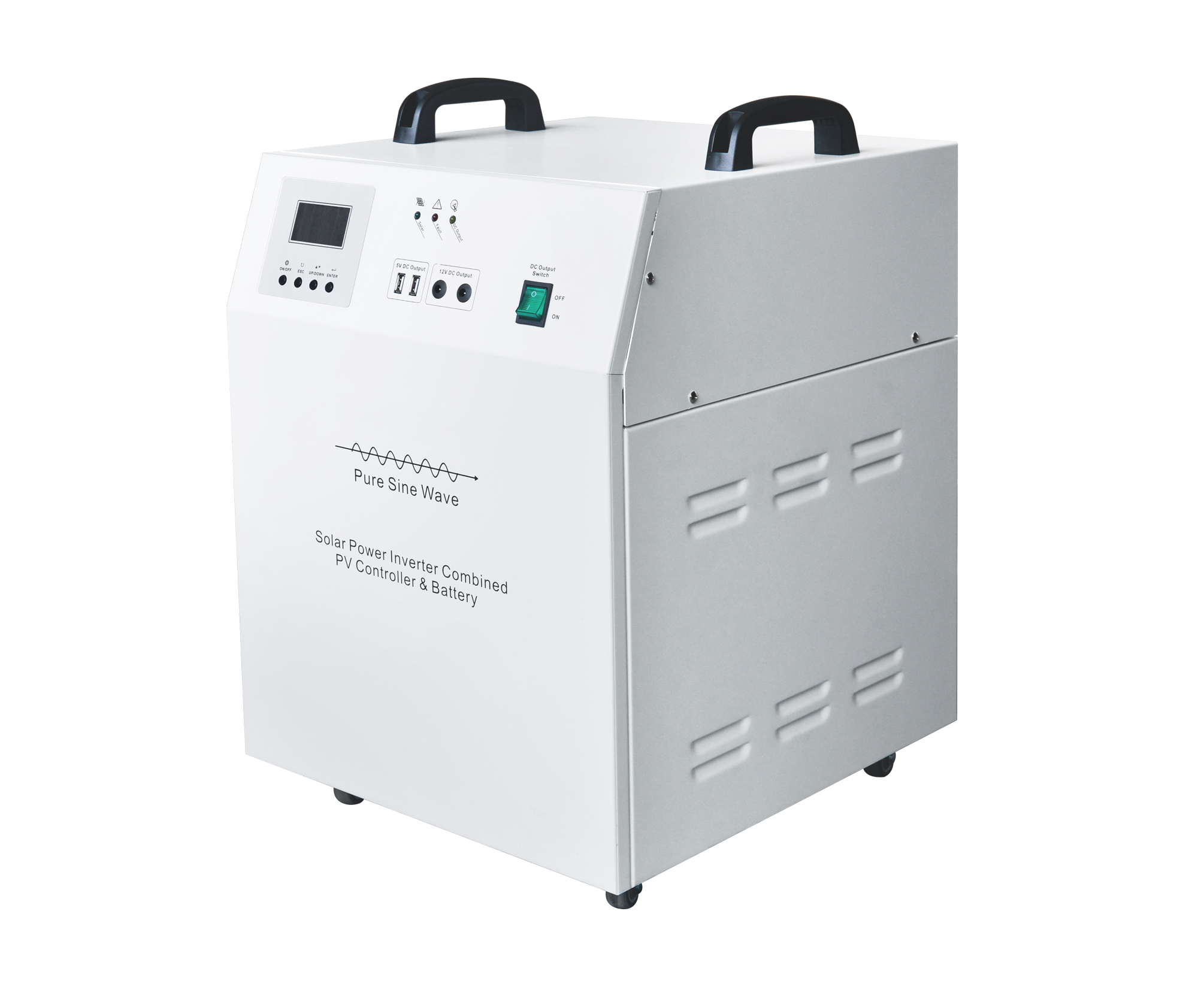
Commercial solar projects demand careful attention to every component that impacts return on investment, and the choice of a solar inverter plays a critical role in determining overall system performance and profitability. Traditional string inverters have long dominated the commercial market, yet distributed solar inverter solutions offer compelling advantages that can meaningfully enhance your project's financial outcomes. Understanding how a solar inverter contributes to commercial ROI requires examining both technical efficiency and long-term operational benefits that directly affect the bottom line.
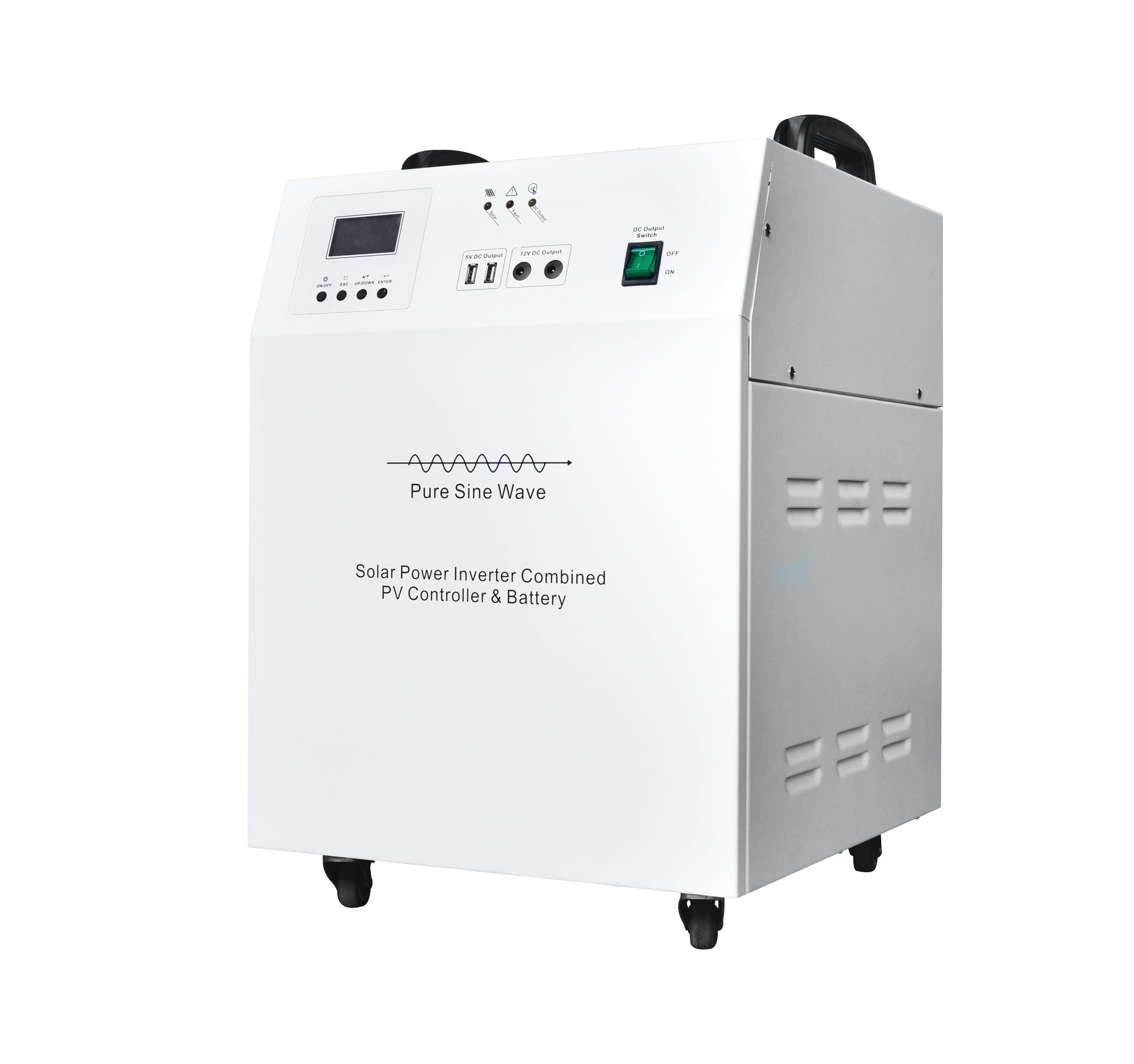
The solar inverter market increasingly recognizes that distributed power conversion at the module level can unlock performance gains that centralized architectures struggle to match. For commercial installations where system uptime and revenue generation matter equally, the solar inverter selection becomes a strategic decision rather than a mere component specification. This article explores the tangible advantages that modern solar inverter distributed systems bring to commercial solar ROI, including efficiency improvements, reduced losses, enhanced monitoring, and simplified scalability that traditional approaches cannot fully deliver.
Efficiency Gains and Power Loss Reduction
How Distributed Solar Inverter Architecture Minimizes Losses
The fundamental advantage of a solar inverter deployed at the module level is the elimination of mismatch losses that plague string-based systems. When a solar inverter operates on each module individually, shading, soiling, or manufacturing tolerance differences on a single panel no longer drag down the entire string's performance. Each solar inverter independently optimizes the voltage and current from its assigned module, converting DC power to grid-ready AC at maximum efficiency. In commercial installations where partial shading from adjacent buildings, trees, or equipment is common, this architecture prevents a single underperforming module from reducing the output of ten to twenty other panels in the same string.
Module-Level Voltage Optimization and Efficiency Metrics
A solar inverter connected to each module can operate its panel at the true maximum power point regardless of conditions affecting neighboring modules. Commercial roof layouts often present complex shading patterns that change throughout the day, and a string-based solar inverter cannot respond to localized shade without compromising the entire array's operating voltage. The distributed solar inverter approach converts this challenge into an advantage, with each unit actively tracking and optimizing its module's performance. Efficiency improvements of 5 to 25 percent are documented in real-world commercial deployments where shade or soiling is a factor, directly translating to higher energy production and faster payback periods.
Enhanced Monitoring and Predictive Maintenance Benefits
Module-Level Data Collection for Granular Performance Visibility
Commercial solar ROI depends not only on initial energy production but also on sustained performance over twenty or more years. Each solar inverter in a distributed system continuously monitors its module's voltage, current, temperature, and power output, generating a rich dataset that reveals system health in unprecedented detail. Building operators and maintenance teams can identify degradation, equipment failure, or performance drift at the module level rather than waiting for whole-string anomalies to trigger alarms. This granular visibility enables predictive maintenance schedules that prevent unexpected downtime and preserve revenue generation capacity.
Rapid Fault Isolation and Reduced Service Costs
When a fault occurs in a traditional string-based system, technicians often must inspect many modules before isolating the problem, consuming labor hours and delaying repairs. A solar inverter failure or module degradation in a distributed architecture is immediately visible through remote monitoring, pinpointing the exact location requiring service. Commercial properties benefit from faster response times, reduced on-site diagnostic work, and quicker restoration to full output. Over a twenty-five-year system lifetime, these service efficiency gains compound into meaningful cost savings that directly improve ROI.
Scalability, Flexibility, and Future-Proof Architecture
Modular Expansion Without System Redesign
Commercial properties evolve, and roof space availability often improves or changes over time. A solar inverter system designed with distributed architecture allows straightforward expansion by adding panels and corresponding units without redesigning the entire power conversion chain. String-based systems often require inverter upsizing or complex rewiring when capacity expands, whereas a solar inverter at each module scales naturally by simple addition. This flexibility is particularly valuable for companies that add roof space through acquisitions or retrofits, as the solar inverter infrastructure grows incrementally without major capital reinvestment or system reconfiguration.
Simplified Compliance and Rapid Response to Code Changes
Building codes and interconnection standards evolve, and commercial installers must meet requirements that sometimes challenge traditional architectures. A solar inverter system with module-level power conversion offers inherent advantages for meeting rapid-shutdown requirements, arc-fault protection, and grid-support functions that increasingly characterize modern commercial installations. Each solar inverter unit can independently cease power production or support advanced grid functions without requiring costly modifications to centralized control infrastructure. This architectural advantage positions commercial properties to adapt quickly to emerging standards and avoid obsolescence, protecting long-term ROI.
FAQ
What is the typical efficiency improvement when upgrading from string inverters to a distributed solar inverter system?
Efficiency gains vary based on site conditions, but commercial installations commonly see 5 to 15 percent additional energy production when deploying a solar inverter at each module rather than string configuration, particularly where partial shading or soiling is present. Systems with minimal shading may experience smaller gains, while properties with complex roof layouts or significant shade patterns often achieve improvements at the upper end of this range. The solar inverter efficiency advantage compounds over the system lifetime, amplifying ROI.
How does a distributed solar inverter architecture reduce maintenance costs for commercial properties?
Module-level solar inverter monitoring enables technicians to identify faults and degradation quickly without extensive on-site diagnostics, reducing labor costs and service response time. Remote performance data from each solar inverter allows predictive maintenance scheduling that prevents unexpected downtime and optimizes resource allocation. Over twenty-five years, these efficiency gains in service management translate to tens of thousands of dollars in saved labor and reduced revenue loss from unplanned outages.
Can a commercial solar installation with distributed solar inverter architecture be easily expanded?
Yes, each solar inverter operates independently at the module level, so capacity expansion simply requires adding new modules with corresponding units without redesigning the entire system or replacing the central inverter. This modular approach is far simpler and less expensive than expanding string-based systems, which often require new inverter hardware or complex rewiring. This flexibility makes a solar inverter distributed architecture ideal for commercial properties planning future growth or adjusting capacity as business needs evolve.
Table of Contents
- Efficiency Gains and Power Loss Reduction
- Enhanced Monitoring and Predictive Maintenance Benefits
- Scalability, Flexibility, and Future-Proof Architecture
-
FAQ
- What is the typical efficiency improvement when upgrading from string inverters to a distributed solar inverter system?
- How does a distributed solar inverter architecture reduce maintenance costs for commercial properties?
- Can a commercial solar installation with distributed solar inverter architecture be easily expanded?
