
 EN
EN
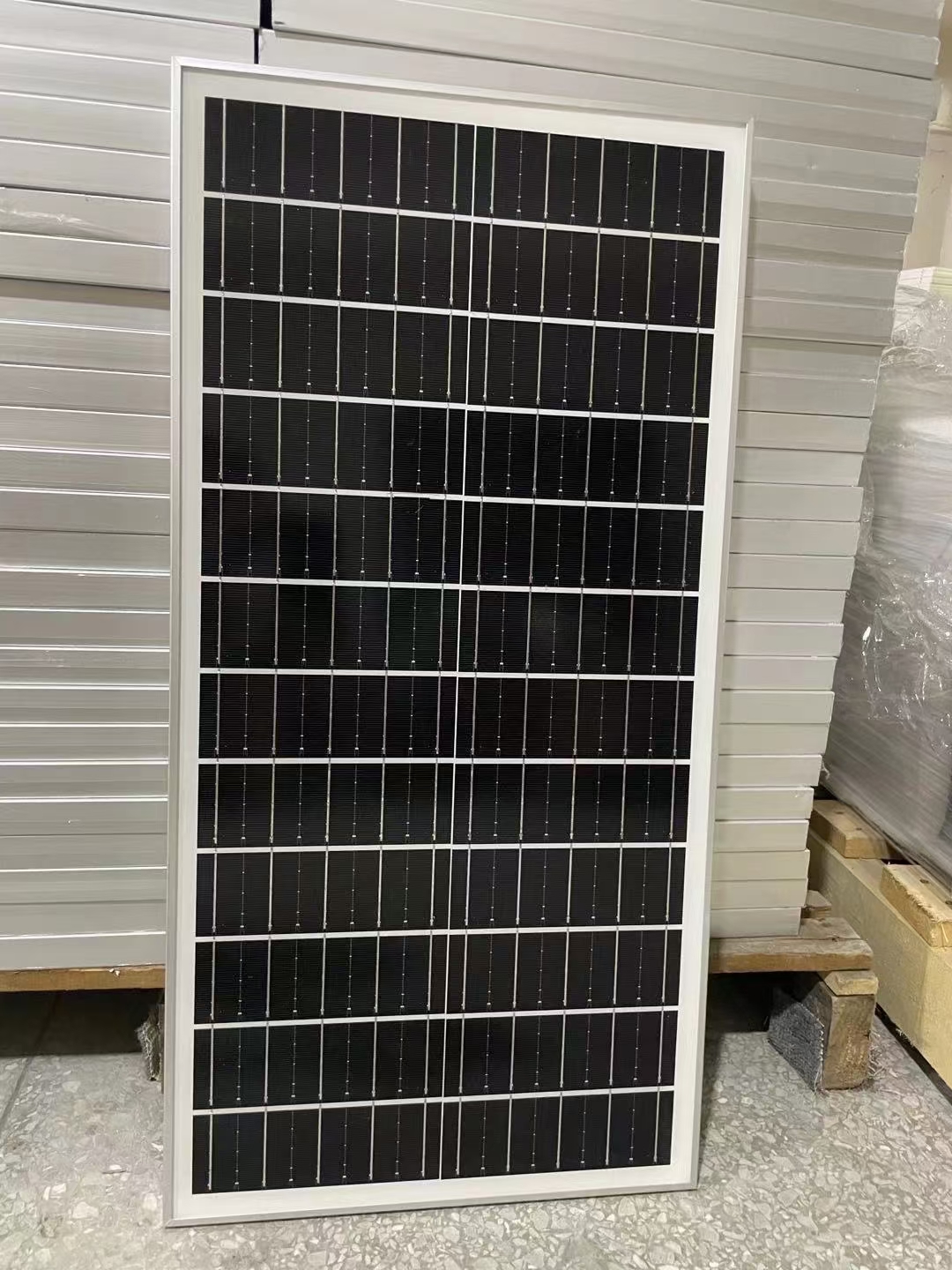
Selecting the right solar panel for portable power kits requires careful evaluation of your energy demands, environmental conditions, and usage patterns. A small watt solar panel serves as the foundation of any mobile power system, whether you're camping, traveling, or managing emergency backup power. The performance, durability, and compatibility of your chosen solar panel directly impact the reliability and efficiency of your entire portable power setup.
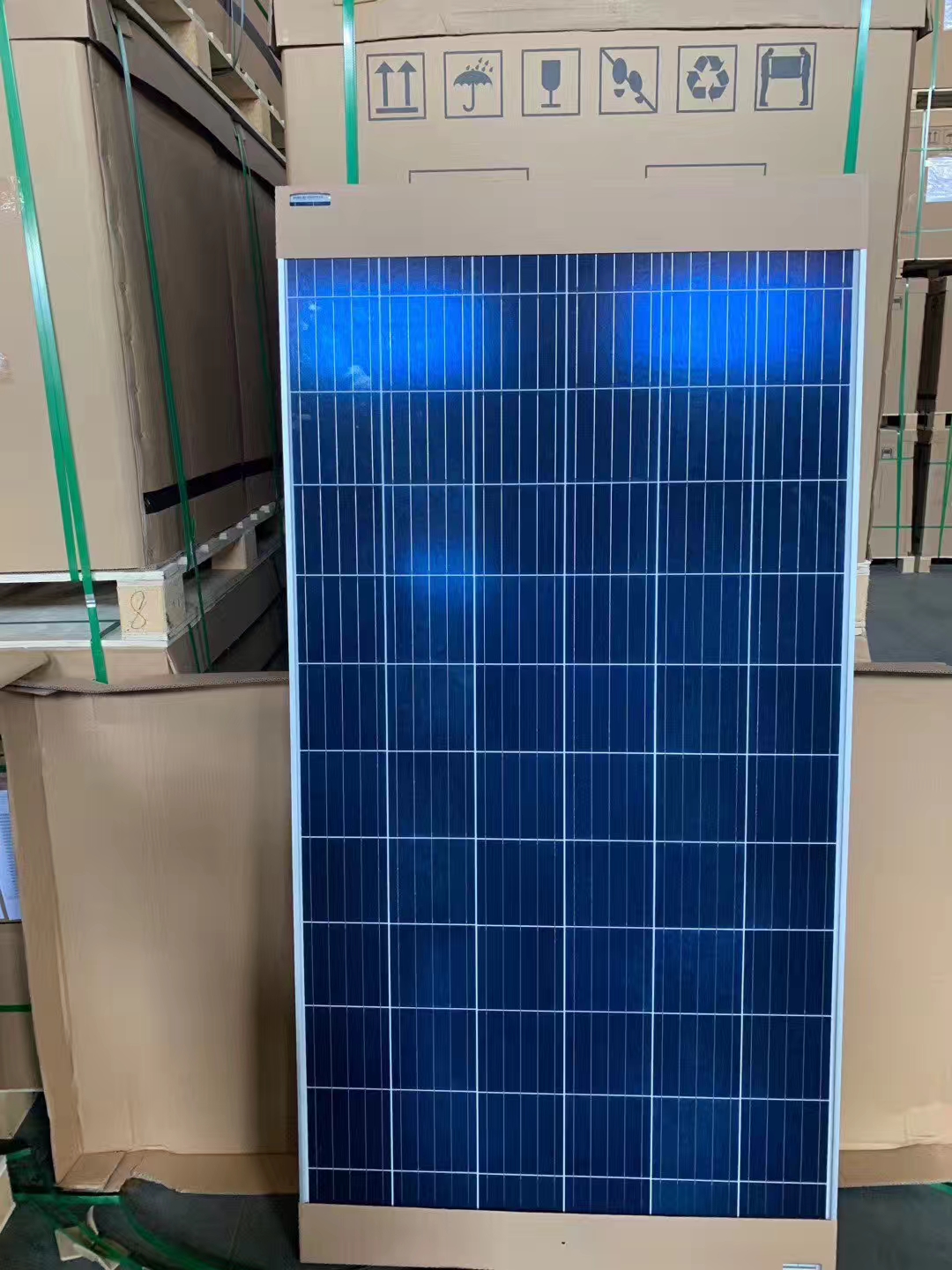
Portable power demands differ significantly from stationary installations, making solar panel selection a strategic decision. A small watt solar panel must balance power output, weight, portability, and cost-effectiveness while maintaining adequate charging capacity for your devices and batteries. Understanding the technical specifications, material quality, and practical performance metrics of available solar panel options empowers you to make an informed investment that matches your specific portable power requirements.
Understanding Solar Panel Specifications for Portable Applications
Power Output and Wattage Ratings
The wattage rating of a solar panel indicates its maximum power generation under standard test conditions. A small watt solar panel typically ranges from 10 watts to 100 watts, designed specifically for portable applications where weight and size constraints exist. The solar panel wattage you select should align with your daily energy consumption and charging timelines. If you need to charge a 100-watt-hour battery daily, a 50-watt solar panel paired with full sunlight exposure can theoretically accomplish this in approximately two hours, though real-world conditions typically extend this timeframe.
Efficiency Ratings and Material Quality
Efficiency ratings represent the percentage of sunlight a solar panel converts into usable electricity. Premium small watt solar panel models achieve 18 to 22 percent efficiency, while budget alternatives may deliver 12 to 15 percent efficiency. Monocrystalline solar panel technology generally outperforms polycrystalline designs in compact applications, offering superior performance-to-weight ratios critical for portable systems. When comparing solar panel options, efficiency directly determines how quickly your portable power kit can recharge under varying light conditions, affecting both convenience and reliability during travel or outdoor use.
Key Selection Criteria for Portable Solar Panel Systems
Weight, Size, and Portability Factors
Portability drives solar panel selection for mobile applications where transportation and storage occupy premium space. A small watt solar panel weighing 2 to 5 pounds enables easy integration into backpacks, vehicle storage, or camping gear without creating excessive burden. Compact solar panel dimensions, typically ranging from 2 feet by 3 feet for 50-watt models, facilitate transport in vehicles or outdoor equipment collections. Foldable solar panel designs maximize efficiency by presenting optimal surface area while collapsing to briefcase-like dimensions, representing an excellent choice for frequent travelers who value both power output and ease of transport in their portable power systems.
Connector Compatibility and Integration
Your small watt solar panel must feature compatible connectors for your specific portable power kit, battery system, and charging devices. Standard connectors include Anderson PowerPole, XT60, barrel connectors, and USB-C outputs that simplify integration with existing equipment. A solar panel with multiple output options provides flexibility when upgrading or expanding your portable power setup. Verify that your solar panel connector types match your portable battery bank, charge controller, and charging cables to eliminate adapter requirements that reduce efficiency and introduce potential failure points in your complete portable power system.
Evaluating Environmental Performance and Durability Considerations
Weather Resistance and Material Durability
Portable power applications expose solar panels to diverse weather conditions, demanding robust construction and weather-resistant materials. Quality small watt solar panel models feature tempered glass fronts, aluminum frames, and sealed edge configurations that withstand rain, dust, and UV exposure over extended use periods. Temperature performance ratings indicate how solar panel output varies across seasonal and climatic conditions, with premium models maintaining 90 percent efficiency even in cold environments. Inspect solar panel manufacturing quality and warranty coverage, as durable construction directly extends service life and reliability when your portable power system operates in challenging outdoor environments.
Temperature Coefficients and Performance Stability
Temperature coefficients measure how solar panel output fluctuates as ambient temperature changes, expressed as percentage loss per degree Celsius above standard conditions. A small watt solar panel with a temperature coefficient of negative 0.4 percent per degree Celsius performs more consistently across varied climates than models with negative 0.5 percent coefficients. High-temperature environments reduce solar panel efficiency significantly, making temperature coefficient performance a critical consideration for tropical or desert portable power applications. Premium solar panel designs incorporate thermal management features that mitigate temperature-related power loss, ensuring your portable power kit delivers reliable charging performance across seasonal variations and diverse geographical locations.
Matching Solar Panel Output to Your Portable Power Needs
Assessing Your Daily Energy Consumption
Calculate your portable power requirements by documenting device wattages and daily usage hours to determine necessary solar panel capacity. A smartphone requiring 15 watt-hours daily plus a laptop needing 50 watt-hours demands approximately 65 watt-hours total, suggesting a 30 to 50-watt small watt solar panel under typical sunlight conditions. Account for weather variability, seasonal changes, and non-ideal solar angles that reduce practical solar panel output by 30 to 50 percent compared to laboratory ratings. Intentional oversizing your solar panel selection provides charging margin during cloudy periods and extends compatibility as your portable power kit expands to include additional devices or larger battery capacity in future upgrades.
Seasonal and Geographic Considerations
Solar panel performance varies substantially based on geographic location, season, and weather patterns affecting portable power system reliability. Winter months reduce available sunlight and increase solar panel angle challenges, requiring larger capacity or dual-panel configurations compared to summer portable power setups. Equatorial and subtropical regions maintain consistent solar panel output throughout the year, while northern latitudes experience significant seasonal fluctuations demanding careful solar panel sizing calculations. When selecting a small watt solar panel, account for your typical usage environment and seasons to ensure your portable power kit maintains adequate charging capacity during periods when you rely most heavily on mobile power independence, whether camping trips, travel adventures, or emergency backup scenarios.
FAQ
How many watts does a portable solar panel need for everyday devices?
Most portable everyday devices require 20 to 50-watt solar panel capacity for practical daily charging. A 30-watt solar panel typically charges a smartphone within 3 to 4 hours in direct sunlight, while a 50-watt solar panel provides faster charging and surplus power for tablet or laptop devices. Your specific requirements depend on device battery sizes and charging frequency, making it essential to calculate your actual daily energy consumption before selecting your solar panel specifications.
What's the difference between monocrystalline and polycrystalline solar panels for portable use?
Monocrystalline solar panels deliver 18 to 22 percent efficiency and perform better in partial shade and compact designs, making them ideal for portable applications. Polycrystalline solar panels offer 13 to 17 percent efficiency at lower cost but require more physical space to generate equivalent power output. For portable power systems prioritizing weight and compactness, monocrystalline solar panel technology provides superior performance despite higher initial investment costs that typically diminish across the extended lifespan of quality portable systems.
Can a small watt solar panel charge a power bank efficiently?
Yes, a small watt solar panel charges power banks effectively when properly sized and positioned in direct sunlight. A 20 to 30-watt solar panel efficiently charges most portable power banks within 4 to 6 hours during peak daylight, while larger capacity power banks benefit from 50-watt solar panels delivering faster charging times. Charge controller quality and solar panel positioning significantly impact real-world charging efficiency, making proper system configuration as important as solar panel selection when optimizing your portable power kit performance.
