
 EN
EN
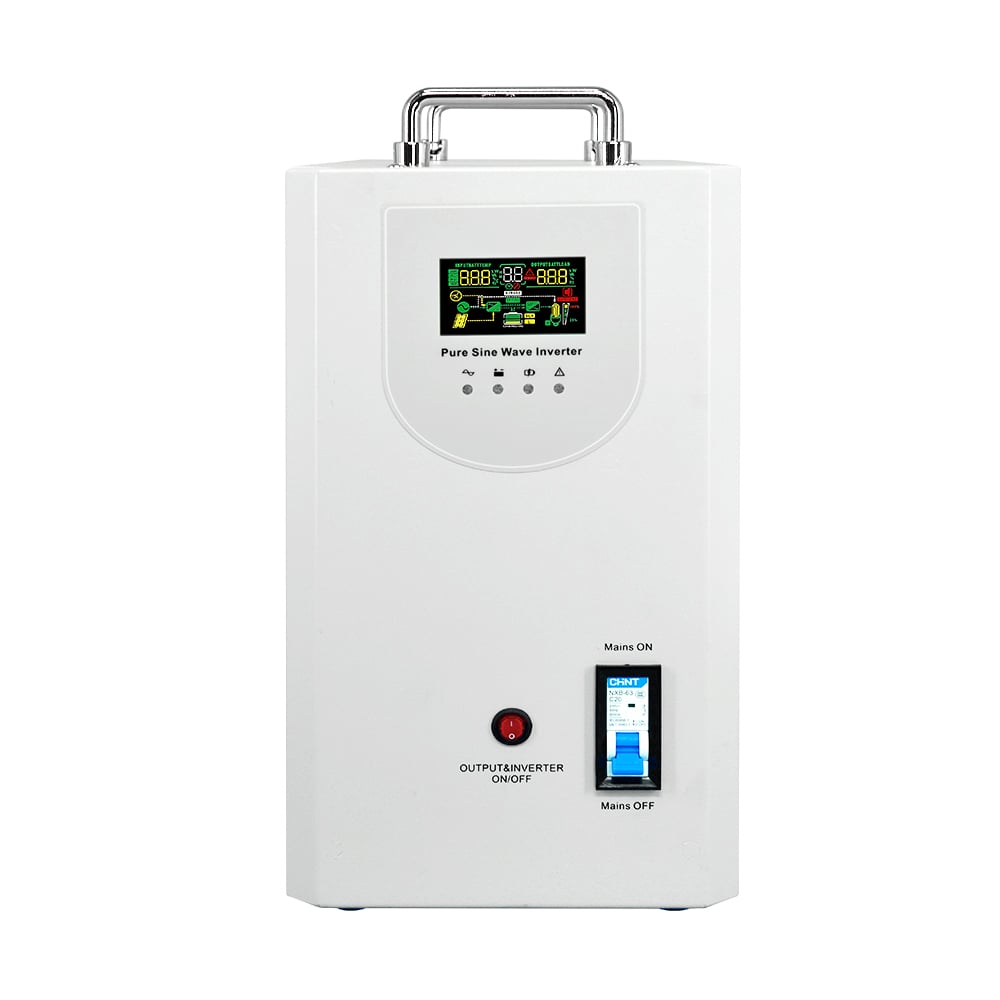
The global shift toward renewable energy and reliable backup power has fundamentally changed how businesses and homeowners approach energy storage. At the center of this transformation lies a single technological innovation: the lithium battery. Modern UPS systems and solar installations increasingly depend on lithium battery technology rather than traditional lead-acid alternatives, and this trend reflects deeper operational, economic, and environmental advantages. Understanding why the lithium battery has become the preferred choice requires examining the specific performance characteristics, cost dynamics, and real-world applications that make it superior for contemporary energy management.
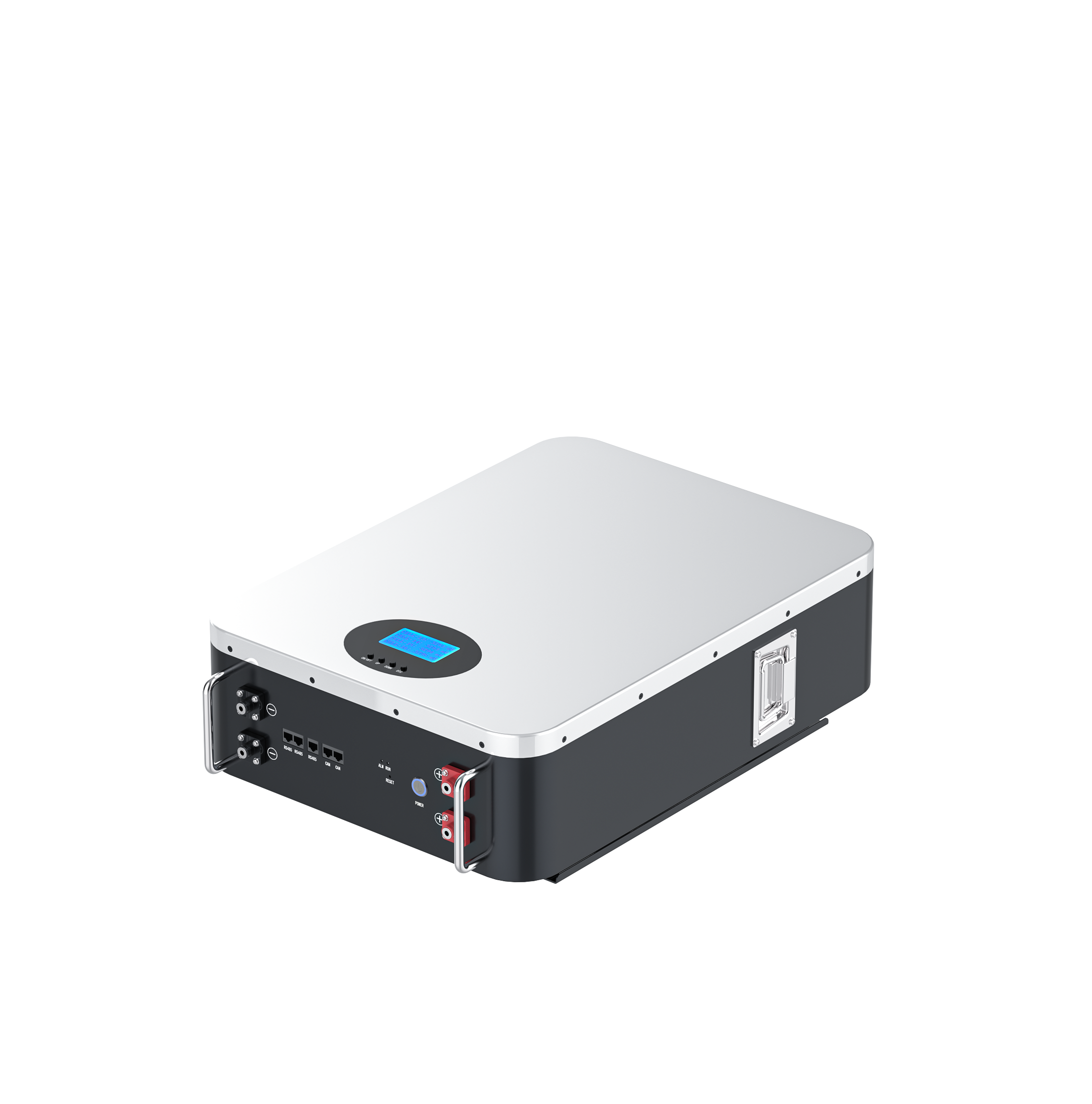
The adoption of lithium battery technology in both UPS and solar applications reflects a fundamental rethinking of energy storage requirements. Organizations now demand systems that can deliver consistent power density, withstand thousands of charge cycles, and integrate seamlessly with intelligent monitoring infrastructure. The lithium battery meets all these demands while offering operational flexibility that older chemistries simply cannot match. This article explores the technical, economic, and practical reasons why lithium battery solutions now dominate the market for mission-critical backup power and renewable energy storage.
Technical Performance Advantages of Lithium Battery Solutions
Energy Density and Power Output Characteristics
The lithium battery delivers substantially higher energy density compared to lead-acid or other alternative chemistries. This means a lithium battery can store more energy in a smaller physical footprint, making it ideal for space-constrained installations where floor area or cabinet dimensions present real limitations. For UPS applications, this density advantage translates directly into longer runtime capacity without requiring larger or more numerous battery modules. A modern lithium battery system can provide the same power output as a lead-acid installation while consuming significantly less installation space and reducing structural load requirements on buildings.
The voltage stability of the lithium battery throughout its discharge cycle also provides critical performance benefits. Unlike lead-acid batteries that experience voltage sag as they deplete, a lithium battery maintains relatively flat voltage curves, delivering consistent power to connected equipment throughout the discharge process. For solar applications, this consistency improves inverter efficiency and reduces power quality fluctuations that can degrade sensitive electronics. The lithium battery's ability to sustain stable output voltage means solar systems can extract maximum energy from stored power without the efficiency losses associated with traditional battery chemistries.
Cycle Life and Operational Longevity
A primary economic driver for lithium battery adoption centers on cycle longevity. Modern lithium battery packs are engineered to endure thousands of complete charge-discharge cycles while retaining 80 percent or more of their original capacity. This extended cycle life translates into 10 to 15 years of productive service for many lithium battery installations, compared to 3 to 5 years for conventional lead-acid batteries. When calculating total cost of ownership, the lithium battery's superior lifespan dramatically reduces per-cycle costs and replacement frequency, making initial capital investment quickly recoverable through reduced maintenance and replacement expenses.
Depth of discharge capabilities further enhance the lithium battery's practical value. A lithium battery can safely and efficiently operate at 80 to 90 percent depth of discharge without suffering accelerated degradation, whereas lead-acid batteries begin experiencing harmful sulfation and premature aging if regularly discharged beyond 50 percent. This means a given lithium battery can deliver substantially more usable energy throughout its lifetime. For solar systems with variable generation patterns, the lithium battery's depth of discharge flexibility enables more consistent and reliable power availability without oversizing the battery bank.
Cost Economics and Return on Investment Drivers
Capital Cost Trends and Long-Term Value Analysis
The initial cost of lithium battery technology has declined dramatically over the past decade, making the lithium battery increasingly cost-competitive with established alternatives. Manufacturing scale, improved supply chain efficiency, and technological maturation have compressed lithium battery pricing by more than 70 percent since 2010. This trajectory means the lithium battery often achieves lower lifecycle costs than lead-acid systems despite higher upfront capital expenditure. Organizations evaluating energy storage solutions must account for total cost of ownership across the expected service life, not merely initial purchase price. When calculated across 10 to 15 years of operation, the lithium battery typically delivers superior economic performance through extended life, reduced maintenance requirements, and higher energy efficiency.
Financing and incentive structures now increasingly favor lithium battery installations. Government rebates, tax credits, and renewable energy incentives disproportionately support advanced battery technologies, recognizing their environmental and grid-stabilization benefits. For solar installations, integrating a lithium battery with incentive programs can reduce effective capital costs substantially, making the lithium battery the most economically rational choice from both pure cost and incentive-adjusted perspectives. Businesses conducting financial analysis of backup power or renewable energy systems must incorporate available incentives when comparing lithium battery options against alternatives.
Operational Cost Reduction and Maintenance Implications
The maintenance requirements for lithium battery systems represent a major cost advantage over lead-acid or other chemistries. A lithium battery requires no regular water addition, terminal corrosion management, or hazardous electrolyte handling. UPS systems with lithium battery packs operate with minimal technician intervention, reducing labor costs and operational complexity. For solar applications in remote locations or facilities with limited technical staff, the lithium battery's low-maintenance profile becomes especially valuable, enabling reliable operation without frequent service visits. This operational simplicity also reduces regulatory compliance burdens and safety documentation requirements associated with hazardous battery chemistry management.
Energy efficiency improvements further enhance the economic case for lithium battery selection. A lithium battery exhibits round-trip efficiency of 90 to 95 percent, meaning minimal energy is lost during charge and discharge cycles. Lead-acid batteries, by comparison, typically achieve 70 to 85 percent round-trip efficiency. For solar systems operating in charge-discharge cycles multiple times daily, the lithium battery's superior efficiency compounds savings across thousands of cycles. Over a decade of operation, efficiency advantages can translate to thousands of dollars in avoided electricity costs and improved solar energy utilization rates.
Reliability, Safety, and Integration Benefits
System Reliability and UPS Performance Standards
Uninterruptible power supply systems demand absolute reliability, and lithium battery technology delivers superior performance characteristics for this critical application. A lithium battery exhibits predictable degradation patterns, allowing administrators to forecast capacity availability and plan replacement cycles with precision. Built-in battery management systems monitor individual cell health, temperature, and voltage balance in real time, enabling proactive intervention before capacity loss becomes critical. For mission-critical facilities, this predictability and monitoring capability mean fewer unexpected power failures and greater confidence in backup system availability. The lithium battery's performance under rapid load changes and frequency fluctuations also makes it superior for UPS applications requiring dynamic response to instantaneous power demands.
Temperature management represents another reliability advantage for lithium battery systems. Modern lithium battery packs include integrated thermal management systems that maintain optimal operating temperatures across ambient climate variations. A lithium battery maintains consistent performance across wider temperature ranges than lead-acid alternatives, making it suitable for installations in harsh industrial environments, outdoor solar applications, or facilities with limited climate control. This temperature resilience ensures lithium battery systems deliver rated capacity consistently, regardless of seasonal variations or facility conditions.
Safety Features and Intelligent Battery Management Systems
Contemporary lithium battery systems incorporate sophisticated safety features that prevent common failure modes and protect connected equipment. Battery management systems monitor cell voltage, temperature, and current draw continuously, shutting down charging or discharging if any parameter exceeds safe operating limits. This intelligent protection prevents thermal runaway, overcharging, and other hazardous conditions that could damage the battery or threaten facility safety. For UPS applications where equipment uptime directly impacts business continuity, this protection layer provides essential reliability assurance. Solar installations benefit similarly from the lithium battery's built-in safeguards, reducing installation complexity and regulatory compliance requirements.
Integration with modern monitoring and analytics platforms represents a significant advantage for lithium battery systems. Unlike passive lead-acid batteries, a contemporary lithium battery connects to cloud-based monitoring platforms that track performance metrics, predict maintenance needs, and optimize charging strategies. Solar installers and UPS operators can access real-time data on battery health, energy flows, and system efficiency, enabling data-driven decisions about operation and expansion. This integration capability means a lithium battery system becomes part of an intelligent energy management ecosystem, providing insights impossible with traditional battery technologies. The resulting operational visibility and control flexibility enhance both reliability and economic performance across the battery's service life.
Environmental and Regulatory Alignment
Environmental considerations increasingly influence energy storage decisions, and the lithium battery offers clear advantages for organizations prioritizing sustainability. While lithium mining and battery manufacturing involve environmental costs, contemporary lithium battery systems achieve superior environmental performance across their entire lifecycle compared to lead-acid alternatives. A lithium battery's extended lifespan means fewer resources consumed in replacement and manufacturing, and higher round-trip efficiency reduces energy losses and associated emissions. For solar installations specifically, pairing renewable generation with high-efficiency lithium battery storage maximizes environmental benefits of the renewable system by preventing power loss in the storage component.
Regulatory trends continue to favor lithium battery adoption as governments worldwide emphasize grid modernization and renewable energy integration. Building codes increasingly encourage or mandate advanced energy storage in new commercial facilities, and utility interconnection standards now account for the grid services capabilities that lithium battery systems can provide. A lithium battery's ability to respond rapidly to voltage and frequency disturbances makes it valuable for grid stabilization, benefits that regulators now recognize through favorable tariff treatment or additional compensation mechanisms. Understanding the regulatory landscape is essential for facility planners evaluating backup power and renewable storage investments.
FAQ
How long does a lithium battery typically last in a UPS system?
Modern lithium battery technology designed for UPS applications typically provides 10 to 15 years of reliable service, far exceeding the 3 to 5 year lifespan of lead-acid batteries. The lithium battery achieves this extended life through superior cycle durability, with many systems rated for 4000 to 6000 complete charge-discharge cycles before capacity degradation reaches significant levels. Actual lithium battery lifespan depends on operating conditions, depth of discharge patterns, temperature management, and how frequently the UPS actually discharges. Well-maintained lithium battery systems in favorable operating environments often exceed manufacturer expectations, occasionally delivering service life approaching 20 years with capacity retention above 80 percent.
What makes a lithium battery better than lead-acid for solar energy storage?
A lithium battery surpasses lead-acid performance in solar applications through multiple technical and economic advantages. The lithium battery offers higher energy density, meaning more storage capacity in less physical space, crucial for roof-mounted or space-constrained installations. Importantly, the lithium battery maintains voltage stability throughout discharge, improving inverter efficiency and reducing power quality variations that degrade sensitive loads. The lithium battery's ability to operate safely at 80 to 90 percent depth of discharge means more usable energy from the same battery capacity. Additionally, the lithium battery requires virtually no maintenance, making it ideal for remote solar installations. When combined with superior cycle life and declining purchase costs, the lithium battery delivers higher lifetime value for solar energy storage than lead-acid alternatives.
Are lithium batteries safe for indoor UPS installations?
Yes, modern lithium battery systems are specifically engineered and approved for safe indoor UPS deployment when installed and maintained according to manufacturer specifications. Lithium battery packs include integrated battery management systems that prevent overcharging, over-discharging, and thermal runaway through continuous monitoring and automatic protection. Unlike lead-acid batteries that emit hydrogen gas and require ventilation, lithium battery systems produce no hazardous emissions and do not require dedicated ventilation infrastructure. The lithium battery's safety features, combined with its compact footprint and lack of corrosive electrolyte, make it superior to lead-acid for indoor facilities. Regulatory approvals and safety certifications for indoor lithium battery installations continue expanding as technology matures and proven performance history accumulates across thousands of deployed systems.
