
 EN
EN
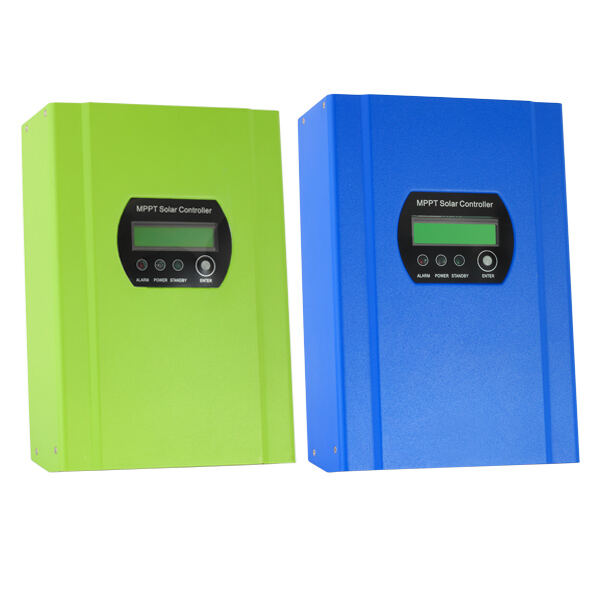
The commercial energy sector is undergoing a fundamental shift, and the hybrid inverter is emerging as one of the most important technologies driving that change. As businesses face rising electricity costs, tightening carbon regulations, and growing pressure to adopt renewable energy, the hybrid inverter provides a uniquely versatile solution. Unlike conventional inverter types, it bridges solar generation, battery storage, and grid connectivity within a single intelligent system, making it ideally suited for the complex demands of commercial energy management.
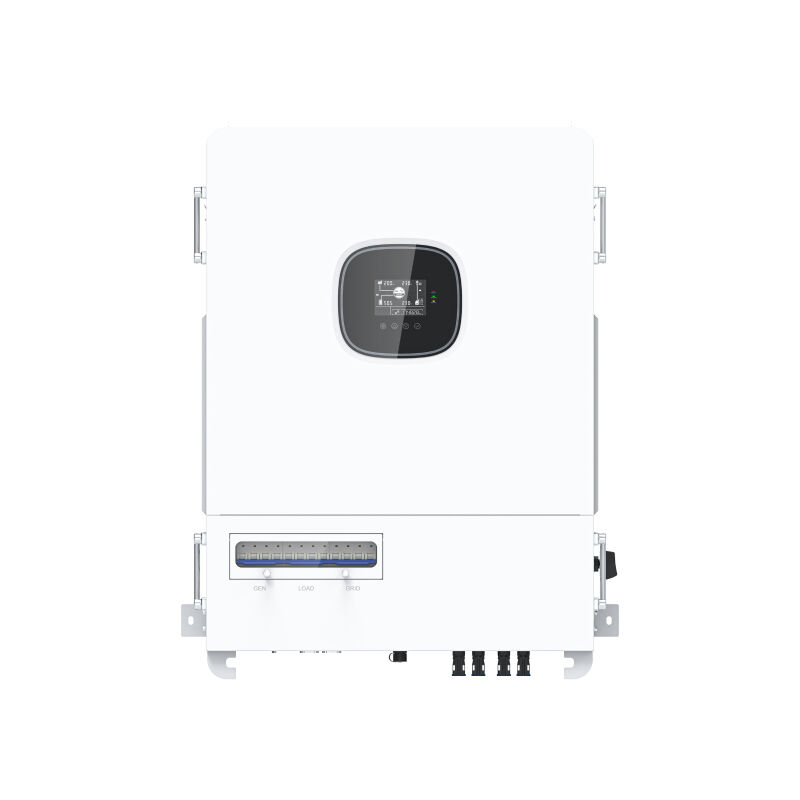
The question is no longer whether commercial facilities should upgrade their energy infrastructure, but which technology will define that infrastructure going forward. The hybrid inverter is rapidly becoming the answer. Its ability to intelligently coordinate multiple energy inputs and outputs sets it apart from standalone solar inverters or grid-tied systems. This article explores why the hybrid inverter is positioned as the future of commercial energy storage, examining its structural advantages, operational intelligence, and long-term business value.
The Core Architecture That Sets a Hybrid Inverter Apart
Multi-Source Energy Management in One Device
A hybrid inverter integrates solar photovoltaic input, battery storage control, and grid interaction into one unified platform. This multi-source capability is not simply a convenience — it is a foundational advantage for commercial energy storage. Traditional string inverters or off-grid inverters handle only one or two energy flows, requiring additional hardware and complex wiring to achieve what a hybrid inverter does natively. For commercial facilities managing peak demand, backup requirements, and time-of-use pricing simultaneously, the hybrid inverter simplifies system architecture while expanding functional capacity.
Because the hybrid inverter communicates internally between its solar, battery, and grid modules, energy routing decisions happen in real time without latency. Excess solar power charges the battery automatically. When the battery is full, surplus energy exports to the grid. During peak tariff hours, the hybrid inverter draws from the battery rather than the grid. This seamless switching is what makes the hybrid inverter far more than just an inverter — it functions as an active energy management device.
Compatibility With Evolving Battery Technologies
Another architectural strength of the hybrid inverter is its compatibility with modern battery chemistries, particularly lithium iron phosphate batteries, which are increasingly preferred in commercial installations. A hybrid inverter communicates with battery management systems through standardized protocols, enabling precise charge and discharge control that protects battery health and extends operational lifespan. As battery technology continues to evolve, the hybrid inverter platform is designed to scale with those improvements, future-proofing commercial energy storage investments rather than locking facilities into outdated hardware.
Operational Intelligence and Grid Interaction
Smart Load Management and Demand Response
The hybrid inverter is not a passive device. It actively monitors load patterns, solar generation data, and grid signals to make moment-by-moment decisions about energy flow. For commercial operations, this intelligence translates directly into cost savings. The hybrid inverter can shift energy consumption away from peak tariff windows, reduce demand charges, and automatically respond to grid signals in demand response programs. This level of control was previously available only through expensive building energy management systems, but the hybrid inverter brings it into the inverter layer itself.
Commercial facilities with variable energy loads — such as manufacturing plants, warehouses, or retail centers — benefit significantly from the load management capabilities of a hybrid inverter. The system identifies consumption patterns over time and optimizes battery dispatch accordingly. When combined with remote monitoring software, facility managers can track hybrid inverter performance in real time, adjust settings remotely, and generate detailed energy reports to support sustainability reporting and regulatory compliance.
Grid Resilience and Backup Power Capability
Grid reliability is a growing concern for commercial operators in regions prone to power outages or grid instability. A hybrid inverter with backup functionality can island the facility from the grid and maintain critical loads using battery power, with solar generation continuing to recharge the battery during daylight hours. This capability transforms the hybrid inverter into a business continuity asset, not just an energy efficiency tool. Facilities that operate data centers, cold storage, or continuous manufacturing processes find particular value in this resilience feature of the hybrid inverter.
Unlike diesel generators, which require fuel, maintenance, and produce emissions, the hybrid inverter delivers backup power silently and automatically. The transition from grid power to battery backup through a hybrid inverter can occur within milliseconds, protecting sensitive equipment from power interruptions. This near-instant response time is one reason why the hybrid inverter is increasingly specified in commercial and industrial energy projects where downtime carries significant financial consequences.
The Long-Term Business Case for Hybrid Inverter Adoption
Reducing Total Cost of Ownership Over Time
The hybrid inverter reduces total cost of ownership across the commercial energy storage system. By combining multiple functions in a single device, it reduces hardware procurement costs, installation complexity, and ongoing maintenance requirements. A hybrid inverter eliminates the need for separate charge controllers, transfer switches, and grid management units, each of which would require independent maintenance schedules and compatibility management. The simplified system architecture that a hybrid inverter enables directly reduces operational overhead for facility management teams.
Over a ten-to-fifteen-year operational lifespan, the energy cost savings generated by a properly configured hybrid inverter typically exceed initial investment by a substantial margin. As electricity tariffs continue to rise globally and feed-in tariff incentives evolve, commercial operators who have already deployed hybrid inverter systems are better positioned to adapt their energy strategy without replacing core infrastructure. The hybrid inverter essentially provides a programmable financial instrument embedded in the energy system.
Alignment With Commercial Sustainability Goals
Corporate sustainability commitments are now a strategic priority for commercial enterprises worldwide. The hybrid inverter supports these goals directly by maximizing the proportion of renewable energy consumed on-site, minimizing grid dependency during high-carbon grid periods, and generating verifiable clean energy data for sustainability reporting. Businesses pursuing carbon neutrality, ESG ratings improvement, or renewable energy certifications find that a hybrid inverter system provides both the technical capability and the data infrastructure needed to substantiate those commitments.
The hybrid inverter also positions commercial facilities to take advantage of evolving energy market structures, including virtual power plants and grid services markets, where distributed energy resources are aggregated and monetized. A hybrid inverter with open communication protocols can participate in these emerging markets, creating revenue opportunities that did not exist when conventional inverter systems were originally designed. This forward compatibility is a key reason why the hybrid inverter is viewed as a foundational technology for the commercial energy systems of the future.
FAQ
What makes a hybrid inverter different from a standard solar inverter?
A standard solar inverter converts DC electricity from solar panels into AC electricity for immediate use or grid export. A hybrid inverter performs this function while also managing battery storage and grid interaction simultaneously. This means a hybrid inverter can store excess solar energy, dispatch it strategically, and maintain backup power capability, functions that a standard solar inverter cannot perform on its own.
Is a hybrid inverter suitable for large commercial energy storage systems?
Yes, a hybrid inverter is well-suited for commercial energy storage systems. Many hybrid inverter models are designed for scalability, allowing multiple units to operate in parallel to serve larger power demands. Commercial facilities can configure a hybrid inverter array to match their specific load requirements, battery capacity, and grid connection specifications, making the hybrid inverter a flexible platform for projects of various scales.
How does a hybrid inverter contribute to energy cost savings for businesses?
A hybrid inverter contributes to cost savings by optimizing when energy is drawn from the grid, the battery, or solar generation based on real-time tariff data and load conditions. By discharging the battery during peak tariff periods and recharging during off-peak windows, a hybrid inverter can significantly reduce monthly electricity bills. Over time, these savings compound, making the hybrid inverter one of the highest-return investments in a commercial energy strategy.
